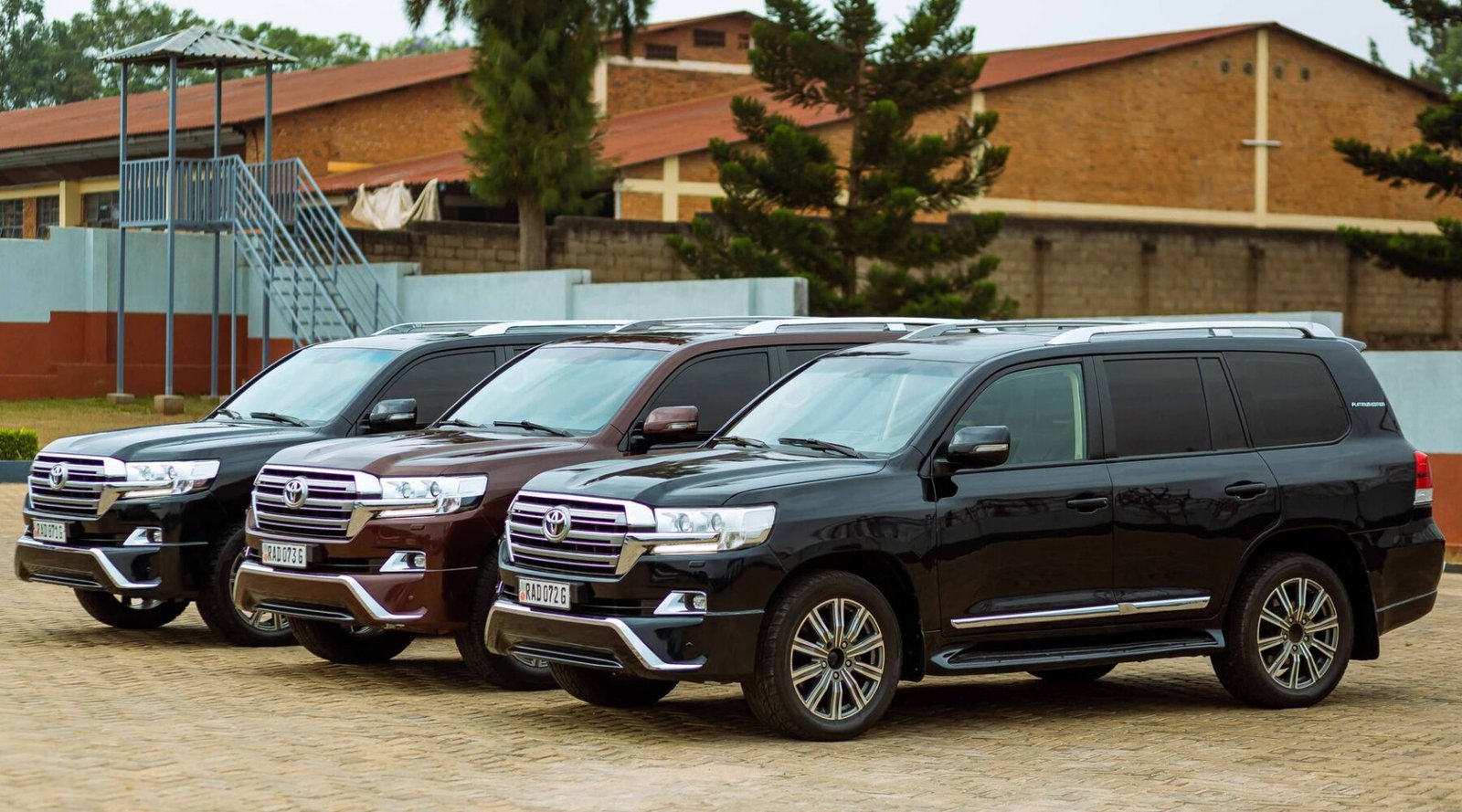
Family transportation has evolved beyond the traditional minivan, but replacing sliding doors and low step-in heights requires careful evaluation. Buyers with large families need functional third-row seating that accommodates growing passengers, along with meaningful cargo volume when every seat is occupied. Modern three-row crossovers and full-size SUVs attempt to bridge this gap with varying degrees of daily capability.
The benchmark midsize contenders
The midsize three-row segment represents the sweet spot for most households, offering manageable exterior dimensions alongside impressive interior packaging. The Kia Telluride and Hyundai Palisade remain top choices in this class. Built on a shared platform, both models deliver exceptional passenger comfort, standard driver-assistance features, and adult-friendly third rows. Cargo room behind the third row measures approximately 21 cubic feet, which accommodates daily groceries or several carry-on bags easily.
The Toyota Grand Highlander expanded on the standard Highlander formula by adding roughly four inches of crucial legroom to the rearmost seats. It offers a choice of fuel-efficient hybrid powertrains, making it an attractive long-term option for families covering high annual mileage. Meanwhile, the Honda Pilot provides a practical alternative with a clever removable center seat in the second row, allowing owners to switch between seven- and eight-passenger configurations. The redesigned Chevrolet Traverse also deserves attention, boasting best-in-class cargo capacity behind its third row for the midsize category.
Full-size space for maximum utility
When midsize crossovers fall short on raw cargo space or towing capability, full-size body-on-frame SUVs become necessary. The Chevrolet Suburban and its shorter sibling, the Tahoe, feature an independent rear suspension layout that significantly improves third-row legroom and ride quality compared to older generations. The Suburban provides over 41 cubic feet of storage space behind its third row, ensuring that a full load of passengers does not compromise luggage capacity during extended road trips.
The Ford Expedition Max serves as a direct competitor, utilizing a twin-turbocharged V6 engine that delivers robust low-end torque for heavy towing duties. Both the General Motors and Ford offerings excel at moving extended families across long distances, though their larger physical footprints demand careful consideration regarding residential garage fitment and tight urban parking spaces.
Key considerations before buying
Selecting the right vehicle extends beyond passenger count on a specification sheet. Access to the rearmost seats is critical for daily convenience. Buyers should test the second-row tilt-and-slide mechanisms to ensure young children can operate them independently. Additionally, look for abundant USB ports across all rows, dedicated tri-zone climate controls, and easily accessible LATCH points for child safety seats.
A capable family vehicle must handle the friction points of daily life, turning complex loading routines into seamless events.
Fuel economy also varies dramatically across this market segment. Midsize hybrid options comfortably achieve over 30 miles per gallon combined, whereas full-size V8-powered SUVs often struggle to reach 20 miles per gallon in urban driving environments. Matching your family spatial requirements with long-term operating costs remains the most reliable path to a satisfying vehicle purchase.
Technology features that enhance family safety and convenience
In the dynamic world of three-row SUVs, technology is not just a luxury; it’s increasingly becoming a necessity for families. Advanced technology features can significantly enhance safety, convenience, and overall driving experience. For families navigating the challenges of daily commutes, school runs, and long road trips, investing in an SUV equipped with the latest tech can provide peace of mind and make life a little easier.
Consider the role of driver assistance technologies, which are now common in many family-oriented SUVs. Features like adaptive cruise control, lane-keeping assist, and automatic emergency braking can help prevent accidents and reduce the stress of driving, especially in heavy traffic. For instance, the Honda Pilot offers a suite of safety technologies called Honda Sensing, which includes Collision Mitigation Braking System and Road Departure Mitigation. These features not only help to protect the family but also instill confidence in parents as they drive their children around.
Additionally, the integration of infotainment systems plays a crucial role in keeping passengers entertained and connected. Many modern three-row SUVs come equipped with advanced multimedia systems that support smartphone integration through Apple CarPlay and Android Auto. This allows families to access navigation, music, and podcasting apps directly from the vehicle’s display, making long journeys more enjoyable. The Kia Telluride, for example, features a user-friendly 10.25-inch touchscreen that supports these integrations, allowing for a seamless connection between the vehicle and personal devices.
Another important aspect is the availability of rear-seat entertainment systems, which can be a game-changer for families with younger children. Built-in screens or the capability to stream content from mobile devices can keep kids occupied during long drives. The Chevrolet Traverse, for example, offers an optional rear-seat entertainment system that includes dual screens, making it a favorite among families who frequently embark on road trips.
Moreover, the convenience of connectivity features should not be overlooked. Many SUVs now offer Wi-Fi hotspots, allowing family members to stay connected on the go. This feature can be particularly beneficial for families with older children who may want to complete school assignments or stream their favorite shows while traveling. The Ford Explorer provides a built-in 4G LTE Wi-Fi hotspot, accommodating up to 10 devices, which means everyone can stay connected without hogging data plans.
Another tech feature gaining traction is the use of advanced parking assistance systems. These systems can help families maneuver their larger vehicles into tight parking spots, reducing the stress of parking in crowded areas. The Subaru Ascent, for instance, offers a rearview camera with dynamic guidelines that helps drivers visualize their parking trajectory, making it easier to park in busy lots.
In summary, when evaluating three-row SUVs for family use, it’s essential to consider the technology features that can enhance safety and convenience. Investing in an SUV equipped with advanced driver assistance systems, infotainment options, rear-seat entertainment, and connectivity features can significantly improve the family driving experience, making it not only safer but also more enjoyable.
Enhancing family travel with connectivity and technology
In today’s digital age, families are not just looking for spacious vehicles but also for advanced technology that can enhance their travel experiences. With long road trips often being a necessity for family vacations, the ability to stay connected, entertained, and safe is paramount. Therefore, when considering three-row SUVs for large families, it’s essential to evaluate the technology and connectivity features that can make a significant difference.
Many modern three-row SUVs are equipped with advanced infotainment systems that support smartphone integration via Apple CarPlay and Android Auto. These systems allow families to access navigation, music, and communication apps seamlessly through the vehicle’s touchscreen. For instance, the Kia Telluride comes with a user-friendly interface that not only connects smartphones but also allows for voice commands, ensuring that parents can keep their focus on the road while managing entertainment options for kids sitting in the back.
Another important aspect is the inclusion of rear-seat entertainment systems. Full-sized families often have children of varying ages, and keeping them engaged during long drives is crucial. The Honda Pilot offers an optional rear entertainment system that includes a high-resolution screen and wireless headphones, allowing kids to enjoy movies or games without disturbing others in the vehicle. This feature can be a lifesaver on long trips, reducing the likelihood of restless passengers and the dreaded “Are we there yet?” question.
Moreover, many three-row SUVs are now incorporating features that enhance connectivity for all passengers. The Chevrolet Traverse, for example, offers a built-in Wi-Fi hotspot, which allows family members to connect their devices to the internet while on the move. This feature can be particularly useful for older children who may need to complete schoolwork or stay connected with friends during travel. The ability to stream movies or utilize educational apps also turns a long journey into a productive one.
Safety features tied to technology are also becoming increasingly sophisticated. Advanced Driver-Assistance Systems (ADAS) are now standard in many three-row SUVs, providing families with peace of mind. For instance, the Ford Explorer includes features such as adaptive cruise control and lane-keeping assist, which can significantly reduce driver fatigue on long journeys. Additionally, features like blind-spot monitoring and rear cross-traffic alerts add an extra layer of safety when navigating busy parking lots or busy highways.
“The right blend of connectivity and safety technology can transform the family road trip experience from ordinary to extraordinary.”
Furthermore, the integration of smartphone apps for remote vehicle management is worth noting. Many manufacturers now offer apps that allow parents to check their vehicle’s status, lock or unlock doors, and even start the engine remotely. This feature can be particularly handy in inclement weather or when managing multiple family schedules. The Toyota Highlander, with its Entune app, exemplifies this capability, giving families added convenience and control.
In summary, as families consider the best three-row SUVs, the importance of technology and connectivity cannot be overstated. From entertainment systems that keep children engaged to safety features that support parents, the right vehicle can significantly enhance the family travel experience. Evaluating these technological advancements alongside traditional factors like space and safety ensures that families choose an SUV that meets their comprehensive needs while providing value and peace of mind on the road.
Technology and connectivity: A family’s digital lifeline
In today’s fast-paced world, staying connected is essential for families, especially during long trips or daily commutes. When selecting a three-row SUV, technology and connectivity features can significantly enhance the family experience. Many modern SUVs offer advanced infotainment systems, smartphone integration, and in-car Wi-Fi, which not only keep passengers entertained but also can make the vehicle feel more like a home on wheels.
For instance, the Honda Pilot comes equipped with a user-friendly touchscreen interface and Apple CarPlay and Android Auto compatibility, allowing family members to access their favorite apps and playlists seamlessly. This integration is particularly valuable during long drives, where keeping children entertained can be a challenge. The Pilot’s available rear entertainment system also provides the option for streaming movies or playing video games, ensuring that boredom is kept at bay.
Another notable contender is the Kia Telluride, which has garnered praise for its impressive suite of tech features. It boasts a standard 10.25-inch touchscreen and a robust audio system, making it easy for families to enjoy music or podcasts during travels. Furthermore, the Telluride offers an available intercom system that allows the driver to communicate with rear-seat passengers without raising their voice, a small but practical addition that can help keep the peace during family outings.
“In-car technology is no longer just a luxury; it’s an essential part of family travel that can enhance safety and enjoyment.”
Moreover, the Ford Explorer stands out with its FordPass Connect feature, which provides in-car Wi-Fi for up to ten devices, allowing every family member to stay connected on the road. This connectivity can be particularly beneficial for larger families where each member has different entertainment needs, from streaming videos to working remotely on the go. The Explorer also features advanced safety technologies like Ford Co-Pilot360, which includes driver-assist features that enhance safety, making it a well-rounded choice for families.
Safety features, of course, are paramount when choosing a family SUV. Many models now come equipped with driver-assistance technologies such as adaptive cruise control, lane-keeping assist, and blind-spot monitoring. For example, the Chevrolet Traverse includes a suite of safety features as standard, ensuring that families can travel with peace of mind. This SUV also offers a spacious interior, making it a great choice for those who prioritize both safety and comfort.
Another noteworthy aspect of modern SUVs is the increasing focus on child-friendliness in technology design. Many vehicles now include features like rear-seat reminders, which alert drivers to check the back seats for children or pets before exiting the vehicle. This attention to detail can help prevent tragic accidents and is a sign of how manufacturers are prioritizing family safety in their designs.
Ultimately, the best three-row SUVs for family needs go beyond just ample space and safety ratings. By considering the technology and connectivity features available, families can select a vehicle that not only accommodates their physical needs but also enhances their overall travel experience. As families navigate the complexities of modern life, these features can transform a simple journey into an enjoyable adventure.
Related reading: The physics of traction and why all-wheel drive alters vehicle dynamics, and The standard setters across key SUV segments this year. For an outside reference on this topic, see Consumer Reports' car-buying advice.


2 Responses