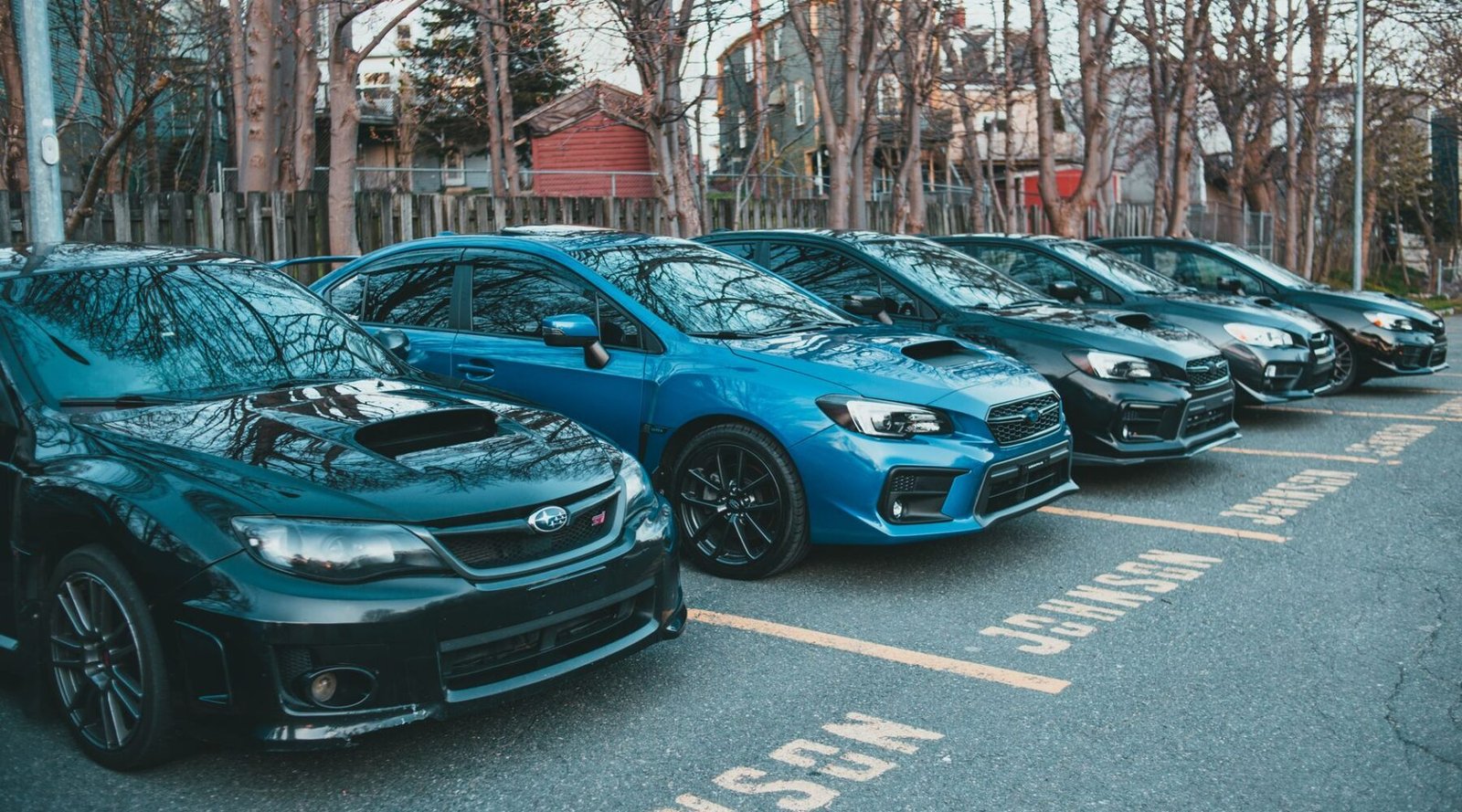
A great daily driver must satisfy a complex set of competing demands. It needs to absorb rough pavement without fatiguing the driver, manage fuel or energy consumption efficiently, offer responsive infotainment, and remain dependable over tens of thousands of miles. Achieving this balance is often harder than engineering a single-purpose track car or a dedicated heavy-duty truck, because it requires smart compromises that elevate everyday usability.
At BSC, we evaluate vehicles through the lens of real-world ownership. The ideal daily commuter should lower your stress levels, minimize operating costs, and provide a welcoming environment during peak-hour traffic. The following models represent the standard for daily transportation across key vehicle classes.
Refined Sedans for Practical Commuting
The traditional sedan remains the benchmark for aerodynamic efficiency and car-like dynamics. The current Honda Civic stands out as an exceptional baseline. In its latest generation, the Civic delivers a quiet cabin, superb suspension tuning that absorbs minor road imperfections, and an intuitive controls layout. The hybrid variant adds immediate electric torque and outstanding fuel economy, making it a complete package for city and highway driving.
For those prioritizing dynamic feel alongside utility, the Mazda 3 offers an elevated interior that punches well above its price bracket. Premium materials, well-bolstered seating, and a quiet highway ride make it a rewarding choice for drivers who value tactile engagement on their morning commute.
Drivers seeking maximum reliability and interior volume should look toward the Toyota Camry Hybrid. Toyota has refined the Camry’s chassis dynamics, eliminating the uncommunicative steering of past generations while retaining a bulletproof drivetrain. The cabin layout places physical controls within easy reach, ensuring long stretches behind the wheel remain simple and distraction-free.
Crossovers That Master Utility and Comfort
When daily routines demand elevated visibility, extra cargo capacity, or foul-weather capability, crossovers become essential. The Subaru Outback continues to excel in this role. Classified as a utility wagon, the Outback provides a plush ride quality that rivals premium European SUVs. Standard all-wheel drive delivers consistent traction in rain or snow, while the low roofline makes loading roof racks significantly easier than in tall SUVs.
In the luxury segment, the Genesis GV70 delivers exceptional value without sacrificing execution. The interior features top-tier insulation against wind and road noise, supportive seating, and intuitive driver-assistance tech. The engine delivers smooth power without aggressive shifts, keeping the driving experience calm during congested commutes.
Electric Powertrains for Seamless Routine
Electric vehicles excel in daily driving due to their silent operation, zero tailpipe emissions, and instant torque delivery. The Hyundai Ioniq 6 serves as a primary example of an EV built for practical living. Its aerodynamic shape yields excellent efficiency, while the 800-volt architecture enables ultra-fast charging when traveling beyond home range. Inside, the flat cabin floor maximizes legroom, creating an open atmosphere that reduces commuter fatigue.
blockquote>The ideal daily driver is not defined by raw track speed or aggressive styling, but by how effectively it reduces the friction of everyday travel.
Selecting the right vehicle for daily use comes down to honest self-assessment regarding your commuting habits, local infrastructure, and spatial needs. Whether choosing an efficient hybrid sedan, a rugged wagon, or a streamlined EV, prioritizing ergonomics and proven engineering ensures a stress-free ownership experience.
Integrating technology for a seamless driving experience
In today’s automotive landscape, the integration of technology has transformed daily drivers from mere modes of transport into personalized connectivity hubs. The right technological features can enhance convenience, safety, and overall driving enjoyment. For a modern daily driver, understanding these features can make all the difference in choosing a vehicle that aligns with one’s lifestyle.
One of the most significant advancements is in infotainment systems. Vehicles equipped with systems like Ford’s SYNC 4 or Tesla’s infotainment interface offer seamless connectivity to smartphones via Apple CarPlay and Android Auto. These systems allow for voice commands, enabling drivers to manage navigation, music, and calls without taking their hands off the wheel. For example, the Toyota Camry’s integration with these platforms gives drivers easy access to their favorite apps, making daily commutes less tedious and more enjoyable.
Safety technology has also become a critical factor in vehicle selection. Advanced Driver Assistance Systems (ADAS) are now commonplace in many daily drivers, featuring tools such as adaptive cruise control, lane-keeping assist, and automatic emergency braking. The Subaru EyeSight system, standard on many of its models, exemplifies this trend. It uses dual cameras to monitor traffic conditions and can even assist with steering, making it ideal for those who face heavy traffic daily.
Another noteworthy technology is the rise of connected services. These services, which include features like remote start, vehicle tracking, and maintenance reminders, enhance the ownership experience. Hyundai’s Blue Link, for instance, allows owners to control various functions remotely through a smartphone app. This capability is particularly useful for busy professionals who may need to warm up their car in winter or check on its status while at work.
Electric vehicles (EVs) represent a growing segment where technology plays an integral role. The Tesla Model 3, for example, not only offers a sustainable driving option but also features over-the-air software updates that continually improve vehicle performance and introduce new functionalities. This keeps the vehicle feeling fresh and relevant long after purchase, a significant advantage for those who value cutting-edge technology.
Moreover, the emergence of smart mobility solutions, such as ridesharing and car-sharing services, has also influenced the daily driver market. Companies like Zipcar and Turo offer flexible vehicle access that can cater to various needs without the commitment of ownership. For urban dwellers who may not require a personal vehicle every day, these services can serve as practical alternatives while still providing access to modern vehicles equipped with the latest tech.
As the automotive industry continues to evolve, staying informed about technological advancements can empower consumers to make better choices tailored to their lifestyles.
In conclusion, today’s daily drivers are more than just transportation; they are equipped with technology that enhances the driving experience across various dimensions. From sophisticated infotainment systems to robust safety features and the benefits of connected services, understanding these aspects can significantly influence the decision-making process for potential buyers. Selecting a vehicle that aligns with one’s lifestyle and embraces technological advancements can lead to a more satisfying and efficient driving experience.
Exploring alternative powertrains for daily commuting
As the automotive landscape shifts toward sustainability, the increasing availability of alternative powertrains is reshaping our choices for daily drivers. Beyond traditional gasoline engines, consumers now have an array of options including hybrids, plug-in hybrids, battery electric vehicles (BEVs), and hydrogen fuel cell vehicles (FCVs). Understanding these choices can help drivers select the most suitable vehicle for their lifestyle and commuting needs.
Hybrid vehicles, such as the Toyota Prius, have been around for decades and remain a popular choice for those seeking improved fuel efficiency without the need for frequent charging. These vehicles utilize both a gasoline engine and an electric motor, allowing for seamless transitions between power sources. For urban commuters with short daily trips, hybrids often deliver the best of both worlds: the convenience of a conventional fuel system with the benefits of electric driving.
Plug-in hybrids (PHEVs) like the Honda Clarity offer greater flexibility thanks to their larger battery capacity, allowing for all-electric driving for shorter distances. This makes them an excellent option for individuals who primarily drive within an urban environment but occasionally require the extended range of a gasoline engine for longer trips. The ability to charge at home and drive on electric power for most commutes can significantly lower fuel costs while also reducing emissions.
Battery electric vehicles (BEVs) such as the Tesla Model 3 or the Ford Mustang Mach-E are becoming increasingly mainstream, offering zero-emission options with the capability to provide robust performance. These vehicles are ideal for drivers who can access charging stations at home or work, as well as those who drive longer distances and can take advantage of the expanding network of fast-charging stations. The range of BEVs has improved significantly, with many models now capable of covering upwards of 300 miles on a single charge. This makes them viable options for both suburban and urban dwellers.
As we look toward the future, hydrogen fuel cell vehicles (FCVs), such as the Toyota Mirai, present an intriguing alternative. Although less common, they offer rapid refueling and long ranges similar to traditional gasoline vehicles. FCVs convert hydrogen gas into electricity, emitting only water vapor as a byproduct. However, the infrastructure for hydrogen refueling is limited, making them more suitable for specific markets or regions where refueling stations are available.
When evaluating which alternative powertrain best suits your lifestyle, consider the following factors:
1. **Daily commute distance**: Evaluate how far you typically drive each day. If your commute is under 30 miles, a PHEV or BEV could cover your needs without using gasoline.
2. **Access to charging**: Assess whether you have reliable access to home or workplace charging solutions, as this greatly affects the practicality of transitioning to a BEV.
3. **Driving patterns**: Analyze your driving habits. If you frequently take long road trips or drive in areas with limited charging infrastructure, a hybrid or PHEV might be more suitable.
4. **Environmental impact**: Consider your desire to reduce your carbon footprint. BEVs and FCVs typically offer the lowest emissions, especially when charged using renewable energy sources.
In conclusion, the variety of alternative powertrains available today can meet diverse needs for daily drivers. By understanding the strengths and limitations of each option, consumers can make informed decisions that align with their commuting habits, environmental priorities, and lifestyle choices.
Sustainability as a cornerstone of your daily driver choice
In today’s automotive landscape, a growing number of consumers are considering sustainability as a key factor in their daily driver choices. This shift is not merely a trend; it reflects a deeper understanding of the environmental impact of our transportation choices. As we assess various vehicles for different lifestyles, it is essential to explore how sustainable options can be integrated into our daily routines without compromising performance or comfort.
Electric vehicles (EVs) have emerged as front-runners in the sustainability conversation. Brands like Tesla, Nissan, and Hyundai have redefined expectations for range and charging efficiency, making EVs viable options for daily commuting. For instance, the Tesla Model 3 offers a range of up to 358 miles on a single charge, making it an excellent choice for urban dwellers and those with longer commutes. Furthermore, manufacturers are increasingly investing in the development of fast-charging infrastructure, which alleviates previous concerns about charging times and accessibility.
However, the conversation around sustainability extends beyond just electric vehicles. Plug-in hybrid electric vehicles (PHEVs) such as the Toyota RAV4 Prime or the Ford Escape PHEV provide an attractive alternative for those who may not be ready to go fully electric. These vehicles offer the flexibility of using both electric power for short trips and a gasoline engine for longer journeys, catering to a wider range of driving needs.
“Sustainability is not just about the vehicle itself; it’s about the entire ecosystem of transportation, including how we drive and where we source our energy.”
Another aspect to consider is the sourcing of materials and the overall lifecycle of the vehicle. Sustainable manufacturers are increasingly focused on using recycled or ethically sourced materials in their vehicle production. For example, BMW has made strides in utilizing recycled plastics in their i3 model, reflecting a commitment to reducing waste and promoting circular economy principles. Consumers should look for brands that prioritize sustainable practices, as this can significantly impact the ecological footprint of their daily driver.
Moreover, the rise of car-sharing services and public transportation options are reshaping how we think about daily driving. Services like Zipcar and Turo allow consumers to use vehicles as needed without the burden of ownership. This shift not only reduces the number of cars on the road but also encourages a more sustainable approach to transportation by optimizing vehicle usage. For urban residents, leveraging these services can often be more economical and environmentally friendly than owning a car outright.
Ultimately, your choice of daily driver should reflect a balance between personal needs and environmental responsibility. Factors such as range, charging infrastructure, and material sourcing are all crucial components of this decision-making process. As you evaluate vehicles across different lifestyles, consider how well they align with sustainable practices and your values. By prioritizing sustainability, you are not only enhancing your daily driving experience but also contributing to a larger movement towards a greener future.
Related reading: The definitive new cars to buy for real engineering and performance, and 10 upcoming cars that justify holding off on your next purchase. For an outside reference on this topic, see the EPA's official fuel economy database.