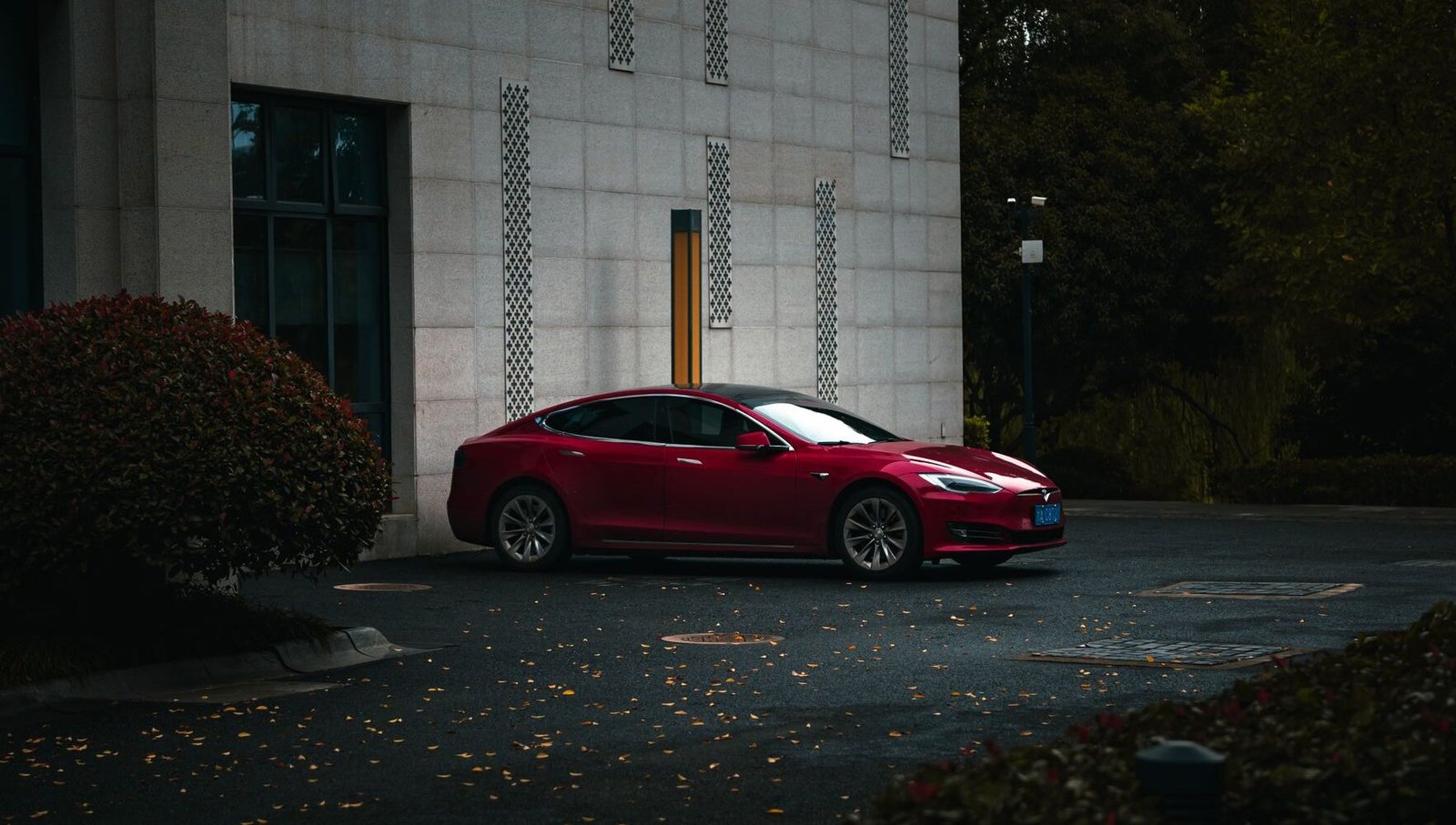
The luxury electric vehicle segment has matured beyond novelty status into a fiercely competitive arena. Established luxury automakers and ambitious technical pioneers are no longer competing merely on zero-emission credentials. Today, the metric of success depends on how seamlessly electric powertrains enhance passenger comfort, chassis dynamics, and vehicle prestige.
Performance dynamics and chassis engineering
Engineering a heavy battery electric vehicle to handle with agility requires sophisticated suspension management and precise torque vectoring. The Porsche Taycan remains a benchmark for dynamic engagement in this segment. Through precise chassis tuning, optional rear-axle steering, and an adaptive air suspension, Porsche proved that an electric sedan can deliver the tactile feedback expected of a sports car. Its two-speed transmission on the rear axle enables sustained acceleration at high speeds, a feature many competitors lack.
Simultaneously, the Lucid Air Sapphire demonstrates what is possible at the extreme edge of electric performance. Utilizing a tri-motor configuration, it delivers exceptional power density while maintaining remarkably composed body control. The Sapphire proves that extreme output does not require sacrificing low-speed drivability or long-distance ride comfort.
Range, efficiency, and charging infrastructure
Range anxiety is largely solved at the upper tier of the market, where efficiency gains come from sophisticated aerodynamics and thermal management. The Lucid Air Grand Touring leads the industry in overall efficiency, achieving an EPA-estimated range exceeding 500 miles. Lucid accomplished this through proprietary motor design, compact power electronics, and a drag coefficient of just 0.197.
Replenishment speed is as critical as total range. Architectures utilizing 800-volt electrical systems, such as those in the Porsche Taycan and Audi e-tron GT, support peak DC fast-charging rates up to 270 kW. Under ideal thermal conditions, these vehicles can charge from 10 to 80 percent in approximately 20 minutes, minimizing downtime on long road trips.
Cabin refinement and software execution
Traditional luxury standards demand silent cabins, exquisite material selection, and intuitive technology. The BMW i7 approaches this by emphasizing serene isolation. BMW integrated acoustic glass, active road noise cancellation, and an optional 31-inch rear theater screen, creating an environment that equals traditional internal-combustion executive flagships in comfort.
For ultra-luxury craftsmanship, the Rolls-Royce Spectre represents a major milestone. Built on the brand’s proprietary aluminum spaceframe, the Spectre uses electric propulsion to heighten the signature smooth ride long associated with the marque. The inherent silence of electric motors aligns naturally with Rolls-Royce design principles.
Meanwhile, the Mercedes-Benz EQS prioritizes digital integration with its available Hyperscreen interface, which spans the entire dashboard. While its aerodynamic shape divides opinion, its cabin remains exceptionally quiet, and its standard rear-wheel steering makes the large sedan remarkably maneuverable in tight urban spaces.
Modern luxury electric vehicles are no longer defined by novelty acceleration times, but by how effectively their powertrains elevate silence, space, and continuous usability.
Selecting the best luxury electric car ultimately depends on priority. Drivers seeking sports-car engagement will lean toward Porsche, while those prioritizing maximum range and efficiency will favor Lucid. For maximum comfort and traditional executive presence, BMW and Rolls-Royce set the standard. Each demonstrates that the high-end electric segment has reached full maturity.
Innovative sustainability practices in luxury electric vehicles
The luxury electric vehicle (EV) market is not just about high performance and cutting-edge technology; it is increasingly intertwining with sustainability, creating a new paradigm for eco-conscious affluent consumers. Manufacturers are recognizing that the luxury consumer is not only interested in status and performance but also in the environmental impact of their choices. This shift is prompting brands to adopt innovative sustainability practices that elevate their vehicles beyond mere transportation.
Take, for instance, the BMW iX, which is constructed with a focus on sustainable materials. The interior features high-quality textiles made from recycled plastics, while the exterior incorporates a paint process that uses less water and energy than traditional methods. This attention to sustainable production resonates with consumers who are keenly aware of their carbon footprints.
“Luxury is no longer just about opulence; it’s about responsible luxury that acknowledges our environmental responsibilities.”
Another notable example is the Mercedes-Benz EQS, which offers an impressive blend of luxury and ecological mindfulness. The EQS features a carbon-neutral production process and uses renewable energy sources, allowing the brand to offset emissions significantly. Additionally, the vehicle’s battery management system is designed for longevity, further reducing the environmental burden associated with battery disposal.
Beyond materials and production, luxury EVs are also making strides in energy efficiency. Tesla’s Model S Plaid, while known for its performance, also incorporates advanced energy recovery systems that optimize battery life and efficiency during operation. This means that consumers can enjoy a thrilling driving experience without compromising their commitment to sustainability.
Moreover, brands are increasingly focusing on creating a circular economy. Polestar, the electric performance brand from Volvo, has launched initiatives such as the Polestar 2’s Climate Impact Report, which tracks the vehicle’s environmental impact throughout its lifecycle, from raw material extraction to manufacturing, usage, and end-of-life recycling. This transparency not only builds consumer trust but also sets a benchmark for accountability in the luxury sector.
“The future of luxury EVs is one where environmental impact is as important as performance and aesthetics.”
Luxury brands are also leveraging technology to enhance their sustainability efforts. The Audi e-tron GT, for example, integrates sophisticated software that allows owners to monitor their energy consumption in real-time. This feature not only helps users make more eco-friendly choices but also positions the vehicle as a smart choice for the tech-savvy luxury consumer.
In conclusion, the intersection of luxury electric vehicles and sustainability is reshaping consumer expectations. The modern luxury buyer is looking for more than just a high-end experience; they seek products that align with their values. As luxury EVs continue to evolve, manufacturers that prioritize sustainable practices will likely gain a competitive edge in the high-end market. The future of luxury is not just electric; it is responsibly electric, and it is this commitment to sustainability that defines the leading luxury electric cars of today.
Technology and sustainability: the dual pillars of luxury EVs
As luxury automakers accelerate their transition to electric vehicles (EVs), technology and sustainability have emerged as the dual pillars defining the high-end market. This shift is not merely a response to consumer demand for greener options; it signals a profound transformation in how luxury is perceived in the automotive world. Through advancements in battery technology and sustainable manufacturing processes, luxury EVs are setting a new benchmark for performance, environmental responsibility, and brand prestige.
Battery technology has seen remarkable advancements over the last few years, leading to increased range and efficiency. For instance, the Lucid Air, a notable contender in the luxury EV market, boasts a range of over 500 miles on a single charge, a feat largely due to its cutting-edge 113 kWh battery pack. This technological prowess not only enhances the driving experience but also positions Lucid as a leader in the luxury electric segment.
Moreover, luxury EV manufacturers are not just focusing on performance metrics; they are also prioritizing sustainability in their production processes. Brands like Tesla, with its Gigafactories, are pioneering methods to produce batteries at scale while minimizing environmental impact. These facilities aim to achieve zero waste and utilize renewable energy sources, which resonates with the growing consumer base that values eco-friendly practices.
“Sustainability in luxury isn’t just a trend; it’s becoming a fundamental expectation among consumers. Brands that fail to adapt may find themselves left behind.”
Additionally, the integration of smart technology has redefined the user experience in luxury EVs. Features like over-the-air software updates, AI-driven personal assistants, and advanced driver-assistance systems (ADAS) are becoming standard. The Mercedes-Benz EQS, for instance, offers an immersive MBUX Hyperscreen that spans the entire dashboard, providing an intuitive interface for drivers and passengers alike. This level of integration not only enhances convenience but also aligns with the luxury ethos of providing unparalleled comfort and cutting-edge technology.
The focus on sustainability also extends to the materials used in luxury EVs. Brands are increasingly opting for vegan leather, recycled materials, and sustainably sourced wood and metals. The BMW iX, for example, utilizes a high proportion of recycled materials in its interior design, showcasing a commitment to both luxury and environmental stewardship. This shift reflects a broader trend in which luxury consumers are seeking products that align with their values, making sustainability a key differentiator in the high-end market.
In conclusion, as luxury electric vehicles continue to evolve, the emphasis on advanced technology and sustainable practices will play a crucial role in shaping the future of the high-end market. Brands that successfully integrate these elements will not only meet the expectations of today’s discerning consumers but also set the stage for the next generation of luxury automotive experiences. The intersection of luxury, technology, and sustainability is not just a trend but a defining characteristic of the high-end electric vehicle landscape.
Exploring the impact of connectivity and autonomous technology
As luxury electric vehicles (EVs) continue to evolve, manufacturers are increasingly integrating advanced connectivity and autonomous features that not only enhance the driving experience but also redefine the luxury market itself. This shift is reshaping consumer expectations and creating a new paradigm for high-end automotive offerings.
Take, for instance, Mercedes-Benz’s EQS sedan, which exemplifies this trend. The EQS is not just a luxurious EV; it is equipped with the brand’s cutting-edge MBUX Hyperscreen, a colossal touchscreen that spans the entire width of the dashboard. This technology not only provides an intuitive interface for navigation, entertainment, and vehicle settings, but it also employs artificial intelligence to learn user preferences over time, creating a personalized driving experience that is unparalleled in the luxury segment.
Additionally, the EQS features advanced driver assistance systems (ADAS) that push the boundaries of autonomous driving capabilities. With Level 3 autonomy, the vehicle can handle certain driving tasks without human intervention, allowing drivers to engage in more leisurely pursuits during their commutes. This capability positions the EQS not just as a mode of transport but as a mobile workspace or relaxation space, setting a new standard for what luxury means in an electric vehicle.
“The integration of autonomous technology is no longer just about safety; it is about redefining the luxury experience itself.” – Automotive Technology Analyst
Then there’s Tesla, which has long been at the forefront of the EV revolution. The Model S Plaid offers not just blistering performance but also features like Full Self-Driving (FSD) capability, which aims to provide a fully autonomous experience. Though still in beta, FSD showcases Tesla’s commitment to innovation and its potential to alter consumer perceptions of luxury. The ability to summon a vehicle or navigate complex urban environments with minimal driver input transforms the driving experience into something more akin to a personal assistant rather than just a means of transportation.
Moreover, the luxury EV market is increasingly becoming a platform for tech integration. Brands like Audi and BMW are investing heavily in vehicle-to-everything (V2X) technology that enables cars to communicate with infrastructure, other vehicles, and even pedestrians. This capability not only enhances safety but also provides a seamless integration of urban mobility. The Audi e-tron GT, for example, is designed to leverage this technology, allowing for smarter navigation and real-time traffic updates that can adjust routes based on current conditions.
Another significant player in this arena is Lucid Motors, whose Lucid Air has garnered attention not only for its luxury appointments but also for its superior range and performance. The Lucid Air’s extensive use of software updates means that features can be added or improved over time, ensuring that owners have access to the latest advancements without needing to purchase a new vehicle. This approach to vehicle ownership reflects a shift in how luxury consumers value technology as part of their overall experience.
In conclusion, the integration of connectivity and autonomous features in luxury electric vehicles is not just a trend; it is a fundamental shift that is redefining what luxury means in the automotive world. As these technologies continue to evolve, they will play a critical role in determining which brands lead the market and how consumers perceive value in their high-end automotive investments.
Related reading: The premier electric vehicles engineered for cross-country highway travel, and Range Anxiety Is Mostly a Math Problem. For an outside reference on this topic, see the Department of Energy's home charging guide.



1 Response