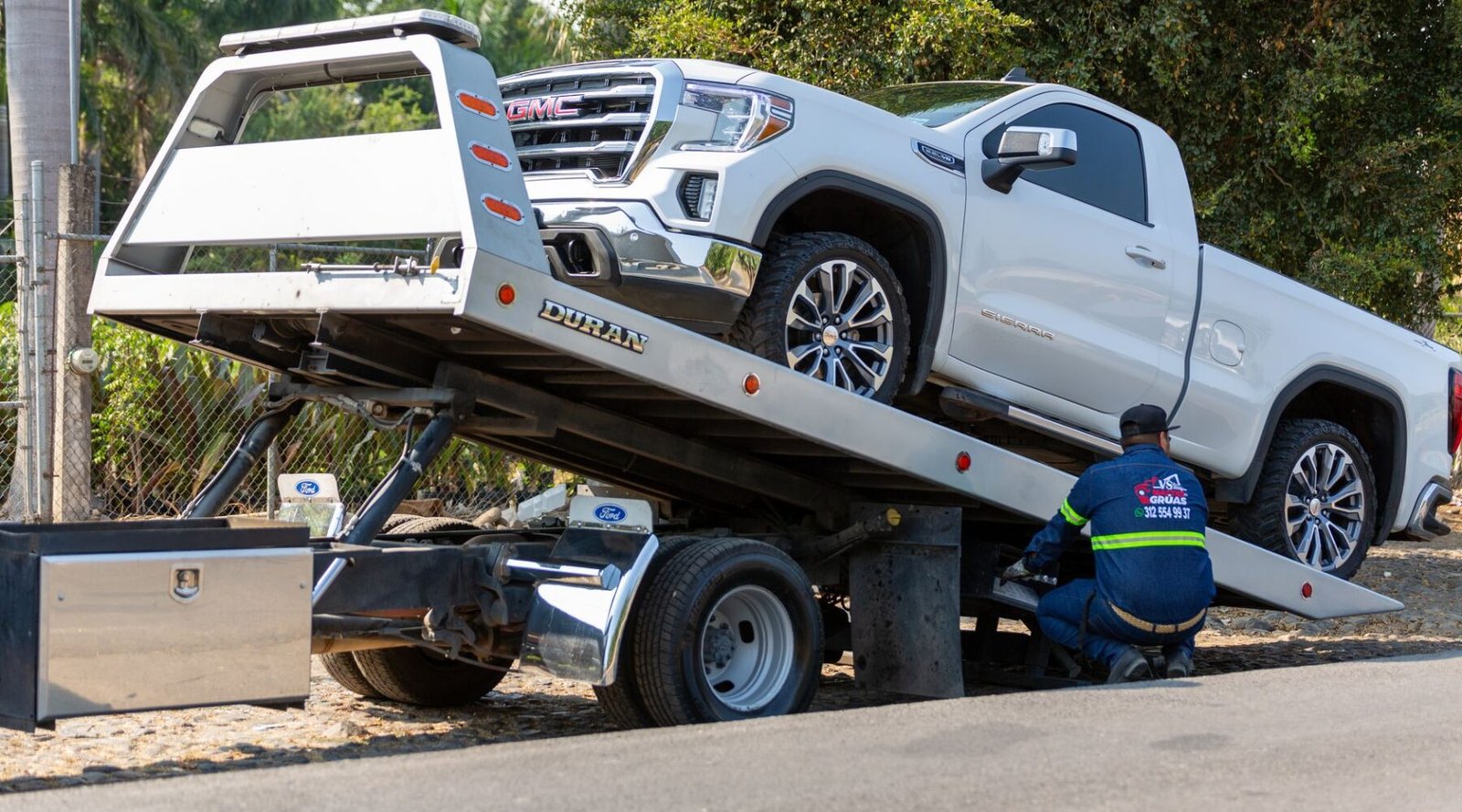
Towing capacity defines the fundamental utility of a pickup truck. While vehicle manufacturers frequently promote peak figures in marketing campaigns, real-world towing performance relies on chassis stability, cooling integration, transmission calibration, and low-end torque availability. Choosing the right vehicle requires matching gross combined weight ratings with load frequencies and weight classes. This analysis breaks down the strongest towing platforms currently available across midsize, light-duty, and heavy-duty segments.
Midsize trucks built for moderate loads
For drivers hauling travel trailers, boats, or light utility equipment, the midsize segment offers genuine capability without the cumbersome footprint of a full-size vehicle. The Chevrolet Colorado and GMC Canyon currently lead this class with a maximum tow rating of 7,700 pounds when equipped with the turbocharged 2.7-liter inline-four engine. This powertrain delivers 430 pound-feet of torque at low engine speeds, providing predictable acceleration under load.
The Jeep Gladiator matches that 7,700-pound maximum rating in specific trim configurations equipped with the Max Tow Package. Its rigid rear axle design aids stability under high tongue weights. Meanwhile, the Ford Ranger maintains a competitive maximum towing capacity of 7,500 pounds across its lineup. When towing near the upper boundary of the midsize class, selecting a factory integrated trailer brake controller and utilizing weight-distribution hitches remains essential to preserve steering control.
Half-ton leaders balancing power and daily utility
Full-size half-ton trucks represent the optimal balance for the majority of non-commercial towing applications. The Ford F-150 holds the peak towing rating in this category, reaching 13,500 pounds when optioned with the 3.5-liter EcoBoost V6 engine and the Max Trailer Tow Package. Twin turbochargers generate 500 pound-feet of torque, ensuring sustained power through high elevations where naturally aspirated engines lose efficiency.
Chevrolet Silverado 1500 and GMC Sierra 1500 configurations equipped with the 3.0-liter Duramax inline-six turbo-diesel offer an impressive 13,300-pound tow rating. The Duramax engine excels in thermal management and fuel efficiency, making it an exceptional choice for long-distance trailering. The Ram 1500, while topping out at 12,750 pounds with its V8 and inline-six engine options, provides superior ride stability due to its progressive coil-spring or optional air-suspension setups.
Heavy-duty giants for maximum capacity
When trailering requirements exceed 15,000 pounds, heavy-duty three-quarter-ton and one-ton pickups become mandatory. These platforms feature reinforced boxed frames, solid drive axles, enlarged cooling stacks, and high-output turbodiesel engines built for sustained work under severe thermal loads.
The Ford F-350 and F-450 Super Duty lead the heavy-duty sector with a maximum gooseneck towing capacity of up to 40,000 pounds when specified with the 6.7-liter High-Output Power Stroke V8 diesel engine. This engine produces 500 horsepower and 1,200 pound-feet of torque. Ram 3500 trucks equipped with the 6.7-liter High Output Cummins inline-six diesel follow closely, offering up to 37,090 pounds of towing capacity and 1,075 pound-feet of torque. Chevrolet Silverado 3500 HD and GMC Sierra 3500 HD models featuring the 6.6-liter Duramax V8 round out the heavy-duty elite with a maximum gooseneck rating of 36,000 pounds.
Matching trailer weight to the proper payload and axle ratings is crucial. Always verify gross combined weight ratings before selecting a tow vehicle.
Selecting the best towing pickup requires looking beyond peak brochure numbers. Payload capacity, rear axle ratios, gross vehicle weight ratings, and hitch architecture dictate legal and safe trailering limits. Aligning your routine cargo demands with the correct vehicle class guarantees long-term mechanical reliability and road safety.
Advanced towing technologies enhancing performance
As towing demands evolve, manufacturers are integrating advanced technologies into their pickup trucks to enhance performance and safety. These systems not only facilitate easier towing but also improve overall efficiency and stability, making them essential for modern truck owners.
One standout technology is the use of integrated trailer brake controls. For example, the Ford F-150 offers an advanced system that synchronizes the truck’s brakes with the trailer’s, allowing for smoother stops and better control. This feature is particularly invaluable when navigating steep grades or heavy traffic, where precise braking is crucial to avoid potential accidents.
Another innovation is the use of adaptive cruise control systems that adjust speed based on the trailer’s weight. The Chevrolet Silverado, for instance, uses a system that can detect when a trailer is attached and adapt the throttle and braking to maintain a safe following distance. This alleviates the stress of constant speed adjustments when towing, especially on long highway trips.
Moreover, rearview cameras and trailer guidance systems have transformed the way drivers hook up and maneuver their trailers. The Ram 1500, equipped with the available Trailer Reverse Steering Control, allows the driver to use a dial to steer the trailer while the system automatically adjusts the truck’s steering angle. This makes backing up with a trailer a significantly less daunting task, especially for those who may not have a lot of towing experience.
Towing capacity is not just about brute strength; it’s also about harnessing technology to maximize that strength. Take the Toyota Tundra, for example. Its TOW/HAUL mode optimizes engine performance when towing heavy loads by modifying the transmission’s shift points. This increases the truck’s efficiency and reduces the risk of overheating during demanding towing situations.
In addition, the latest pickup trucks are increasingly equipped with various driver-assistance features that enhance towing safety. Lane-keeping assist and blind-spot monitoring systems are becoming standard, helping drivers remain aware of their surroundings. The Nissan Titan, for example, includes a blind-spot monitoring system that extends to the trailer, providing peace of mind when changing lanes while towing.
“The integration of these advanced technologies into pickup trucks signifies a pivotal shift in towing capabilities, allowing trucks not only to tow heavier loads but to do so with greater safety and efficiency.”
Furthermore, manufacturers are also focusing on weight distribution and load leveling technologies. The GMC Sierra features an available adaptive air suspension system that can automatically adjust to the weight of the load, providing improved ride quality and stability. This ensures that both the truck and trailer remain level, enhancing handling and reducing wear on components.
As consumer demands for towing capability continue to rise, manufacturers are likely to keep pushing the envelope on these advanced technologies. Potential buyers should consider not just the towing capacity of a pickup truck but also the technological features that can enhance their towing experience. Ultimately, the trucks that integrate these innovations will not only perform better but also provide a safer and more enjoyable towing experience.
Innovative towing technologies enhance capability and safety
As pickup trucks evolve, manufacturers are increasingly integrating advanced towing technologies that not only improve capability but also enhance safety and user experience. These innovations are crucial for both seasoned haulers and newcomers to towing, providing added confidence and efficiency on the road.
One notable technology is the use of integrated trailer brake controls. Systems like Ford’s Pro Trailer Backup Assist allow drivers to reverse a trailer with precision simply by turning a knob. This feature eliminates the guesswork often associated with traditional methods of backing up trailers, which can be particularly challenging for those less experienced with towing. The system takes over steering, allowing the driver to focus solely on the vehicle’s direction.
Another significant advancement is the implementation of trailer sway control. Many modern trucks, including the Chevrolet Silverado and Ram 1500, come equipped with systems that monitor the trailer’s movements and apply the brakes to individual wheels when necessary. This proactive approach to sway management greatly enhances safety, especially when navigating crosswinds or uneven terrain.
Furthermore, advancements in camera technology have revolutionized how drivers interact with their trailers. The Toyota Tundra offers a panoramic view monitor that displays a 360-degree view around the vehicle, enabling a clearer perspective while hitching and maneuvering. This technology is particularly valuable when towing larger trailers, which can obscure the driver’s view. The Nissan Titan takes it a step further with its Intelligent Around View Monitor, providing a split-screen view that helps track the trailer’s position relative to the truck.
“The integration of smart technologies not only makes towing easier but also safer, allowing drivers to focus on the road ahead rather than worrying about their trailer’s behavior.”
Moreover, modern trucks are increasingly equipped with towing apps that sync with the vehicle’s onboard computer. For instance, the Ford F-150 offers the FordPass app, which allows users to monitor their trailer’s tire pressure and load weight remotely. This feature ensures that the trailer is within safe limits before hitting the road, thereby reducing the risk of accidents caused by improper loading.
In addition to these advancements, the development of adaptive cruise control tailored for towing is a game changer. Systems like GMC’s Adaptive Cruise Control with Trailer Brake Assist adjust the vehicle’s speed when towing, maintaining a safe distance from other vehicles. This technology can reduce driver fatigue on long hauls and help maintain a steady speed on hilly terrain.
Finally, the importance of proper weight distribution can’t be overstated. Many manufacturers now offer factory-installed weight distribution hitches, which help to evenly distribute the load across the truck and trailer axles. This feature not only improves handling but also reduces wear and tear on the vehicle and enhances fuel efficiency during towing.
As the landscape of towing technology continues to evolve, these innovations highlight the importance of safety, efficiency, and ease of use. Truck buyers should consider not just the towing capacity but also the technologies that enhance the towing experience when selecting their next pickup.
Exploring advanced towing technologies
The landscape of towing capabilities in pickup trucks has evolved significantly, not just in raw power but also through the integration of advanced technologies that enhance safety and efficiency. These innovations are particularly valuable in ensuring that even novice truck owners can tow heavy loads with confidence.
One of the most notable advancements is the introduction of integrated towing systems. For instance, the Ford F-150 offers a Pro Trailer Backup Assist feature that allows drivers to control the direction of the trailer with a simple knob. This system utilizes cameras and sensors to provide real-time feedback, helping drivers maneuver their trailers with precision. Similar features can be found in the Ram 1500 with its Trailer Reverse Steering Control, enabling a more intuitive towing experience.
Moreover, the latest models are equipped with advanced camera systems that provide a panoramic view of the towing environment. The Chevrolet Silverado, for example, offers up to 15 different camera views, including a transparent trailer view that gives drivers a virtual look through the trailer. This capability is invaluable in tight spots, allowing for safer lane changes and parking scenarios.
Another key technological advancement involves the integration of trailer sway control and load leveling systems. The Toyota Tundra, for instance, comes with an integrated trailer brake controller and a towing package that not only enhances stability but also optimizes braking performance during heavy towing. This level of control can significantly reduce the risk of accidents, particularly when navigating hilly terrain or strong crosswinds.
In addition to safety features, manufacturers are also focusing on improving the overall towing experience through connectivity. The GMC Sierra 1500 includes a trailer profile feature that allows users to store multiple trailer setups in the vehicle’s infotainment system. This feature saves time and hassle, particularly for those who frequently switch between different trailers.
Fuel efficiency is another critical area where technology plays a role. Many new models utilize turbocharged engines and hybrid technology, which deliver power without sacrificing fuel economy. The Ford F-150 PowerBoost Hybrid, for example, combines a twin-turbo V6 with an electric motor to provide robust towing capacity while also improving fuel efficiency. This is particularly beneficial for long-distance towing, where fuel costs can add up quickly.
“The integration of technology in towing capabilities is not just about enhancing performance; it’s about making towing safer and more accessible for everyone.”
Lastly, it’s essential to consider the role of user-friendly interfaces in modern pickups. Many manufacturers are now offering mobile apps that allow owners to monitor their towing performance from their smartphones. The Toyota Tundra app, for instance, provides real-time information on trailer weight, load distribution, and even tire pressure, ensuring that drivers can make informed decisions before hitting the road.
In summary, the most capable pickup trucks for towing are not solely defined by their engine power or payload capacity. The integration of advanced towing technologies, safety features, and connectivity options plays a crucial role in enhancing the towing experience. As these innovations continue to evolve, they will undoubtedly make towing more accessible and safer for truck enthusiasts and casual users alike.
Related reading: The best SUVs for severe snow and winter driving, and The high-capacity SUVs leading their classes in cargo volume. For an outside reference on this topic, see Consumer Reports' car-buying advice.



2 Responses