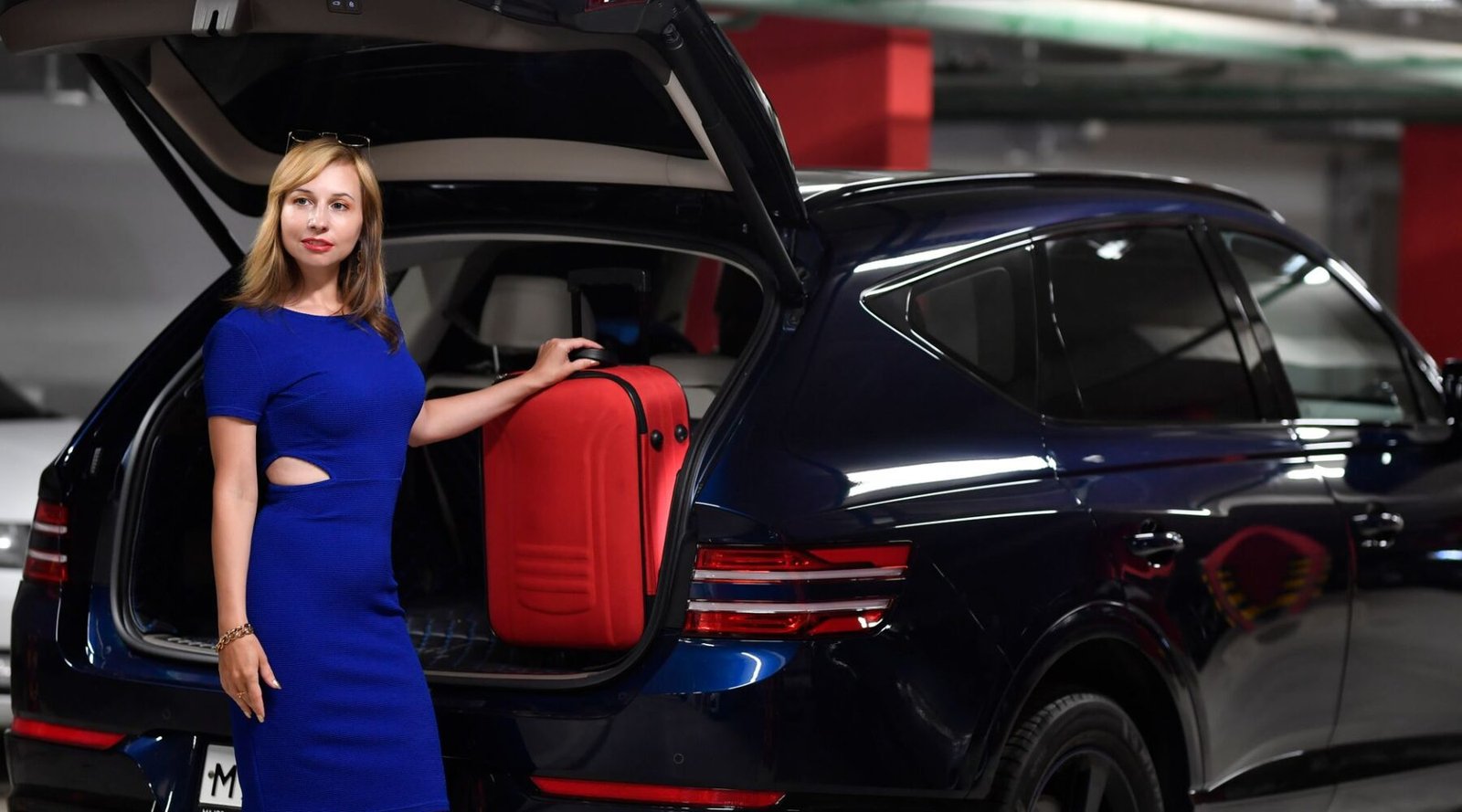
Buyers routinely migrate to crossovers under the assumption that utility requires a raised ride height and a tall tailgate. That assumption ignores basic vehicle packaging efficiency. Traditional sedans, sleek liftbacks, and long-roof wagons frequently match or exceed the cargo dimensions of compact crossovers while maintaining lower centers of gravity, superior highway fuel economy, and refined cabin acoustics.
Measuring cargo capacity accurately requires evaluating usable floor space, lip height, and enclosure shape rather than relying strictly on nominal volume numbers. The following production models represent the benchmark for trunk capacity across distinct automotive segments.
The midsize sedan benchmark: Honda Accord
The Honda Accord has long set the structural standard for passenger and luggage packaging in the midsize sedan class. The current generation provides 16.7 cubic feet of dedicated trunk space. This figure eclipses many full-size executive sedans while delivering a wide aperture and a flat load floor.
The Honda Accord provides 16.7 cubic feet of enclosed trunk volume, outpacing its direct competitors and matching several larger luxury sedans.
The layout benefits from deeply recessed side pockets behind the wheel arches, allowing longer items like golf bags or camera tripods to sit transversely without encroaching on main luggage space. Standard 60/40-split folding rear seatbacks allow extended cargo to pass directly into the cabin without a restrictive bulkhead barrier.
The liftback architectural advantage: Tesla Model S and Audi A7
A conventional trunk lid limits access to the total interior volume behind the rear seats. Fastback designs that incorporate a top-hinged liftback solve this limitation without altering the sleek profile of a premium four-door car.
The Tesla Model S demonstrates the maximum potential of electric vehicle packaging. By eliminating the internal combustion engine and utilizing a dedicated skateboard platform, the Model S offers 28 cubic feet of rear cargo volume behind the second row. Access is broad and unobstructed. When combined with the 3.1 cubic-foot front trunk, total enclosed storage reaches 31.1 cubic feet. That surpasses numerous midsize crossovers.
For drivers preferring internal combustion power, the Audi A7 Sportback utilizes a similar silhouette to achieve 24.9 cubic feet of cargo room behind the rear seats. The wide hatchback tailgate lifts completely out of the way, allowing bulky boxes to drop directly onto the carpeted floor without maneuvering around a narrow trunk rim.
Maximum long-roof utility: Mercedes-Benz E-Class Wagon
For pure cargo capacity without the high rollover risk or blunt frontal area of an SUV, the station wagon remains unmatched. The Mercedes-Benz E-Class Wagon represents the pinnacle of modern long-roof architecture.
With 35 cubic feet of cargo capacity behind the second row, the Mercedes-Benz E-Class Wagon outhauls compact and midsize crossovers.
With the rear seats in their upright position, the E-Class Wagon delivers 35 cubic feet of space below the window line. Fold the rear seats flat, and total volume expands to 64 cubic feet. The load floor is exceptionally low to the ground, which reduces lifting strain when loading heavy equipment or luggage. Integrated cargo nets, tie-down points, and an automatic tonneau cover come standard, making it one of the most versatile haulers on the market.
Selecting the right cargo layout
Maximum cubic feet numbers do not tell the complete story. Enclosed sedan trunks, such as the one in the Honda Accord, keep valuable gear entirely concealed from public view and isolated from cabin noise. Liftbacks provide the vertical clearance necessary for taller items, blending aesthetic elegance with practical loading ability. Wagons offer maximum floor area and total volumetric capability.
Before prioritizing a tall riding position, evaluate these low-slung alternatives. They prove that exceptional utility and precise driving dynamics are not mutually exclusive.
Innovative storage solutions in trunk design
As consumers increasingly prioritize versatility alongside sheer trunk volume, automakers are responding with innovative storage solutions that maximize the utility of trunk space. Beyond just the cubic feet available, features like adjustable configurations, modular designs, and integrated storage compartments are becoming essential for modern production vehicles.
Take, for instance, the Honda CR-V. While it boasts a commendable 39.2 cubic feet of cargo space behind the rear seats, its true strength lies in its thoughtful design. The CR-V offers a dual-level cargo floor that allows drivers to customize the trunk layout based on their needs. This means that users can create a flat loading floor for larger items or hide smaller valuables in a lower compartment, enhancing both utility and security.
Similarly, the Ford Explorer has made strides in trunk usability. With a standard capacity of 18.2 cubic feet behind the third row, its unique PowerFold seating allows for easy adjustments. A simple push of a button can fold the rear seats flat, expanding storage to a remarkable 87.8 cubic feet. This seamless integration of technology and design is particularly appealing for families or anyone who regularly transports bulky items.
“The focus on trunk usability has shifted from merely providing space to creating adaptable environments that cater to diverse lifestyles.”
Another noteworthy example is the Subaru Outback, which cleverly employs its roof rails and crossbar system to support an active lifestyle. With a trunk space of 32.5 cubic feet, it also features a built-in cargo cover and a low load floor, making it easier to load and unload heavy items. The Outback’s versatile roof rack system allows for additional cargo to be secured above, further extending its capacity for outdoor gear, luggage, or even bicycles.
Luxury vehicles are not exempt from this trend. The BMW X5 offers 33.9 cubic feet of cargo space, but its innovative storage features set it apart. The X5 includes a split-folding rear seat that allows for various configurations, as well as hidden compartments that can accommodate smaller items or keep valuables out of sight. This thoughtful design caters to the discerning driver who values both luxury and practicality.
Some brands are even incorporating smart technology into their trunk designs. The Tesla Model Y, for instance, not only offers an impressive 68 cubic feet of cargo space but also features a front trunk (frunk) that provides additional storage for smaller items. The Model Y’s rear seats can be folded flat with an app or via a button in the trunk, showcasing the blend of convenience and capacity that consumers are increasingly seeking.
As we move forward, the trend toward maximizing trunk space through innovative design will likely continue. Automakers are recognizing that offering more than just volume is essential in a competitive market. Features that enhance usability, security, and adaptability are becoming standard expectations for those in the market for a vehicle with significant trunk space. This evolving landscape reflects a broader shift in consumer preferences—one that values practicality without sacrificing style or performance.
Maximizing trunk space: Innovative features and design considerations
While the sheer volume of trunk space is a critical factor for many buyers, how that space is utilized can significantly enhance its practicality. Many manufacturers are now embracing innovative design features that not only increase volume but also improve accessibility and usability of trunk space.
One notable example is the Volkswagen ID.4, an all-electric SUV that combines eco-friendliness with functionality. The ID.4 offers up to 30.3 cubic feet of cargo space behind the rear seats, which expands to 64.2 cubic feet with the seats folded down. What sets it apart is the flat loading floor and wide opening, making it easier to load oversized items. Additionally, clever underfloor storage compartments provide an extra layer of utility without compromising space.
Similarly, the Honda CR-V has long been a favorite in the compact SUV segment, not just for its trunk capacity of 39.2 cubic feet (75.8 cubic feet with seats down), but also for its versatile Magic Seat feature. This allows the rear seats to fold in multiple configurations, enabling users to maximize cargo space for various shapes and sizes of items. The CR-V also features a low cargo floor height, making it easier for users to lift heavy items in and out.
“Maximizing trunk space is not just about volume; it’s about making the space functional and accessible.”
For those who frequently transport larger items, the Ford Expedition is worth mentioning. With up to 20.9 cubic feet behind the third row and 63.6 cubic feet when the third row is folded, it may not lead in raw numbers among SUVs, but its unique cargo management system includes tie-down points and a flexible cargo organizer that can adapt to various needs. The Expedition’s design allows for the maximum use of vertical space, making it easier to stack items securely.
In the realm of sedans, the Tesla Model S offers a surprising amount of trunk space, boasting 28 cubic feet when considering both front and rear trunks. The Model S incorporates a hatchback design that enhances accessibility compared to the traditional sedan trunk, allowing users to load larger items more conveniently. The absence of an internal combustion engine allows for optimized space utilization in the front trunk (frunk), which is an innovative feature in electric vehicles.
Moreover, some manufacturers are beginning to incorporate smart technology to enhance trunk functionality. The BMW 5 Series, for instance, features a powered trunk with gesture control, allowing users to open the trunk hands-free by simply waving their foot under the rear bumper. This feature is particularly helpful when your hands are full, ensuring effortless access to the trunk.
Finally, brands like Subaru have integrated their outdoor lifestyle ethos into trunk design. The Subaru Outback, with its 32.5 cubic feet of cargo space and rugged interior materials, is designed for versatility. It includes features like an integrated roof rack and all-weather floor mats, appealing to adventure seekers who require reliable cargo solutions.
As consumers increasingly prioritize practicality along with trunk capacity, manufacturers are rising to the challenge by not only maximizing space but also enhancing functionality through design innovation and smart technology. The evolution of trunk space in modern vehicles reflects a growing understanding of consumer needs, resulting in a more user-friendly and adaptable automotive landscape.
Practical considerations for maximizing trunk space
When evaluating vehicles with the largest trunk space, it is essential to consider not only the sheer volume but also the practicalities of how that space can be utilized. The dimensions and layout of the trunk can significantly impact its usability, making it crucial for potential buyers to look beyond just the cubic footage.
For instance, vehicles like the Honda Accord and the Toyota Camry boast impressive trunk capacities, but their designs also facilitate ease of loading and unloading. The trunk opening’s shape, depth, and height play vital roles in determining how easily one can fit bulky items such as strollers, luggage, or sports gear. The Accord, with its wide opening and flat loading floor, allows for easier access and manipulation of larger objects, making it a favored choice among families.
“It’s not just about how much space you have, but how efficiently you can use it.”
Another critical aspect is the presence of features that enhance the trunk’s functionality. Many modern cars incorporate adjustable cargo floors, split-folding rear seats, and additional storage compartments to maximize the utility of trunk space. For example, the Subaru Outback offers a versatile cargo area with a low load floor and a standard roof rail system, enabling owners to transport larger items securely. Its rear seats can also fold flat, opening up a significant amount of space for outdoor gear or large boxes.
Moreover, the choice of materials and finishes can affect how easily the trunk can be cleaned and maintained. Some vehicles, like the BMW 5 Series and the Audi A6, provide lined trunks that resist scratches and are easy to wipe down, making them ideal for those who frequently transport messy items. Conversely, hard plastic surfaces can be more durable but may not offer the same level of ease in upkeep.
Additionally, consider the impact of hybrid and electric vehicles on trunk space. While many traditional sedans and SUVs prioritize trunk volume, hybrids and EVs often have to accommodate batteries that encroach on available cargo areas. The Tesla Model Y, for instance, cleverly utilizes its underfloor space to provide both a front trunk (frunk) and a rear cargo area, offering a total of 68 cubic feet of storage when the rear seats are folded down. This innovative design highlights how electric vehicles can still deliver ample storage without compromising on space.
Lastly, think about how the trunk space aligns with your lifestyle needs. For instance, urban dwellers may prioritize compact vehicles that offer impressive trunk space for city driving, while those who frequently embark on road trips might lean toward larger SUVs with flexible seating configurations and ample cargo room for family adventures. Cars like the Kia Telluride and the Ford Expedition not only deliver generous trunk space but also provide additional seating, making them versatile options for larger families.
“Understanding your usage patterns is key to choosing the right vehicle with suitable trunk space.”
In summary, while the size of the trunk is a significant factor, buyers should also consider how the design, features, and overall functionality align with their specific needs. Evaluating these aspects can lead to a more satisfying ownership experience and greater utility in everyday life.
Related reading: Long-Term Update: 40,000 Miles in a Compact Hatchback, and 10 upcoming cars that justify holding off on your next purchase. For an outside reference on this topic, see the EPA's official fuel economy database.



1 Response