The axle bearing plays a pivotal role in the automotive world, functioning as a vital component in the suspension and drivetrain systems. These bearings support the axle and allow for smooth rotation of the wheels, contributing significantly to vehicle stability and performance. Understanding the mechanics behind axle bearings is essential for both vehicle owners and enthusiasts alike.
Key takeaways
- Axle bearings are critical for smooth wheel rotation and vehicle stability.
- Regular maintenance of axle bearings can prevent costly repairs.
- Signs of axle bearing failure include unusual noises and vibrations.
- Replacing axle bearings requires precision and the right tools.
- Understanding different types of axle bearings can aid in vehicle performance.
What are axle bearings?
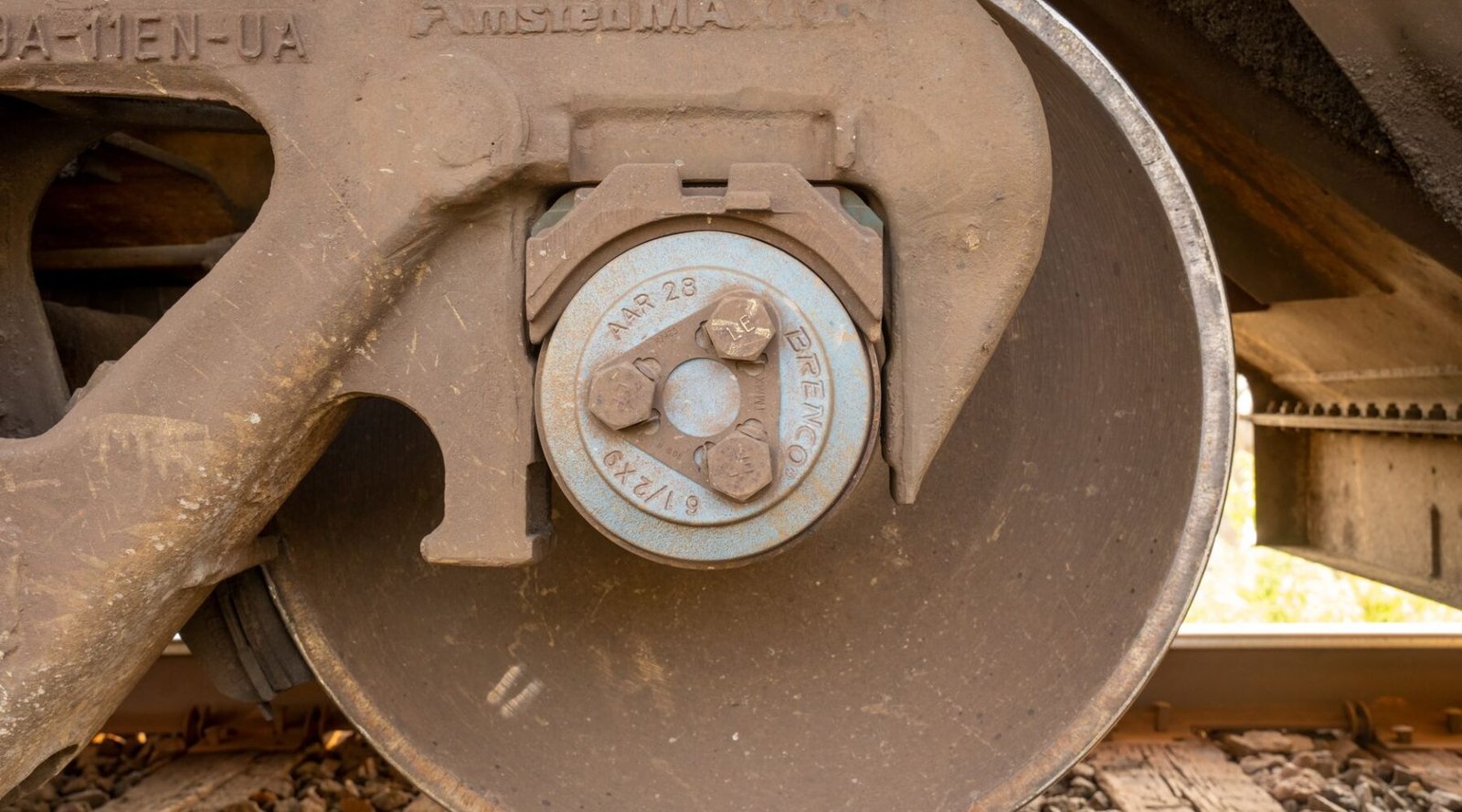
Axle bearings are precision-engineered components that facilitate the rotation of the wheels while supporting the weight of the vehicle. They are typically located within the wheel hub and connect to the axle shaft. In vehicles, there are two main types of axle bearings: ball bearings and roller bearings. Ball bearings use spherical balls to reduce friction, while roller bearings employ cylindrical rollers for increased load-bearing capacity.
The importance of axle bearings in vehicle performance
Axle bearings are crucial for the overall performance of a vehicle. They help to maintain proper alignment of the wheels, which is essential for handling and control. When axle bearings are functioning correctly, they provide smooth operation, reduce friction, and improve fuel efficiency. Conversely, worn or damaged axle bearings can lead to misalignment, causing uneven tire wear and potentially compromising safety.
Common types of axle bearings
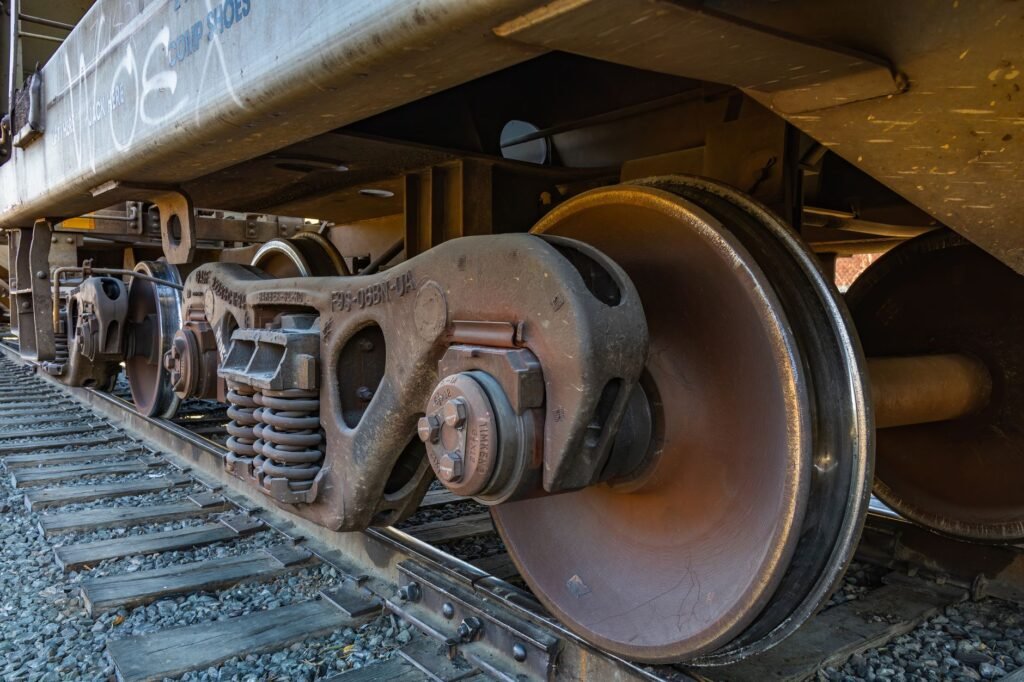
There are several types of axle bearings used in vehicles, each designed with specific applications in mind. The most common types include:
- Ball Bearings: These are typically found in light-duty applications and are known for their versatility and ability to handle radial and axial loads.
- Roller Bearings: These bearings are used in heavier applications where higher load capacities are required, making them suitable for trucks and SUVs.
- Angular Contact Bearings: These bearings are designed to handle both radial and axial loads and are commonly used in performance vehicles where precise handling is necessary.
Signs of axle bearing failure
Recognizing the signs of axle bearing failure can save you from more extensive and costly repairs. Common indicators include:
- Noise: A grinding, whining, or clicking sound can signal that the bearings are worn or damaged.
- Vibration: Excessive vibration while driving, particularly at certain speeds, may indicate a failing axle bearing.
- Tire Wear: Uneven tire wear patterns can result from poor alignment due to failing axle bearings.
How to maintain axle bearings
Regular maintenance is key to prolonging the life of axle bearings. Here are some important maintenance tips:
- Regular Inspections: Periodically check axle bearings for signs of wear, such as play or roughness when rotated.
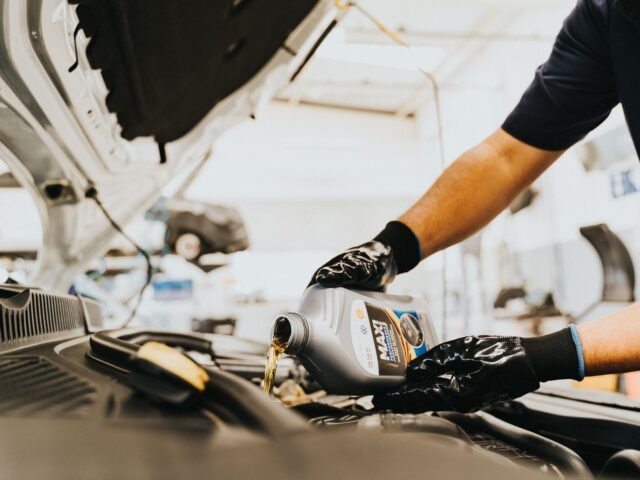
- Lubrication: Ensure bearings are properly lubricated according to the manufacturer’s specifications to minimize friction and wear.
- Seals and Dust Covers: Inspect seals and dust covers for damage, as they protect bearings from dirt and moisture, which can lead to premature failure.
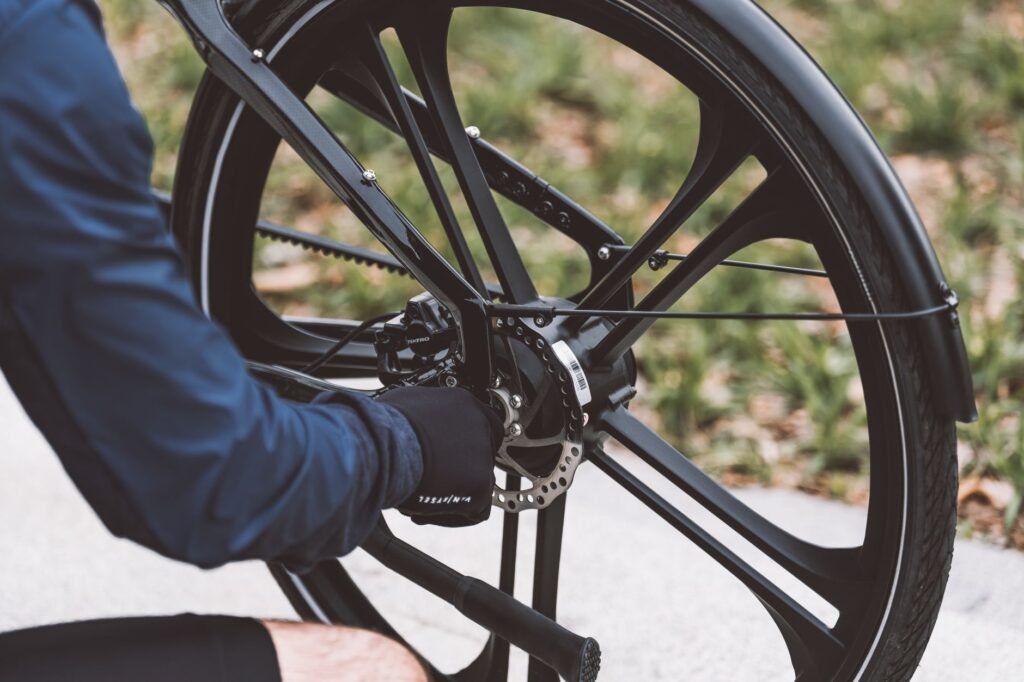
Replacing axle bearings: A step-by-step guide
Should the need arise to replace axle bearings, the process requires careful attention to detail. Here’s a general step-by-step guide:
- Gather Tools: You will need a jack, jack stands, a socket set, a bearing puller, and new bearings.
- Lift the Vehicle: Safely lift the vehicle and remove the wheel to access the axle assembly.
- Remove the Brake Components: Detach the brake caliper and rotor to expose the hub assembly.
- Extract the Old Bearings: Use a bearing puller to remove the old bearings from the hub.
- Install New Bearings: Clean the hub thoroughly and install the new bearings with the proper lubrication.
- Reassemble: Reattach the brake components and wheel, then lower the vehicle back to the ground.
Advanced axle bearing technology
As automotive technology evolves, so does the design and functionality of axle bearings. Modern advancements include the use of hybrid materials, which combine metal with high-performance polymers for reduced weight and improved durability. Additionally, some manufacturers are integrating sensors into axle bearings to monitor performance and detect issues before they become critical.
Conclusion: The role of axle bearings in vehicle safety
In conclusion, axle bearings are essential components that significantly influence vehicle performance and safety. Regular maintenance and timely replacement are crucial to ensure that they function correctly, thereby enhancing driving experience and safety. Understanding axle bearings, their types, and their maintenance will empower vehicle owners to take proactive measures to keep their cars in optimal condition. By prioritizing axle bearing care, you can extend the life of your vehicle and maintain its performance on the road.

Advanced lubrication techniques for axle bearings
Proper lubrication is crucial for the performance and longevity of axle bearings. While traditional lubrication methods often involve manual greasing or the use of grease fittings, advancements in lubrication technology offer more efficient and effective solutions. Here, we explore several innovative lubrication techniques that can significantly enhance the performance of axle bearings.
One of the most promising advancements in axle bearing lubrication is the use of automated lubrication systems. These systems deliver a precise amount of lubricant at predetermined intervals, ensuring that the bearings are consistently lubricated without the need for manual intervention. This not only reduces the risk of human error but also maintains optimal lubrication levels even in harsh operating conditions. Many modern vehicles and industrial machinery now incorporate these systems, which can improve bearing life and reduce maintenance costs.
Another innovative approach is the use of solid lubricants, such as graphite or molybdenum disulfide, which can be embedded in bearing materials. These solid lubricants provide a self-lubricating effect, reducing friction and wear even in the absence of liquid lubricants. This technique is particularly beneficial in extreme conditions where liquid lubricants may fail, such as high temperatures or vacuum environments. An example of this can be found in high-performance motorsport applications, where traditional greases may break down rapidly.
Nanotechnology is also making waves in the field of lubrication. Lubricants enhanced with nanoparticles can provide superior protection against wear and friction. These nanoparticles fill microscopic surface imperfections and create a protective film, thereby reducing surface contact and enhancing the bearing’s operating conditions. For instance, some products on the market now utilize nanoparticles in their formulations to improve lubrication performance significantly, especially in high-load and high-speed applications.
Furthermore, the choice of lubricant type—whether synthetic or mineral-based—can greatly influence axle bearing performance. Synthetic lubricants often offer better thermal stability, lower volatility, and superior lubricating properties compared to traditional mineral oils. This makes them particularly suitable for high-performance and high-temperature applications seen in racing vehicles and heavy-duty machinery.
In addition to the type of lubricant, the viscosity plays a vital role in the performance of axle bearings. Selecting the appropriate viscosity is crucial as it affects the lubricant’s ability to create a protective film between bearing surfaces. Higher viscosity lubricants may be useful in high-load applications, while lower viscosity oils can reduce friction and enhance efficiency in lighter applications.
It is also essential to consider the environmental factors affecting lubrication. For instance, in applications exposed to dust, dirt, or moisture, using sealed bearings with appropriate lubrication retention capabilities can prevent contamination and prolong bearing life. Regular monitoring of lubrication conditions through oil analysis can provide insights into the health of the lubricant and the bearing, allowing for timely maintenance actions.
In summary, the evolution of lubrication techniques—from automated systems to advanced materials and formulations—provides significant opportunities for enhancing the performance of axle bearings. By adopting these innovative approaches, operators can ensure longer bearing life, reduced maintenance costs, and improved overall machinery efficiency.
Exploring advanced lubrication techniques for axle bearings
Effective lubrication is crucial for the longevity and performance of axle bearings. While traditional greasing methods are widely used, advancements in lubrication technology offer additional strategies to enhance bearing life and efficiency. The application of synthetic lubricants, for instance, provides superior performance in extreme temperatures and operating conditions compared to conventional oils and greases.
Synthetic lubricants are engineered to have a higher viscosity index, which means they maintain their viscosity over a broader temperature range. This characteristic is particularly beneficial for axle bearings that operate in environments with fluctuating temperatures or heavy loads. For example, many high-performance vehicles and heavy-duty trucks utilize synthetic oil to ensure that bearings remain adequately lubricated under all conditions.
Moreover, the introduction of solid lubricants, such as graphite or molybdenum disulfide, can provide an additional layer of protection in environments where traditional lubrication might fail. These solid lubricants can adhere to bearing surfaces and continue to provide lubrication even when liquid lubricants are displaced or evaporate. This is especially useful in applications involving high speeds or extreme pressure, where conventional lubricants may break down.
In addition to material advancements, the method of lubrication application has evolved. Automated lubrication systems are becoming more prevalent in industrial applications, delivering precise amounts of lubricant at regular intervals. This automation not only ensures consistent lubrication but also minimizes the risk of over-lubrication or under-lubrication, both of which can lead to premature bearing failure.
Regular monitoring of lubrication effectiveness is essential. Techniques such as vibration analysis and temperature monitoring can provide insights into the condition of axle bearings and the effectiveness of the lubrication strategy being employed. For instance, an increase in vibration levels may indicate that the lubricant is degrading or that contaminants have entered the bearing assembly.
Furthermore, the trend towards eco-friendly lubricants is gaining traction. Biodegradable oils and greases can reduce environmental impact without sacrificing performance. These products are formulated to provide effective lubrication while being less harmful to the ecosystem in case of leakage. This is especially important in applications where bearings are exposed to the elements or in industries with strict environmental regulations.
In conclusion, understanding the nuances of lubrication—be it through synthetic oils, solid lubricants, automated systems, or eco-friendly alternatives—can significantly enhance the functionality and lifespan of axle bearings, ultimately leading to better performance and lower maintenance costs.
Exploring advanced lubrication techniques for axle bearings
Lubrication is a critical factor in the performance and longevity of axle bearings. While traditional grease and oil have been the go-to options for many years, advancements in lubrication technology can significantly enhance the functionality and maintenance of axle bearings. Understanding these advanced techniques can lead to more efficient operations and reduced downtime.
One innovative approach gaining traction is the use of synthetic lubricants. These materials can withstand higher temperatures and pressures than conventional oils and greases, providing superior protection against wear and corrosion. For example, polyalphaolefin (PAO) and ester-based synthetic oils can reduce friction significantly, allowing axle bearings to operate more smoothly and efficiently. The extended service intervals associated with synthetic lubricants can also lead to lower maintenance costs over time.
Another promising development is the application of micro-lubrication systems. These systems deliver precise amounts of lubricant directly to the bearing surfaces, minimizing waste and ensuring that every component receives adequate lubrication. By using a micro-lubrication system, operators can maintain optimal bearing temperature and reduce the risk of overheating, which is a common cause of bearing failure. This technique is particularly beneficial in high-demand environments such as mining or heavy construction, where axle bearings are subjected to extreme conditions.
Moreover, the integration of condition monitoring technologies into lubrication strategies is proving to be a game-changer. Sensors can be installed to continuously monitor the temperature and vibration levels of axle bearings. When coupled with smart lubrication systems, these sensors can trigger automatic lubrication adjustments based on real-time data. For instance, if a sensor detects an increase in temperature that suggests insufficient lubrication, the system can increase the lubricant flow accordingly. This proactive approach to maintenance not only extends the lifespan of axle bearings but also enhances overall system reliability.
Additionally, using solid lubricants, such as graphite or molybdenum disulfide, can provide an alternative in situations where traditional lubrication is impractical. Solid lubricants work well in extreme temperatures and pressures, offering a fail-safe option when liquid lubricants might evaporate or degrade. They can be particularly useful in applications involving high-speed spindle bearings or in environments contaminated with dirt and debris, where liquid lubricants might fail to provide adequate protection.
Finally, the role of proper lubrication application cannot be overlooked. Training personnel on the correct methods of applying lubricant—whether through manual greasing or automated systems—ensures that axle bearings receive the right amount of lubrication at the right intervals. Over-lubrication can be just as damaging as under-lubrication, leading to issues such as increased pressure on seals and excess heat generation.
In summary, the evolution of lubrication techniques for axle bearings—from synthetic oils to micro-lubrication systems—provides operators with a range of options to enhance performance and reliability. By understanding and implementing these advanced strategies, maintenance teams can significantly improve the lifespan and efficiency of axle bearings in their applications.
Frequently asked questions
What is an axle bearing?
An axle bearing supports the vehicle's axle and allows for smooth wheel rotation. It reduces friction and ensures stability while driving.
How do I know if my axle bearings need replacement?
Common signs include grinding noises, excessive vibration, or uneven tire wear. If you notice these symptoms, it’s essential to inspect the bearings.
Can I replace axle bearings myself?
Yes, but it requires specialized tools and knowledge. If unsure, it’s best to consult a professional mechanic to avoid potential damage.
The bottom line
Understanding axle bearings is vital for vehicle maintenance and performance. Regular checks can save you from serious mechanical issues down the road.
Related reading: Understanding the GMC S15: A Compact Pickup Classic, and Honda Mini Trail: A classic motorcycle reimagined. For an outside reference on this topic, see the EPA's official fuel economy database.