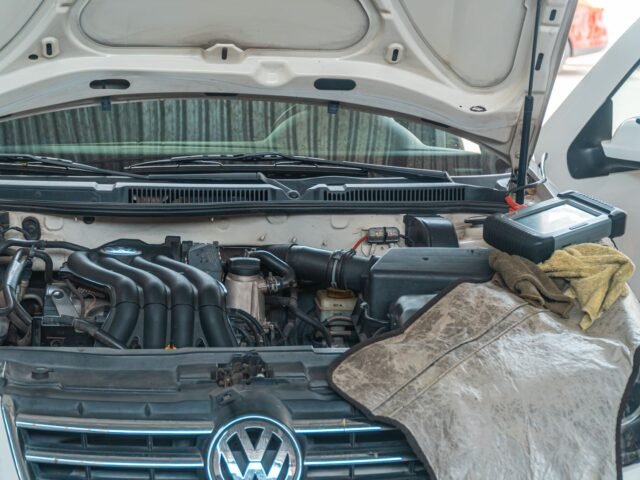
When dealing with automotive diagnostics, understanding what code P2101 means is essential for any vehicle owner or technician. This trouble code indicates a problem with the throttle actuator control system, specifically relating to the throttle actuator control range or performance. Recognizing the implications of this code can help in diagnosing the issue quickly and efficiently.
What is code P2101?
Code P2101 is a generic OBD-II trouble code that signifies a malfunction in the throttle actuator control system. This system is crucial for managing the engine’s airflow and, consequently, its power output. When the Engine Control Module (ECM) detects that the throttle actuator is not functioning within the expected range, it triggers the P2101 code. This can lead to various issues, including reduced engine performance and, in some instances, the activation of limp mode.
Symptoms of code P2101
Identifying the symptoms associated with code P2101 can help you determine whether your vehicle is experiencing this issue. Common symptoms include:
- Reduced engine power or performance
- Unresponsive throttle or erratic throttle response
- Illuminated check engine light
- Engagement of limp mode
- Difficulty accelerating
- Increased fuel consumption
If you notice any of these symptoms, it is crucial to address the issue promptly to avoid further complications.
Causes of code P2101
Several factors can lead to the activation of code P2101. Understanding these causes is vital for effective troubleshooting. Some common causes include:
- Faulty throttle position sensor: This sensor provides feedback on the position of the throttle plate to the ECM. If it fails or provides inaccurate readings, the ECM may trigger code P2101.
- Damaged throttle actuator: The throttle actuator itself can become faulty due to wear and tear or electrical issues, leading to performance problems.
- Wiring issues: Damaged wiring or poor connections within the throttle control circuit can disrupt communication between the ECM and the throttle actuator.
- Faulty ECM: In rare cases, the ECM itself may malfunction, leading to erroneous readings and the triggering of code P2101.
- Vacuum leaks: Leaks in the intake system can affect the air-fuel mixture, causing the throttle actuator to operate inefficiently.
Diagnosing code P2101
Diagnosing code P2101 involves a systematic approach to pinpoint the exact issue. Here are the steps typically followed during diagnosis:
- Scan the vehicle: Use an OBD-II scanner to confirm the presence of code P2101 and check for any additional trouble codes that may provide further insight.
- Visual inspection: Conduct a thorough visual inspection of the throttle body, wiring, and connectors for signs of damage or disconnection.
- Test the throttle position sensor: Using a multimeter, check the resistance and voltage output of the throttle position sensor to ensure it is functioning correctly.
- Inspect the throttle actuator: Test the throttle actuator for proper operation. Check for any obstructions in the throttle body that may affect its movement.
- Check for vacuum leaks: Perform a smoke test or visually inspect hoses and connections to identify any vacuum leaks in the intake system.
Common fixes for code P2101
Once you have diagnosed the root cause of code P2101, you can implement the appropriate fixes to restore proper function. Some common fixes include:
- Replacing the throttle position sensor: If the throttle position sensor is determined to be faulty, replacing it will often resolve the issue.
- Repairing or replacing the throttle actuator: If the throttle actuator is malfunctioning, it may need to be repaired or replaced to restore normal operation.
- Repairing damaged wiring: If you identify damaged wires or poor connections, repairing or re-routing the wiring can resolve communication issues.
- Cleaning the throttle body: In cases where dirt and carbon buildup are present, cleaning the throttle body can improve performance and eliminate the code.
- Replacing vacuum hoses: If vacuum leaks are found, replacing damaged hoses or connections can restore proper engine function.
Preventive measures for code P2101
Taking preventive measures can help avoid the recurrence of code P2101. Some strategies include:
- Regular maintenance: Conducting regular maintenance on your vehicle, including cleaning the throttle body and checking sensors, can help prevent issues.
- Monitoring engine performance: Staying attuned to your vehicle’s performance and addressing any irregularities promptly can prevent minor issues from escalating.
- Using quality fuel: Using high-quality fuel can minimize deposits and buildup in the engine, helping to maintain throttle performance.
- Routine diagnostic checks: Periodically using an OBD-II scanner to check for trouble codes can help catch issues before they become serious.
Conclusion
Understanding code P2101 and its implications is crucial for any vehicle owner. By recognizing the symptoms, causes, and potential fixes, you can effectively address this trouble code and maintain your vehicle’s performance. Regular maintenance and attention to engine performance will go a long way in preventing future issues. If you are not comfortable diagnosing or repairing the problem yourself, do not hesitate to consult a professional mechanic. They have the tools and expertise to get your vehicle back to optimal condition.
Identifying the root causes of P2101 through diagnostic testing
Code P2101 indicates an issue with the throttle actuator control system, specifically related to the throttle position performance. To effectively address this code, it is critical to conduct a thorough diagnostic testing procedure. This will help pinpoint the exact root causes that may be resulting in the P2101 code being triggered.
First, initiate a complete OBD-II scan to confirm the presence of the P2101 code and check for any accompanying codes. Often, P2101 does not appear in isolation; related codes like P2110 (Throttle Actuator Control System – Forced Limited Power) or P2135 (Throttle/Pedal Position Sensor/Switch A/B Voltage Correlation) may also appear. The presence of these related codes can provide valuable context regarding the underlying issue.
Next, inspect the throttle body assembly and its electronic components. A common issue that may lead to a P2101 code is a malfunctioning throttle position sensor (TPS). Using a multimeter, check the TPS voltage and ensure it falls within the manufacturer’s specified range. If the TPS voltage does not meet the required specifications, replacing the sensor may resolve the issue. Additionally, inspect the throttle body for carbon buildup, as excessive deposits can hinder throttle plate movement, leading to performance issues.
Wiring and connectors should also be examined closely. Look for signs of wear, corrosion, or damage that could disrupt the flow of electrical signals between the throttle body and the engine control unit (ECU). A visual inspection followed by the use of a wiring diagram can help identify any potential short circuits or open circuits that may be contributing to the problem.
“A common issue leading to a P2101 code is a malfunctioning throttle position sensor. Ensure to check the TPS voltage against manufacturer specifications.”
Another key area to investigate is the vehicle’s vacuum system. A vacuum leak can affect the air-fuel mixture, leading to erratic throttle performance and triggering the P2101 code. Use a smoke machine or simple visual inspections to identify potential leaks in the intake manifold, vacuum hoses, or throttle body gasket. Repairing any leaks found can significantly improve throttle response and resolve the P2101 issue.
After addressing these potential causes, it is advisable to clear the codes and conduct a test drive to monitor the vehicle’s performance. If the P2101 code reappears, further investigation may be warranted. This could involve more advanced diagnostics, such as checking the ECU for any updates or reprogramming needs, as outdated software can sometimes cause communication issues between the throttle body and engine management systems.
In summary, while the P2101 code can signify a variety of issues related to the throttle actuator control system, a systematic approach to diagnostics can help identify the root cause efficiently. By analyzing the throttle position sensor, inspecting wiring and connectors, checking for vacuum leaks, and ensuring ECU functionality, you can effectively resolve the underlying issues that trigger this code. This not only restores vehicle performance but also enhances overall drivability and safety.
Exploring the role of throttle body cleaning in related issues
When diagnosing code P2101, often linked to the throttle actuator control system, a frequently overlooked aspect is the condition of the throttle body itself. A dirty or malfunctioning throttle body can exacerbate or even cause symptoms that lead to the triggering of P2101. Understanding the relationship between throttle body cleanliness and the performance of the throttle actuator can help pinpoint the root cause of the issue.
The throttle body is a critical component in managing the air intake into the engine, and its operation directly affects engine performance and emissions. Over time, carbon deposits and grime can build up inside the throttle body, leading to restricted airflow and inconsistent throttle response. This can confuse the vehicle’s Engine Control Module (ECM), which may interpret unexpected signals as a fault, triggering the P2101 code.
For instance, a driver may experience symptoms such as rough idling, hesitation during acceleration, or diminished power—symptoms that can be mistakenly attributed solely to the electronic throttle control system. In reality, if the throttle body is compromised, it can lead to incorrect readings that activate the P2101 code.
“Cleaning the throttle body can often reset the system, allowing for smoother operation and potentially clearing the P2101 code without the need for costly repairs.”
Cleaning the throttle body is a relatively straightforward process that can be performed with minimal tools. First, ensure the engine is cool and disconnected from the battery. Remove the intake duct to access the throttle body. Using a throttle body cleaner and a soft cloth or brush, carefully clean the interior surfaces, paying close attention to the throttle plate and the areas around the air passages. Once cleaned, reassemble the components, reconnect the battery, and start the vehicle. After a brief warm-up period, take the car for a test drive to see if the symptoms persist.
In some cases, simply cleaning the throttle body may not resolve the P2101 code, indicating a deeper issue within the electronic throttle control system. If the code persists, further investigation into the throttle position sensor (TPS) and the entire actuator assembly is warranted. This may include checking for electrical connections, ensuring there are no breaks in the wiring, and validating the TPS signal with a multimeter. The TPS should provide a linear voltage signal relative to the throttle plate position, and any irregularities may require replacement.
Moreover, it’s crucial to consider the vehicle’s maintenance history. Regularly scheduled maintenance can prevent many of the issues leading to code P2101. Keeping the throttle body clean, changing air filters, and ensuring fuel system cleanliness can contribute to the longevity of the throttle actuator system.
In summary, the cleanliness of the throttle body plays a significant role in the operational efficiency of the throttle actuator control system. By taking proactive steps to maintain this component, vehicle owners can mitigate the risk of encountering P2101 and ensure a more reliable driving experience.
Exploring the role of throttle actuator control in P2101 issues
The P2101 code indicates a problem with the throttle actuator control system, specifically relating to the throttle actuator control motor. Understanding how this system operates and its components can shed light on potential fixes and preventative measures. The throttle actuator is a crucial element in the vehicle’s electronic throttle control (ETC) system, responsible for regulating air intake and ensuring optimal engine performance.
First, it’s essential to recognize that the throttle actuator is typically controlled by the engine control module (ECM) based on inputs from various sensors. These sensors include the accelerator pedal position sensor and the mass air flow (MAF) sensor. If any of these components fail or provide incorrect readings, it can lead to erratic behavior of the throttle actuator, triggering the P2101 code.
One common issue is a malfunctioning accelerator pedal position sensor. If this sensor fails to send accurate signals to the ECM, the throttle actuator may not respond correctly, leading to a reduction in engine power. To diagnose this, use a multimeter to check the resistance and voltage levels of the accelerator pedal position sensor. Compare these readings with the manufacturer’s specifications. If discrepancies are found, replacing the sensor is often necessary.
Another area to investigate is the throttle body itself. Accumulation of carbon deposits can impede the movement of the throttle plate, leading to poor actuator performance. Regular cleaning of the throttle body can prevent this issue. When cleaning, ensure that you use appropriate throttle body cleaner and follow the vehicle’s service manual for guidance on disassembly and reassembly.
Wiring and connector issues are also common culprits. Frayed wires or corroded connectors can disrupt the signal between the ECM and the throttle actuator. Inspect the wiring harness for any signs of damage, and ensure that all connections are secure and free from corrosion. Use a wiring diagram specific to your vehicle model for a thorough inspection.
If the above checks do not resolve the issue, consider the possibility of an ECM malfunction. While rarer, a faulty ECM can lead to incorrect throttle actuator commands. Reprogramming or replacing the ECM should only be done by a qualified technician, as it requires specialized equipment and knowledge.
“Troubleshooting code P2101 often requires a systematic approach, checking each component in the throttle control system to ensure proper functionality.”
It is also worth noting that environmental factors can play a role in the performance of the throttle actuator. For instance, extreme temperatures or humidity levels may affect sensor readings and actuator functionality. If you live in an area with significant temperature fluctuations, consider monitoring the vehicle’s performance in different conditions to identify any patterns related to the P2101 code.
In conclusion, while the code P2101 can be daunting, a thorough understanding of the throttle actuator control system and its components can lead to effective diagnosis and repair. Regular maintenance, including sensor checks and throttle body cleaning, can prevent issues before they arise, ensuring optimal engine performance and a smoother driving experience.
Related reading: How car manufacturers test vehicles before they reach dealerships, and Understanding car headrests: safety and design. For an outside reference on this topic, see NHTSA's vehicle safety resources.