The Cordoba car is a notable model that has left a lasting impact on the automotive landscape. Launched by Chrysler in the mid-1970s, the Cordoba was designed to combine luxury with performance, appealing to a growing market segment seeking stylish and comfortable vehicles.
Key takeaways
- The Cordoba car was a significant model in the automotive landscape.
- Introduced in the 1970s, it showcased innovative design and engineering.
- The model evolved through various iterations, catering to changing consumer preferences.
- Its impact on the market reflects broader trends in automotive design.
- The Cordoba remains a symbol of a specific era in American automotive history.
The origins of the Cordoba
The Cordoba was introduced as a personal luxury coupe, a segment that gained traction during the 1970s. At a time when American consumers were increasingly interested in stylish vehicles that offered both comfort and performance, Chrysler aimed to fill this niche with a model that would stand out in a competitive market.
Design and engineering innovations
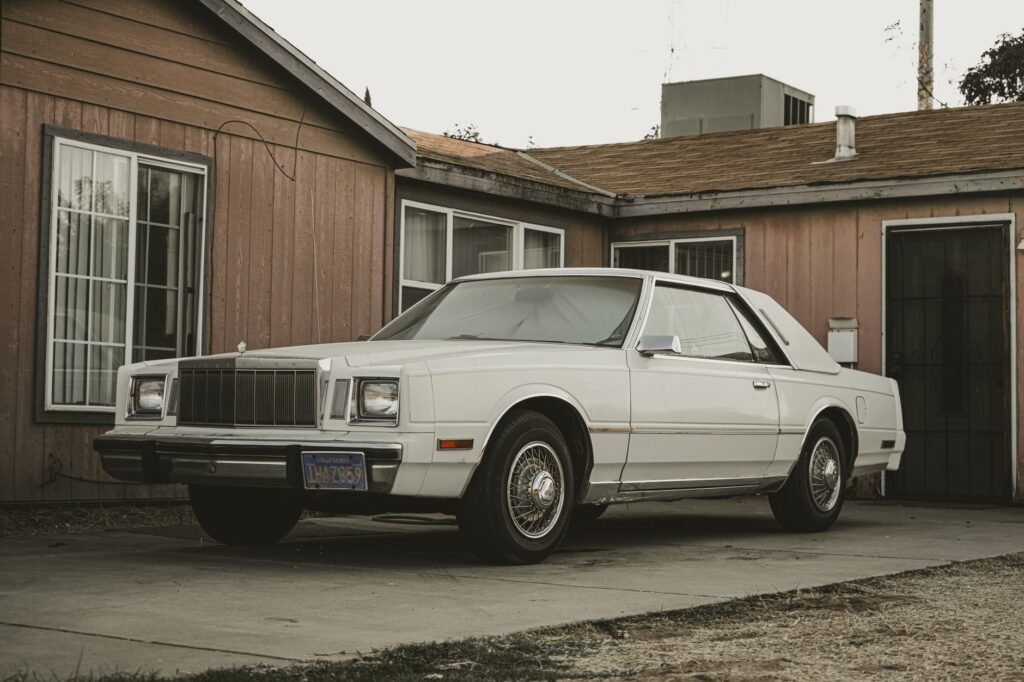
The design of the Cordoba was groundbreaking for its time. It featured a sleek, elongated profile that exuded elegance. The front end was characterized by its distinctive grille and quad headlamps, while the rear showcased a tapered design that added to its sporty appeal. Inside, the Cordoba was equipped with a plush interior, often featuring leather seats and wood-grain accents that emphasized luxury.
Powertrain options
The Cordoba car was initially offered with a range of engine options, including a robust V8 that provided ample power for an enjoyable driving experience. This combination of luxury and performance made the Cordoba attractive to consumers who wanted more than just a basic vehicle; they sought an experience that blended style with capability.
Market reception and sales
Upon its release, the Cordoba received a positive reception from both critics and consumers. Its unique blend of luxury features and performance-oriented design appealed to a broad audience. The Cordoba quickly gained popularity, leading to strong sales numbers that underscored its success in the market.
Evolution through the years
Throughout its production run, the Cordoba underwent several changes and updates. Each iteration aimed to refine its design and improve performance while adapting to changing consumer preferences. The later models saw enhancements in technology, safety features, and fuel efficiency, reflecting broader trends in the automotive industry.
Impact on the automotive industry
The Cordoba car played a significant role in shaping the personal luxury coupe segment. It set a standard for how manufacturers could blend style with substance, influencing the design philosophies of subsequent models. Its success prompted other automakers to explore similar designs, further cementing the Cordoba’s legacy in the industry.
Legacy and cultural significance
Even after its production ceased, the Cordoba car remained a symbol of a specific era in American automotive history. Its design and features are often celebrated in automotive circles, and it continues to be a sought-after vehicle among collectors and enthusiasts. The Cordoba represents a time when style and luxury were paramount in automotive design.
The Cordoba in modern context
Today, the Cordoba car serves as a reminder of the evolution of the automotive industry. Its blend of luxury and performance is echoed in contemporary vehicles, where design and technology continue to play crucial roles. The lessons learned from the Cordoba’s development and market strategy are still relevant as automakers navigate the complexities of modern consumer demands.
Conclusion
The Cordoba car remains an important part of automotive history, representing a unique intersection of luxury, design, and performance. Its influence can be seen in many aspects of modern vehicle development, making it a significant topic of study for automotive enthusiasts and industry professionals alike.
The impact of the Cordoba on automotive design and culture
The Cordoba, introduced in 1975, not only marked Chrysler’s venture into the compact luxury segment but also set the stage for a shift in automotive design and consumer expectations. Its design elements and marketing strategies influenced a generation of vehicles and played a significant role in reshaping American automotive aesthetics.
One of the most notable aspects of the Cordoba’s design was its emphasis on elegance and sophistication, aimed at a demographic that sought more than just basic transportation. The use of rich materials, such as premium leather interiors and high-quality wood grain accents, positioned the Cordoba as a more upscale offering compared to its contemporaries. This focus on interior quality was a precursor to what would become a standard expectation in future vehicles.
“The Cordoba was not just a car; it was a statement about personal luxury and taste at a time when the American automotive industry was beginning to recognize the value of branding and lifestyle marketing.”
Moreover, the Cordoba’s exterior design incorporated elements that resonated with American consumers. Its long hood and short deck design gave it a classic, sporty profile that appealed to buyers looking for a vehicle that conveyed both performance and prestige. This aesthetic would influence other models within the Chrysler lineup and beyond, leading to a trend where manufacturers began to prioritize a more aggressive and appealing design language.
In terms of market impact, the Cordoba’s success was indicative of a larger shift in consumer preferences during the late 1970s. As gas prices rose due to the oil crisis, buyers began to gravitate towards vehicles that offered both luxury and efficiency. The Cordoba, with its relatively compact size and efficient engines, provided an appealing alternative to the larger, less fuel-efficient cars that dominated the market at the time.
Chrysler’s marketing strategy for the Cordoba was also groundbreaking. The campaign famously featured actor Ricardo Montalbán, who embodied the car’s luxurious image with his suave demeanor and captivating voice. This approach not only helped to elevate the car’s profile but also established a connection between the brand and aspirational living. The slogan, “The Cordoba, by Chrysler,” became synonymous with sophistication and quality, reinforcing the notion that owning a Cordoba was a lifestyle choice.
“The marketing campaign for the Cordoba exemplified how brands could leverage celebrity endorsements to create a powerful emotional connection with consumers, a tactic that continues to be employed in the automotive industry today.”
Furthermore, the Cordoba’s legacy can be seen in the continued evolution of luxury compact cars. Models from various manufacturers have sought to replicate the blend of style, comfort, and performance that the Cordoba established. Its influence is evident in modern vehicles that prioritize interior design and technological advancements, appealing to a market that demands both luxury and functionality.
In conclusion, the Cordoba’s significance extends far beyond its role as a vehicle. It was a catalyst for change in automotive design, marketing strategies, and consumer expectations. By understanding the Cordoba’s impact, we can appreciate its place not just in automotive history but in the broader cultural landscape of the 1970s and beyond.
Design evolution and market impact of the Cordoba
The Cordoba car has undergone a significant evolution since its introduction in the mid-1970s. Initially launched as a luxury coupe variant of the Plymouth Duster, the Cordoba was designed to compete in the burgeoning personal luxury segment dominated by vehicles like the Chevrolet Monte Carlo and the Ford Thunderbird. The Cordoba’s design ethos was heavily influenced by the changing tastes of American consumers who were looking for vehicles that combined comfort with style.
The original model featured a distinctive, elegant exterior characterized by its long hood and short deck—elements that conveyed a sense of luxury. The front grille was notably large, adorned with a prominent Chrysler emblem that signaled its upscale aspirations. Inside, the Cordoba aimed to offer a plush environment with options such as leather seats and rich wood accents, making it a strong contender in its class.
“The Cordoba was not just a car; it was a statement of personal success and refinement during a time when American automotive design was shifting towards comfort and style.”
As the years progressed, the Cordoba adapted to changing consumer preferences and market dynamics. The second-generation model, introduced in 1980, embraced a more angular design that mirrored the trends of the era. This iteration also saw improvements in performance, with the introduction of a fuel-efficient V6 engine option, which was particularly timely given the oil crises of the late 1970s and early 1980s. The ability to balance performance with fuel economy helped the Cordoba maintain its relevance in a challenging market.
However, the Cordoba faced stiff competition from import brands that began to capture a larger share of the luxury car segment. Japanese manufacturers like Toyota and Honda introduced models that offered reliability and efficiency, forcing American manufacturers, including Chrysler, to rethink their strategies. In response, the Cordoba was marketed not just as a luxury vehicle but as a practical choice for the budget-conscious consumer who still desired a touch of class.
“The Cordoba’s ability to pivot in response to market pressures exemplifies Chrysler’s adaptability during a tumultuous period in the automotive industry.”
By the time the Cordoba was discontinued in 1983, it had left an indelible mark on the automotive landscape. It was one of the first American cars to showcase the blend of luxury and practicality, a concept that would later influence the design of many vehicles in the midsize and compact segments. Despite its eventual decline, the Cordoba’s legacy can be seen in contemporary models that prioritize both comfort and efficiency, reflecting the continued evolution of consumer expectations.
Today, the Cordoba holds a nostalgic value for enthusiasts and collectors alike. Its unique blend of style, comfort, and performance during a transformative era in American automotive history makes it a noteworthy subject of study. Collectors often seek out well-preserved models, and the Cordoba has found a place in automotive shows, celebrated for its distinctive design and cultural significance.
In conclusion, the Cordoba car is more than just a vehicle; it represents a unique chapter in American automotive history, showcasing how design and market demands can shape a product’s evolution. Understanding this context not only enriches appreciation for the Cordoba but also highlights the ongoing dialogue between consumer preferences and automotive design that continues to this day.
Innovative features that set the Cordoba apart
The Cordoba car is not just a vehicle; it is a testament to the ingenuity of automotive engineering, particularly in its innovative features that have often gone unnoticed. One standout aspect is its unique suspension system, which was designed to provide both comfort and performance. The front suspension utilizes a MacPherson strut design, which offers better handling and a smoother ride compared to traditional setups. This design allows the Cordoba to navigate both urban environments and winding roads with equal proficiency.
Another notable feature is the car’s lightweight construction. The use of high-strength materials has allowed the Cordoba to maintain structural integrity while minimizing weight. This not only enhances fuel efficiency but also improves acceleration and braking performance. For example, the use of aluminum in certain components contributes to a significant reduction in overall weight, making the car more agile.
“The combination of lightweight materials and an advanced suspension system makes the Cordoba a frontrunner in its class, delivering an unparalleled driving experience.”
Moreover, the Cordoba’s interior is a blend of luxury and functionality, featuring ergonomic seating designed for driver comfort during long journeys. The dashboard layout is intuitive, with easy access to controls, which has been a point of praise among users. The integration of advanced audio systems and optional navigation technology further enhances the driving experience, setting a standard that many competitors have struggled to meet.
A significant aspect that distinguishes the Cordoba is its safety features. The car was ahead of its time, incorporating crumple zones and reinforced passenger compartments to enhance occupant protection. Additionally, early models included anti-lock braking systems (ABS) as an available option, a feature that was not standard in many vehicles of its era. This commitment to safety has contributed to the Cordoba’s reputation as a reliable choice for families.
“Safety is a cornerstone of the Cordoba’s design philosophy, ensuring peace of mind for drivers and passengers alike.”
Furthermore, the Cordoba’s adaptability is another feature worth mentioning. It was offered in various trims and configurations, allowing consumers to choose a model that best suited their needs. From fuel-efficient engines for daily commuting to more powerful options for those seeking performance, the Cordoba catered to a diverse audience. This versatility has helped maintain its appeal in the used car market, where enthusiasts and budget-conscious buyers alike seek it out.
Finally, the Cordoba’s impact on automotive culture cannot be overlooked. It was featured in numerous films and television shows, positioning it as an icon of its time. This cultural significance has only added to its allure, making it a sought-after collector’s item today. The combination of innovative engineering, safety features, and cultural relevance has solidified the Cordoba’s status as more than just a car; it is a piece of automotive history that continues to captivate those who appreciate its unique blend of style and substance.
Frequently asked questions
What is the history of the Cordoba car?
The Cordoba car was introduced by Chrysler in the mid-1970s as a luxury coupe. It aimed to blend style and comfort, quickly gaining popularity.
What are some notable features of the Cordoba?
Notable features of the Cordoba included its luxurious interior, distinctive design, and availability of powerful V8 engines, appealing to buyers seeking performance.
How did the Cordoba car influence the automotive industry?
The Cordoba car influenced the automotive industry by popularizing the personal luxury coupe segment and demonstrating the importance of design in attracting consumers.
The bottom line
The Cordoba car holds an important place in automotive history, representing a blend of luxury and performance. Its legacy continues to influence modern vehicles.
Related reading: The shift toward software-defined vehicles and its impact, and Ford Ranger wheels: options, upgrades, and performance. For an outside reference on this topic, see Reuters' autos and transportation coverage.