A knocking sound in car engines can be alarming for any driver. Understanding the causes and implications of such noises is vital for maintaining vehicle health and ensuring safety on the road. In this comprehensive guide, we will delve into the various reasons a car may produce knocking sounds, how to diagnose the issue, and the necessary steps to take for resolution.
Key takeaways
- Knocking sounds can indicate serious engine issues.
- Identifying the source of the noise is crucial for repairs.
- Regular maintenance can help prevent knocking sounds.
What is a knocking sound?
Before exploring the causes, it’s important to define what a knocking sound actually is. Often described as a tapping or pinging noise, it typically occurs when the engine is under load, such as during acceleration or uphill driving. This noise can vary in intensity and may sometimes be accompanied by other symptoms such as reduced power or unusual vibrations.
Types of knocking sounds
Understanding the type of knocking sound your car makes can help diagnose the problem more effectively. There are generally two main types of knocking sounds related to engine issues:
1. Engine knock
Engine knock, often referred to as detonation or pre-ignition, occurs when the air-fuel mixture in the combustion chamber ignites prematurely. This can create a distinct knocking or pinging noise. Factors contributing to engine knock include low octane fuel, incorrect ignition timing, or excessive engine temperatures.
2. Bearing knock
Bearing knock is a deeper, more pronounced sound that typically indicates worn or damaged engine bearings. This noise arises when there’s insufficient lubrication between moving parts, causing them to make contact. Bearing knock usually signals serious engine wear and requires immediate attention.
Common causes of knocking sound in cars
Identifying the underlying cause of knocking sounds is crucial for determining the appropriate action. Here are some common culprits:
1. Low-quality fuel
Using fuel with an octane rating lower than what your engine requires can lead to knocking. The fuel may ignite too early due to excessive pressure. Always use the recommended fuel grade for your vehicle.
2. Incorrect ignition timing
If the ignition timing is off, it can cause improper combustion, leading to knocking sounds. This misalignment can result from a malfunctioning ignition system or adjustments made during maintenance.
3. Worn or damaged bearings
As mentioned earlier, worn bearings can lead to a deeper knocking sound. This wear can result from age, lack of oil changes, or poor lubrication. If neglected, it can lead to catastrophic engine failure.
4. Engine overheating
Overheating can cause various problems, including engine knock. High temperatures can lead to pre-ignition or detonation, especially if the engine has been poorly maintained or if the cooling system is failing.
5. Carbon buildup
Excessive carbon deposits in the combustion chamber can lead to knocking sounds. These deposits can change the way the air-fuel mixture burns, leading to pre-ignition. Regular engine cleaning can help prevent this issue.
Diagnosing the knocking sound
When faced with a knocking sound, accurate diagnosis is essential. Here’s a step-by-step approach to diagnosing the issue:
1. Listen carefully
Pay attention to the conditions under which the knocking occurs. Does it happen during acceleration, idling, or when the engine is cold? Noting these details can help a mechanic diagnose the problem more effectively.
2. Check the oil level
Low oil levels can lead to bearing knock. Ensure your engine has sufficient oil and that it is clean. Contaminated or old oil can also contribute to knocking sounds.
3. Inspect fuel quality
Verify that you are using the correct fuel type. If you suspect the fuel quality is inadequate, consider switching to a higher octane fuel temporarily to see if the knocking subsides.
4. Consult a professional
If the noise persists, it’s time to consult a mechanic. A professional can use diagnostic tools to pinpoint the source of the knocking sound, ensuring an accurate and effective repair.
Potential solutions for knocking sounds
Once the cause of the knocking sound has been identified, addressing the issue promptly is essential. Here are potential solutions based on common causes:
1. Use higher octane fuel
If the knocking is due to low-quality fuel, switching to a higher octane rating can mitigate the issue. This may help the engine run more smoothly and reduce or eliminate the knocking.
2. Adjust ignition timing
Should ignition timing be the culprit, a mechanic can adjust it to the manufacturer’s specifications. This adjustment can help ensure proper combustion and eliminate knocking.
3. Replace worn bearings
If worn bearings are the source of the knocking sound, they will need to be replaced. This repair can be complex, often requiring engine disassembly, so professional assistance is recommended.
4. Address overheating issues
For engines running too hot, investigate the cooling system for leaks or malfunctions. Ensuring proper coolant levels and functionality can help prevent overheating and associated knocking sounds.
5. Clean the engine
If carbon buildup is suspected, cleaning the engine may resolve the issue. Various cleaning agents can be introduced through fuel or directly into the engine during maintenance.
Preventing knocking sounds in the future
Preventing knocking sounds is often more effective than dealing with them after they arise. Here are some preventative measures:
1. Regular maintenance
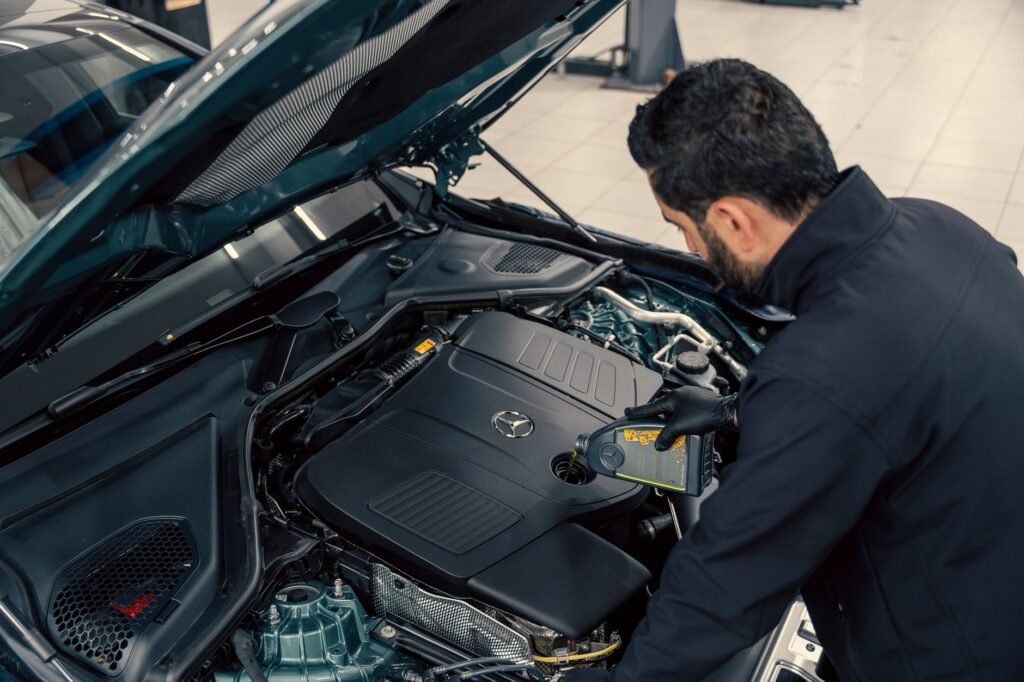
Adhering to a regular maintenance schedule that includes oil changes, fluid checks, and inspections can help prevent issues that lead to knocking sounds. Routine care is essential for engine longevity.
2. Use quality fuel
Always use high-quality fuel that meets your vehicle’s specifications. Avoid fuels with low octane ratings that can cause knocking.
3. Monitor engine temperature
Keep an eye on your engine temperature gauge. If it consistently runs hot, investigate and resolve cooling system issues before they lead to more severe problems.
4. Pay attention to sounds
Be proactive by paying attention to unusual sounds from your engine. Early detection can lead to quicker resolutions, minimizing damage and repair costs.
Conclusion
A knocking sound in your car is not something to ignore. Understanding the potential causes and solutions can help you address the issue quickly, ensuring your vehicle remains reliable and safe. Regular maintenance, quality fuel, and prompt action at the first sign of trouble can prevent severe damage to your engine. If you are unsure about diagnosing or fixing the issue, consulting a qualified mechanic is always the best course of action.
Advanced diagnostics: pinpointing the source of engine knocking
Engine knocking, often a symptom of deeper mechanical issues, can be traced back to various sources within the engine’s operation. Understanding the intricacies of these sources not only aids in timely diagnosis but also prevents costly repairs. There are several advanced diagnostic techniques that can help identify the root cause of knocking sounds, ensuring that drivers can address the issue effectively.
One of the first steps in diagnosing knocking is to utilize an electronic listening device. This tool amplifies the sound of the engine, allowing technicians to pinpoint the exact location of the knocking noise. By placing sensors at various points on the engine block, mechanics can isolate the sound more accurately than with the naked ear. This method is particularly useful when distinguishing between different types of knocks, such as those originating from the pistons versus those from the valvetrain.
Another effective diagnostic technique is conducting a cylinder compression test. Low compression in one or more cylinders can lead to knocking sounds due to improper combustion. Typically, this test involves using a compression gauge to measure the pressure in each cylinder. If a cylinder shows significantly lower compression than the others, it may indicate worn piston rings or a leaking head gasket, both of which can lead to knocking due to poor combustion efficiency.
“A cylinder compression test can reveal critical information about the engine’s health and pinpoint issues contributing to knocking sounds.”
In addition to these mechanical tests, advanced diagnostic software can analyze engine performance metrics in real-time. Many modern vehicles are equipped with onboard diagnostic systems that monitor various parameters such as air-fuel ratio, ignition timing, and engine temperature. Using a diagnostic scanner, technicians can retrieve error codes and performance data that provide insight into the conditions that lead to knocking. For instance, an excessively lean air-fuel mixture can cause pre-ignition or detonation, leading to knocking. Identifying such issues can involve adjusting the engine’s tuning, often requiring a recalibration of the engine control unit (ECU).
Fuel quality also plays a crucial role in preventing knocking. High-octane fuels are designed to resist knocking better than lower-octane alternatives. However, not all fuel types are created equal. Some fuels contain additives that can enhance performance and reduce knocking tendencies. Engine knock can occur when using fuels with low detergent quality, leading to carbon buildup in the combustion chamber, which can create hot spots and initiate premature ignition.
To exemplify, a case study involving a popular turbocharged engine model illustrates the importance of fuel quality. A manufacturer reported that several customers experienced knocking noises, leading to concerns about engine reliability. Upon investigation, it was found that many owners were using cheaper, low-octane fuels. Recommendations to shift to higher-quality fuel resulted in a significant reduction in knocking incidents, showcasing the direct impact of fuel choice on engine performance.
In conclusion, diagnosing engine knocking requires a multifaceted approach that goes beyond surface-level inspections. Utilizing advanced diagnostic tools and understanding the relationship between fuel quality, engine tuning, and mechanical integrity can empower vehicle owners and technicians alike to address knocking issues effectively. By staying informed and proactive, drivers can maintain engine health and avoid the adverse effects of knocking sounds.
Advanced fuel types and their impact on engine knocking
One critical factor influencing the presence of knocking sounds in engine operation is the type of fuel used. Not all gasoline is created equal, and variations in fuel formulation can significantly affect engine performance and knocking tendencies. In particular, the octane rating of fuel plays a pivotal role in how well it resists knocking. High-octane fuels, typically found in premium gasoline, offer enhanced resistance to pre-ignition and detonation, thereby reducing the likelihood of knocking sounds.
For instance, a vehicle equipped with a high-compression engine may require higher-octane fuel to operate smoothly. When lower-octane fuel is used in such engines, it can ignite prematurely due to the heat and pressure within the combustion chamber, leading to the characteristic knocking sound. This scenario is especially prevalent in turbocharged engines, which often run at higher temperatures and pressures. Manufacturers often specify a minimum octane rating for their vehicles, and adhering to this recommendation is crucial for optimal performance.
Another aspect to consider is the additive packages present in different fuel types. Some fuels come with detergents and other compounds designed to clean the engine and prevent knock-inducing deposits from forming on critical components like the fuel injectors and combustion chamber. Fuels lacking these additives can lead to build-up over time, which may exacerbate knocking issues. Regularly using a higher-quality fuel can help keep the engine clean and potentially mitigate knocking sounds.
“Using a fuel with a higher octane rating than required can also improve engine performance, as it allows for more aggressive tuning and better efficiency.”
It is also worth mentioning alternative fuel types, such as ethanol-blended fuels. Ethanol has a higher octane rating than traditional gasoline, which can be beneficial for preventing knocking in certain engines. However, the proportion of ethanol can affect performance; for example, E85 (a blend of 85% ethanol and 15% gasoline) can cause issues in engines not designed for such high ethanol content, potentially leading to lean conditions that can also cause knocking. Drivers must be aware of their vehicle’s compatibility with different fuel types and follow manufacturer guidelines to avoid adverse effects.
Moreover, the geographic region can influence fuel formulation. In some areas, particularly those with stringent emissions regulations, fuels may have different blends that can impact knocking. Seasonal variations in fuel, such as summer versus winter blends, can also change the combustion characteristics and lead to knocking if the engine is not tuned appropriately for these variations.
In conclusion, the relationship between fuel type and engine knocking is complex and multifaceted. Understanding how octane ratings, additives, and fuel blends interact with engine design is crucial for car owners. By selecting the appropriate fuel and maintaining engine cleanliness, drivers can significantly reduce the risk of knocking and enhance their vehicle’s overall performance.
Frequently asked questions
What causes a knocking sound in a car?
A knocking sound in a car can be caused by several factors, including engine knock, worn bearings, or issues with the fuel. It indicates that the engine is not running smoothly.
Is a knocking sound in a car dangerous?
Yes, a knocking sound can signal serious problems, such as engine damage or failure. Ignoring it may lead to costly repairs or unsafe driving conditions.
How can I fix a knocking sound in my car?
Fixing a knocking sound may involve checking the oil level, using higher octane fuel, or addressing worn engine components. Consulting a mechanic is often necessary for accurate diagnosis.
The bottom line
A knocking sound in your car is a warning sign that should not be ignored. Prompt diagnosis and repair can save you from more extensive damage and costs.
Related reading: 2026 Toyota Camry review: still a top midsize sedan, and The best sedans available on the market today. For an outside reference on this topic, see the EPA's official fuel economy database.