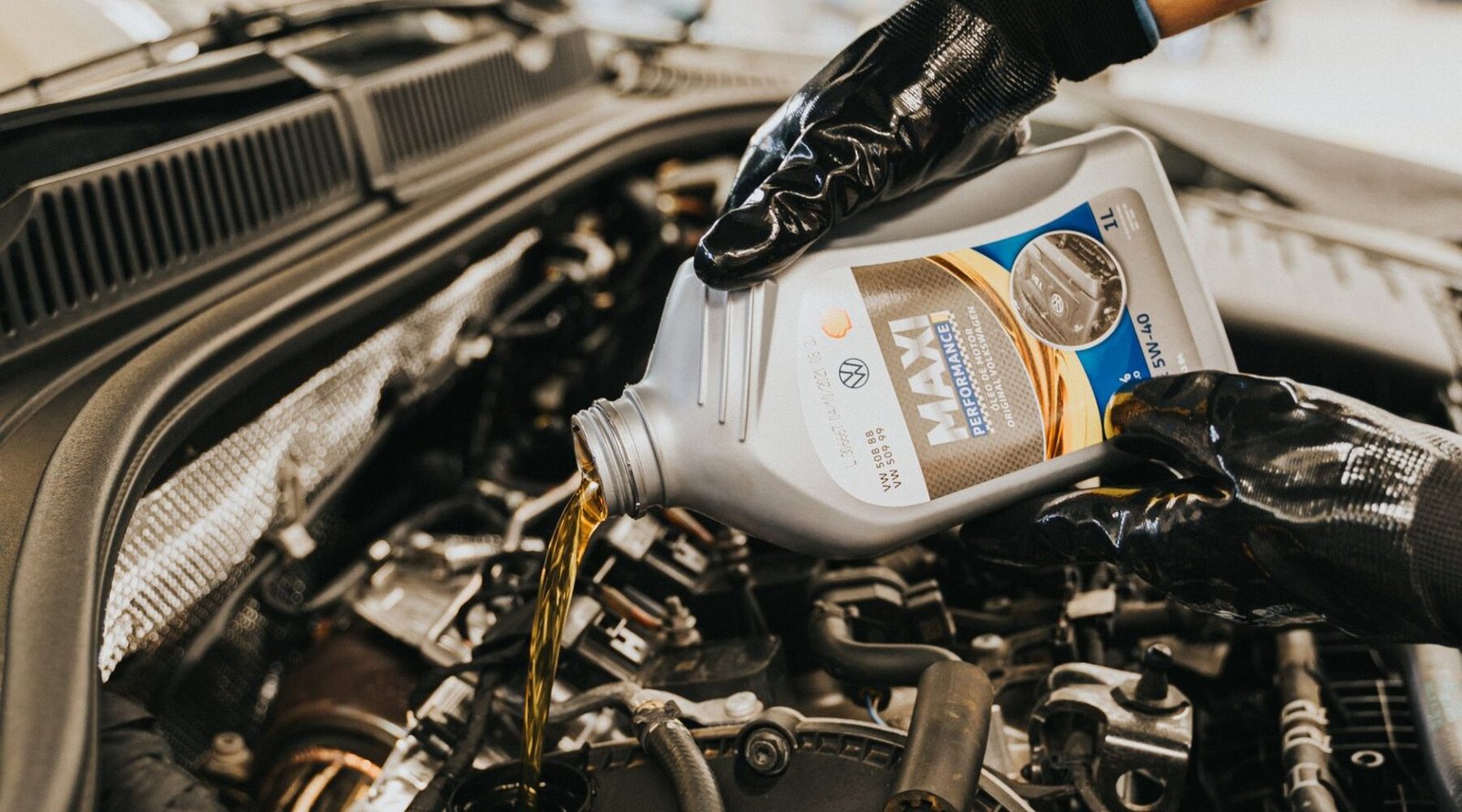
For decades, the automotive service industry operated on a rigid directive: replace your engine oil every three thousand miles. That rule was established when engines relied on basic carburetion, loose manufacturing tolerances, and primitive mineral-based lubricants. Today, adhering to that schedule on a modern vehicle is unnecessary and wasteful. Engine metallurgy, fuel injection precision, and lubricant chemistry have advanced dramatically over the past two decades, pushing standard service intervals well beyond historical norms.
The baseline for modern engine maintenance
For most modern vehicles operating under normal conditions, the standard oil change interval spans between 5,000 and 10,000 miles, or once per calendar year. Vehicles using full synthetic oil frequently specify intervals at the upper end of that range. Some European manufacturers even allow up to 15,000 miles under specific highway driving conditions. However, relying solely on maximum mileage figures requires a clear understanding of how synthetic lubricants function.
Synthetic oils resist thermal breakdown and oxidation far better than conventional mineral oils. They maintain their viscosity across extreme temperature shifts and contain advanced detergent packages that suspend contaminants. Despite these advances, oil still degrades over time through fuel dilution, moisture accumulation, and shear stress. Even if a vehicle covers only two thousand miles in a year, the oil should still be changed annually to remove accumulated moisture and acidic combustion byproducts.
Defining severe driving conditions
The primary mistake drivers make is assuming their daily commute qualifies as normal driving. In reality, most suburban and urban driving falls under the manufacturer definition of severe service. Severe service typically includes frequent trips under five miles, prolonged idling, driving in freezing temperatures, stop-and-go traffic, towing heavy loads, or operating in dusty environments.
Operating under severe service conditions requires adjusting your maintenance interval downward, regardless of what basic marketing schedules suggest.
Short trips are particularly damaging because the engine rarely reaches its optimal operating temperature. When an engine remains cold, water vapor and unburned fuel condense inside the crankcase. Under normal highway driving, that moisture evaporates as oil temperatures exceed two hundred degrees Fahrenheit. On short commutes, these contaminants accumulate, accelerating oil degradation and forming harmful sludge. For vehicles subject to severe service conditions, reducing intervals to 3,000 or 5,000 miles remains necessary, even when using full synthetic formulations.
The role of oil life monitoring systems
Most contemporary vehicles feature automated oil life monitoring systems. It is important to understand that these systems do not physically test the chemistry or cleanliness of the fluid inside your oil pan. Instead, they run complex algorithms based on engine revolutions, operating temperatures, ambient weather conditions, cold starts, and idle time to calculate residual fluid effectiveness.
These digital monitors are generally accurate, but they rely on the assumption that the vehicle is running the exact oil specification required by the factory. Using a lower-grade conventional oil in an engine calibrated for full synthetic will compromise the accuracy of the system. Additionally, vehicle owners should still manually check the dipstick at least once a month. No sensor can replace a visual inspection for low fluid levels, which can lead to severe mechanical damage long before a service indicator illuminates.
Exploring the impact of driving conditions on oil change frequency
While most vehicle manufacturers provide standard oil change intervals, these guidelines can often overlook the significant variability introduced by real-world driving conditions. Understanding how these conditions affect oil degradation and engine health is crucial for optimizing maintenance schedules.
For instance, driving habits such as frequent short trips can have a detrimental impact on engine oil. In urban environments, where stop-and-go traffic is prevalent, the engine often operates below its optimal temperature. This can lead to incomplete combustion and increased fuel contamination in the oil. As a result, drivers who primarily engage in short, infrequent trips may need to change their oil more frequently than those who drive long distances on highways.
Conversely, drivers who primarily operate their vehicles in highway conditions may extend their oil change intervals. The engine reaches optimal operating temperature more consistently, allowing for better combustion and reduced contamination. However, this does not mean that highway driving is without its own set of challenges. Prolonged high RPM driving can lead to increased thermal stress on the oil, necessitating a more vigilant approach to monitoring oil quality.
“An oil analysis can provide valuable insights into the condition of your engine oil, helping to determine the optimal change interval based on real-world driving conditions.”
In addition to driving habits, environmental factors play a significant role in oil performance. For example, extreme temperatures—both hot and cold—can affect oil viscosity and its ability to protect engine components. In colder climates, oil can thicken, leading to inadequate lubrication until the engine warms up. This can increase wear during startup and may necessitate more frequent oil changes. Conversely, high temperatures can accelerate the breakdown of oil, causing it to lose its protective properties more quickly. Drivers in these regions should consider using synthetic oils, which are engineered to withstand higher temperatures and provide better protection under extreme conditions.
Another critical factor is the type of oil used. Synthetic oils typically offer better protection and longer intervals between changes compared to conventional oils. For drivers who frequently operate in challenging conditions—such as towing heavy loads, driving in mountainous terrain, or frequently using their vehicle for heavy-duty applications—synthetic oil may be a more prudent investment. Not only does it provide enhanced thermal stability, but it also resists breakdown and maintains its viscosity longer than conventional oils.
“Choosing the right oil type and understanding your unique driving conditions can significantly enhance engine longevity and performance.”
Lastly, technology has made it easier than ever for drivers to monitor their engine oil’s condition. Many modern vehicles come equipped with oil life monitoring systems that analyze driving patterns and oil quality to provide personalized change interval recommendations. These systems take into account factors such as engine load, temperature, and driving style, offering a more tailored approach to maintenance. However, it is important for drivers to remain engaged and not solely rely on these systems; regularly checking oil levels and quality can provide additional peace of mind.
In summary, while general recommendations on engine oil change intervals provide a useful starting point, understanding the nuances of individual driving conditions can lead to more informed decisions. By taking into account factors such as driving habits, environmental conditions, and oil type, drivers can optimize their maintenance schedules and improve the overall performance and longevity of their vehicles.
Evaluating the impact of driving conditions on oil change frequency
While many vehicle owners adhere to the manufacturer’s recommended oil change intervals, these guidelines often fail to account for the real-world driving conditions that can significantly affect engine performance and oil longevity. Understanding how various driving conditions influence oil degradation can empower drivers to make more informed decisions regarding their oil change schedules.
For instance, frequent short trips, often seen in urban driving scenarios, can be particularly detrimental to engine oil. When an engine is started, it requires time to reach optimal operating temperature. Short trips, typically less than 10 miles, prevent the engine from warming up sufficiently, leading to incomplete combustion and the buildup of moisture and contaminants in the oil. This can degrade the oil’s effectiveness, necessitating more frequent changes than the standard interval suggests.
“Urban driving often leads to oil degradation due to the engine not reaching optimal temperature.”
On the other hand, highway driving can provide a different set of challenges. While highway driving tends to be less taxing on the engine compared to stop-and-go city driving, longer trips can introduce factors such as higher engine speeds and increased exposure to high temperatures, especially in warmer climates. This can lead to thermal breakdown of the oil, which may not be immediately evident until performance issues arise. Consequently, drivers engaging in prolonged highway travel might find that their oil breaks down faster than the standard intervals recommend.
Additionally, environmental factors should not be overlooked. For example, driving in extreme temperatures—whether hot or cold—can impact oil viscosity and performance. In hot climates, oil may thin out faster, while cold temperatures can lead to increased viscosity, making it harder for oil to circulate effectively during startup. Drivers in these regions may need to adjust their oil change intervals accordingly, opting for synthetic oils that are designed to withstand a broader range of temperatures.
“Extreme temperatures affect oil viscosity, making it crucial for drivers to adjust change intervals accordingly.”
Another key consideration is the driving style of the operator. Aggressive driving—characterized by rapid acceleration, hard braking, and high RPMs—places additional stress on the engine, leading to faster oil degradation. In contrast, a more conservative driving style can prolong oil life. Fleet operators often track driving behaviors using telematics to optimize maintenance schedules, recognizing that individual driving habits significantly affect their oil change needs.
For those using their vehicles for towing or hauling, the engine experiences additional strain. Towing puts extra load on the engine, which can accelerate oil breakdown. Manufacturers often provide separate guidelines for vehicles that regularly tow or carry heavy loads, advising more frequent oil changes due to the increased heat and pressure generated under these conditions.
In conclusion, while standard oil change intervals provide a useful baseline, understanding the real-world factors that influence engine performance is essential. Assessing driving conditions, styles, and environmental factors can help drivers make more informed decisions, ensuring their vehicles run efficiently and last longer. By adapting maintenance practices to reflect actual usage, vehicle owners can protect their investment and enhance engine longevity.
The role of driving habits in oil change intervals
Understanding engine oil change intervals is not solely about adhering to the manufacturer’s recommendations; it also significantly depends on individual driving habits. An analysis of driving conditions and patterns can provide deeper insights into when an oil change is genuinely necessary.
For instance, frequent short trips, particularly those under 10 miles, can severely impact engine oil performance. In these scenarios, the engine may not reach optimal operating temperature, leading to incomplete combustion of fuel and resulting in the formation of sludge and other contaminants within the oil. This is particularly critical for vehicles equipped with turbocharged engines, which may require more frequent oil changes due to higher operating temperatures and pressures.
“Drivers who engage in stop-and-go traffic or primarily use their vehicles for short distances should consider changing their oil more frequently than the standard recommendation.”
On the other hand, drivers who engage in long highway trips may find their oil can last longer than the standard interval. Highway driving allows the engine to run at a steady temperature and minimizes the buildup of contaminants. However, this does not mean that they are immune to the effects of time. Oil degrades over time, regardless of driving conditions, so regular checks and changes based on both mileage and time are essential.
Additionally, how one drives can also play a significant role. Aggressive acceleration, hard braking, and high-speed driving can lead to increased engine stress and oil breakdown. For example, drivers who frequently tow heavy loads or carry heavy cargo should be aware that such activities can necessitate more frequent oil changes due to the added strain on the engine and the oil’s protective properties.
“Towing or carrying heavy loads increases the thermal and mechanical stress on the engine, which can accelerate the breakdown of engine oil.”
Environmental factors cannot be overlooked either. Extreme temperatures—both hot and cold—affect oil consistency and performance. In hotter climates, for instance, oil may thin out more quickly, losing its viscosity and protective qualities sooner than expected. Conversely, in colder climates, oil may not flow as effectively until warmed up, which can lead to increased wear during initial startup. Vehicles operating in extreme conditions may benefit from synthetic oils, which are designed to perform better under temperature extremes and may provide a more stable viscosity over a wider temperature range.
To gain a comprehensive understanding of when to change oil, drivers should consider utilizing oil analysis services. These services allow vehicle owners to send a sample of their oil to a lab, where it undergoes tests to determine its condition and how much longer it can effectively protect the engine. This proactive approach can lead to more personalized maintenance schedules based on actual engine wear rather than generalized recommendations.
In conclusion, recognizing the interplay between driving habits and oil change intervals is crucial for maintaining engine health. Adapting maintenance practices to reflect individual usage patterns can enhance engine performance, extend vehicle lifespan, and ultimately lead to a more economical approach to vehicle maintenance.
Related reading: Essential car maintenance practices for long-term reliability, and The physical limits of modern production car top speeds. For an outside reference on this topic, see NHTSA's vehicle resources.



2 Responses