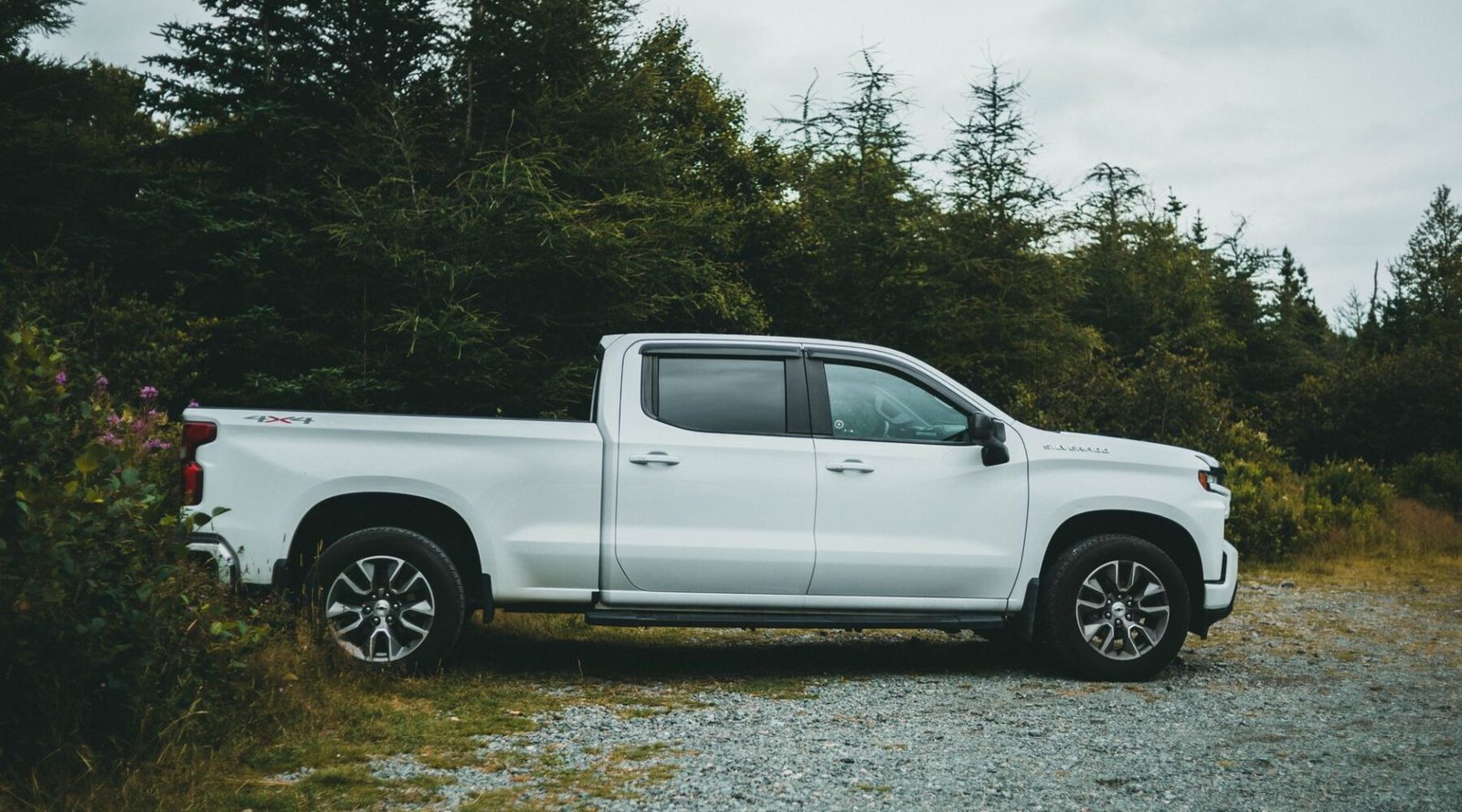
The 1996 Chevrolet Silverado is a noteworthy entry in the long line of Silverado trucks that have defined the American pickup market. Known for its blend of durability, performance, and comfort, this model year stands out in a competitive segment. Whether you’re looking for a workhorse or a daily driver, the 1996 Silverado offers a variety of options that cater to different needs.
Overview of the 1996 Chevrolet Silverado
The 1996 Silverado is part of the GMT400 platform, which was introduced in 1988 and underwent various updates over the years, leading to the well-regarded models of the mid-90s. The truck was available in several configurations, including regular, extended, and crew cab styles, as well as a wide range of trims and engine options, making it a versatile choice for buyers.
Engine Options and Performance
The 1996 Chevrolet Silverado came equipped with multiple engine choices, catering to a variety of preferences. Buyers could choose from a 4.3-liter V6, a 5.0-liter V8, or a more powerful 5.7-liter V8. The V6 engine produces 160 horsepower and 260 lb-ft of torque, which is adequate for light towing and daily driving. The 5.0-liter V8 offers a modest upgrade, producing 255 horsepower and 330 lb-ft of torque, while the 5.7-liter V8 delivers a robust 350 horsepower and 400 lb-ft of torque, ideal for those needing serious towing capabilities.
Transmission options included a five-speed manual or a four-speed automatic, both of which provided smooth shifts and responsive performance. The Silverado’s available four-wheel drive system further enhanced its capability, making it suitable for off-road adventures and tough weather conditions.
Interior Features and Comfort
The interior of the 1996 Silverado was designed with both functionality and comfort in mind. The cabin features a straightforward layout, with controls that are easy to reach and operate. Depending on the trim level, buyers could enjoy amenities such as plush seating, air conditioning, power windows, and an upgraded sound system.
Extended cab models provide additional rear-seat space, making them an excellent choice for families or those who frequently transport passengers. The materials used in the interior, while not luxurious, are durable and designed to withstand the rigors of everyday use.
Safety Features
In terms of safety, the 1996 Chevrolet Silverado came with essential features that were typical for the time. Standard safety equipment included driver and passenger airbags, antilock brakes, and a strong frame designed to absorb impact. While modern safety standards have evolved significantly, the Silverado’s build quality and safety features were commendable for the mid-90s.
Fuel Economy
Fuel economy is an important consideration for any pickup truck. The 1996 Silverado, depending on the engine choice and configuration, offered varying miles per gallon (MPG) ratings. The V6 engine achieved approximately 15-20 MPG combined, while the smaller V8 engine offered slightly better efficiency at around 14-19 MPG. The 5.7-liter V8, although more powerful, typically returned around 13-18 MPG. Buyers should consider their driving habits and needs when evaluating fuel economy.
Common Issues and Reliability
The 1996 Chevrolet Silverado is generally regarded as a reliable vehicle, but like any used car, it is important for potential buyers to be aware of common issues that may arise. Some owners have reported problems with the fuel pump, steering components, and electrical systems. Regular maintenance can mitigate many of these issues, so it is essential to check service history and ensure that the vehicle has been well cared for.
Market Value and Availability
The market value of the 1996 Chevrolet Silverado can vary significantly based on condition, mileage, and trim level. As of now, prices typically range from around $3,000 for models in fair condition to upwards of $10,000 for well-maintained examples with low mileage. Given its popularity and durability, finding a Silverado from 1996 in decent shape is achievable, but buyers should be prepared to conduct thorough inspections to ensure they are making a sound investment.
Comparisons with Competitors
In 1996, the Silverado faced stiff competition from other full-size pickups, notably the Ford F-150 and Dodge Ram 1500. The Ford F-150 was known for its strong performance and broad array of options, while the Dodge Ram 1500 offered a unique styling and a comfortable ride. The Silverado, however, carved out its niche by offering a balanced combination of reliability, comfort, and strong towing capabilities, which has helped it maintain popularity among truck enthusiasts.
Final Thoughts on the 1996 Chevrolet Silverado
The 1996 Chevrolet Silverado remains a compelling choice for buyers seeking a reliable and versatile pickup truck. With its variety of configurations, engine options, and solid build quality, it continues to appeal to a wide range of drivers. Enthusiasts appreciate its classic design and the robustness that has made it a favorite over the decades. For those considering a purchase, it is advisable to research individual listings and inspect vehicles thoroughly before making a decision.
Interested in This Car?
If you are considering this vehicle, you can check its current availability, pricing, and purchase options from the seller.
Interested in This Car?
If you are considering this vehicle, you can check its current availability, pricing and purchase options from the seller.
Understanding engine options and configurations
The 1996 Chevrolet Silverado offered a range of engine options that catered to various needs, from fuel efficiency to towing capacity. Understanding these options is crucial for buyers looking to match their needs with the right configuration.
The base engine was a 4.3-liter V6, producing 160 horsepower and 240 lb-ft of torque. This engine was suitable for light-duty tasks and daily commuting but lacked the power for heavier towing. Buyers seeking a more robust performance often opted for the 5.0-liter V8, which generated 230 horsepower and 300 lb-ft of torque, striking a balance between power and fuel economy.
For those needing serious towing capacity, the 5.7-liter V8 (also known as the 350) was the top choice, delivering 255 horsepower and 330 lb-ft of torque. This engine was particularly popular among contractors and outdoor enthusiasts who required a reliable truck for hauling trailers, boats, or heavy equipment. The 5.7-liter V8 was also known for its durability, with many owners reporting high mileage without significant issues.
“Choosing the right engine can significantly affect your Silverado’s performance and longevity.”
Transmission options included a 5-speed manual and a 4-speed automatic, with the latter being the more popular choice for those seeking ease of operation. Buyers should consider the maintenance history of the transmission, as the automatic models can sometimes experience issues if not properly serviced.
Another key consideration is the drivetrain configuration. The 1996 Silverado was available in both two-wheel and four-wheel drive. For buyers in colder climates or those who plan to tackle off-road conditions, the four-wheel drive option is essential. It’s important to verify that the four-wheel drive system operates correctly, as repairs can be costly. Inspect the transfer case and front differential for signs of leaks or wear, which can indicate potential problems.
Fuel efficiency is another critical factor, especially for buyers who plan to use their Silverado as a daily driver. The 4.3-liter V6 offers better fuel economy, averaging around 17-21 MPG, while the 5.0-liter and 5.7-liter V8s typically range from 14-18 MPG, depending on driving conditions. Prospective buyers should also consider the type of fuel they plan to use, as the V8 engines run best on premium gasoline, which can add to operating costs.
Lastly, the Silverado’s towing capacity varies significantly based on the engine and drivetrain configuration. The 4.3-liter V6 can handle up to 5,000 pounds, while the 5.0-liter V8 increases that capacity to around 7,000 pounds. The 5.7-liter V8 can tow upwards of 8,000 pounds, making it the ideal choice for those who need to haul heavy loads regularly. Buyers should always check the specific vehicle’s towing capacity listed on the door jamb sticker or in the owner’s manual, as it can vary with additional options and configurations.
“Know your needs: selecting the right engine and drivetrain can make all the difference in your Silverado ownership experience.”
In summary, understanding the engine options, transmission types, drivetrain configurations, and their respective implications on performance and efficiency is essential for making an informed purchase decision. By aligning your specific needs with the appropriate Silverado configuration, you can enhance your ownership experience and ensure that the vehicle serves you well for years to come.
Engine options and performance insights
The 1996 Chevrolet Silverado offers a range of engine options that significantly impact performance, fuel economy, and overall driving experience. Understanding these options can help buyers make informed decisions based on their needs.
The base engine is a 4.3-liter V6 that delivers 160 horsepower and 240 lb-ft of torque. This engine is sufficient for everyday driving and light towing, making it a suitable choice for those who may not require heavy-duty performance. However, for buyers intending to use their Silverado for towing or carrying heavier loads, the 5.0-liter V8, producing 230 horsepower and 300 lb-ft of torque, is a more appropriate choice. This engine strikes a balance between power and fuel efficiency, offering better performance without a significant drop in miles per gallon.
For those seeking maximum power, the 5.7-liter V8 engine is the standout option, generating 250 horsepower and 350 lb-ft of torque. This engine is particularly well-regarded for its towing capabilities and overall performance. It is worth noting that the 5.7-liter V8 is also compatible with a variety of aftermarket enhancements, allowing enthusiasts to increase power even further. Additionally, the 5.7-liter engine features a robust construction that contributes to its longevity, a factor that can be particularly appealing to used car buyers.
“The 5.7-liter V8 is not just about raw power; it also provides a level of reliability and ease of maintenance that many Silverado owners appreciate.”
When it comes to transmission options, the Silverado offers a choice of a five-speed manual or a four-speed automatic. The automatic transmission is often favored for its ease of use, especially in urban settings or when towing. However, the manual option provides a more engaging driving experience for those who prefer greater control over their vehicle.
Fuel economy is another critical consideration. The 4.3-liter V6 achieves around 17 mpg in the city and 23 mpg on the highway, while the 5.0-liter V8 offers slightly lower figures, averaging 15 mpg in the city and 21 mpg on the highway. The 5.7-liter V8 stands at the lower end of the spectrum, with fuel economy ratings of 14 mpg in the city and 19 mpg on the highway. Buyers should factor in these numbers when considering long-term fuel costs, especially if they plan to use the vehicle for daily commuting or long-distance travel.
Another aspect of performance is the towing capacity. The base V6 engine can tow up to 4,000 pounds, while the 5.0-liter V8 increases this capacity to approximately 6,000 pounds. The 5.7-liter V8, with its higher torque output, can tow between 7,500 to 8,000 pounds, depending on configuration, making it an excellent choice for those needing to haul trailers, boats, or other heavy loads.
Finally, consider the Silverado’s drivetrain options. The 1996 model offers both rear-wheel drive (RWD) and four-wheel drive (4WD) configurations. RWD models are generally lighter and more fuel-efficient, making them ideal for city driving. In contrast, 4WD models provide enhanced traction and stability, making them well-suited for off-road adventures or driving in adverse weather conditions.
In summary, understanding the engine options and performance characteristics of the 1996 Chevrolet Silverado is essential for potential buyers. Each engine provides unique strengths that cater to different driving needs, whether it’s daily commuting, towing, or off-road capability. By considering these factors, buyers can select a Silverado that best fits their lifestyle and requirements.
Understanding the 1996 Silverado’s trim levels and configurations
The 1996 Chevrolet Silverado is notable not only for its performance and reliability but also for the variety of trim levels and configurations that cater to different needs. Buyers should pay close attention to these options when assessing the vehicle’s value and suitability for their purposes.
The Silverado was available in several trim levels, including the base model, the LS, and the LT. The base model offers essential features and is ideal for budget-conscious buyers who need a workhorse without frills. It typically comes with a standard bench seat, manual windows, and minimal technological features, making it a straightforward option for those who prioritize functionality over luxury.
For buyers looking for enhanced comfort and convenience, the LS trim is a compelling choice. This version adds features such as a more comfortable interior with upgraded upholstery, power windows, and a more sophisticated audio system. Additionally, the LS trim may come with options for a more powerful engine, catering to those who need extra towing capacity or improved performance for hauling loads.
The LT trim represents the pinnacle of the Silverado experience in 1996, offering a plethora of luxury features. Buyers can expect leather seating, a premium sound system, and an upgraded instrument panel. This trim level is particularly attractive to those who want a truck that can serve as both a daily driver and a reliable work vehicle.
“Understanding the differences between the trim levels can significantly impact resale value and overall satisfaction with the vehicle.”
Moreover, the Silverado was available in various cab configurations, including Regular Cab, Extended Cab, and Crew Cab. The Regular Cab is ideal for single drivers or those using the truck primarily for work purposes. In contrast, the Extended Cab offers extra seating and storage space, making it a practical choice for families or those who frequently travel with passengers. The Crew Cab, though less common in the 1996 model year, provides the most space and comfort, accommodating larger groups without sacrificing bed length.
Another important aspect to consider is the bed length options. The Silverado was available with a short bed (6.5 feet) and a long bed (8 feet). Choosing the right bed length depends on the intended use of the truck. A longer bed is advantageous for hauling larger loads, while a shorter bed can enhance maneuverability in urban settings.
Buyers should also be aware of the engine options available for the 1996 Silverado. The base engine is a 4.3-liter V6, but many buyers opt for the 5.0-liter or 5.7-liter V8 engines for their improved power and towing capacity. The choice of engine can significantly affect the truck’s performance, fuel economy, and overall driving experience.
Finally, potential buyers should consider the availability of specific packages and features that enhance functionality. For instance, the Z71 Off-Road Package includes features such as skid plates and off-road shocks, which are valuable for those who plan to use their Silverado in rugged conditions. Other packages may focus on towing capabilities or technology upgrades, further personalizing the truck to meet individual needs.
“Understanding the trim levels and configurations will not only guide buyers in choosing the right model but also aid in negotiations during the purchase process.”
In summary, the 1996 Chevrolet Silverado offers a range of trim levels, cab configurations, and engine options that can cater to a wide variety of buyer preferences. It is essential for prospective buyers to consider how they plan to use the truck and select the configuration that best meets their requirements. This consideration can enhance both satisfaction and long-term value in their investment.
Related reading: Exploring the BMW 318ti: A Compact Classic, and Best cars for city driving. For an outside reference on this topic, see Consumer Reports' car-buying advice.