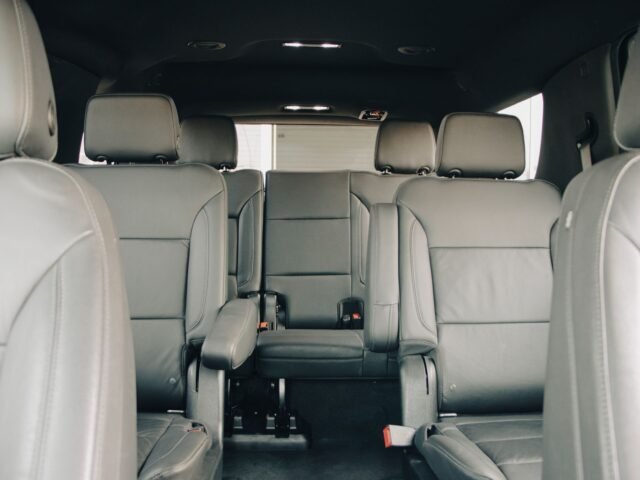
When it comes to selecting a vehicle, the choices can often feel overwhelming. The decision to choose between a sedan, SUV, truck, or hatchback is influenced by various factors, including lifestyle, needs, and preferences. Understanding the characteristics and advantages of each vehicle type will guide you in making an informed decision that aligns with your requirements.
Understanding the Basics of Each Vehicle Type
The first step in making a decision is to understand the fundamental differences between sedans, SUVs, trucks, and hatchbacks. Each category offers distinct features, performance, and utility.
Sedans
Sedans are typically characterized by their three-box design, which includes separate compartments for the engine, passengers, and cargo. They are known for their fuel efficiency, comfortable ride, and generally lower purchase price. Sedans come in various sizes, from compact to full-size, and tend to excel in urban environments due to their agility and ease of parking.
SUVs
Sport Utility Vehicles (SUVs) have surged in popularity due to their versatility and spaciousness. They offer higher ground clearance, an elevated driving position, and often come with all-wheel or four-wheel drive options, making them suitable for both city and off-road driving. SUVs typically have more cargo space than sedans and can accommodate larger families and outdoor gear.
Trucks
Trucks, specifically pickup trucks, are designed for utility and heavy hauling. They feature an open bed for transporting cargo and are available in various sizes, from compact to heavy-duty. Trucks are ideal for those who need to tow trailers, transport equipment, or navigate rugged terrain. However, they often have lower fuel efficiency compared to sedans and SUVs.
Hatchbacks
Hatchbacks combine features of both sedans and SUVs. They have a rear door that swings upward, providing easy access to the cargo area. This design often allows for more versatile cargo space and can accommodate larger items than traditional sedans. Hatchbacks are typically compact and are favored for their practicality in urban settings.
Assessing Your Lifestyle and Needs
Before making a decision, consider your lifestyle and how you intend to use the vehicle. Different vehicles cater to different needs, and understanding yours is key.
Daily Commute
If your primary use for the vehicle is commuting, a sedan or hatchback might be the best choice. They offer better fuel efficiency, are easier to maneuver in traffic, and are generally more affordable in terms of maintenance and insurance.
Family Requirements
For families, an SUV or hatchback may be more suitable due to their additional passenger space and cargo capacity. Consider the number of passengers you typically transport, as well as the amount of cargo you need to carry, such as strollers or sports equipment.
Outdoor and Recreational Activities
If you frequently engage in outdoor activities such as camping, biking, or towing trailers, a truck or SUV could be the better option. Their towing capabilities and off-road potential make them ideal for carrying bikes, kayaks, or camping gear.
Evaluating Performance and Efficiency
Performance and fuel efficiency are crucial considerations when choosing between a sedan, SUV, truck, or hatchback. Each vehicle type has its strengths and weaknesses in these areas.
Fuel Economy
Sedans generally offer the best fuel economy, making them cost-effective for daily driving. Hatchbacks also tend to be fuel-efficient, especially if they are smaller. SUVs and trucks, while providing more utility, typically sacrifice some fuel economy due to their size and weight.
Performance Metrics
When considering performance, look at factors such as horsepower, torque, and handling. Sedans often provide a sportier driving experience due to their lower center of gravity and lighter weight. SUVs may offer a comfortable ride with higher seating and visibility, while trucks excel in towing and hauling capabilities.
Cost Considerations
The cost of ownership extends beyond the initial purchase price. Various factors contribute to the total cost of owning a vehicle, including insurance, maintenance, and fuel expenses.
Initial Purchase Price
Generally, sedans and hatchbacks have a lower initial purchase price compared to SUVs and trucks. If budget is a primary concern, a compact sedan or hatchback may be the most economical choice.
Insurance and Maintenance Costs
Insurance rates can vary significantly between vehicle types. Sedans often enjoy lower insurance premiums due to their safety ratings and lower replacement costs. Trucks and SUVs, while offering more utility, may come with higher insurance rates. Maintenance costs also vary; sedans usually require less expensive repairs than trucks, which can have more complex systems.
Safety Features and Ratings
Safety is an essential aspect of any vehicle purchase. Evaluating safety features and ratings can help you make a more informed decision.
Crash Test Ratings
Look for vehicles with high crash test ratings from organizations like the National Highway Traffic Safety Administration (NHTSA) and the Insurance Institute for Highway Safety (IIHS). Generally, SUVs and trucks offer better crash protection due to their size and build, although many sedans and hatchbacks also perform well.
Advanced Safety Technologies
Modern vehicles come equipped with a range of advanced safety features, including adaptive cruise control, lane-keeping assist, and automatic emergency braking. These features are increasingly standard across all vehicle types, but some models may offer more comprehensive packages than others.
Environmental Impact
With increasing awareness of environmental issues, considering the ecological footprint of your vehicle is more important than ever.
Emissions and Fuel Efficiency
Sedans and hatchbacks, with their smaller engines and lighter weight, tend to produce fewer emissions and consume less fuel. If environmental impact is a significant concern, consider hybrid or electric options within these categories.
SUVs and Trucks
While SUVs and trucks offer more capability, they often come with higher emissions and lower fuel efficiency. However, manufacturers are increasingly producing hybrid models that mitigate these concerns, making them more environmentally friendly.
Resale Value and Longevity
Understanding the resale value of a vehicle can help you make a financially sound decision. Different vehicle types have varying depreciation rates.
Depreciation Rates
Generally, sedans tend to depreciate faster than SUVs and trucks, which hold their value better due to their popularity and utility. If you plan to sell or trade in your vehicle in a few years, consider how different types hold their value.
Longevity and Reliability
Trucks often boast the highest longevity, particularly models designed for heavy usage. Sedans and hatchbacks can also be reliable, especially from manufacturers known for their durability. Researching specific models and their reliability ratings can provide insight into which vehicles may serve you best over time.
Conclusion: Making the Final Decision
Choosing between a sedan, SUV, truck, or hatchback ultimately depends on your individual needs, lifestyle, and preferences. Analyze each vehicle type’s characteristics, assess your requirements, and consider factors such as performance, cost, safety, and environmental impact. By taking the time to thoroughly evaluate your options, you can select the vehicle that best suits your life and ensures satisfaction for years to come.
Insurance and resale value considerations
When selecting a vehicle type, it’s essential to consider not just the initial purchase price but also the long-term financial implications, particularly insurance costs and resale value. Different vehicle categories can carry significantly different insurance premiums and depreciation rates, which can affect your overall ownership experience.
Sedans, for example, are generally less expensive to insure compared to SUVs and trucks. This is largely due to their lower risk profile; sedans often have better safety ratings and are less likely to be involved in accidents that result in high repair costs. For instance, a mid-size sedan like the Honda Accord typically has insurance premiums that are 10-20% lower than comparable SUVs, making it an attractive option for budget-conscious buyers.
On the other hand, SUVs and trucks tend to have higher premiums. While they offer benefits like increased cargo space and off-road capability, their higher risk of theft and accident involvement can lead to elevated insurance costs. For example, popular SUVs like the Ford Explorer or the Toyota RAV4 can see insurance rates that are 20-30% higher than similar sedans. It’s important for potential buyers to get insurance quotes for specific models before making a final decision.
“The insurance cost can significantly impact your budget, so it’s wise to factor it into your vehicle choice.”
Another key factor to consider is the resale value of the vehicle, which is influenced by market demand, brand reputation, and overall durability. Generally, trucks tend to retain their value better than sedans and hatchbacks. According to Kelley Blue Book, full-size trucks like the Ford F-150 have some of the highest resale values in the automotive market. This is attributed to their utility and the ongoing popularity of truck ownership for both personal and work-related use.
Conversely, sedans, particularly in the compact segment, may depreciate more quickly. The rise in demand for SUVs and crossovers has led to a decline in the resale values of sedans. For example, a compact sedan like the Toyota Corolla can lose up to 40% of its value within three years, whereas an SUV like the Honda CR-V might only lose around 30% in the same timeframe.
“Understanding resale values can help you make a more informed decision that aligns with your long-term financial goals.”
Additionally, specific features can also influence insurance premiums and resale values. Vehicles equipped with advanced safety features, such as automatic emergency braking or adaptive cruise control, may qualify for insurance discounts and can also have better resale values due to their desirability in the second-hand market. Thus, investing in a model with these features can be beneficial in the long run.
Ultimately, when choosing between a sedan, SUV, truck, or hatchback, it’s crucial to weigh not only the immediate handling, comfort, and functionality but also the broader financial implications of insurance and resale value. A thorough analysis can lead to a more satisfying purchase that aligns with both your lifestyle and financial objectives.
Understanding the total cost of ownership
When choosing between a sedan, SUV, truck, or hatchback, it’s crucial to consider not just the purchase price, but the total cost of ownership (TCO). TCO encompasses several factors beyond the sticker price, including depreciation, insurance, fuel costs, maintenance, and potential financing expenses. Each vehicle type carries distinct characteristics that influence these costs.
Sedans are often the most economical in terms of TCO. They generally have lower depreciation rates and better fuel efficiency compared to SUVs and trucks. For example, a mid-sized sedan might average 30 miles per gallon, while a full-sized SUV may only achieve 20 miles per gallon. Over five years, this difference can result in significant savings, particularly for those who drive long distances regularly.
On the other hand, SUVs offer versatility at a higher cost. Their depreciation can be steeper initially, but they often retain value better than sedans in certain markets, especially in regions where all-wheel drive is desirable. For instance, a compact SUV may lose about 40% of its value after five years, while a comparable sedan might lose 50%. This difference can impact resale value significantly, making it essential to consider your long-term plans.
Trucks, while excellent for hauling and towing, tend to be the most expensive option regarding TCO. They usually have higher insurance premiums due to their size and capabilities. Fuel costs are another consideration; a full-sized truck can average around 15-18 miles per gallon, which translates to higher fuel expenses over time. However, if your lifestyle involves frequent towing or off-road activities, these costs might be justified.
Hatchbacks strike a balance between sedans and SUVs. They often provide better cargo flexibility than sedans while maintaining good fuel efficiency. The TCO for hatchbacks can be appealing, especially for urban drivers who value maneuverability and parking ease. A hatchback might offer the same fuel economy as a sedan but with the added benefit of a larger cargo area.
“Consider your lifestyle and how often you’ll use your vehicle’s capabilities. The true cost of ownership can vary dramatically based on your specific needs and driving habits.”
Insurance rates are another hidden cost that varies by vehicle type. Generally, sedans tend to have lower premiums due to their lower risk profile. Conversely, SUVs and trucks often attract higher rates because they are more likely to be involved in accidents that result in greater damage. However, safety ratings can also play a role; vehicles with higher safety ratings may benefit from lower insurance costs.
Maintenance costs should also be factored into your TCO analysis. Sedans and hatchbacks typically require less maintenance and fewer repairs compared to SUVs and trucks, which can have more complex systems and parts. For example, the cost of replacing tires on an SUV or truck can be significantly higher due to their larger size.
In conclusion, understanding the total cost of ownership is essential when choosing between a sedan, SUV, truck, or hatchback. Each vehicle has its strengths and weaknesses, and the impact of these factors can vary greatly depending on individual circumstances. By assessing your driving habits, lifestyle needs, and long-term goals, you can make a more informed decision that aligns with your financial situation and personal preferences.
Related reading: The most capable compact crossovers for family transport, and Best cars to buy on a budget. For an outside reference on this topic, see Consumer Reports' car-buying advice.