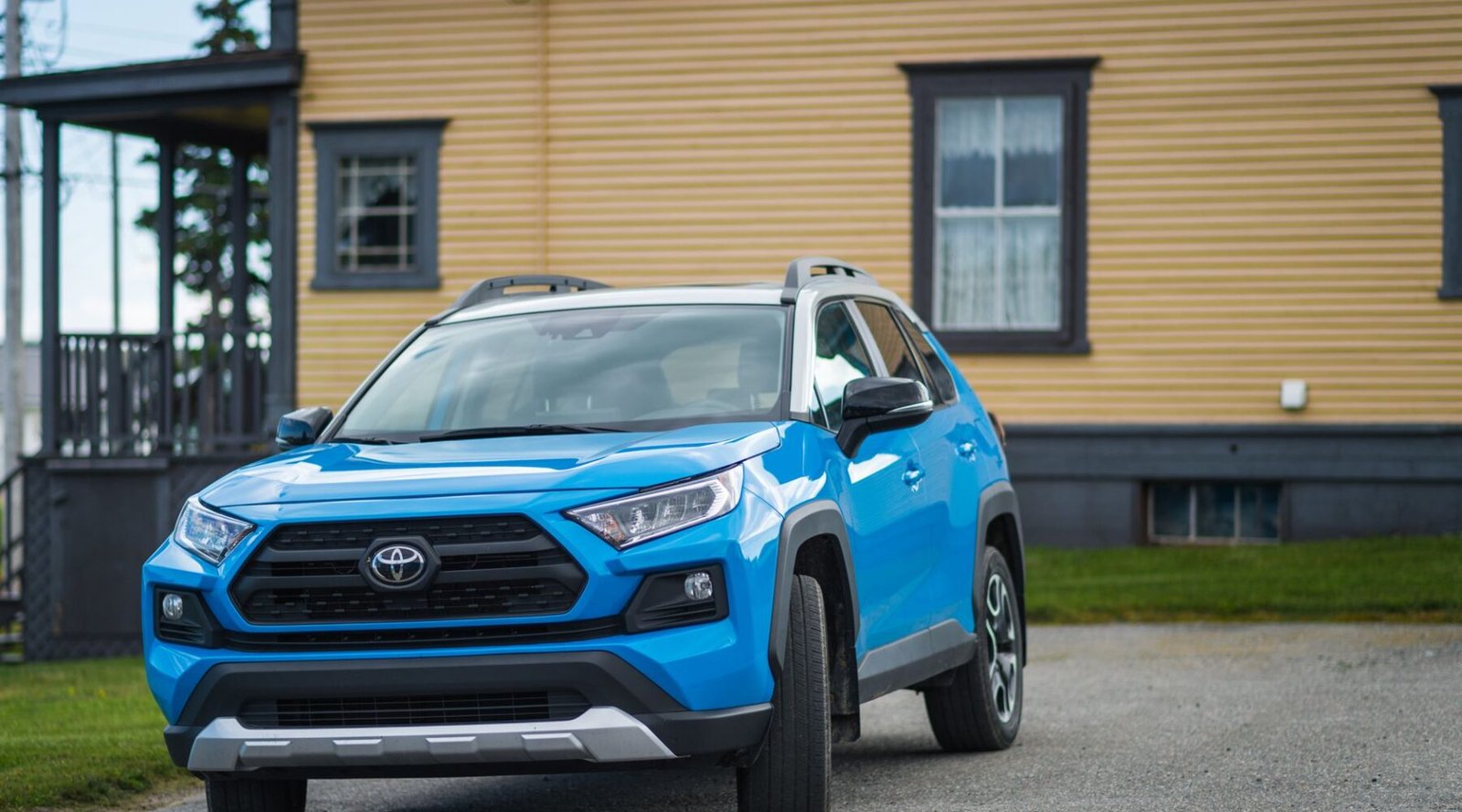
The compact crossover segment remains the primary choice for modern families. Combining car-like maneuverability with elevated seating and hatchback versatility, these vehicles must execute daily errands, school drop-offs, and highway road trips without complaint. Selecting the right model requires looking beyond promotional performance figures to evaluate rear-seat legroom, cargo access, safety equipment, and real-world efficiency.
Benchmark practicality and interior layout
The Honda CR-V continues to define spatial efficiency in this category. Its rear doors open to nearly ninety degrees, significantly simplifying the installation of bulky rear-facing child seats. Rear legroom is exceptionally generous, allowing adults to sit comfortably behind tall drivers. The cargo bay features a low load floor, which reduces physical strain when lifting heavy strollers or gear. Honda has also retained intuitive physical switchgear for primary climate and volume controls, reducing driver distraction on busy roads.
Practical family transport relies on low load heights, straightforward cabin controls, and generous door openings rather than complex touchscreens.
For households prioritizing operational efficiency alongside utility, the Toyota RAV4 Hybrid remains an essential benchmark. While its rear seat is slightly narrower than that of the CR-V, the RAV4 counterbalances this with remarkable drivetrain efficiency and strong resale value. Its electric-driven rear axle provides seamless all-wheel-drive traction in foul weather without invading passenger or cargo space.
Driving dynamics and safety ratings
Safety testing performance is paramount for family buyers. The Mazda CX-50 approaches family duties with an emphasis on structure, driver control, and crash protection. Its rigid chassis and precise steering give drivers greater confidence during sudden evasive maneuvers. The interior reflects a premium design philosophy, utilizing high-density seat foam that reduces fatigue during extended travel. Although its maximum cargo height is lower than the CR-V, the floor length accommodates large strollers and luggage efficiently.
The Subaru Forester addresses safety through mechanical layout and outward visibility. Big glass panels and narrow roof pillars provide clear sightlines, which minimize blind spots around pedestrians and school zones. Subaru’s standard EyeSight camera suite delivers consistent adaptive cruise control and pre-collision braking. The vehicle’s high ground clearance and symmetrical all-wheel drive also ensure dependable capability in severe winter climates.
Modern cabin technology and value
The Hyundai Tucson and Kia Sportage offer alternate approaches focused on feature density and interior space. Both vehicles utilize longer wheelbases in their current iterations, yielding class-leading rear legroom that prevents front occupants from having to slide forward when rear-facing seats are installed.
Their infotainment systems integrate crisp displays with available safety innovations, such as blind-spot monitors that stream video into the instrument cluster when signaling lane changes. Coupled with comprehensive powertrain warranties, these models provide strong financial predictability for expanding families.
Selecting the ideal crossover comes down to matching specific cabin needs with long-term ownership goals. The CR-V remains the benchmark for pure utility, the RAV4 leads in overall fuel efficiency, and the CX-50 offers superior highway composure.
Advanced safety features and technology in family crossovers
In the landscape of compact crossovers, safety features are paramount, especially for families who prioritize protection on the road. Many manufacturers are now integrating advanced driver assistance systems (ADAS) that not only enhance safety but also add convenience for parents juggling multiple responsibilities. Understanding these features can help parents make informed decisions when selecting a vehicle.
One standout in the compact crossover segment is the 2023 Honda CR-V. This model comes equipped with the Honda Sensing suite, which includes adaptive cruise control, collision mitigation braking, and lane-keeping assist. Adaptive cruise control is particularly beneficial for family road trips, as it maintains a safe distance from the car ahead, allowing for a more relaxed driving experience. In addition, the CR-V’s lane-keeping assist subtly helps steer the vehicle to stay within lane markings, which can be invaluable during long drives when fatigue sets in.
On the other hand, the 2023 Subaru Forester features its own suite of safety technologies known as EyeSight. This system includes pre-collision braking and lane departure warning. The pre-collision braking feature is especially notable; it can detect an impending collision and apply the brakes automatically, which provides an extra layer of security when transporting precious cargo. Furthermore, the Forester’s all-wheel drive not only enhances traction in various weather conditions but also adds to the vehicle’s stability, making it a reliable choice for families living in regions with unpredictable climates.
“The integration of safety features such as adaptive cruise control and automatic emergency braking can significantly reduce the risk of accidents, making crossovers like the Honda CR-V and Subaru Forester ideal for family transport.”
The Toyota RAV4 also stands out with its Toyota Safety Sense package, which includes features like pedestrian detection and road sign assist. The pedestrian detection system is crucial for families, especially in urban environments where children and cyclists are often present. The vehicle can alert drivers to pedestrians in the road and initiate emergency braking if necessary. Road sign assist, on the other hand, can help keep drivers informed of speed limits and other important road signs, alleviating some of the mental load during family trips.
As families increasingly rely on technology, infotainment systems have also evolved to support this need. The Kia Sportage, for example, comes with an intuitive user interface that integrates seamlessly with both Apple CarPlay and Android Auto. This allows parents to easily access navigation, music, and communication apps without getting distracted from the road. Enhanced features like wireless charging and multiple USB ports ensure that devices stay charged, which is essential for keeping children entertained during long journeys.
Moreover, the Nissan Rogue has introduced a unique feature called ProPILOT Assist, which allows for semi-autonomous driving in certain conditions. This technology can manage acceleration, braking, and steering on well-marked highways. While it does not replace the driver, it can help reduce fatigue during lengthy drives, allowing parents to focus on their family’s needs rather than the road.
In conclusion, as families look for capable compact crossovers, understanding the advanced safety features and technological advancements available can significantly influence their choice. Vehicles like the Honda CR-V, Subaru Forester, Toyota RAV4, Kia Sportage, and Nissan Rogue not only prioritize safety but also incorporate user-friendly technologies that cater to the demands of family life. Choosing a crossover with these advancements can enhance peace of mind and transform the family transport experience.
Advanced safety features in compact crossovers
In the realm of family transport, safety is paramount, and many compact crossovers are stepping up their game with advanced safety technologies. These features not only enhance the protection of passengers but also contribute to a more confident driving experience, which is essential for families on the go.
One notable example is the 2023 Honda CR-V, which is equipped with Honda Sensing, a suite of safety and driver-assistive technologies. This includes Collision Mitigation Braking System, Road Departure Mitigation System, and Adaptive Cruise Control. The CR-V’s ability to detect potential collisions and automatically apply brakes is particularly valuable when transporting children, as it minimizes the risk of accidents in urban environments.
Similarly, the 2023 Mazda CX-5 comes with Smart City Brake Support and a 360-degree View Monitor. The latter provides a comprehensive view of the vehicle’s surroundings, making parking and maneuvering in tight spaces much easier. For families frequently navigating crowded areas, this feature is indispensable.
Another standout is the Toyota RAV4, which offers an impressive array of safety features through its Toyota Safety Sense package. This includes Lane Departure Alert with Steering Assist, which can gently steer the vehicle back into its lane if it begins to drift. This technology is particularly beneficial for long drives when fatigue can set in.
“The integration of advanced safety technologies is not just about compliance; it’s about ensuring peace of mind for families.”
Moreover, the Ford Escape has made significant strides in safety with its Co-Pilot360 system, which includes features like Blind Spot Information System and Rear Cross-Traffic Alert. These systems are invaluable for busy parents who often find themselves juggling multiple tasks while reversing out of parking spaces or changing lanes in heavy traffic.
It’s worth noting that these safety technologies are increasingly becoming standard across many models, rather than just premium options. This shift is encouraging, as it allows families to choose vehicles that prioritize safety without breaking the bank. For instance, the Hyundai Tucson offers a range of safety features such as Forward Collision-Avoidance Assist and Safe Exit Assist, which helps passengers exit the vehicle safely when another vehicle is approaching from behind.
Another aspect to consider is the role of ratings from organizations like the Insurance Institute for Highway Safety (IIHS) and the National Highway Traffic Safety Administration (NHTSA). Vehicles that score well in crash tests and evaluations tend to provide families with an added layer of assurance. For example, the Subaru Forester has consistently earned high ratings in safety tests, thanks in part to its standard all-wheel drive, which enhances stability during adverse weather conditions.
As families increasingly prioritize safety features in their vehicle choices, manufacturers are responding with innovations that not only protect occupants but also improve overall driving dynamics. The integration of these technologies is a critical factor for families looking to purchase a compact crossover. Ultimately, choosing a vehicle with robust safety features can make all the difference in ensuring a secure and comfortable family transport experience.
Safety features that make a difference
When selecting a compact crossover for family transport, safety should be a top priority. Families need vehicles that not only provide comfort and space but also protect their loved ones on the road. While many crossovers boast advanced safety technology, understanding the specific features and their real-world implications can help parents make informed decisions.
One crucial aspect is the presence of active safety systems, which can significantly reduce the likelihood of accidents. For instance, vehicles equipped with forward collision warning and automatic emergency braking can detect potential collisions and apply brakes if the driver fails to respond in time. The Toyota RAV4, a popular choice among families, includes these features as standard, providing peace of mind for parents who prioritize safety.
Another important consideration is the vehicle’s crash test ratings. The Honda CR-V has consistently received high marks from the National Highway Traffic Safety Administration (NHTSA) and the Insurance Institute for Highway Safety (IIHS). Its robust construction and effective crumple zones contribute to its stellar performance in crash tests, making it a reliable option for family transport.
Moreover, many modern crossovers now offer a suite of driver-assistance technologies that enhance safety beyond basic features. For example, the Ford Escape includes a blind-spot monitoring system that alerts the driver to vehicles in adjacent lanes, reducing the risk of side collisions. Additionally, adaptive cruise control can help maintain a safe distance from the car ahead, which is especially useful during long family road trips.
Families should also consider how easy it is to install child safety seats in different crossover models. The Kia Sportage stands out in this regard, with its user-friendly LATCH (Lower Anchors and Tethers for Children) system that simplifies the process of securing child seats. A vehicle’s interior layout can affect not just safety but daily usability, and the Sportage’s rear seat space allows for multiple child seats without compromising passenger comfort.
Furthermore, some crossovers provide additional safety features that protect against theft and enhance security. The Nissan Rogue offers an available intelligent around-view monitor, which provides a 360-degree view of the vehicle’s surroundings, making it easier to navigate tight spaces and avoid potential hazards when parking. This feature can be particularly beneficial for families in urban environments where tight parking spots are common.
“Safety in a family crossover isn’t just about meeting minimum standards; it’s about choosing a vehicle that actively works to protect its occupants every time they get in.”
Finally, it’s important for families to engage in regular safety assessments of their vehicles. This includes keeping abreast of recalls, ensuring that advanced safety features are functioning properly, and regularly reviewing the vehicle’s safety ratings as new data becomes available. By prioritizing safety features and understanding their implications, families can choose a compact crossover that not only meets their transportation needs but also protects what matters most on the road.
Related reading: The premier crossovers and SUVs for effortless long-distance travel, and Brake pad compounds dictate stopping performance and noise profiles. For an outside reference on this topic, see Consumer Reports' car-buying advice.


2 Responses