Getting rid of gasoline smell can be a challenging task, especially if it has permeated your vehicle or garage. The odor of gasoline is not only unpleasant but can also be hazardous to your health and safety. Understanding how to properly remove this odor is crucial for maintaining a safe and comfortable environment.
Understanding the source of gasoline smell
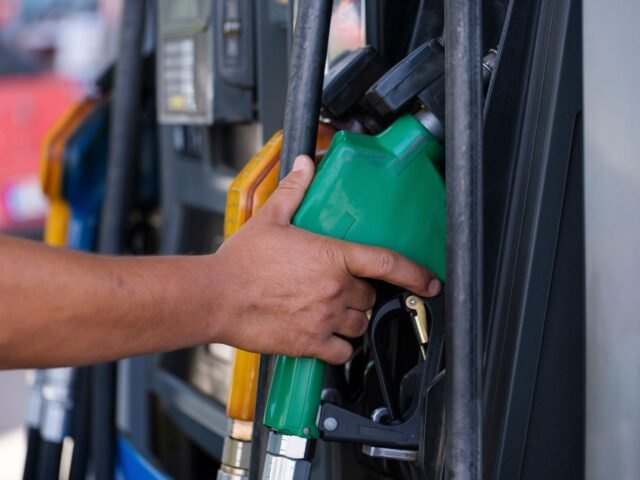
Before tackling the problem, it is essential to identify the sources of gasoline smell. The most common sources include spills during refueling, leaks from the fuel system, and fuel vapor escaping from the fuel tank. In vehicles, the smell can also come from the engine bay, where fuel lines may wear out or crack over time.
Immediate steps to take after a gasoline spill
When you encounter a gasoline spill, quick action is necessary. Begin by ventilating the area where the spill occurred. Open windows and doors to allow fresh air to circulate. If the spill is inside your vehicle, leave the doors open for a while and avoid starting the engine until sure the area is well-ventilated.
Cleaning techniques for interior surfaces
To eliminate gasoline smell from your vehicle’s interior, start by cleaning the affected surfaces. Use a mixture of warm water and a mild detergent to wipe down any areas that came in contact with gasoline. If the smell persists, consider using a specialized automotive cleaner designed to target fuel odors.
Removing gasoline smell from fabrics
Fabrics absorb odors easily, making it crucial to treat them promptly. For upholstery, sprinkle baking soda generously over the affected areas. Allow it to sit for several hours or overnight to absorb the odor, then vacuum it up. For seat covers or other removable fabric items, consider washing them with detergent and adding a cup of white vinegar to the rinse cycle to neutralize the smell.
Dealing with the garage and outdoor areas
Gasoline spills can happen outside or in the garage as well. Start by cleaning up any visible spills with absorbent materials like cat litter or sawdust. Afterward, use a mixture of water and dish soap to scrub the area thoroughly. Rinse with water and allow it to dry completely.
Using absorbents to eliminate odors
Various absorbent materials can help eliminate gasoline odors. Activated charcoal is particularly effective; place bowls of it around the area to absorb the smell. Additionally, you can use coffee grounds or baking soda in similar fashion. These materials will help neutralize odors over time.
Ventilation and air purification
Proper ventilation is key to reducing gasoline smell. Use fans to circulate air, and if possible, use an air purifier with a HEPA filter to remove harmful particles from the air. This will help clear out residual gasoline fumes and improve air quality in the affected area.
Professional cleaning services
If the odor persists despite your best efforts, consider hiring a professional cleaning service. Many companies specialize in automotive detailing and have access to industrial-grade cleaning products that can effectively eliminate stubborn gasoline smells.
Preventive measures to avoid future spills
To prevent future gasoline smells, always handle fuel carefully. Use a funnel when refueling to avoid spills, and regularly inspect fuel lines and tanks for leaks. Keeping your vehicle well-maintained will help prevent issues that can lead to gasoline odors.
Conclusion
Eliminating gasoline smell requires immediate action and a combination of cleaning techniques and preventive measures. By understanding the source of the smell and employing effective methods, you can maintain a safe and pleasant environment in your vehicle and home.
Utilizing enzymatic cleaners for deep odor removal
While traditional methods like baking soda and vinegar can help mask or absorb gasoline odors, they often fall short in completely eliminating the source of the smell. Enzymatic cleaners, which use naturally occurring enzymes to break down organic materials, offer a more effective solution, especially for persistent gasoline odors embedded in porous surfaces such as carpets, upholstery, or wood.
Enzymatic cleaners work by catalyzing a chemical reaction that breaks down the hydrocarbons present in gasoline. These products are designed specifically for odor elimination and can be particularly useful when dealing with spills or saturation. Look for enzymatic cleaners that specify they are effective on petroleum-based odors, as not all enzyme products are created equal.
To use an enzymatic cleaner, follow these steps:
1. **Identify the affected area**: Whether it’s a carpet, an area on hardwood floors, or a piece of furniture, pinpoint where the gasoline smell is strongest.
2. **Pre-treat the area**: If the surface is heavily soiled, consider pre-treating it with a mixture of warm water and a mild dish soap to remove any surface contaminants. Rinse and pat dry.
3. **Apply the enzymatic cleaner**: Generously spray the cleaner on the affected area, ensuring it penetrates deeply into the fibers or material. Follow the product instructions for the recommended dwell time, which can vary from 15 minutes to several hours.
4. **Blot or scrub**: After the dwell time, use a clean cloth to blot the area or a soft-bristle brush to gently scrub it. This helps lift any remaining residue.
5. **Rinse and dry**: Rinse the area with warm water and blot again to remove any excess cleaner, then allow it to air dry completely. You may need to repeat this process for particularly stubborn odors.
For best results, apply the enzymatic cleaner in a well-ventilated area and consider using fans to enhance airflow, which can aid in the drying process and further reduce lingering smells.
Another interesting application of enzymatic cleaners is their use in vehicles. If gasoline spills occur in your car, these cleaners can also be sprayed onto affected fabrics or mats. Just be sure to test a small, inconspicuous area first to ensure colorfastness. Following the same process as above will help eliminate odors from your vehicle’s interior without leaving any harmful residues.
In addition to enzymatic cleaners, consider combining them with other odor-neutralizing agents such as activated charcoal or zeolite. After treating the area with the enzymatic cleaner, placing a bowl of activated charcoal nearby can absorb any remaining odors, providing a double-layer approach to odor removal.
In conclusion, while common household remedies are often the go-to for tackling gasoline smells, enzymatic cleaners present a more targeted and effective solution, especially for deep-seated odors. Their ability to break down the source of the smell rather than merely masking it makes them an invaluable tool in the fight against gasoline odors.
Advanced techniques for persistent odors
While many common methods for removing gasoline smell focus on immediate surface treatments, more persistent odors may require deeper cleaning and specialized approaches. These techniques are particularly useful for situations where gasoline has seeped into porous materials or has lingered in enclosed spaces.
One effective method involves the use of activated charcoal. This substance is highly porous and has a large surface area, making it excellent at absorbing odors. To utilize activated charcoal, place bowls of the substance around the area affected by gasoline fumes. For maximum effectiveness, consider using activated charcoal bags that can be hung or placed in various locations, such as inside vehicle interiors, garages, or storage sheds. It is crucial to allow the charcoal to sit for an extended period—ideally several days—to fully absorb the lingering odors.
In cases where gasoline has soaked into carpets or upholstery, a thorough cleaning might be necessary. Start by blotting up any excess gasoline with absorbent materials such as paper towels or rags. Avoid rubbing, as this can spread the gasoline further. After blotting, a mixture of white vinegar and water can be used as an effective cleaner. Combine one part vinegar with three parts water in a spray bottle and lightly mist the area. Allow it to sit for at least 10 minutes before blotting it up with clean towels. The acidic nature of vinegar helps neutralize the odor while also cleaning the surface.
“Vinegar not only cleans but also balances the pH, which can help in breaking down the gasoline particles trapped in fibers.”
For those dealing with larger areas or more resilient odors, consider employing an ozone generator. These devices work by producing ozone, which has a high oxidative potential and can break down VOCs (volatile organic compounds) like those found in gasoline. When using an ozone generator, ensure the area is unoccupied, as high levels of ozone can be harmful to humans and pets. Seal off the space and run the generator according to the manufacturer’s instructions, typically for several hours. Afterward, ventilate the area thoroughly before re-entering.
Another innovative approach involves using enzymatic cleaners specifically formulated to target organic compounds. These cleaners contain enzymes that break down the molecular structure of the gasoline, effectively neutralizing odors at their source. Look for products labeled as ‘pet odor eliminators’ or ‘grease removers,’ which often contain such enzymes. Apply according to the product’s instructions, ensuring that it remains in contact with the affected area for the recommended period to achieve the best results.
Finally, when working to eliminate gasoline smells indoors, consider the role of ventilation. Open windows and doors to create cross-ventilation, which helps disperse the fumes. Using fans can also accelerate this process. However, it’s important to ensure that any ignition sources are eliminated during this time, as gasoline fumes are highly flammable. If possible, create airflow by placing fans in windows to blow air out, thereby pulling fresh air in from other openings.
“Combining ventilation with these advanced methods can significantly enhance your odor elimination efforts, leading to a fresher and safer environment.”
By employing these advanced techniques, you can effectively tackle even the most stubborn gasoline odors. From the absorption power of activated charcoal to the chemical breakdown facilitated by enzymatic cleaners, these strategies provide a comprehensive approach to restoring freshness in your space.
Utilizing enzymatic cleaners for deep odor removal
One of the most effective yet often overlooked methods for eliminating gasoline odors is the use of enzymatic cleaners. These specialized cleaning agents contain natural enzymes that break down the organic compounds found in gasoline, effectively neutralizing the smell at a molecular level. Unlike traditional cleaners that may mask the odor, enzymatic cleaners work to eliminate the source of the smell, making them particularly useful for both porous and non-porous surfaces.
When selecting an enzymatic cleaner, look for products specifically formulated for oil and fuel spills. Many of these cleaners are designed for use in industrial settings but can also be suitable for home applications. Brands like Bio-Kleen and Simple Green offer options that are both effective and environmentally friendly.
To use an enzymatic cleaner, start by thoroughly cleaning the area with soap and water to remove any surface residue. Once the area is clean, apply the enzymatic cleaner according to the manufacturer’s instructions. This may involve spraying the cleaner directly onto the affected area or soaking it in the solution for a period of time. Allow the cleaner to sit for as long as recommended—typically at least 30 minutes—to let the enzymes break down the gasoline compounds.
“Enzymatic cleaners not only eliminate odors but also help prevent future buildup of residues that can lead to recurring smells.”
After the required time, wipe the area clean with a cloth or sponge. For particularly stubborn odors, multiple applications may be necessary, especially if the gasoline has penetrated deep into materials like carpets or upholstery.
In addition to products, you can also consider creating your own enzymatic cleaner using natural ingredients. For instance, mixing a cup of baking soda, a cup of vinegar, and a few drops of dish soap can create a potent cleaning solution. While this DIY method may not be as powerful as commercial enzymatic cleaners, it can still provide noticeable improvement for less severe odors.
It’s important to note that while enzymatic cleaners are effective, they may not work instantly. Odor removal can take time, especially in cases of heavy contamination. Therefore, patience is key when using this method. After the enzymatic treatment, ensure the area is well-ventilated to further aid in odor elimination.
Finally, for those who have gasoline spills in their vehicles, enzymatic cleaners are safe for use on fabrics and carpets. Just ensure to test a small, inconspicuous area first to check for any adverse reactions. Applying this method not only helps to eliminate the smell but also restores the freshness of your vehicle’s interior.
In summary, enzymatic cleaners represent a powerful tool in the arsenal against gasoline odors. Their ability to break down the compounds that cause the smell makes them a superior choice compared to traditional cleaning agents. By incorporating this approach, you can effectively tackle even the most persistent gasoline smells and enjoy a fresher environment.
Related reading: Budgeting for car maintenance: annual costs explained, and How to tell if your car battery is dying. For an outside reference on this topic, see NHTSA's vehicle resources.