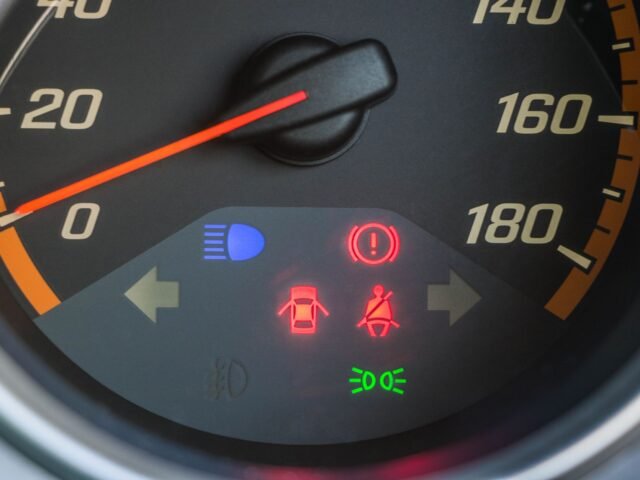
The fuel pump assembly is a critical component of modern automotive fuel systems. It ensures that fuel flows efficiently from the tank to the engine, playing a vital role in vehicle performance and efficiency. Understanding the intricacies of fuel pump assembly can help vehicle owners and enthusiasts appreciate its importance and recognize potential issues before they escalate.
Understanding fuel pump assembly
The fuel pump assembly consists of several key components, including the fuel pump, fuel filter, and various electrical and mechanical elements. Together, these parts work to deliver fuel at the correct pressure and volume to the engine. Fuel pumps can be categorized into two main types: mechanical and electric. Mechanical pumps are typically found in older vehicles, while electric pumps dominate modern automotive design.
Components of a fuel pump assembly
Each fuel pump assembly is designed to optimize the delivery of fuel. Here are the primary components that make up a typical fuel pump assembly:
- Fuel Pump: The heart of the assembly, responsible for moving fuel from the tank to the engine.
- Fuel Filter: Ensures that contaminants and debris are removed from the fuel before it reaches the engine.
- Fuel Level Sensor: Monitors the fuel level in the tank and communicates this information to the vehicle’s dashboard.
- Electrical Connector: Supplies power to the pump and other electronic components within the assembly.
- Hoses and Fittings: Provide connections between the pump, filter, and fuel lines leading to the engine.
Types of fuel pumps
As mentioned, fuel pumps can be categorized into mechanical and electric types. Understanding these types is crucial for diagnosing issues and selecting the right replacement parts.
Mechanical fuel pumps
Mechanical fuel pumps are usually driven by the engine’s camshaft. They are simple in design and rely on a diaphragm or plunger to create suction, pulling fuel from the tank. These pumps are generally found in older carbureted engines. While they are reliable, they often struggle to maintain pressure as engine speeds increase.
Electric fuel pumps
Electric fuel pumps are now the standard in most modern vehicles. They are typically located inside the fuel tank or mounted near the tank. Electric pumps provide consistent fuel pressure across various engine speeds and conditions, ensuring optimal performance. They are also quieter and more efficient than mechanical pumps.
How fuel pump assembly works
The fuel pump assembly operates by drawing fuel from the tank, filtering it, and delivering it to the engine at the appropriate pressure. When the ignition is turned on, the electric fuel pump activates and begins to draw fuel from the tank. The fuel passes through the fuel filter, which removes impurities and debris, ensuring that only clean fuel reaches the engine.
The fuel pump assembly maintains a specific pressure, which is crucial for proper engine operation. If the pressure is too low, the engine may struggle to start or run inefficiently. Conversely, excessive pressure can lead to fuel leaks or engine damage.
Signs of fuel pump assembly issues
Recognizing the signs of fuel pump assembly issues can prevent costly repairs and downtime. Here are some common symptoms to watch for:
- Engine sputtering: This can occur when the fuel pump fails to deliver an adequate amount of fuel.
- Difficulty starting: A failing fuel pump may struggle to provide the necessary pressure for engine ignition.
- Loss of power: If the fuel pump cannot maintain pressure, the engine may experience a loss of power during acceleration.
- Unusual noises: A whining or buzzing noise from the fuel tank could indicate a failing electric pump.
- Check engine light: A warning light may illuminate if the fuel pump assembly is not functioning correctly.
Maintenance of fuel pump assembly
Regular maintenance can prolong the life of a fuel pump assembly and ensure optimal performance. Here are some best practices:
- Use quality fuel: Avoid low-quality fuel that may contain contaminants.
- Change fuel filters: Regularly replace fuel filters according to the manufacturer’s recommendations.
- Inspect electrical connections: Ensure that all electrical connections are secure and free from corrosion.
- Monitor fuel levels: Keep the fuel tank at least one-quarter full to prevent the fuel pump from running dry.
Replacing fuel pump assembly
When it comes time to replace a fuel pump assembly, proper procedures must be followed to ensure safety and reliability. Here’s a step-by-step guide:
1. Disconnect the battery to prevent electrical shock during the process.
2. Relieve fuel system pressure to avoid spills.
3. Remove the fuel tank from the vehicle, which may require support straps or brackets.
4. Disconnect the fuel pump assembly from the fuel tank.
5. Replace with a new assembly, ensuring all seals are properly seated.
6. Reinstall the fuel tank and reconvene all connections.
7. Reconnect the battery and test the system for leaks.
Cost considerations for fuel pump assembly replacement
The cost of replacing a fuel pump assembly can vary significantly based on several factors:
- Vehicle make and model: Different vehicles have different fuel pump designs and costs.
- Labor costs: Professional installation can add to the overall cost.
- Part quality: OEM (original equipment manufacturer) parts tend to be more expensive than aftermarket alternatives.
Conclusion
The fuel pump assembly is an essential part of vehicle operation, affecting everything from engine performance to fuel efficiency. Understanding its components, how it works, and how to maintain it can help vehicle owners avoid issues and prolong the life of their vehicles. Regular inspections and timely replacements can prevent more significant problems down the line, ensuring that your vehicle remains reliable on the road.
Understanding the role of fuel pump control modules
The fuel pump assembly does not operate in isolation; it is intricately linked to the fuel pump control module (FPCM). This electronic component plays a crucial role in managing the operation of the fuel pump, ensuring optimal performance and efficiency. The FPCM regulates the power supplied to the fuel pump based on various inputs, including engine load, temperature, and speed. This dynamic control system is essential for modern vehicles equipped with advanced fuel injection systems.
One of the primary functions of the FPCM is to adjust the fuel pump’s voltage and current supply. By modulating these parameters, the FPCM can increase pump output during acceleration while reducing it at idle or low-load conditions. This capability not only enhances fuel efficiency but also minimizes wear and tear on the pump, extending its lifespan and reducing the frequency of costly replacements.
Moreover, the FPCM is integrated with the vehicle’s onboard diagnostics system. It continuously monitors the performance of the fuel pump and can detect issues such as low fuel pressure, pump failure, or electrical malfunctions. For instance, if the system detects a drop in fuel pressure below a predefined threshold, it triggers a diagnostic trouble code (DTC), alerting the driver or technician to a potential problem. This proactive approach to vehicle maintenance can save time and resources by addressing issues before they escalate into major failures.
“A well-functioning FPCM is essential for maintaining the delicate balance between performance and efficiency in modern fuel systems.”
In addition to performance monitoring, the FPCM also plays a pivotal role in fuel system safety. It can deactivate the fuel pump in the event of a collision, preventing fuel leaks that could lead to fires. This feature is especially critical in ensuring the safety of passengers and first responders in emergency situations.
As fuel injection technology continues to evolve, so too does the sophistication of fuel pump control modules. Some modern systems employ variable speed pumps that can adjust their flow rates in real-time, further enhancing responsiveness and efficiency. These advancements represent a significant leap from traditional fuel pump designs, which operated at a constant speed regardless of driving conditions.
Furthermore, with the increasing popularity of hybrid and electric vehicles, the role of the FPCM is set to expand. These vehicles often require complex fuel management strategies to optimize performance across multiple power sources. In such scenarios, the FPCM must communicate seamlessly with other control units, such as the electric motor controller, to ensure a cohesive operational strategy.
In summary, while the mechanical components of a fuel pump assembly are vital, the electronic management provided by the fuel pump control module is equally critical. It ensures efficiency, performance, safety, and diagnostic capabilities within the fuel system. As automotive technology advances, understanding the interplay between these components will be essential for both vehicle manufacturers and service professionals alike.
Importance of regular maintenance for fuel pump assemblies
The fuel pump assembly functions as the heart of a vehicle’s fuel delivery system, ensuring that fuel is adequately supplied to the engine under varying conditions. However, like any mechanical system, it is subject to wear and tear, making regular maintenance essential for optimal performance and longevity. Understanding the significance of maintenance can help vehicle owners avoid costly repairs and enhance the efficiency of their fuel systems.
One crucial aspect of maintenance involves replacing the fuel filter at regular intervals. Fuel filters play a vital role in trapping contaminants, sediment, and debris that can enter the fuel system. Over time, a clogged fuel filter can restrict fuel flow, leading to poor engine performance, misfires, or even complete fuel pump failure. By adhering to the manufacturer’s recommended schedule for fuel filter replacement, vehicle owners can help maintain consistent fuel flow and protect the fuel pump.
Another essential maintenance task is to regularly inspect the fuel pump assembly for signs of wear or leaks. Common indicators include fuel odors, decreased engine performance, and the presence of fuel pooling near the tank or along fuel lines. Performing visual inspections and addressing minor issues before they escalate can prevent more significant problems. For instance, a small leak may seem benign but can lead to severe fuel loss and potential hazards if left unchecked.
Regular inspections can save vehicle owners from expensive repairs and ensure a safe driving experience.
Moreover, the electrical components of the fuel pump assembly, including the fuel pump relay and wiring, should also be monitored. Faulty electrical connections can lead to intermittent fuel delivery, making the vehicle unreliable. A thorough check of these components, particularly after experiencing any electrical issues, is vital in preventing unexpected breakdowns.
Fuel quality is another critical factor impacting the health of the fuel pump assembly. Poor-quality fuel, which may contain high levels of ethanol or other contaminants, can lead to corrosion and clogging within the fuel system. Using fuel additives designed to clean the fuel system can help mitigate these risks, but it is essential to choose high-quality fuel from reputable sources whenever possible. Additionally, if a vehicle is stored for an extended period, using a fuel stabilizer can prevent the fuel from degrading and forming deposits that may harm the pump.
In some cases, the age of the vehicle may necessitate the replacement of the entire fuel pump assembly. Signs that an assembly is nearing the end of its lifespan include unusual noises from the fuel tank, fluctuating fuel pressure, or a persistent check engine light. Understanding the typical lifespan of a fuel pump, which can range from 100,000 to 200,000 miles depending on the vehicle and driving conditions, allows owners to plan for this eventuality and budget accordingly.
Awareness of the fuel pump assembly’s condition and proactive maintenance can significantly extend its life.
Finally, vehicle owners should be aware of the specific recommendations provided by the manufacturer regarding fuel pump assembly maintenance. Every vehicle has its unique requirements, and following these guidelines can lead to better performance and reliability. By investing time and resources into the maintenance of the fuel pump assembly, vehicle owners not only enhance their driving experience but also contribute to the overall efficiency and safety of their vehicles.
Fuel pump control modules: enhancing efficiency and reliability
In modern fuel pump assemblies, the role of the fuel pump control module (FPCM) has become increasingly significant. This component serves as the brain of the fuel delivery system, managing the operation of the fuel pump based on various inputs from the engine control unit (ECU). Understanding how the FPCM contributes to the assembly’s overall performance can provide valuable insights for automotive professionals and enthusiasts alike.
The FPCM regulates the fuel pump’s voltage and ground signals, adjusting its speed to match the demands of the engine. This dynamic control is essential for optimizing fuel efficiency and ensuring that the engine receives the appropriate amount of fuel under different operating conditions. For instance, during acceleration, the ECU signals the FPCM to increase the fuel pump speed, providing the engine with a richer fuel mixture to enhance performance. Conversely, during idle or low-load conditions, the FPCM reduces the fuel pump’s speed to conserve energy and reduce wear on the pump.
“The integration of FPCM technology represents a significant advancement in fuel system design, allowing for tailored fuel delivery that can enhance both performance and economy.”
One of the key advantages of using a fuel pump control module is its ability to monitor fuel pressure and flow rate in real time. If the module detects an anomaly, such as a drop in fuel pressure that could indicate a clog or failure in the system, it can trigger diagnostic trouble codes (DTCs) that alert technicians to potential issues. This proactive approach to maintenance not only extends the lifespan of the fuel pump assembly but also ensures that performance remains consistent over time.
Moreover, FPCMs can significantly influence the diagnostic capabilities of a vehicle. Many modern vehicles are equipped with onboard diagnostics (OBD-II) systems that communicate with the ECU and FPCM to monitor fuel pump health. When a fault occurs, these systems can provide detailed error codes that assist technicians in pinpointing the exact cause of the malfunction, reducing diagnostic time and improving repair efficiency.
An example of this technology in action can be seen in vehicles equipped with variable displacement fuel pumps. These pumps utilize FPCMs to adjust the flow rate based on the engine’s requirements, thereby optimizing fuel consumption. By continuously varying the pump’s output, manufacturers can achieve significant improvements in fuel economy without sacrificing engine performance. For instance, in vehicles like the Toyota Camry, the use of a variable displacement fuel pump controlled by an FPCM allows for reduced emissions and enhanced fuel efficiency.
However, the increased complexity introduced by fuel pump control modules also brings challenges. The reliance on electronic components means that issues such as electrical failures or software bugs can lead to significant operational disruptions. Regular diagnostics and updates are necessary to maintain optimal performance and reliability. Furthermore, as vehicles become more advanced, the integration of FPCMs with other systems, such as hybrid and electric drivetrains, will continue to evolve, necessitating ongoing training and adaptation for automotive technicians.
In summary, the fuel pump control module is a crucial component in the modern fuel pump assembly, enhancing efficiency, reliability, and diagnostic capabilities. As automotive technology progresses, understanding the role of the FPCM will be essential for anyone involved in vehicle maintenance or design. By keeping abreast of these developments, professionals can ensure that they are equipped to address the complexities of modern fuel systems effectively.
Related reading: How to reset a check engine light, and How to replace your car battery effectively. For an outside reference on this topic, see NHTSA's vehicle resources.