The 1980s was a transformative decade for the automotive industry, a time when 80s cars began to showcase a blend of style, technological advancements, and performance. This era saw a marked departure from the designs and engineering principles of the previous decades, as manufacturers adapted to changing consumer preferences and economic realities.
Key takeaways
- The 1980s marked a significant shift in automotive design and technology.
- Fuel efficiency became a priority due to the oil crisis of the late 70s.
- Iconic models like the DeLorean and Ford Mustang redefined car culture.
The impact of the oil crisis
The late 1970s oil crisis had a profound impact on the automotive landscape of the 1980s. Rising fuel prices prompted consumers to seek more fuel-efficient vehicles, leading manufacturers to rethink their strategies. This shift was evident in the popularity of compact cars, with models like the Honda Civic and Toyota Corolla gaining traction as buyers moved away from gas-guzzlers.
Design trends in 80s cars
During this decade, 80s cars were characterized by a distinctive design language that reflected the cultural zeitgeist. The influence of pop culture, especially music and movies, played a significant role in shaping the aesthetics of vehicles. Iconic designs emerged, featuring sharp angles, bold colors, and extensive use of plastic materials. Cars like the DeLorean DMC-12, with its stainless steel body and gull-wing doors, embodied the futuristic vision of the era.
Technological advancements
The 1980s saw significant technological advancements in automotive engineering. Manufacturers began to incorporate electronic fuel injection systems, improving engine efficiency and performance. Anti-lock braking systems (ABS) were also introduced, enhancing vehicle safety. These innovations laid the groundwork for the modern features we take for granted today.

Performance cars of the 80s
Performance was a key focus for many manufacturers during the 80s. The decade produced a range of high-performance vehicles that captured the imagination of car enthusiasts. The Chevrolet Corvette C4, introduced in 1984, featured a sleek design and a powerful V8 engine, making it a symbol of American muscle. Meanwhile, the Ford Mustang continued to evolve, with models like the Mustang GT offering impressive speed and handling.
Influence of Japanese manufacturers
Japanese automakers made significant inroads during the 80s, challenging the dominance of American and European brands. Companies like Honda, Toyota, and Nissan gained popularity with their reliable, fuel-efficient models. The Honda Accord and Toyota Camry became staples in the American market, offering practicality without sacrificing style. This shift also prompted American manufacturers to innovate and improve their offerings.
Iconic models and their legacy
Several vehicles from the 80s have achieved legendary status among car enthusiasts. The Porsche 911, continually refined throughout the decade, became a symbol of performance and luxury. Similarly, the BMW M3 introduced in 1982, set new standards for sports sedans with its balanced handling and powerful engine. These models have maintained their appeal and continue to influence modern automotive design.

The role of pop culture
The 80s were not just about cars; they were also heavily influenced by pop culture. Movies like “Back to the Future” popularized the DeLorean, while television shows like “Knight Rider” featured the iconic KITT, a modified Pontiac Trans Am. These representations helped solidify the image of 80s cars in the collective memory, making them symbols of the era.
The 80s car market today
The legacy of 80s cars endures in today’s automotive market. Many classic models are highly sought after by collectors, with events like car shows and auctions dedicated to these vehicles. The nostalgia associated with 80s cars has also led to a resurgence in interest, prompting manufacturers to revisit design elements from that era in contemporary models.
Conclusion: a decade of change
The 1980s was a pivotal decade for the automotive industry, marked by significant changes in design, technology, and consumer preferences. The innovations and iconic models from this period laid the foundation for many aspects of modern cars, influencing both manufacturers and enthusiasts alike. As we reflect on the 80s, it is clear that the vehicles from this era continue to resonate, representing a unique blend of innovation and cultural significance.
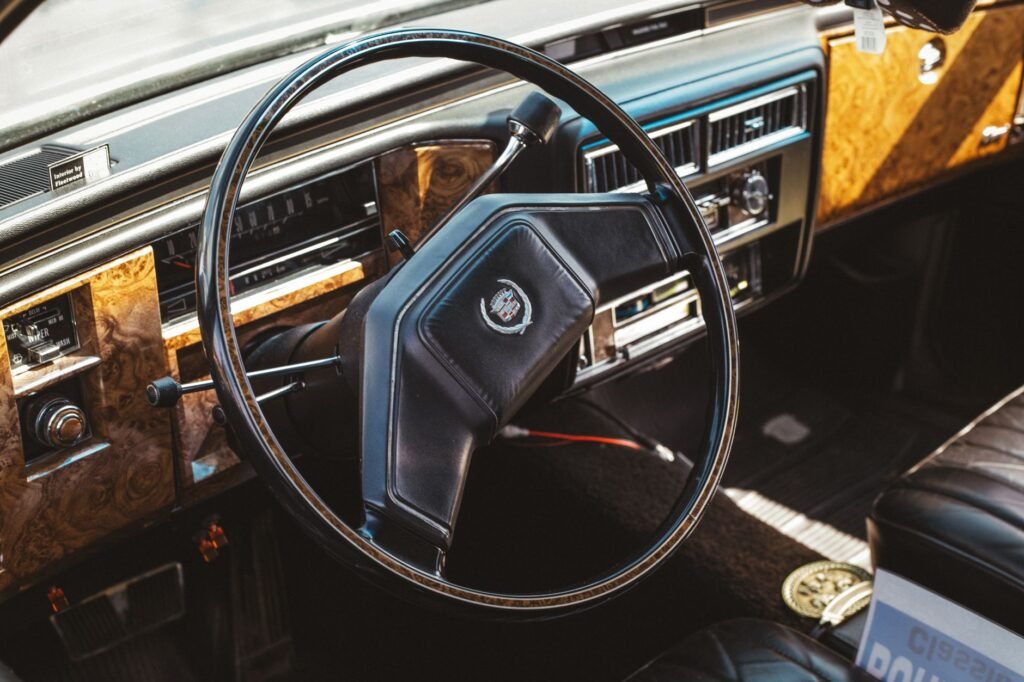
The Japanese automotive revolution
While American and European manufacturers were grappling with the demands of safety regulations and fuel economy, Japanese automakers were quietly redefining the automotive landscape in the 1980s. Companies like Honda, Toyota, and Nissan introduced innovative engineering practices and consumer-focused design philosophies that not only captured market share but also set new standards for quality, reliability, and fuel efficiency.
One of the most significant contributions from Japan during this decade was the introduction of the compact car segment. Models such as the Honda Civic and the Toyota Corolla became household names, offering an appealing combination of affordability, practicality, and low operating costs. The Civic, in particular, underwent significant transformations throughout the decade, evolving from a small, utilitarian vehicle to a sportier, more stylish option that attracted younger buyers. The 1984 Honda Civic Si, with its 1.5-liter DOHC engine and sporty design, exemplified this shift and became a favorite among enthusiasts.
The Japanese automakers also pioneered the concept of just-in-time manufacturing, which improved efficiency and reduced costs. This approach allowed manufacturers to respond quickly to market demands without overproducing, a strategy that American companies were slow to adopt. As a result, Japanese brands were able to offer better quality vehicles at competitive prices, further enticing consumers away from traditional domestic options.
“The Japanese revolutionized the auto industry by focusing on the customer experience, producing vehicles that were not only efficient but also enjoyable to drive.”
Another critical aspect of the Japanese influence was the integration of advanced technology into everyday vehicles. The introduction of fuel-injected engines and turbocharging in models like the Nissan 300ZX and the Mazda RX-7 showcased not only performance but also improved fuel efficiency. These innovations were crucial as fuel prices remained a concern for consumers following the oil crises of the 1970s. The turbocharged engines offered a compelling blend of power and efficiency, making them attractive options for those looking to enjoy a spirited driving experience without sacrificing fuel economy.
Furthermore, the 1980s saw the rise of the luxury compact segment, with vehicles such as the Acura Legend and the Lexus LS 400 making a significant impact. These models were designed to compete directly with European luxury vehicles, offering a level of quality, comfort, and performance that surprised many consumers. The Lexus LS 400, launched in 1989, was particularly noteworthy for its quiet operation and attention to detail, effectively changing perceptions of Japanese automotive engineering. This shift not only diversified the market but also prompted other manufacturers to elevate their offerings in response.
As Japanese manufacturers gained ground, they also began to influence design trends globally. The emphasis on aerodynamics and fuel efficiency led to the introduction of sleek, rounded shapes in car design, which were in stark contrast to the boxy silhouettes often favored by American manufacturers. This design evolution was evident in models like the Toyota Supra and the Nissan 240SX, both of which showcased a more modern aesthetic that appealed to a new generation of car buyers.
In summary, the 1980s represented a pivotal moment in the automotive industry, with Japanese manufacturers not only reshaping their domestic market but also challenging established norms on a global scale. Their focus on quality, efficiency, and consumer satisfaction laid the groundwork for the modern automotive landscape we see today, fundamentally altering the expectations of what a car should be.
The impact of Japanese automakers
The 1980s marked a significant turning point in the automotive industry, primarily driven by the rise of Japanese manufacturers. Brands like Toyota, Honda, and Nissan not only transformed the market landscape but also set new standards for quality, efficiency, and innovation that would resonate for decades. This shift was not merely a matter of increased market share; it fundamentally altered the expectations of consumers and the competitive strategies of American and European automakers.
One of the most notable examples of this shift was the introduction of the Toyota Corolla and Honda Civic. These models epitomized the emerging demand for fuel-efficient vehicles during a time when the oil crisis had left a lasting impact on consumer sentiment. The Corolla, in particular, became synonymous with reliability and economy, winning over a generation of drivers who prioritized practicality without sacrificing style.
In 1984, Honda debuted the CRX, a compact hatchback that showcased the potential of lightweight engineering combined with sporty performance. Its success inspired other manufacturers to rethink their designs and emphasize fuel economy alongside driving enjoyment. The CRX was not just a car; it was a statement that small could be powerful. It appealed to younger consumers and helped to create a new segment of the market focused on sporty, yet economical vehicles.
The influence of Japanese automakers extended beyond just individual models. They brought with them a culture of continuous improvement known as Kaizen, which emphasized incremental changes to enhance manufacturing processes and product quality. This philosophy helped Japanese manufacturers achieve superior reliability ratings, often eclipsing their American counterparts. For example, the Toyota production system introduced practices that streamlined operations and reduced waste, which American companies began to adopt to remain competitive.
American automakers, particularly General Motors and Ford, were initially slow to respond to these changes. The 1980s saw them grappling with legacy systems, a lack of innovation, and an underestimation of Japanese competitors. However, as Japanese cars began to capture significant market share, American manufacturers realized they needed to adapt or face obsolescence.
In response, Ford launched the Taurus in 1986, which was a bold departure from traditional designs. The Taurus was designed with aerodynamic styling and featured a modern interior, aiming to attract consumers who were increasingly discerning about aesthetics and functionality. The success of the Taurus proved that American automakers could innovate and compete effectively against the Japanese on both design and technology fronts.
This period also saw the beginning of the globalization of the automotive market. Japanese manufacturers not only dominated the domestic market but also began establishing manufacturing plants in the United States, effectively creating jobs while reducing production costs and tariffs. This strategy helped them better understand the North American consumer while simultaneously gaining a competitive edge.
By the end of the decade, the automotive landscape had irrevocably changed. Japanese automakers had set a new benchmark for quality, efficiency, and consumer satisfaction that American and European manufacturers had to meet. The impact of this shift laid the groundwork for the automotive industry’s future, influencing everything from design philosophy to the technological advancements that would follow in the coming decades.
As we reflect on the evolution of 80s cars, it is clear that the decade was not just about the vehicles themselves, but also about the transformative impact of Japanese automakers on the global automotive industry.
The rise of digital technology in automotive engineering
The 1980s marked a pivotal turning point in automotive engineering, with the emergence of digital technology transforming the way cars were designed, manufactured, and operated. This era saw the introduction of early computer-aided design (CAD) systems, which revolutionized the design process by allowing engineers to create, modify, and optimize vehicle models with unprecedented precision.
One of the standout examples of this digital revolution is the 1984 Chevrolet Corvette. This model was not only a performance icon but also a showcase for advanced technology, featuring a digital dashboard that replaced traditional analog gauges with LCD displays. This shift towards digital instrumentation provided drivers with real-time data on vehicle performance, enhancing both the driving experience and safety. The Corvette’s use of a digital readout was a harbinger of the fully digital interfaces that would dominate the automotive landscape in the years to come.
Another significant development was the implementation of onboard diagnostics (OBD) systems, which began to gain traction in the late 1980s. The OBD system allowed mechanics to interface with a vehicle’s computer to identify malfunctions and monitor performance metrics, a precursor to the sophisticated diagnostic tools utilized in modern vehicles. The introduction of OBD systems not only improved reliability but also set the stage for the eventual integration of computers in vehicle management systems.
As fuel efficiency became a pressing concern due to rising oil prices, manufacturers turned to digital technology to enhance performance without sacrificing power. For instance, the 1983 Ford Mustang introduced a digital fuel injection system, which allowed for more precise control over the fuel-air mixture. This innovation not only improved fuel economy but also contributed to lower emissions, aligning with growing environmental awareness among consumers and regulators alike.
“The 1980s automotive landscape was defined by a marriage of performance and technology, setting the stage for the modern vehicles we see today.”
Moreover, the 1985 introduction of the Toyota Supra with its advanced turbocharged engine and computerized engine management exemplified how digital technology could enhance performance. The Supra’s ability to adjust fuel delivery and timing in real-time based on driving conditions made it a formidable competitor in the sports car segment, appealing to enthusiasts and casual drivers alike.
Digital technology also influenced safety features, leading to the development of anti-lock braking systems (ABS) and traction control systems. The 1988 Mercedes-Benz S-Class was one of the first vehicles to offer ABS as standard, a technology that would soon become a benchmark for safety in the industry. By utilizing electronic sensors to prevent wheel lock-up during braking, ABS not only improved stopping distances but also provided drivers with greater control in adverse conditions.
The impact of digital technology extended beyond performance and safety; it also transformed consumer expectations. As vehicles became equipped with more sophisticated electronic features, from power windows to climate control systems, buyers began to prioritize technology as a key factor in their purchasing decisions. This shift in consumer behavior laid the groundwork for the infotainment systems and smart technologies that dominate the automotive market today.
In summary, the 1980s were not just a decade of aesthetic and mechanical evolution; they were also a formative period for digital technology in automotive engineering. The advancements made during this era set important precedents that would shape the future of the automotive industry, leading to the highly connected, efficient, and performance-oriented vehicles we experience in the 21st century.
Frequently asked questions
What were the most popular 80s cars?
Some of the most popular cars from the 80s include the Ford Mustang, Chevrolet Corvette, and Honda Civic. These models captured the essence of the decade through their distinctive designs and performance.
How did 80s cars differ from earlier models?
80s cars featured a shift towards fuel efficiency and modern design elements. They incorporated more advanced technologies, including electronic fuel injection and improved safety features.
What impact did the 80s have on automotive culture?
The 80s brought a vibrant automotive culture, characterized by a focus on performance and unique styling. This period influenced car design and consumer expectations that persist today.
The bottom line
The 80s were a transformative decade for the automotive industry, blending innovation with style. The vehicles from this era continue to influence modern designs and car enthusiasts alike.
Related reading: Why is my car smoking? Common causes and solutions, and Defining the line between sports cars and supercars. For an outside reference on this topic, see NHTSA's vehicle safety resources.