
Introduction
The 2013 Nissan Rogue is a compact crossover SUV that has garnered attention for its blend of practicality and comfort. However, like any vehicle, it comes with its own set of common problems that potential buyers should be aware of. This article delves into the issues associated with the 2013 Nissan Rogue, providing insights into what you can expect if you choose this vehicle.
Key takeaways
- The 2013 Nissan Rogue has notable transmission issues, especially with CVT failures.
- Some owners report excessive oil consumption, which can lead to engine troubles.
- The vehicle's interior quality has received mixed reviews, particularly regarding materials used.
Transmission troubles
One of the most significant concerns among 2013 Nissan Rogue owners is the performance of its Continuously Variable Transmission (CVT). While CVTs are designed to provide smoother acceleration and improved fuel efficiency, many owners have reported noticeable issues.
Common symptoms include slipping, shuddering, and rough shifting. In some cases, the CVT may fail altogether, leading to costly repairs or even replacement. Owners have noted that these issues often appear after just a few years of ownership, which can be frustrating for those who expect a reliable, long-lasting vehicle.
Engine oil consumption
Another prevalent issue with the 2013 Rogue is excessive engine oil consumption. Numerous owners have experienced a significant drop in oil levels between changes, prompting concerns about engine health and longevity.
This problem can lead to serious engine complications if not addressed promptly. If you’re considering a used 2013 Rogue, it’s advisable to inquire about the vehicle’s oil consumption history and whether previous owners have had to deal with this issue.

Interior quality concerns
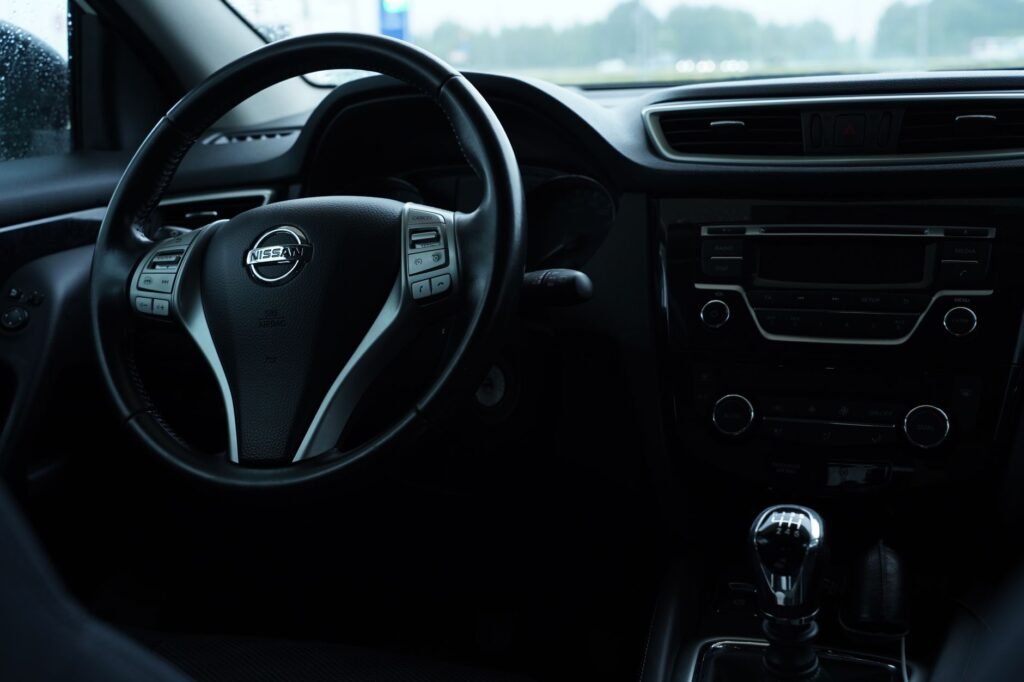
While the 2013 Nissan Rogue is often praised for its spacious interior and comfortable seating, the quality of materials used has received mixed reviews. Many owners have reported that certain interior components, such as dashboard materials and upholstery, show signs of wear and tear more quickly than expected.
Additionally, some users have noted that the infotainment system can be less intuitive compared to competitors, which can detract from the overall driving experience. If interior quality and ergonomics are high on your priority list, it may be worth considering alternatives.
Braking system issues
Some drivers have reported problems with the braking system, particularly with premature wear of brake pads and rotors. This issue can lead to increased maintenance costs and might raise safety concerns if not addressed promptly.
If you’re purchasing a used model, it’s wise to check the service history for any brake-related repairs or replacements. Regular maintenance and inspections can help catch these issues early on.
Electrical problems
Electrical issues are another concern that some 2013 Nissan Rogue owners have encountered. Problems can range from minor annoyances, such as malfunctioning power windows, to more significant issues like failure of the vehicle’s electronic stability control system.
These electrical glitches can be frustrating and may require specialized diagnostic tools for resolution. If you’re considering this model, ensure that all electronic systems are functioning correctly during your test drive.
Suspension and steering complaints
Several owners have also reported concerns related to the suspension and steering systems. Complaints often include excessive noise when driving over bumps, as well as a vague steering feel that can affect overall handling.
These issues can impact the driving experience and may require attention if they arise. A comprehensive inspection of the suspension and steering components is recommended before finalizing your purchase.
Fuel economy considerations
The 2013 Nissan Rogue is generally regarded as fuel-efficient, particularly for a compact SUV. However, some owners have reported that their real-world fuel economy does not match the EPA estimates. Factors such as driving habits, maintenance, and load can all influence fuel efficiency.
When test driving, pay attention to how the vehicle performs in terms of fuel consumption, as this can significantly affect your ownership experience.
Interested in this car?
If you are considering this vehicle, you can check its current availability, pricing and purchase options from the seller.

Conclusion
In summary, the 2013 Nissan Rogue presents a balanced combination of features, but it is not without its drawbacks. Common problems such as CVT transmission issues, excessive oil consumption, and interior quality concerns should be considered by potential buyers. Understanding these aspects can lead to a more informed decision, ensuring that your investment in a 2013 Nissan Rogue meets your expectations for reliability and performance.
Interested in This Car?
If you are considering this vehicle, you can check its current availability, pricing and purchase options from the seller.
Understanding the CVT and its issues
The 2013 Nissan Rogue is equipped with a continuously variable transmission (CVT), a feature that has garnered mixed reviews among owners. While the CVT is designed to provide smoother acceleration and improved fuel efficiency, it can also lead to specific problems that are crucial for prospective and current owners to understand. One of the main issues reported is the potential for transmission failure, which can occur at relatively low mileage, often around 60,000 to 70,000 miles.
Owners have noted symptoms such as slipping, hesitation during acceleration, and unusual noises coming from the transmission. These issues can become particularly pronounced when the vehicle is under load, such as during uphill driving or heavy acceleration. Such symptoms can be indicative of worn internal components or issues with the transmission fluid, which can lead to overheating. In some cases, the CVT may exhibit a shuddering sensation during acceleration, further indicating potential internal problems.
One significant factor contributing to these transmission issues is the type and quality of the transmission fluid used. Nissan recommends specific CVT fluid that has been formulated to maintain optimal performance. However, many owners have reported that using non-original equipment manufacturer (OEM) fluids can exacerbate transmission problems. It is essential for owners to adhere to Nissan’s guidelines regarding fluid changes and to use only the recommended CVT fluid to mitigate risks of failure.
Another important aspect to consider is the role of software updates. Nissan has released several updates aimed at improving CVT performance and addressing known issues. Owners should ensure that their vehicle’s software is up to date, as these updates can enhance the transmission’s responsiveness and overall functionality. Neglecting to update the software could lead to a failure to address potential glitches that could affect the CVT’s operation.
For those who experience transmission-related issues, it is advisable to seek assistance from a certified Nissan technician who has experience with CVTs. They can conduct a thorough inspection to diagnose whether the issues stem from the transmission fluid, software, or internal components. Early diagnosis can often prevent more severe problems from developing, saving owners significant repair costs in the long run.
Additionally, it is vital for owners to be aware of the warranty coverage related to the CVT. Nissan has extended warranties for certain CVT-related issues, but these warranties may vary based on the owner’s location and the vehicle’s service history. Owners should maintain detailed records of any transmission service or repairs, as this can be beneficial if a warranty claim needs to be filed.
“Understanding the nuances of the CVT can help owners take proactive steps to minimize issues and ensure the longevity of their 2013 Nissan Rogue.”
In conclusion, while the 2013 Nissan Rogue has many appealing features, its CVT can present significant challenges. Owners should stay informed about the specific needs of their transmission, adhere to recommended maintenance practices, and address any symptoms promptly to maintain the vehicle’s performance and reliability.
Transmission issues and their solutions
The 2013 Nissan Rogue has garnered attention for its performance, but one persistent issue that has plagued many owners is related to its continuously variable transmission (CVT). While CVTs are designed for smooth acceleration and improved fuel efficiency, the Rogue’s CVT has been reported to experience a range of problems that can lead to a frustrating driving experience.
One of the most common complaints revolves around the transmission slipping or hesitating during acceleration. Owners have noted that there can be a noticeable lag when pressing the gas pedal, often accompanied by an unsettling revving of the engine without a corresponding increase in speed. This is not only disconcerting but can also pose safety risks when attempting to merge onto highways or navigate busy intersections.
Another issue reported frequently is a shuddering sensation during acceleration, particularly when the vehicle is under load, such as going uphill or when fully loaded with passengers. This can lead to a harsh driving experience and raises concerns regarding the overall reliability of the vehicle.
Many owners have noted that the CVT can become particularly problematic after reaching higher mileage, often around the 80,000-mile mark. At this point, the transmission may start to exhibit signs of wear, leading to more pronounced issues.
For owners experiencing these problems, it is essential to act quickly. Regular maintenance of the CVT fluid is crucial; changing the fluid according to the manufacturer’s recommendations can help extend the life of the transmission. Nissan recommends changing the CVT fluid every 60,000 miles, but many owners find that changing it more frequently—around every 30,000 to 40,000 miles—can mitigate some of these issues.
If problems persist even after fluid changes, it may be necessary to consider a transmission replacement. While this can be costly, with estimates ranging from $3,000 to $4,500, it may be the only way to restore the Rogue’s performance. Some owners have reported that seeking a transmission overhaul from a reputable mechanic can be a more budget-friendly option, often costing less than replacing the entire unit.
Additionally, Nissan has issued technical service bulletins (TSBs) addressing some of these CVT concerns. Owners should check with their local Nissan dealership to see if any TSBs apply to their vehicle. Some TSBs may cover reprogramming the transmission control module, which can solve certain issues without the need for more extensive repairs.
It’s worth noting that the Rogue’s CVT issues have led to class-action lawsuits in some regions, highlighting the widespread nature of the problem.
For those who are considering purchasing a used 2013 Nissan Rogue, it is imperative to inquire about the vehicle’s transmission history. A thorough inspection by a qualified mechanic can reveal potential red flags before making a purchase. Additionally, asking for maintenance records can provide insight into how well the previous owner maintained the CVT.
In summary, while the 2013 Nissan Rogue is a popular compact SUV choice, potential buyers and current owners should be aware of the transmission issues that can arise. Proactively maintaining the CVT and being informed about potential repairs can significantly enhance the ownership experience and mitigate long-term problems.
Understanding the transmission issues in detail
The 2013 Nissan Rogue is often praised for its reliability, but a significant number of owners have reported issues related to the Continuously Variable Transmission (CVT). Unlike traditional automatic transmissions, CVTs offer a smoother driving experience but can come with their own set of challenges. This section delves deeper into the specific problems associated with the CVT in the 2013 Rogue, outlining symptoms, potential causes, and solutions.
One of the most common complaints from Rogue owners is a jerking or shuddering sensation during acceleration. This is typically caused by a malfunctioning CVT, which may struggle to find the optimal gear ratio. In severe cases, drivers may experience a complete loss of power during acceleration, posing safety risks on the road. According to a Consumer Reports survey, nearly 20% of respondents cited CVT problems within the first few years of ownership.
Another common issue is a noticeable increase in engine noise, particularly under hard acceleration. This can be attributed to the CVT’s design, which often causes the engine to rev higher than necessary, creating an unpleasant driving experience. Additionally, some drivers report a delayed response when pressing the accelerator pedal, which can be frustrating, especially in highway merging situations.
“I felt like I was playing a game of catch-up with my Rogue. The transmission just didn’t respond the way I expected it to, making me nervous during merges.” – A 2013 Nissan Rogue owner
Overheating is also a prevalent issue with the CVT in the 2013 Rogue. Extended periods of stop-and-go traffic or towing can cause the transmission fluid to overheat, leading to potential damage. Regular maintenance, including fluid changes, is crucial to prevent overheating and ensure the longevity of the CVT. Nissan recommends changing the CVT fluid every 30,000 miles, but many owners have found that more frequent changes can mitigate some of these issues.
For those experiencing these problems, it is advisable to take the vehicle to a qualified mechanic who has experience with Nissan’s CVT systems. A diagnostic check can often reveal error codes related to the transmission, allowing for more targeted repairs. In some cases, software updates may be necessary to recalibrate the transmission for better performance.
It’s also worth noting that while some owners have opted for a complete transmission replacement, this can be a costly solution often exceeding $4,000. Before resorting to such measures, exploring less expensive alternatives, such as fluid changes or valve body replacements, may prove effective.
Lastly, understanding the warranty implications is crucial for 2013 Rogue owners. Many have reported that their vehicles began showing signs of CVT trouble just outside of the warranty period. Nissan has extended goodwill repairs in some cases; thus, keeping detailed records of all maintenance can support claims for repair assistance.
In summary, while the 2013 Nissan Rogue offers many benefits as a compact SUV, it is essential for owners to be aware of the potential CVT issues. By recognizing the symptoms early and maintaining the vehicle diligently, owners can enhance their driving experience and avoid costly repairs down the line.
Frequently asked questions
What are common transmission issues in the 2013 Nissan Rogue?
Many owners have reported problems with the Continuously Variable Transmission (CVT), including slipping and rough shifting. In severe cases, complete failure has occurred, necessitating costly repairs.
Is the 2013 Nissan Rogue reliable?
While the Rogue has generally received positive reliability ratings, issues such as engine oil consumption and transmission problems can affect its long-term dependability. Regular maintenance is crucial to mitigating these issues.
How does the 2013 Nissan Rogue compare to its competitors?
The Rogue offers decent space and comfort, but some rivals, like the Honda CR-V and Toyota RAV4, may have better reliability ratings and performance. Prospective buyers should consider these factors.
The bottom line
Despite some common problems, the 2013 Nissan Rogue remains a popular choice for compact SUV buyers. Understanding its issues can help you make an informed decision.
Related reading: Modern cars are becoming more like computers, and Production speed records and the engineering behind the 300 mph boundary. For an outside reference on this topic, see NHTSA's vehicle safety resources.