
What is TPMS?
TPMS stands for Tire Pressure Monitoring System. On a Honda, this system plays a crucial role in ensuring the safety and efficiency of the vehicle by constantly monitoring the air pressure in each tire. When the pressure in any tire falls below the manufacturer’s recommended level, a warning light illuminates on the dashboard, alerting the driver to check the tire condition.
Key takeaways
- TPMS stands for Tire Pressure Monitoring System.
- It monitors tire pressure and alerts drivers to any issues.
- Proper tire pressure is crucial for safety and fuel efficiency.
The Importance of Proper Tire Pressure
Maintaining the correct tire pressure is vital for several reasons. First, under-inflated tires can lead to poor handling and increased tire wear, which can compromise safety. Secondly, proper tire pressure enhances fuel efficiency by reducing rolling resistance. This means that a well-maintained TPMS not only contributes to safety but also to cost savings on fuel.
How TPMS Works on a Honda
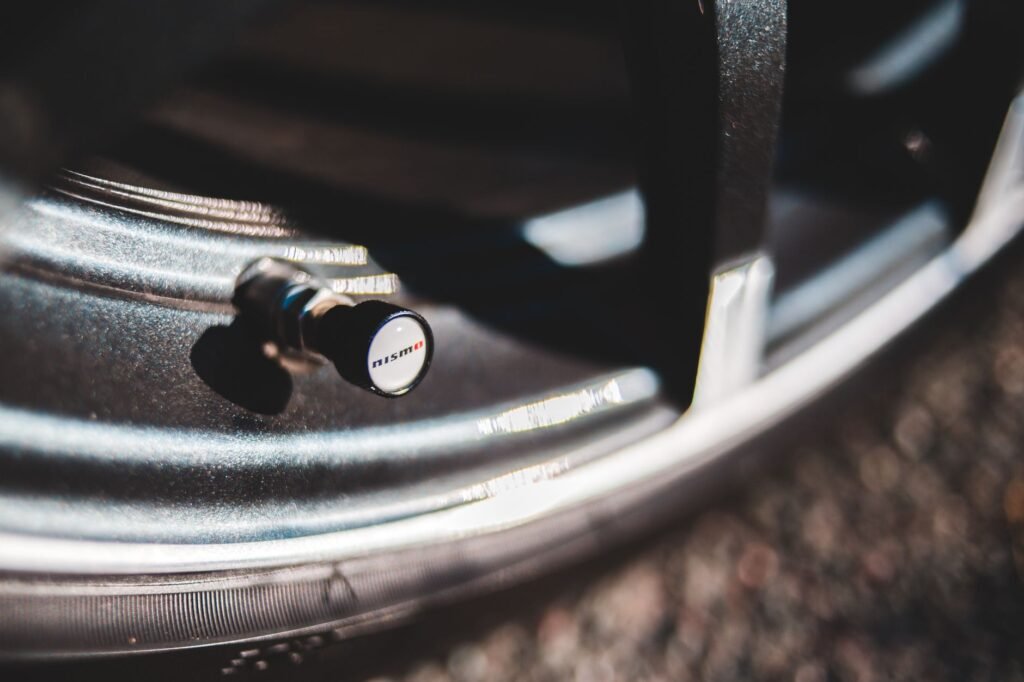
The TPMS on Honda vehicles utilizes sensors located inside or on the tire valves to measure tire pressure. These sensors send real-time data to the vehicle’s onboard computer system. If the system detects a significant drop in pressure, it triggers the TPMS warning light on the dashboard. This light typically looks like an exclamation mark within a horseshoe shape and is designed to catch the driver’s attention.
Types of TPMS
There are two main types of TPMS: direct and indirect. Direct TPMS uses pressure sensors in each tire, providing accurate pressure readings directly to the vehicle’s computer. Indirect TPMS, on the other hand, does not measure tire pressure directly but uses wheel speed sensors to detect changes in tire circumference due to pressure loss. Most modern Honda vehicles, such as the Accord and CR-V, employ direct TPMS for its accuracy.
How to Check TPMS Functionality
To ensure that the TPMS is functioning correctly, it is essential to perform routine maintenance checks. Drivers should periodically inspect their tire pressures using a reliable tire gauge and compare them to the recommended levels found in the vehicle’s owner’s manual or on a sticker located inside the driver’s door. It’s also advisable to have the TPMS system checked during regular service intervals to confirm that all sensors are operational.
Resetting the TPMS on Your Honda
If you have corrected a tire pressure issue, you may need to reset the TPMS. The process typically involves the following steps: first, ensure all tires are inflated to the correct pressure. Next, turn on the ignition without starting the engine. Locate the TPMS reset button, usually found beneath the steering wheel, and press and hold it until the TPMS indicator blinks twice. This indicates that the system has been reset. Consult your owner’s manual for specific instructions related to your model.

Common Issues with TPMS
While TPMS is a reliable system, there are common issues that drivers may encounter. These include a malfunctioning sensor, which can cause the warning light to illuminate even when tire pressures are correct. Another issue is a dead battery in the tire sensor, which may require replacement. If the TPMS light remains on after addressing tire pressure, it is advisable to consult a professional mechanic for diagnosis.
Benefits of TPMS
The benefits of having a functional TPMS in your Honda are significant. First, it enhances safety by alerting drivers of potentially dangerous tire conditions, helping to prevent blowouts and accidents. Secondly, a well-maintained TPMS contributes to better fuel economy and extends the life of tires, which can lead to reduced overall vehicle maintenance costs. Lastly, having real-time tire pressure information allows drivers to make informed decisions regarding their vehicle’s performance.
Interested in This Car?
If you are considering this vehicle, you can check its current availability, pricing and purchase options from the seller.
Conclusion
In summary, understanding what TPMS means on a Honda is essential for every vehicle owner. This system not only enhances safety but also plays a crucial role in optimizing vehicle performance and fuel efficiency. Regular maintenance and checks of the TPMS can help drivers avoid costly repairs and ensure a smooth and safe driving experience. By staying proactive about tire maintenance, Honda owners can enjoy the full benefits of their vehicle’s advanced technology.
Interested in This Car?
If you are considering this vehicle, you can check its current availability, pricing and purchase options from the seller.
TPMS reset procedures and troubleshooting for Honda vehicles
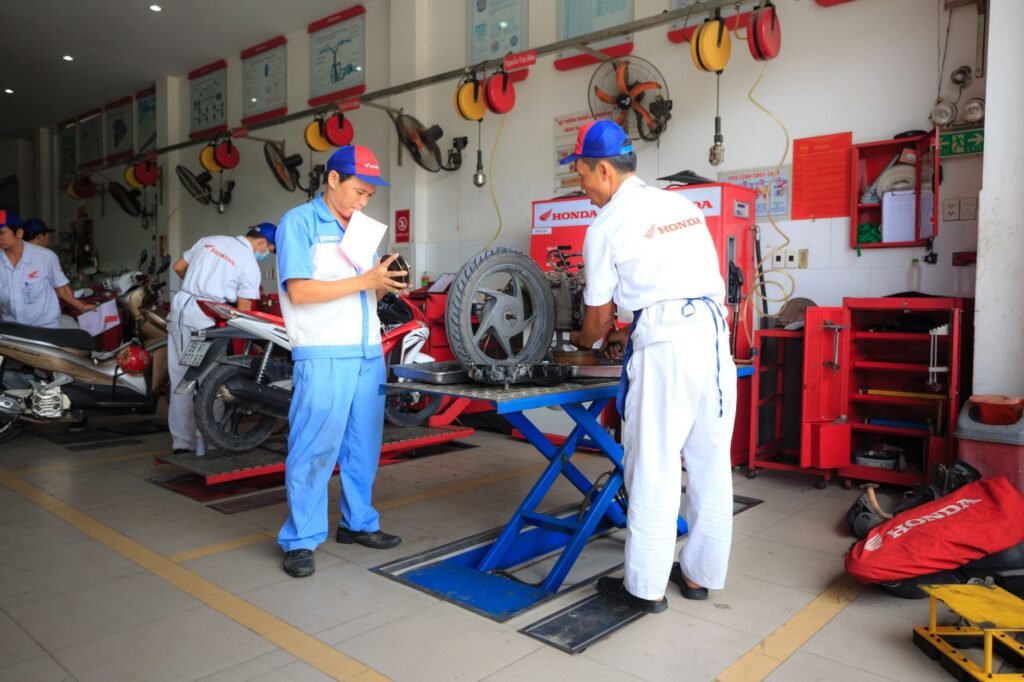
The Tire Pressure Monitoring System (TPMS) in Honda vehicles is designed not only to alert drivers when tire pressure is low but also to ensure that the system itself is functioning properly. Understanding how to reset the TPMS and troubleshoot common issues can be invaluable for maintaining vehicle safety and performance.
When a tire is replaced, rotated, or if the tire pressure has been adjusted significantly, the TPMS must often be reset manually. Honda vehicles typically feature a TPMS reset button located beneath the steering wheel, although the exact location can vary by model. To reset the system, follow these steps:
1. Ensure all tires are inflated to the recommended pressure (found on the driver’s side door jamb).
2. Turn the ignition to the ON position without starting the engine.
3. Press and hold the TPMS reset button until the TPMS indicator light blinks three times, then release the button.
4. Start the engine and allow the vehicle to run for about 20 minutes to complete the reset process.
It’s important to note that if the TPMS warning light remains illuminated after a reset, it may indicate a deeper issue. Common problems include:
- Faulty TPMS sensors: Each tire has a sensor that communicates with the vehicle’s computer. If a sensor fails, it cannot relay accurate pressure information. Replacing a faulty sensor is often necessary.
- Dead battery in a sensor: The sensors in the tires are battery-powered and typically have a lifespan of 5-10 years. If your vehicle’s TPMS is older and the warning light is on, it may be time to replace the sensors.
- Mismatched tire sizes: Using tires that differ in size from the factory specifications can confuse the TPMS, leading to warning lights. Always adhere to the manufacturer’s recommendations for tire sizes.
For Honda vehicles equipped with advanced TPMS, such as the models featuring Honda’s LaneWatch or Honda Sensing technologies, the TPMS is integrated with additional vehicle systems. In these cases, a malfunction may trigger multiple warning lights, indicating a more complex problem that may require professional diagnosis.
Additionally, Honda owners should be aware of seasonal changes in tire pressure. As temperatures drop, tire pressure can decrease, often leading to a TPMS alert. Regularly checking tire pressure, especially during winter months, can mitigate potential issues.
Another critical aspect of TPMS maintenance is software updates. Honda frequently issues updates for the vehicle’s onboard computer systems, including TPMS functionality. Keeping your vehicle’s software up to date can enhance performance and ensure that the TPMS operates correctly.
In summary, a clear understanding of how to reset a Honda vehicle’s TPMS and troubleshoot common issues allows drivers to maintain tire health and overall vehicle safety. By taking an active role in monitoring tire pressure and system performance, Honda owners can prevent more significant problems down the road.
Advanced TPMS features in Honda vehicles
The Tire Pressure Monitoring System (TPMS) in Honda vehicles is not just a basic warning system; it integrates advanced features that enhance safety and performance. Understanding these features can significantly improve your driving experience and maintenance routine.
One notable aspect of Honda’s TPMS is its integration with the Vehicle Stability Assist (VSA) system. This synergy allows for real-time monitoring of tire pressure, which plays a crucial role in maintaining optimal traction and handling. When tire pressure drops, the VSA can automatically adjust braking and engine power to maintain stability, especially during adverse driving conditions. This is particularly important for Honda models equipped with all-wheel drive, where uneven tire pressure can lead to loss of traction.
Another key feature of Honda’s TPMS is the ability to reset the system after tire rotation or replacement. Many drivers are unaware that simply changing tires does not automatically recalibrate the TPMS. Honda vehicles often include a manual reset procedure that is easily accessible in the owner’s manual, or through the vehicle settings on the dashboard. For example, in the Honda Accord, the reset button is usually located beneath the steering column. Following the correct procedure ensures accurate pressure readings and can prevent confusion when the TPMS light remains illuminated after a simple tire change.
“Understanding the intricacies of TPMS can help you avoid unnecessary trips to the mechanic and ensure your vehicle performs at its best.”
Honda’s TPMS also features a unique ‘Low Tire Pressure’ indicator that not only alerts you to low pressure but also indicates which tire is affected. This level of specificity is particularly beneficial for drivers who frequently check their tire pressure and want to maintain optimal performance. For example, in the Honda CR-V, the multi-information display will show a visual representation of the vehicle’s tires and highlight the one that requires attention. This eliminates guesswork and allows for quicker response times to tire issues.
Moreover, Honda has made strides in enhancing the durability of TPMS sensors. The sensors in newer models are designed to withstand extreme temperatures and road conditions, thus providing a longer lifespan. This advancement reduces the frequency of sensor replacements, which can be a significant cost-saving measure over the life of the vehicle. For instance, the sensors used in the Honda Civic have been tested to endure harsher conditions compared to older models, reflecting Honda’s commitment to reliability.
Lastly, it is essential to consider the role of software updates in maintaining the efficiency of the TPMS. As with many modern vehicle systems, Honda periodically releases software updates that can enhance or fix issues with the TPMS. Owners should stay informed about these updates through their local dealerships or the Honda owner’s portal. Keeping the software current can improve the system’s accuracy and responsiveness, ensuring drivers receive timely and accurate information about their tire health.
In summary, understanding the advanced features and maintenance of Honda’s TPMS can significantly impact your overall driving experience. From the integration with VSA to the specifics of sensor durability, these elements contribute to a safer and more efficient vehicle. Regularly checking your TPMS settings and staying informed about system updates can help you get the most out of your Honda’s tire monitoring capabilities.
Advanced TPMS features and maintenance tips
Honda vehicles equipped with Tire Pressure Monitoring Systems (TPMS) offer more than just basic alerts for low tire pressure. Understanding the advanced features and maintenance requirements of TPMS can enhance vehicle safety and performance. This section delves into these aspects, providing insights that are crucial for both new and seasoned Honda owners.
Modern Honda models incorporate a direct TPMS, which uses sensors mounted on each tire to monitor tire pressure accurately. These sensors provide real-time data to the vehicle’s onboard computer, allowing it to display precise tire pressure readings on the dashboard. This feature is particularly beneficial as it helps drivers manage tire maintenance proactively, potentially extending tire life and improving fuel efficiency.
In addition to real-time monitoring, many Honda vehicles now come with advanced features like the Tire Fill Assist. This helpful tool guides drivers during tire inflation by illuminating the dashboard display to indicate when the correct tire pressure has been reached. This feature is especially useful for those who may not be familiar with tire pressure requirements, as it simplifies the often tedious process of checking and inflating tires.
Another critical component of Honda’s TPMS is its integration with the vehicle’s maintenance schedule. When tires are rotated or replaced, it is essential to reset the TPMS to ensure accurate monitoring. Failure to do so can lead to misleading pressure readings, which can compromise safety. Honda recommends resetting the TPMS after any tire service, a process that can often be done through the vehicle’s onboard settings or by using a specialized TPMS tool.
“Always consult the owner’s manual for the specific TPMS reset procedure for your model, as it can vary between different Honda vehicles.”
Moreover, Honda TPMS sensors have a lifespan of about five to ten years, depending on usage and environmental factors. As they age, the battery inside the sensor may deplete, leading to malfunction. Therefore, it’s advisable to inspect your TPMS sensors during regular maintenance intervals. If a TPMS warning light appears on the dashboard, it may indicate a sensor failure rather than low tire pressure, necessitating immediate attention.
It’s also worth noting that Honda’s TPMS can be sensitive to changes in temperature. Tire pressure typically decreases in colder weather, which can trigger a TPMS warning light. Owners should remain vigilant during seasonal changes and regularly check their tire pressure, especially in the winter months when cold temperatures can affect tire inflation levels significantly.
For Honda drivers who frequently engage in off-road or performance driving, the TPMS can become even more vital. Maintaining optimal tire pressure is critical in these conditions for traction and handling. Some performance-oriented Honda models offer adjustable TPMS settings that allow drivers to customize pressure thresholds based on driving style and terrain.
In conclusion, understanding the advanced features and maintenance requirements of Honda’s TPMS not only enhances safety but also contributes to better vehicle performance and longevity. By utilizing the available technology and adhering to maintenance practices, drivers can ensure their Honda vehicle remains in optimal condition, reducing the risk of tire-related issues on the road.
Frequently asked questions
What does TPMS do?
TPMS monitors the air pressure in your tires. If the pressure drops below a safe level, it alerts the driver through a dashboard warning light.
How do I reset the TPMS on my Honda?
To reset the TPMS on a Honda, ensure the tires are properly inflated, then turn on the ignition without starting the engine. Press and hold the TPMS reset button until the light blinks twice.
What should I do if the TPMS light is on?
If the TPMS light is illuminated, check your tire pressures. If they are correct, there may be a malfunction in the system that requires professional diagnosis.
The bottom line
Understanding TPMS is essential for maintaining your Honda's performance and safety. Regular checks will ensure optimal tire health and driving comfort.
Related reading: Production speed records and the engineering behind the 300 mph boundary, and How car manufacturers test vehicles before they reach dealerships. For an outside reference on this topic, see NHTSA's vehicle safety resources.