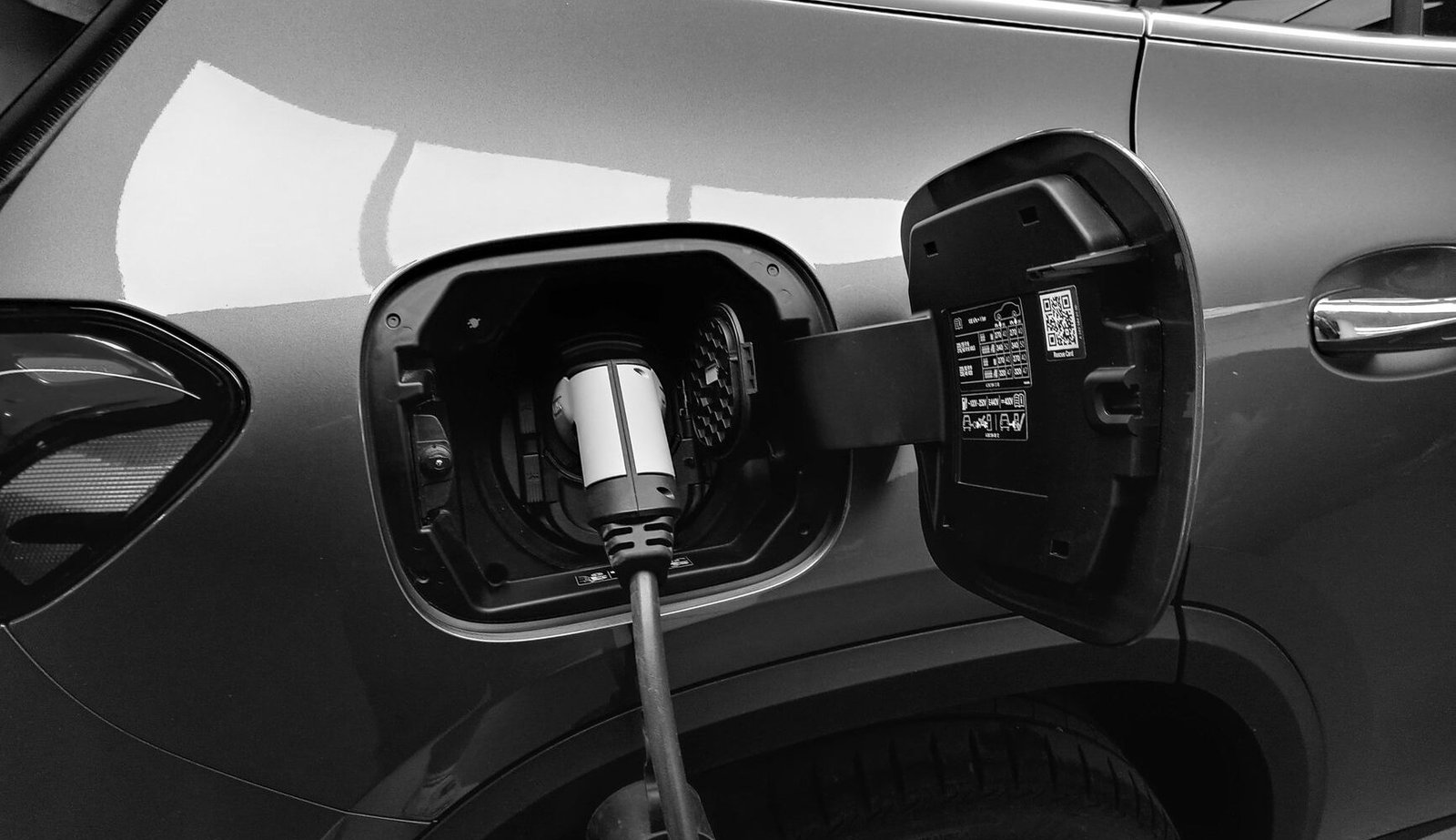
The automotive landscape is rapidly evolving, with hybrid and plug-in hybrid vehicles gaining traction as eco-friendly alternatives to traditional gasoline-powered cars. Understanding the differences between plug-in hybrids and hybrids is crucial for consumers looking to reduce their carbon footprint while enjoying the convenience of modern automotive technology.
What is a hybrid vehicle?
Hybrid vehicles utilize a combination of an internal combustion engine and an electric motor to maximize fuel efficiency and reduce emissions. The electric motor is powered by a battery that is charged through regenerative braking and the engine itself. Unlike fully electric vehicles, hybrids do not require an external charging source; they operate seamlessly by switching between the electric motor and gasoline engine based on driving conditions.
Hybrids come in various configurations, including full hybrids and mild hybrids. Full hybrids can operate on electric power alone or in conjunction with the gasoline engine, while mild hybrids primarily use the gasoline engine but incorporate a smaller electric motor to assist during acceleration and improve fuel efficiency.
What is a plug-in hybrid vehicle?
Plug-in hybrid vehicles (PHEVs) take the hybrid concept a step further by allowing for larger battery packs that can be charged from an external power source, such as a standard household outlet or a dedicated charging station. This capability enables PHEVs to operate on electric power alone for a limited range, typically between 20 to 50 miles, before the gasoline engine kicks in. This extended electric-only range makes plug-in hybrids particularly appealing for daily commuting and short trips.
Once the electric range is depleted, plug-in hybrids function like traditional hybrids, utilizing both the gasoline engine and electric motor to enhance fuel efficiency. This dual capability provides a unique advantage, allowing drivers to benefit from electric driving during short journeys while retaining the flexibility of gasoline power for longer trips.
Key differences between hybrids and plug-in hybrids
The primary distinction between hybrids and plug-in hybrids lies in their battery size, charging capabilities, and electric-only driving range. Below are the key differences:
Battery size and charging
Hybrids typically have smaller batteries that are charged through regenerative braking and the gasoline engine. These batteries are not designed to be charged from an external source. In contrast, plug-in hybrids feature larger batteries that can be charged via a standard outlet or charging station, allowing for greater electric-only driving range.
Electric-only range
Most hybrids can only operate on electric power for a very short distance, usually less than a mile, before relying on the gasoline engine. Plug-in hybrids, on the other hand, can often drive 20 to 50 miles without using gasoline, making them ideal for those with short commutes or daily driving needs.
Fuel economy and emissions
Hybrids generally offer better fuel economy than traditional gasoline vehicles, often achieving 50 miles per gallon or more, depending on the model. Plug-in hybrids can achieve even higher fuel economy ratings when operating in electric mode, but their overall fuel efficiency can vary based on how frequently the vehicle is charged and the distance driven on electricity versus gasoline.
Advantages of hybrids and plug-in hybrids
Both hybrids and plug-in hybrids provide distinct advantages, and the choice between them often depends on individual driving habits and preferences.
Benefits of hybrid vehicles
1. Convenience: Hybrids do not require external charging, making them easier to use for drivers who may not have access to charging infrastructure.
2. Fuel efficiency: Hybrids offer excellent fuel economy, reducing the frequency of trips to the gas station.
3. Lower emissions: By using both an electric motor and an internal combustion engine, hybrids help reduce overall emissions compared to traditional vehicles.
Benefits of plug-in hybrids
1. Electric driving: Plug-in hybrids allow for significant electric-only driving, which can save on fuel costs and reduce emissions for daily commutes.
2. Flexibility: Drivers can choose to charge their vehicles and use electric power as needed while still having the gasoline engine as a backup for longer trips.
3. Incentives: Many regions offer incentives for purchasing plug-in hybrids, such as tax credits and rebates, making them a financially appealing choice.
Choosing the right option for you
When deciding between a hybrid and a plug-in hybrid, consider your driving habits, access to charging infrastructure, and environmental goals. If you typically drive short distances and have the ability to charge your vehicle regularly, a plug-in hybrid may be more advantageous. However, if you prefer a vehicle that requires less maintenance and provides a seamless driving experience without the need for external charging, a traditional hybrid could be the better choice.
In summary, both hybrid and plug-in hybrid vehicles represent significant strides towards more sustainable transportation. Each offers unique benefits and features designed to cater to various driving needs. Understanding the differences between these two types of vehicles will empower consumers to make an informed decision that aligns with their lifestyle and environmental objectives.
Exploring the role of charging infrastructure
The choice between a plug-in hybrid vehicle (PHEV) and a traditional hybrid vehicle often hinges on access to charging infrastructure. PHEVs require a reliable and convenient charging solution to maximize their electric driving range. This section delves into how charging infrastructure influences ownership experience, driving behavior, and overall vehicle efficiency.
For PHEV owners, having access to home charging is critical. A dedicated Level 2 home charging station can significantly reduce charging time, allowing drivers to fully charge their vehicle overnight. This convenience encourages electric-only driving during short commutes, which can lead to substantial fuel savings and lower emissions. In contrast, traditional hybrids do not rely on external charging and instead recharge their batteries through regenerative braking and the internal combustion engine. This difference means that PHEVs can potentially offer greater fuel efficiency when driven primarily in electric mode.
However, the effectiveness of PHEVs is heavily influenced by the availability of public charging stations. A comprehensive network of charging stations enhances the practicality of owning a PHEV, particularly for those who may not have the option to charge at home. For example, cities with robust charging infrastructure, such as San Francisco or Amsterdam, allow PHEV owners to utilize their vehicles’ electric capabilities more effectively, reducing reliance on gasoline. Conversely, in areas with limited charging options, the benefits of PHEVs may be diminished, making traditional hybrids a more appealing choice.
Beyond location, the speed of charging stations also plays a role. Fast chargers can replenish a PHEV battery to 80% in approximately 30 minutes, making it feasible for longer trips. This capability allows PHEV owners to travel further without the constant worry of depleting their battery. In contrast, standard charging stations may take several hours, which could deter potential PHEV buyers in regions where fast charging isn’t readily available.
“The convenience and accessibility of charging infrastructure can make or break the PHEV experience.”
Furthermore, governments and private companies continue to invest in charging infrastructure as part of broader initiatives to promote electric vehicles. This expansion is crucial for increasing PHEV adoption rates. In many countries, incentives are provided for installing charging stations, which may include tax credits or rebates for homeowners and businesses. Such initiatives not only ease the financial burden of installation but also contribute to a growing network of chargers that supports PHEV drivers.
Another aspect to consider is the potential for smart charging technology, which allows PHEV owners to charge their vehicles during off-peak hours or when renewable energy sources are abundant. This technology not only optimizes charging costs but also aligns with sustainability goals. As utilities and governments promote smart grids, PHEV owners could further enhance their driving experience and environmental impact.
Ultimately, the decision between a plug-in hybrid and a traditional hybrid should include a thorough evaluation of local charging infrastructure. For those who can seamlessly integrate charging into their lifestyle, PHEVs can offer significant advantages in fuel efficiency and emissions reduction. Conversely, if charging options are limited, a traditional hybrid may provide a more practical solution without compromising on efficiency. Understanding the nuances of charging infrastructure is essential for prospective buyers navigating the hybrid marketplace.
Understanding the advantages of charging infrastructure
When evaluating the differences between hybrid and plug-in hybrid vehicles, one crucial aspect that influences their practicality and efficiency is the availability and accessibility of charging infrastructure. While both vehicle types utilize a combination of gasoline engines and electric motors, plug-in hybrids (PHEVs) generally have larger battery capacities that allow for extended electric-only driving ranges. However, the benefits of this capability can only be fully realized in environments where charging stations are readily available.
In urban areas, for example, the proliferation of charging stations has made owning a PHEV much more appealing. Many cities are investing heavily in electric vehicle (EV) infrastructure, providing ample charging options in public spaces, workplaces, and even residential areas. For instance, cities like San Francisco and Amsterdam have implemented extensive networks of fast chargers that enable PHEV owners to recharge efficiently while they work or shop. This infrastructure allows drivers to maximize their electric-only range, improving fuel efficiency and reducing emissions significantly.
On the other hand, in rural areas or regions where charging infrastructure is sparse, the advantages of a plug-in hybrid can diminish. Without easy access to charging stations, a PHEV may operate more like a conventional hybrid, relying heavily on its gasoline engine due to the inability to recharge the battery regularly. This situation can lead to higher fuel consumption and emissions, negating some of the environmental benefits that PHEVs promise.
“Charging infrastructure is a critical factor that can determine the effectiveness of a PHEV. Without it, drivers may not be able to take full advantage of electric-only driving capabilities.”
Moreover, the charging speed also plays a significant role in the practicality of PHEVs. Most public charging stations provide Level 2 charging, which is sufficient for daily use but may not be fast enough for longer trips. Some PHEVs are compatible with DC fast charging, allowing for quicker top-ups during longer journeys. For example, the Mitsubishi Outlander PHEV can recharge up to 80% in about 25 minutes at a fast-charging station. This capability makes it more feasible for drivers to consider long-distance travel in a PHEV, provided they have access to fast chargers along their route.
Additionally, incentives and rebates for installing home charging stations can further enhance the appeal of PHEVs. Many governments offer financial incentives for homeowners to install Level 2 chargers, making it easier for PHEV owners to charge at home overnight. This convenience can lead to significant cost savings over time, as drivers can utilize lower electricity rates during off-peak hours compared to gasoline prices.
In conclusion, while plug-in hybrids present an attractive alternative to traditional hybrids by offering the potential for greater fuel efficiency and reduced emissions, their effectiveness is significantly influenced by the surrounding charging infrastructure. Prospective buyers should carefully consider their local charging options, travel patterns, and the availability of incentives before choosing between a hybrid and a plug-in hybrid. Understanding these nuances can help consumers make informed decisions that align with their environmental goals and lifestyle needs.
Understanding the charging infrastructure impact
When comparing plug-in hybrids (PHEVs) and conventional hybrids (HEVs), one crucial aspect that often goes unnoticed is the role of charging infrastructure in shaping the user experience and overall efficiency of these vehicles. Charging infrastructure not only influences the convenience of owning a PHEV but also affects the environmental benefits and financial implications tied to both vehicle types.
For PHEV owners, access to charging stations is a critical factor. While PHEVs can operate on both electric and gasoline power, their full potential is realized when they are regularly charged. This means that users need to have reliable access to charging options, whether at home, work, or public locations. Home charging is typically the most convenient, allowing users to plug in their vehicles overnight. However, the installation of a Level 2 charger can require an upfront investment of several hundred to a few thousand dollars, depending on the home’s electrical system and the cost of installation.
Public charging stations are also essential for PHEV drivers, particularly for those who may not have home charging capabilities or who take longer trips. The availability of these stations can vary significantly by region. Some urban areas are well-equipped with charging infrastructure, while rural areas may have limited options. This disparity can affect the practicality of owning a PHEV, as drivers may find themselves unable to take advantage of the electric-only range if charging stations are scarce.
In contrast, HEVs do not rely on external charging. They utilize regenerative braking and an internal combustion engine to recharge their batteries while driving. This eliminates the concern of finding a charging station and allows for greater flexibility in driving habits. For individuals who frequently drive long distances or live in areas with limited charging options, HEVs can be more convenient, as they operate seamlessly without the need for additional charging infrastructure.
“The convenience of driving a hybrid is that you do not have to worry about charging; you simply fill up at the gas station.” – Automotive Expert
Moreover, the environmental benefits of each vehicle type can also be influenced by charging infrastructure. PHEVs can achieve significant reductions in greenhouse gas emissions when charged from renewable sources. However, if the electricity used to charge a PHEV comes from fossil fuels, the environmental advantage diminishes. This means that the local energy grid’s composition plays a crucial role in maximizing the benefits of owning a PHEV. In contrast, HEVs, while still more efficient than traditional gas-powered vehicles, do not have the same variable impact based on the energy source, as they primarily rely on gasoline.
Financial considerations also play a significant role in the decision-making process. PHEVs might qualify for various incentives and rebates, which can help offset the higher purchase price compared to HEVs. However, these incentives may also depend on the availability of local charging infrastructure, as some programs are designed to encourage the development of charging networks. Additionally, the cost of electricity versus gasoline can influence long-term ownership costs. In regions where electricity prices are low, PHEVs can offer substantial savings over time through lower fuel costs.
Ultimately, the choice between a plug-in hybrid and a conventional hybrid should take into account not just the vehicles themselves but also the surrounding infrastructure. Understanding local charging options, energy sources, and financial incentives can significantly impact the ownership experience and the overall value derived from either type of vehicle.
Related reading: The leading luxury electric cars defining the high-end market, and The premier electric vehicles engineered for cross-country highway travel. For an outside reference on this topic, see the Department of Energy's home charging guide.



3 Responses