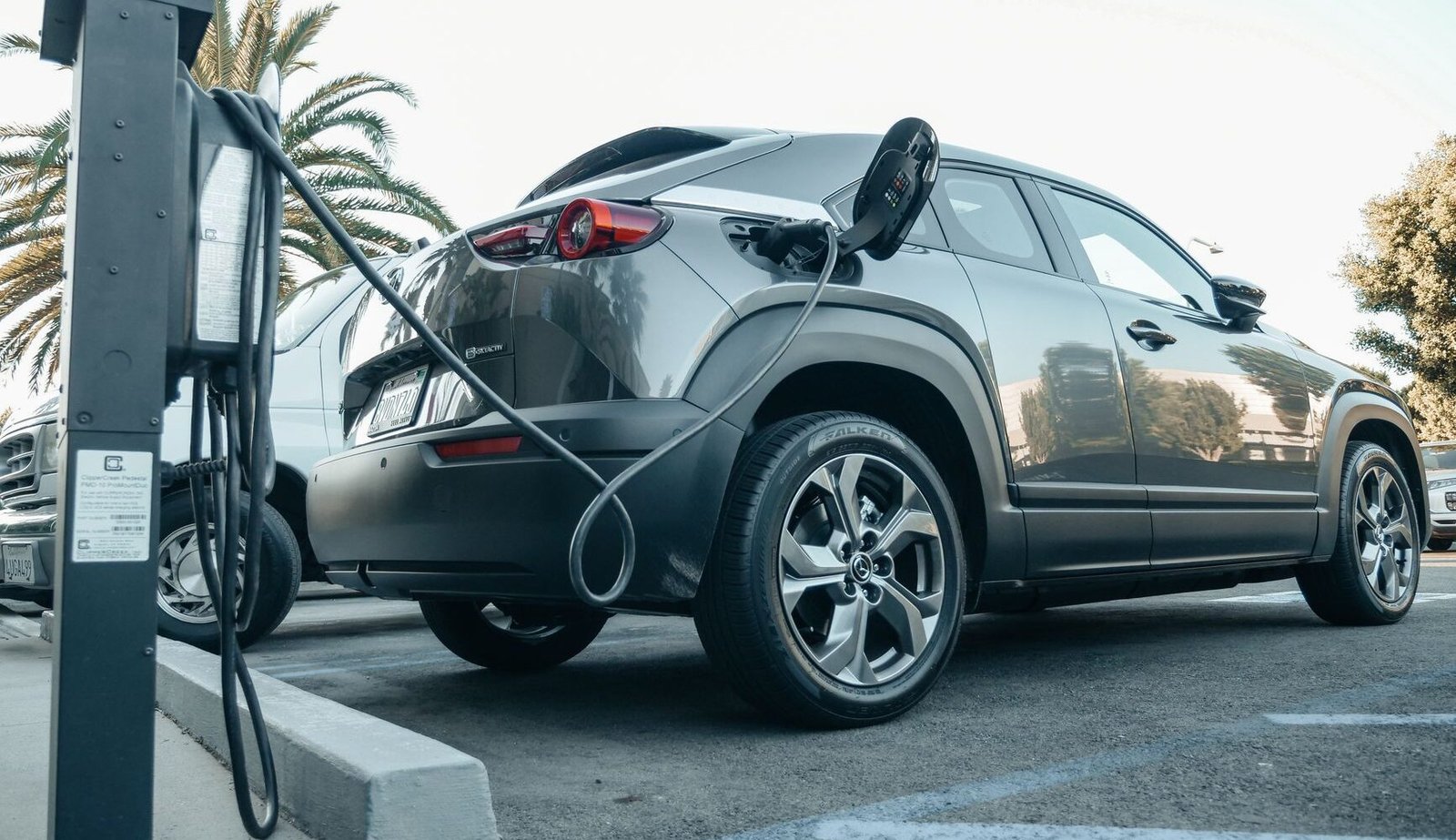
Understanding how much it costs to charge an EV is essential for potential buyers and current owners alike. With the rise of electric vehicles (EVs) on the market, knowing the cost associated with charging can help consumers make informed decisions about their vehicle choice and overall budget. In this article, we will break down the various factors that influence charging costs, from home charging setups to public charging stations, and how electricity rates play a significant role.
Home charging costs
For most EV owners, home charging is the most convenient and economical option. The cost to charge an EV at home primarily depends on two factors: the vehicle’s battery capacity and the local electricity rates. A typical home charging station operates on a 240-volt outlet, providing a Level 2 charging option that charges faster than a standard 120-volt outlet.
To calculate the cost of charging at home, consider the following formula:
Cost = (Battery Capacity in kWh) × (Electricity Rate per kWh)
For example, if you have an EV with a 60 kWh battery and your local electricity rate is $0.13 per kWh, the total cost for a full charge would be:
Cost = 60 kWh × $0.13 = $7.80
This means that charging your EV from empty to full would cost approximately $7.80. However, it’s important to note that most EV owners do not charge from empty to full every day. If an owner typically charges from 20% to 80%, the cost would be lower, around $3.90 for that charge.
Public charging stations
While home charging is convenient, many EV owners also utilize public charging stations. These stations vary significantly in pricing structures, with some charging by the hour, others by the kWh, and some offering free charging as an incentive. Public charging can be more expensive than home charging. For instance, DC fast chargers can charge at rates of $0.20 to $0.60 per kWh, depending on the provider and location.
Using the previous example of a 60 kWh battery, if you were to charge at a public station at $0.40 per kWh, a full charge would cost:
Cost = 60 kWh × $0.40 = $24.00
As such, electric vehicle owners should factor in potential public charging costs when budgeting for their EV. It is also worth noting that some companies offer subscription services or membership plans that can reduce charging costs at specific networks.
Factors affecting charging costs
Several factors can influence the overall cost of charging an EV. These include:
- Battery size: Larger batteries will obviously cost more to charge. Knowing your vehicle’s battery capacity is crucial for estimating costs.
- Electricity rates: Rates can vary by region and time of day. Some utilities offer time-of-use plans, where electricity is cheaper during off-peak hours.
- Charging speed: Fast chargers often come at a premium. While they charge quicker, they also tend to cost more per kWh.
- State incentives: Some states provide incentives or rebates for EV charging, which can reduce overall costs.
- Charging location: Charging at a workplace or a shopping mall may offer free charging or reduced rates compared to public stations.
Comparing costs to gasoline vehicles
When comparing the costs of charging an EV to fueling a gasoline vehicle, the savings can be significant. For example, if a gasoline vehicle averages 25 miles per gallon and gasoline costs $3.00 per gallon, the cost per mile would be approximately $0.12. In contrast, if an electric vehicle consumes about 4 miles per kWh and the cost of electricity is $0.13 per kWh, the cost per mile would be around $0.03. This translates to a savings of about 75% in fuel costs.
Additionally, many EV owners report lower maintenance costs due to fewer moving parts and less wear and tear compared to internal combustion engines. This further enhances the cost-effectiveness of owning an EV.
Conclusion
In summary, the cost to charge an EV can vary widely based on battery size, electricity rates, and charging methods. Home charging generally offers the most economical option, while public charging can be more expensive but may provide convenience on longer journeys. By understanding these factors and planning accordingly, EV owners can effectively manage their charging costs and enjoy the benefits of electric vehicle ownership.
Understanding charging costs and incentives
When calculating the cost to charge an electric vehicle (EV), it’s essential to consider various factors beyond just the electricity rates. One significant aspect is the availability of incentives and rebates that can reduce the effective cost of charging. Different regions offer a variety of programs aimed at promoting EV adoption, which can significantly alter the overall economics of charging.
For example, many states in the U.S. provide tax credits for EV owners. These credits can range from a few hundred to several thousand dollars, depending on the state and the vehicle type. In California, for instance, the Clean Vehicle Rebate Project offers rebates up to $7,000 for eligible vehicles, while Massachusetts has a similar program that can provide up to $2,500. Such incentives can offset the initial purchase price of the EV and make charging more financially attractive.
Additionally, utilities are increasingly offering time-of-use (TOU) pricing plans that allow EV owners to charge their vehicles during off-peak hours at a lower rate. This can lead to substantial savings, especially in areas with high energy costs. For instance, Pacific Gas and Electric (PG&E) in California offers a TOU plan that can reduce charging costs by as much as 50% during nighttime hours when demand is lower. By strategically planning charging times, EV owners can take advantage of these lower rates and even save on their overall electricity bill.
Another consideration is the growing number of public charging stations that offer free or subsidized charging as a promotional effort. For example, some shopping malls, restaurants, and grocery stores provide complimentary charging for customers. This not only incentivizes consumers to shop at these locations but also allows EV owners to charge for free while they run errands. These opportunities can significantly decrease the overall cost of charging an EV.
Moreover, it’s important to note that charging methods can influence costs. Level 1 chargers, which use a standard household outlet, are the most affordable in terms of installation but can take longer to charge a vehicle. In contrast, Level 2 chargers, often found in public charging stations, can charge a vehicle much faster but may come with a higher cost per kWh. For instance, a typical Level 2 charging station might charge between $0.20 to $0.60 per kWh, depending on the provider and location.
Understanding these dynamics can help EV owners make informed decisions about where and when to charge their vehicles and how to maximize the financial benefits available to them. By leveraging state and local incentives, taking advantage of TOU pricing, and utilizing free public chargers, EV owners can minimize their total charging costs and enjoy the many benefits of electric vehicle ownership.
“Navigating the incentives and pricing structures can dramatically change the cost landscape for EV charging, making it essential for owners to stay informed about available options.”
Understanding the impact of charging infrastructure on cost
Charging infrastructure plays a crucial role in determining the overall cost of charging an electric vehicle (EV). The location and type of charging station can significantly influence the price consumers pay, as well as the convenience and accessibility of charging options.
There are three main types of charging stations: Level 1, Level 2, and DC fast chargers. Level 1 chargers, typically 120 volts, are standard household outlets and often do not incur additional costs for usage, as they draw from regular residential electricity. However, this method is the slowest, providing roughly 4-5 miles of range per hour, making it suitable primarily for overnight charging.
Level 2 chargers, operating at 240 volts, are commonly found in public charging stations and can add about 10-60 miles of range per hour, depending on the vehicle and the charger’s power output. These chargers often require a fee, which can vary widely based on location, the provider’s pricing model, and even the time of day. For instance, a public Level 2 station might charge anywhere from $0.10 to $0.40 per kWh. In contrast, some municipalities have opted to provide free charging to encourage EV adoption, making it essential for consumers to research local charging options.
The most notable option, DC fast chargers, can recharge an EV to 80% in as little as 30 minutes. While incredibly convenient for long-distance travel, they come with a higher price tag. Costs can range from $0.20 to $0.80 per kWh, depending on the station’s location and the electricity rates in that area. Furthermore, some providers employ a session fee structure, charging a flat fee for a charging session in addition to the per-kWh rate, which can lead to a surprisingly high bill for a quick charge.
“Many EV owners don’t realize that charging at a fast station can sometimes be more expensive than filling up a gas tank, especially with fluctuating electricity prices.”
Another critical factor influencing charging costs is the time of day. Many utility companies offer time-of-use (TOU) rates, which means that electricity prices vary based on peak and off-peak hours. For EV owners, charging during off-peak hours—typically late at night—can lead to substantial savings. For example, if a utility offers a TOU rate of $0.05 per kWh during off-peak hours and $0.25 during peak hours, an EV owner could save 80% on charging expenses simply by timing their charging sessions appropriately.
Moreover, the introduction of subscription services and membership plans by charging networks is changing the landscape. Some networks allow users to pay a monthly fee for unlimited charging or reduced rates, which can be a cost-effective solution for frequent users. For instance, a subscription fee of $20 per month might provide a significant discount on the kWh rate, making it an attractive option for daily commuters.
Understanding these variables is essential for EV owners looking to optimize their charging costs. By knowing which type of charger to use, when to charge, and how to leverage subscription services, consumers can effectively manage their budgets and maximize the benefits of electric vehicle ownership.
Time-of-use electricity rates and their impact on EV charging costs
When considering the cost of charging an electric vehicle (EV), it’s crucial to factor in the time-of-use (TOU) electricity rates that many utility companies offer. These rates vary depending on the time of day, incentivizing consumers to charge their vehicles during off-peak hours when electricity demand is lower and rates are cheaper. Understanding how to strategically take advantage of these pricing structures can lead to significant savings over time.
For instance, a typical utility might charge 10 cents per kilowatt-hour (kWh) during off-peak hours, while the rate could spike to 30 cents per kWh during peak usage times. This stark difference means that charging your EV at night could potentially save you two-thirds of the cost compared to charging during the day. If you own an EV with a 60 kWh battery, charging during off-peak hours would cost approximately $6, while charging at peak rates could run you $18.
In many regions, utility providers have implemented TOU rates to manage grid demand more effectively. For example, California’s Pacific Gas and Electric (PG&E) offers a TOU rate plan that allows EV owners to charge overnight at lower rates significantly. This can be particularly beneficial for those who charge at home, as it can lead to considerable monthly savings, depending on driving habits and local rate structures.
“By aligning charging habits with off-peak times, EV owners can maximize their savings and reduce the load on the grid during peak hours.”
However, not all EV owners have the luxury of charging at home. Those who rely on public charging stations often face different pricing models, which may or may not reflect TOU structures. Many public charging networks charge a flat fee per session or per minute, regardless of the time of day. For instance, some fast chargers may charge $0.25 per minute, while others may have a flat rate of $10 for a full charge. Understanding these costs is essential for EV owners who frequently use public charging infrastructure.
To illustrate, let’s say you stop at a public charging station during peak hours, and the station charges $0.25 per minute. If it takes you 30 minutes to charge your vehicle, that would cost you $7.50. In contrast, if you had waited until off-peak hours when the same station charged $0.15 per minute, your cost would drop to $4.50 for the same charging session. This difference highlights the importance of timing in charging decisions.
Another aspect to consider is the availability of charging incentives or programs that some utilities offer to encourage EV adoption. These may include rebates for home charging station installations or discounts for using specific public charging networks during off-peak hours. Exploring these options can further decrease the overall cost of charging an EV.
In conclusion, understanding and utilizing time-of-use electricity rates can significantly impact the cost of charging an EV. By strategically planning when and where to charge, EV owners can take advantage of lower rates and potential incentives, ultimately making EV ownership more economical. As the landscape of electric vehicles continues to evolve, staying informed about local utility pricing structures will be crucial for maximizing savings and efficiency.
Related reading: Hybrid vs. electric cars: which should you buy?, and The leading luxury electric cars defining the high-end market. For an outside reference on this topic, see the Department of Energy's home charging guide.