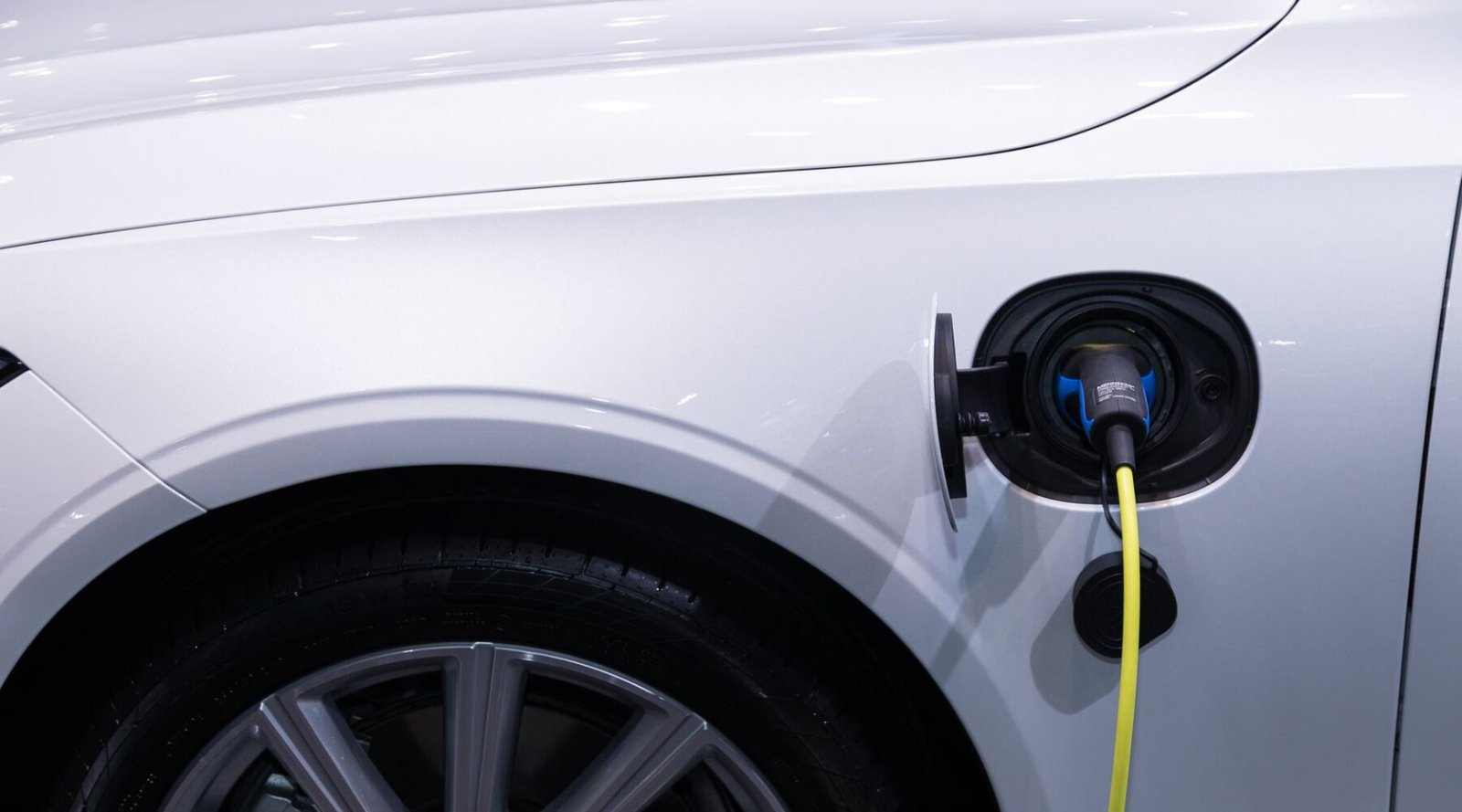
When considering the purchase of a new vehicle, the choice between hybrid and electric cars is increasingly relevant. Both options offer unique advantages that cater to different driving needs and environmental concerns.
Understanding hybrid cars
Hybrid vehicles combine an internal combustion engine with an electric motor. This dual system allows hybrids to use fuel more efficiently and reduce emissions compared to traditional gasoline vehicles. The electric motor assists the gasoline engine during acceleration, and the regenerative braking system helps recharge the battery while driving.
There are two primary types of hybrids: conventional hybrids and plug-in hybrids. Conventional hybrids rely on the gasoline engine for most of their power but can operate on electric power at low speeds or during light acceleration. Plug-in hybrids, on the other hand, have larger battery packs and can be charged via a standard electrical outlet, allowing for longer electric-only driving ranges.
Benefits of hybrid vehicles
One of the significant advantages of hybrid cars is their versatility. They can be fueled up at any gas station, alleviating the range anxiety that often accompanies electric vehicles. Additionally, hybrids typically have better fuel efficiency than their gasoline counterparts, which translates to lower operating costs over time.
Moreover, hybrids tend to be less expensive than fully electric vehicles. The upfront cost of a hybrid can be more manageable for budget-conscious buyers, particularly those not ready to invest in an electric car. Furthermore, many hybrid models qualify for government incentives, further reducing the overall cost.
Exploring electric cars
Electric vehicles (EVs) run exclusively on electricity stored in their batteries. They produce zero tailpipe emissions, making them an attractive option for environmentally conscious consumers. With advancements in battery technology, modern EVs offer impressive ranges, often exceeding 200 miles on a single charge.
Charging an electric vehicle can be accomplished at home or at public charging stations, which are becoming increasingly widespread. Level 2 home chargers can fully recharge a vehicle overnight, while DC fast chargers can provide significant range in a matter of minutes.
Benefits of electric vehicles
One of the most significant advantages of electric cars is their environmental impact. By eliminating tailpipe emissions, EVs contribute to cleaner air quality and reduced greenhouse gas emissions. Additionally, electric motors are known for their efficiency, converting more than 60% of the electrical energy from the grid to power at the wheels.
EVs also offer lower maintenance costs. Without an internal combustion engine, there are fewer moving parts that require regular maintenance. This results in savings on oil changes, exhaust systems, and other traditional engine-related costs.
Key differences between hybrid and electric cars
The primary distinction between hybrid and electric vehicles lies in their power sources and the driving experience they offer. Hybrids rely on both gasoline and electricity, providing a practical solution for those who frequently drive long distances or lack access to charging infrastructure. In contrast, electric vehicles are ideal for urban dwellers or those with shorter commutes who can charge their vehicles regularly.
Another important difference is the cost of ownership. While hybrids generally have a lower purchase price, electric vehicles may offer long-term savings on fuel and maintenance. Additionally, many EVs qualify for federal and state tax incentives, which can significantly offset the initial investment.
Choosing the right option for you
Your decision between a hybrid and an electric vehicle should be based on your lifestyle, driving habits, and environmental considerations. If you drive long distances, frequently travel in areas with limited charging stations, or prefer the convenience of gasoline refueling, a hybrid may suit you better.
Conversely, if you have a short daily commute, access to charging at home or work, and a strong desire to reduce your carbon footprint, an electric vehicle could be the right choice. Consider your budget, local incentives, and the availability of charging infrastructure before making your decision.
Ultimately, both hybrid and electric cars offer compelling benefits. The right choice hinges on your unique circumstances and preferences.
Understanding the role of charging infrastructure
When considering hybrid and electric vehicles (EVs), one of the most critical factors to evaluate is the availability and accessibility of charging infrastructure. This aspect not only impacts the day-to-day usability of an electric vehicle but also significantly influences the decision-making process for potential buyers. In areas with inadequate charging options, even the most appealing electric vehicle can become a less attractive choice.
The charging infrastructure landscape varies widely between urban, suburban, and rural settings. Urban areas generally offer more charging stations, often located in parking garages, public spaces, and shopping centers. For example, cities like San Francisco and New York have invested heavily in expanding their charging networks, making it convenient for EV owners to charge their vehicles while engaging in daily activities. In contrast, rural areas may face challenges, with fewer charging stations and longer distances between them. This can create range anxiety for potential EV buyers who rely on their vehicles for longer trips.
Another consideration is the type of charging available. Charging stations are categorized into Level 1, Level 2, and DC fast chargers. Level 1 chargers, which use a standard household outlet, are the slowest and may not be practical for those who need quick turnarounds. Level 2 chargers are more common in public charging networks and can recharge a vehicle in a few hours, making them a suitable option for everyday use. DC fast chargers, on the other hand, can deliver an 80% charge in approximately 30 minutes, which is ideal for long-distance travel. However, the availability of DC fast chargers is often limited to specific routes, primarily along highways.
For hybrid vehicles, the charging infrastructure is less critical since they can operate on gasoline as well as electricity. However, many hybrid owners still choose to take advantage of public charging to maximize fuel efficiency and reduce emissions. The need for charging infrastructure is less pressing; still, it can enhance the overall experience of owning a hybrid vehicle.
In addition to the physical presence of charging stations, the technology and payment systems associated with them are also vital. Many charging networks require users to sign up for memberships or download specific apps to access charging stations. This can create hurdles for casual users or those who may not be tech-savvy. The introduction of universal charging standards and simplified payment methods could encourage more widespread adoption of EVs by making the charging experience more user-friendly.
Furthermore, the expansion of charging infrastructure is often influenced by government policies and incentives. In many regions, local governments are partnering with private companies to expand charging networks. For instance, California has implemented initiatives to increase the number of charging stations, particularly in lower-income neighborhoods, to promote equitable access to electric vehicles. These efforts can affect the long-term viability and convenience of owning an electric vehicle in various regions.
“As cities continue to evolve and embrace sustainable transportation options, the expansion of charging infrastructure will play a pivotal role in shaping consumer perceptions and decisions regarding electric vehicles.”
Ultimately, potential buyers should assess the charging infrastructure available in their area before making a decision between hybrid and electric vehicles. Understanding the availability, technology, and accessibility of charging stations can significantly impact the ownership experience, making it a crucial factor in the decision-making process. By considering these elements, consumers can make informed choices that align with their lifestyle and driving habits.
Understanding charging infrastructure and range anxiety
The decision between a hybrid and an electric vehicle (EV) often hinges on the practical aspects of charging infrastructure and range anxiety. As electric vehicles gain popularity, the availability and accessibility of charging stations have become critical factors influencing consumer choice. While hybrids can operate on gasoline, reducing range anxiety, fully electric cars present a unique set of challenges and opportunities.
In urban environments, the growth of charging infrastructure has accelerated. Cities are increasingly investing in public charging stations, and private businesses are installing EV chargers to attract customers. For instance, Tesla has developed a vast network of Superchargers across the United States and Europe, enabling long-distance travel for their vehicles. However, while finding a charging station in urban areas may be straightforward, the situation can be starkly different in rural locales where charging options remain limited.
Range anxiety— the fear of running out of battery power before reaching a charging station— is often cited as a reason some consumers opt for hybrids over fully electric cars. Electric vehicles typically have a range of 150 to 370 miles on a single charge, depending on the model. For example, the Tesla Model 3 Long Range can travel up to 353 miles, while the Nissan Leaf offers a range of around 226 miles. However, these figures can vary significantly based on driving habits, terrain, and temperature, which can affect battery performance.
“Understanding your driving patterns is crucial when considering an EV. If your daily commute is within the vehicle’s range, an electric car could be a viable option.”
In addition to range concerns, charging time is another critical factor. While hybrids can be refueled in a matter of minutes at any gas station, electric vehicles require more time to recharge. Level 1 chargers, typically found in home outlets, can take up to 24 hours to fully charge an EV, while Level 2 chargers can charge a vehicle in 4 to 8 hours. Fast chargers can provide an 80% charge in approximately 30 minutes but are less common. This means that for long trips, planning around charging stations becomes essential.
Some manufacturers are beginning to address range anxiety and charging time with innovative solutions. For example, the Ford Mustang Mach-E offers a feature called FordPass, which helps drivers locate nearby charging stations and plan routes accordingly. Furthermore, advancements in battery technology, like solid-state batteries, promise to reduce charging times and increase range, making electric vehicles more appealing.
Another aspect to consider is the potential for home charging. Owning a home and having access to a garage or dedicated parking space can facilitate the use of an electric car by allowing owners to install a Level 2 charger. Conversely, urban dwellers or those without dedicated parking may face challenges with home charging, making a hybrid vehicle a more practical choice.
Ultimately, the choice between a hybrid and an electric vehicle will depend on individual circumstances, including driving habits, access to charging infrastructure, and personal preferences regarding environmental impact. As technology evolves and charging networks expand, the gap between these two vehicle types may continue to narrow, providing consumers with more options that suit their lifestyles.
Total cost of ownership: a deeper dive
When considering whether to purchase a hybrid or an electric vehicle, many buyers focus primarily on the upfront cost and fuel efficiency. However, a more comprehensive evaluation should include the total cost of ownership (TCO), which encompasses a variety of factors over the vehicle’s lifespan. Understanding TCO can provide a clearer picture of which option may be more financially viable in the long run.
First, let’s break down the components that contribute to TCO. These typically include:
- Purchase price: The initial price of the vehicle is the most obvious factor. Generally, electric vehicles tend to have a higher starting price compared to hybrids, largely due to the cost of the battery technology.
- Fuel costs: While hybrids utilize gasoline and electricity, electric vehicles are charged via the grid. Analyzing your local electricity rates compared to gasoline prices can yield significant savings for EVs, especially in areas with lower electricity costs or incentives for using renewable energy.
- Maintenance costs: Electric vehicles tend to have lower maintenance costs due to fewer moving parts and no need for oil changes. In contrast, hybrids still require conventional maintenance associated with internal combustion engines, which can increase TCO.
- Insurance costs: The cost of insuring electric vehicles can be higher due to their higher value and repair costs. However, this can vary significantly based on the model and the insurance provider.
- Tax incentives and rebates: Government incentives can play a considerable role in TCO. Many regions offer tax credits for electric vehicle purchases, which can mitigate the higher upfront costs. Hybrids may also qualify for certain incentives, but they are typically less generous than those for full EVs.
- Depreciation: Electric vehicles have historically depreciated faster than hybrids, mainly due to concerns over battery longevity and the rapid evolution of EV technology. However, this trend is changing as more consumers recognize the value of electric vehicles and their environmental benefits.
To illustrate these factors in action, consider two popular models: the Toyota Prius (a hybrid) and the Tesla Model 3 (an electric vehicle). The purchase price of a base Prius starts around $25,000, while the Model 3 begins at approximately $40,000. When factoring in fuel costs, a Prius might average around 50 miles per gallon, while the Model 3 can achieve an equivalent of 130 MPGe, making it cheaper to fuel, especially with rising gasoline prices.
Maintenance costs for the Prius will typically be higher over time, with regular oil changes and potential repairs for its combustion engine components. In contrast, the Tesla’s electric drivetrain requires minimal maintenance, which can lead to significant savings over the vehicle’s lifetime.
Insurance rates also play a critical role in the TCO equation. A Toyota Prius might attract lower insurance premiums compared to the Tesla Model 3, which could reflect its higher value and repair costs.
When factoring in government incentives, the electric vehicle’s TCO can be further reduced. Many states offer $7,500 federal tax credits for qualified EV purchases, significantly lowering the effective price of the Model 3.
In summary, while hybrids may appeal due to lower upfront costs and familiar fuel sources, evaluating total cost of ownership reveals that electric vehicles can offer significant long-term savings. A thorough analysis of TCO, including purchase price, fuel costs, maintenance, insurance, and available incentives, is essential for making an informed decision that aligns with both budget and lifestyle.
Related reading: The most affordable new electric cars available today, and The best electric SUVs on the market today. For an outside reference on this topic, see the Department of Energy's home charging guide.