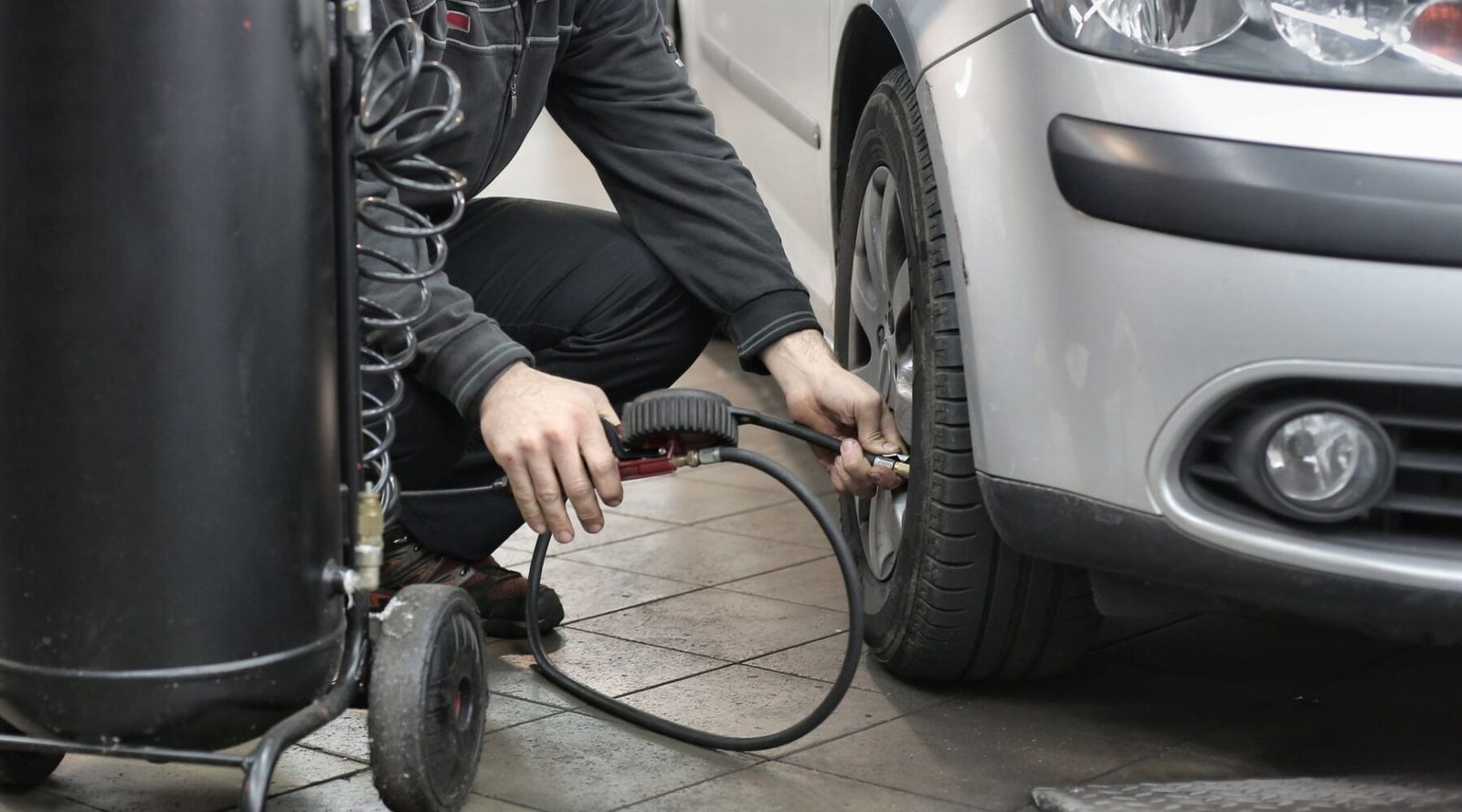
Maintaining proper tire pressure is crucial for the safety and performance of your vehicle. Tires that are either under-inflated or over-inflated can lead to a host of problems, including poor fuel efficiency, reduced traction, and increased tire wear. This guide will walk you through the steps to check and maintain your tire pressure effectively.
Understanding tire pressure basics
Tire pressure is measured in pounds per square inch (PSI) and is a critical factor in ensuring optimal vehicle performance. Each vehicle has a recommended tire pressure, which can be found in the owner’s manual or on a sticker located on the driver’s side door jamb. It’s important to note that tire pressure can fluctuate with temperature changes, so regular checks are necessary.
When and how to check tire pressure
The best time to check tire pressure is when the tires are cold, ideally before you drive your vehicle for the day. This is because driving generates heat, which can increase tire pressure and give a false reading. To check your tire pressure:
- Purchase a reliable tire pressure gauge, which can be digital or analog.
- Remove the valve cap from the tire you wish to check.
- Press the gauge firmly onto the valve stem to get a reading.
- Note the PSI reading and compare it to the recommended pressure for your vehicle.
- Replace the valve cap to prevent dirt and moisture from entering.
Repeat this process for each tire, including the spare if your vehicle has one.
Adjusting tire pressure
If your tire pressure is too low, you will need to inflate the tire. Conversely, if it is too high, you can release some air. To inflate a tire:
- Locate an air compressor at a gas station or invest in a portable tire inflator.
- Attach the air hose to the valve stem and inflate until you reach the recommended PSI.
- Check the pressure with your gauge to ensure it is accurate.
If you need to release air, press the small metal stem inside the valve with a tool or your gauge until the desired PSI is reached. Always check the pressure again after adjusting.
Maintaining tire pressure regularly
Regular maintenance of tire pressure is essential for vehicle safety. You should check your tire pressure at least once a month and before long trips. Additionally, changes in temperature can impact tire pressure. For every 10-degree drop in temperature, tire pressure can decrease by 1 PSI. Thus, it is especially important to check pressures during seasonal changes.
In addition to checking pressure, inspect your tires for visible signs of wear, such as cracks, bulges, or uneven tread wear. Consider rotating your tires every 5,000 to 7,500 miles to promote even wear and extend their lifespan.
Benefits of maintaining proper tire pressure
Maintaining the correct tire pressure offers several benefits. Firstly, it enhances fuel efficiency. Under-inflated tires can reduce fuel economy by causing the engine to work harder. Secondly, properly inflated tires improve handling and traction, which is vital for safe driving, especially in adverse weather conditions. Lastly, maintaining tire pressure can extend the life of your tires, saving you money on replacements.
Conclusion: Keeping your tires in check
Checking and maintaining tire pressure is a straightforward yet essential part of vehicle maintenance. By regularly monitoring tire pressure and making necessary adjustments, you ensure your safety on the road, improve fuel efficiency, and extend the life of your tires. Incorporate tire pressure checks into your regular vehicle maintenance schedule to keep your car running smoothly and safely.
Understanding the impact of temperature on tire pressure
Tire pressure is not a static measurement; it fluctuates with temperature changes. For every 10°F change in ambient temperature, tire pressure can change by approximately 1 psi (pound per square inch). This means that as seasons shift, or even with daily temperature variations, your tire pressure can fall out of the optimal range, affecting vehicle performance and safety.
During colder months, a drop in temperature can lead to under-inflated tires. This is particularly important in regions with significant temperature swings. For instance, if you live in an area where daytime temperatures soar to 80°F but nighttime temperatures plummet to 30°F, you may need to check your tire pressure more frequently. The National Highway Traffic Safety Administration (NHTSA) recommends checking your tire pressure at least once a month and before long trips, but if you frequently experience temperature fluctuations, consider bi-weekly checks.
Conversely, higher temperatures can increase tire pressure. Hot weather can cause the air inside the tire to expand, which can lead to over-inflation. Over-inflated tires can wear unevenly and are more prone to blowouts. Therefore, knowing how to adjust your tire pressure based on temperature changes is crucial for maintaining safety.
“Checking your tire pressure regularly, especially during seasonal changes, can prevent accidents and extend tire life.”
To accurately gauge the impact of temperature on tire pressure, it’s essential to understand the recommended pressure levels for your specific vehicle and tires. These specifications can usually be found on a sticker located inside the driver’s side door or in the owner’s manual. For example, if your vehicle recommends a tire pressure of 32 psi and the temperature drops to 30°F from a previous 80°F, you could see your tire pressure dip to around 29 psi, which is below the recommended level. In contrast, if the temperature rises significantly, it may push the pressure to 34 psi or higher, necessitating a reduction to keep within safe limits.
Additionally, consider investing in a digital tire pressure monitoring system (TPMS) that provides real-time readings of tire pressure and alerts you to any significant deviations. These systems can be particularly useful for those who may not regularly check tire pressure manually. By using such a system, you can proactively manage your tire health, ensuring you adjust for temperature changes without the guesswork.
In summary, being aware of how temperature impacts tire pressure is vital for safe driving. Regular checks, adjustments based on temperature fluctuations, and leveraging technology can significantly enhance your vehicle’s safety, performance, and tire longevity. Remember that maintaining proper tire pressure not only ensures your safety but also contributes to better fuel efficiency and a smoother ride.
The role of temperature in tire pressure management
Tire pressure is not a static measurement; it fluctuates with temperature changes, impacting vehicle safety and performance. Understanding how temperature affects tire pressure can help you maintain optimal conditions for your tires, enhancing safety and extending their lifespan.
As temperatures drop, tire pressure decreases. For every 10°F drop in temperature, tire pressure can decrease by approximately 1 PSI (pound per square inch). Conversely, as temperatures rise, so does tire pressure, which can increase by the same margin. This phenomenon occurs because air contracts when cold and expands when heated. As a practical example, if you live in an area that experiences significant seasonal temperature variations, it is crucial to check your tire pressure more frequently during these transitions. A tire that is properly inflated at 70°F may be under-inflated at 30°F, leading to compromised handling and increased tire wear.
Many drivers overlook the importance of checking tire pressure during seasonal changes. For instance, if winter temperatures drop significantly, a vehicle’s tires may be operating below the recommended pressure, which can increase the risk of tire blowouts or decreased traction on icy roads. Therefore, it’s advisable to check tire pressure at least once a month and adjust it according to the current temperature conditions.
Moreover, it’s essential to remember that tire pressure should be checked when the tires are cold—ideally, before the vehicle has been driven or at least three hours after driving. This practice ensures that you get an accurate reading, as driving heats up the tires, leading to a temporary increase in pressure. For example, if you check your tire pressure after a long drive, you may find it reading higher than the recommended level, which could mislead you into thinking your tires are adequately inflated.
To effectively manage tire pressure relative to temperature, consider investing in a reliable digital tire pressure gauge that offers precise readings. Some modern vehicles even have tire pressure monitoring systems (TPMS) that alert you when tire pressure drops below a certain threshold. While these systems are helpful, they should not replace regular manual checks, especially during temperature fluctuations.
In addition to monitoring tire pressure, understanding the characteristics of your tires is crucial. Different tires have varying tolerances for temperature changes. For instance, performance tires may require more frequent checks than all-season tires, particularly in extreme weather conditions. Always refer to the manufacturer’s specifications for the recommended pressure levels and adjust accordingly based on the temperature.
“Proper tire maintenance isn’t just about inflation; it’s about understanding how environmental factors like temperature affect your tires. Staying informed can prevent accidents and improve vehicle performance.”
Ultimately, being proactive about tire pressure management in relation to temperature changes is a key component of vehicle safety. By regularly checking your tire pressure and understanding the impacts of temperature, you can ensure that your tires are always ready to perform at their best, no matter the weather conditions. This vigilance not only enhances your driving experience but also contributes to safer roads for everyone.
Understanding tire pressure monitoring systems
Tire Pressure Monitoring Systems (TPMS) have become standard in most modern vehicles, providing an extra layer of safety and convenience by alerting drivers when tire pressures fall below recommended levels. However, many vehicle owners may not fully understand how these systems work or the nuances of interpreting their alerts.
There are two primary types of TPMS: direct and indirect. Direct systems use sensors mounted on each tire to measure the actual air pressure. This data is sent to the vehicle’s onboard computer, which then triggers a warning light on the dashboard if the pressure drops significantly. Indirect systems, on the other hand, do not measure tire pressure directly. Instead, they rely on the vehicle’s ABS (anti-lock braking system) to detect differences in wheel speed, which can indicate a loss of pressure. While both systems serve the same purpose, direct TPMS generally provides more accurate and immediate information.
“Understanding how your TPMS works can empower you to respond effectively to alerts, ensuring your tires are always in optimal condition.”
One critical aspect of TPMS that is often overlooked is the importance of regular maintenance and calibration. For instance, if you change your tires or rotate them, the TPMS sensors may need to be reset to ensure accurate readings. Additionally, the sensors themselves, often located within the tire, can fail due to battery depletion or damage, typically around five to seven years after installation. It’s advisable to have these sensors checked during routine tire maintenance to prevent false alerts or, worse, undetected low tire pressure.
Another point to consider is the environmental factors that can affect tire pressure readings. Temperature fluctuations can lead to pressure changes; for every 10-degree Fahrenheit drop in temperature, tire pressure can decrease by about 1 PSI. Consequently, drivers should be especially vigilant in colder months, making it a good practice to check tire pressure more frequently as temperatures drop.
Moreover, not all tire pressure gauges are created equal. Digital gauges tend to be more accurate than traditional stick gauges, and some even offer features that account for temperature variations and provide readings in various units. Investing in a quality tire pressure gauge can make a significant difference in maintaining proper tire pressure.
“A reliable tire pressure gauge is an essential tool for any driver, ensuring accuracy and peace of mind when it comes to tire maintenance.”
Lastly, while the TPMS alerts are beneficial, they should not be a substitute for manual checks. Relying solely on the system can lead to complacency, as the system may not alert you until the pressure is significantly low. A proactive approach involves routinely checking tire pressure at least once a month and before long trips, as well as conducting a visual inspection of the tires for any signs of wear or damage.
In conclusion, understanding the intricacies of your vehicle’s TPMS, maintaining sensor functionality, being aware of environmental impacts, using a quality pressure gauge, and complementing digital alerts with manual checks can significantly enhance your tire safety and longevity. By integrating these practices, you not only ensure a safer driving experience but also promote better fuel efficiency and extended tire life.
Related reading: How to check your car’s engine oil, and Understanding real-world engine oil change intervals and service needs. For an outside reference on this topic, see NHTSA's vehicle resources.



1 Response