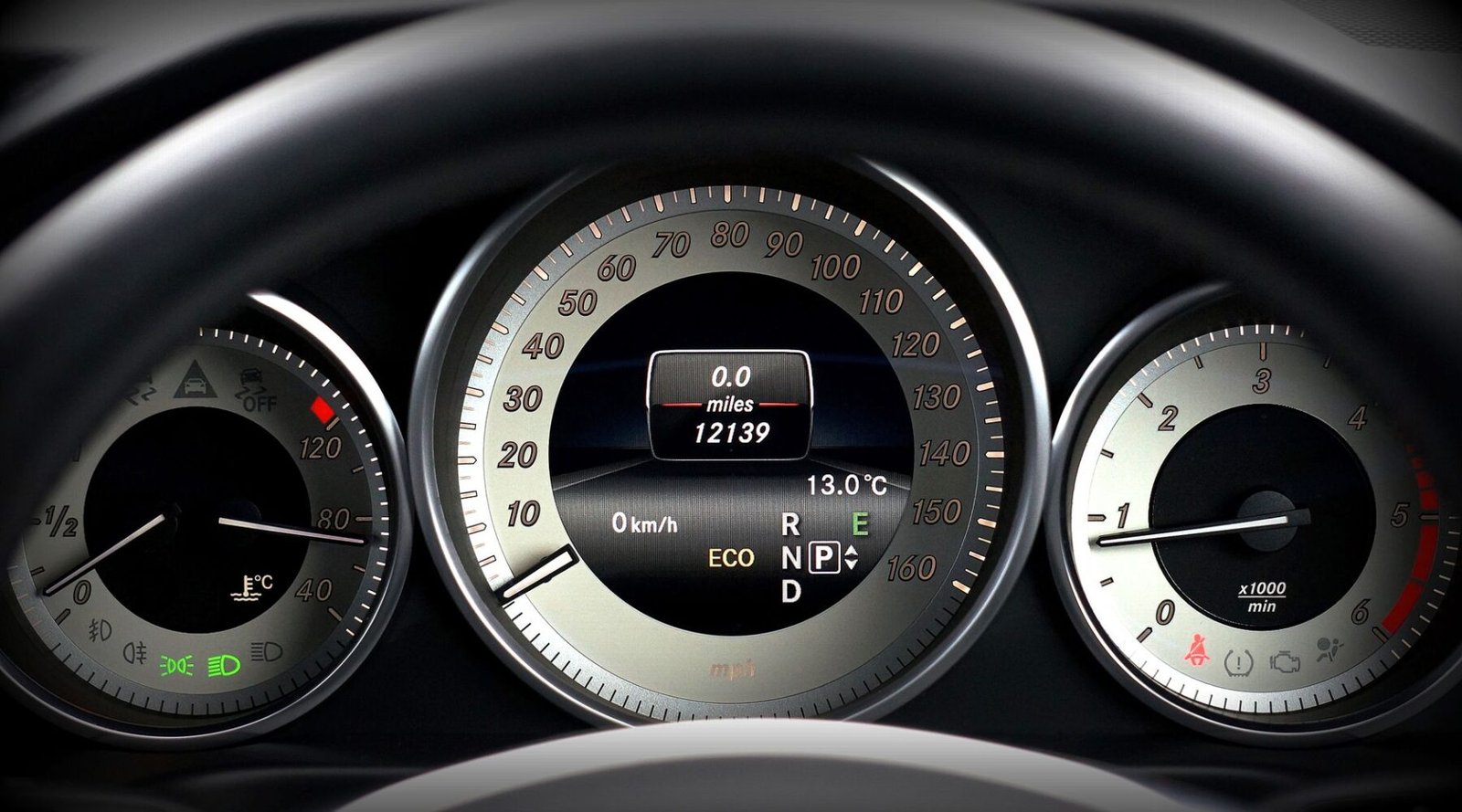
When considering a used car purchase, one of the most critical factors is mileage. The question of what mileage is too high when buying a used car often arises among potential buyers. Mileage is a significant indicator of a vehicle’s wear and tear, and it can substantially affect both the price and longevity of the car.
Understanding vehicle mileage
Mileage refers to the total distance a vehicle has traveled, measured in miles or kilometers. It is recorded on the odometer and is often one of the first figures prospective buyers examine. Generally, a lower mileage indicates less wear on the engine, transmission, and other vital components, contributing to a higher resale value. However, the relationship between mileage and vehicle reliability is not as straightforward as it may seem.
Average mileage expectations
To understand what constitutes high mileage, it is essential to know average annual mileage. The average driver in the U.S. puts about 12,000 to 15,000 miles on their vehicle each year. Therefore, a five-year-old car would typically have between 60,000 and 75,000 miles on the odometer. Cars with mileage lower than this range may be considered low-mileage vehicles, while those exceeding it might be viewed as high mileage.
High mileage: the threshold
While there is no universal threshold for high mileage, vehicles with over 100,000 miles often raise red flags for buyers. At this point, many cars may begin to require more extensive maintenance and repairs. However, it is crucial to consider the make and model of the vehicle. Some brands are known for their durability and longevity, allowing them to perform well even with higher mileage. For example, many Honda and Toyota models are well-regarded for their reliability and can last well beyond 200,000 miles when properly maintained.
Factors influencing mileage impact
Several factors can influence the impact of mileage on a used car’s reliability and value:
- Maintenance history: A well-maintained vehicle can often outlast a poorly maintained one, regardless of mileage. Always ask for service records to evaluate how well the car has been cared for.
- Driving conditions: Highway miles are generally less taxing on a vehicle than city miles. Cars that have predominantly been driven on the highway may show less wear, even if they have higher mileage.
- Vehicle type: Certain vehicles, such as trucks and SUVs, are built to withstand more rigorous use. Conversely, luxury cars may not perform as well over time, even at lower mileages.
Evaluating a used car with high mileage
If you are considering a used car with high mileage, it’s essential to conduct thorough research. Start by examining the vehicle’s maintenance records, checking for regular oil changes, fluid replacements, and other essential services. Consider having a trusted mechanic perform a pre-purchase inspection to identify potential issues that could arise from high mileage.
Additionally, review the vehicle’s history report for any accidents, title issues, or previous repairs. These factors can significantly affect the car’s reliability and resale value. Understanding how the car has been treated throughout its life can give you a clearer picture of what to expect.
Conclusion: making an informed decision
Ultimately, what mileage is too high when buying a used car can vary based on several factors, including the vehicle’s make, model, maintenance history, and usage patterns. While a car with over 100,000 miles may deter some buyers, others may find it a worthwhile investment if it comes with a solid maintenance record and has been treated well. The key is to balance mileage with other considerations to make an informed purchasing decision.
Understanding the implications of high mileage
When considering a used car, mileage is often front and center in the buyer’s mind. However, it is essential to understand not just the number itself but the implications of high mileage on a vehicle’s overall health and performance. A car with higher mileage can be a great deal if it has been well-maintained, but without proper knowledge, buyers can easily overlook crucial factors that indicate how the car has been treated over the years.
One critical aspect to consider is the maintenance history of the vehicle. A car with high mileage that has been regularly serviced and maintained according to the manufacturer’s specifications may still have plenty of life left. For instance, many manufacturers recommend replacing timing belts and water pumps at specific mileage intervals, typically between 60,000 to 100,000 miles. If these components have been replaced, it could indicate that the previous owner was diligent about upkeep, which is a positive sign.
On the other hand, a vehicle that has been subjected to minimal maintenance may experience premature wear and tear, regardless of its mileage. A thorough inspection of service records can provide insight into how well the car has been cared for. Look for records of oil changes, brake replacements, tire rotations, and other routine maintenance tasks. A well-documented history can help mitigate the risks associated with high mileage.
“The value of a high-mileage vehicle often lies in its maintenance history rather than just the odometer reading.”
Another important factor to consider is the type of driving the vehicle has experienced. Cars primarily used for highway driving tend to fare better than those that have been used mainly for city driving. Highway driving usually results in less wear on the engine and transmission due to consistent speeds and less stop-and-go traffic. In contrast, frequent short trips can lead to more wear on the engine, brakes, and other components. If a seller can provide information about the car’s driving history, this can be a valuable piece of the puzzle.
Additionally, the type of vehicle plays a significant role in how mileage impacts its longevity. For example, a well-built SUV or truck can often endure high mileage better than a compact car, which may not be designed for the same level of wear. Researching the specific make and model can yield insights into common issues faced by high-mileage vehicles. For instance, certain models from brands known for reliability, like Toyota or Honda, may be more resilient even at higher mileage levels compared to other manufacturers.
Lastly, conducting a pre-purchase inspection with a trusted mechanic is vital when considering a used car with high mileage. A mechanic can identify potential problems that may not be apparent during a test drive or visual inspection. They can also provide estimates on future maintenance needs, helping you gauge whether the car is truly a worthwhile investment. This step can save you from unexpected repair costs down the line and provide peace of mind in your purchasing decision.
In summary, while high mileage can be a red flag, it is not an automatic disqualifier. By carefully assessing the vehicle’s maintenance history, understanding its driving conditions, considering the type of vehicle, and seeking professional advice, buyers can make informed decisions that align with their needs and budgets. High-mileage cars can offer significant value if approached with due diligence and an informed perspective.
Understanding the impact of maintenance records
When considering the mileage of a used car, it’s essential to look beyond the numbers and understand the vehicle’s maintenance history. A car with high mileage that has been well-maintained can be a better purchase than a low-mileage car with a spotty service record. Maintenance records serve as a crucial indicator of a vehicle’s condition and longevity.
Cars require regular maintenance to operate optimally. This includes oil changes, brake replacements, tire rotations, and fluid checks. A vehicle that has consistently received care will likely perform better, regardless of its mileage. For example, a sedan with 100,000 miles that has undergone regular oil changes every 5,000 miles, along with timely brake and tire services, is in a better position than a similar model with 60,000 miles that has never had its oil changed or has ignored critical service intervals.
It’s important to ask for documentation that outlines the maintenance history. Look for records showing that the car has had its major services performed, including timing belt replacements, transmission fluid changes, and any recalls addressed. In the case of a vehicle with high mileage, this documentation can be the difference between a wise investment and a costly mistake.
For instance, a Toyota Camry known for its reliability may easily reach 200,000 miles if properly maintained, while a less reliable brand might struggle to reach 100,000 miles even with low usage.
Additionally, understanding the nature of the mileage can provide further insight. Highway miles tend to be easier on a vehicle than city miles, due to less frequent stopping and starting, which can cause more wear and tear on the engine and brakes. A car that has mostly been driven on highways may be in better condition than one that has seen extensive urban driving, regardless of the odometer reading.
To evaluate the maintenance records effectively, consider the following:
- Frequency of service: Ensure that the car has been serviced at regular intervals.
- Type of service: Check if major components were replaced or serviced, which indicates proactive care.
- Ownership history: If possible, find out how many owners the car has had. A single owner typically means more consistent care.
Finally, combining mileage with maintenance records should also include an assessment of the vehicle’s overall condition. A thorough inspection by a trusted mechanic can reveal issues that documents may not disclose. Mechanics can identify signs of neglect, such as rust, unusual wear patterns, or issues with the suspension system.
In conclusion, while mileage is a significant factor when buying a used car, it should never be the sole consideration. A high-mileage car with a robust maintenance history can be a worthwhile investment, while a vehicle with low mileage and poor upkeep may lead to unexpected repairs and expenses. Buyers should prioritize a comprehensive evaluation of both mileage and maintenance to make an informed decision.
Understanding the impact of driving conditions on vehicle longevity
When assessing used cars, the mileage is just one piece of the puzzle. The driving conditions a vehicle has been subjected to can significantly influence its overall condition and longevity. High-mileage vehicles that have been driven primarily on highways may offer a different reliability profile compared to those used predominantly in stop-and-go urban traffic.
Highway driving typically results in less wear and tear on the engine and transmission because vehicles are often running at optimal temperatures and RPMs. The lack of frequent stopping and starting helps reduce strain on critical components like brakes and the drivetrain. For example, a car with 100,000 miles driven mostly on highways might be in better mechanical condition than a similar model with 60,000 miles that has been used largely for city driving.
Conversely, vehicles that have spent most of their time in urban environments often face more rigorous operating conditions. Frequent acceleration, deceleration, and idling contribute to greater wear on the engine and transmission. Additionally, urban vehicles are more susceptible to issues such as overheating and brake wear, which can lead to costly repairs. Therefore, understanding the vehicle’s driving history can provide valuable insights into its current state and future reliability.
When evaluating a used car, it’s essential to ask for a detailed maintenance history. This should include records of oil changes, brake replacements, and any major repairs. For instance, a car with high mileage that has received regular maintenance and has detailed service records may be a better buy than a lower-mileage vehicle that has been neglected. A well-maintained vehicle, regardless of mileage, can often provide many more years of reliable service.
Additionally, look for vehicles equipped with advanced technology that can enhance longevity. Features such as adaptive cruise control and automatic braking can reduce wear on key components by promoting smoother driving habits. Vehicles with such technology, even at higher mileage, may be more desirable due to their potential for reduced mechanical stress.
“A well-maintained vehicle, regardless of mileage, can often provide many more years of reliable service.”
Another critical aspect to consider is the vehicle’s history of accidents or damage. Vehicles that have been involved in significant accidents may have hidden issues that aren’t immediately apparent. This can lead to unexpected maintenance costs down the road. Tools like Carfax or AutoCheck can help you verify the vehicle’s history and uncover any potential red flags.
In conclusion, while mileage is an important factor when purchasing a used car, it’s vital to consider the driving conditions, maintenance history, and any past damage. A comprehensive evaluation that goes beyond mileage can lead to a more informed purchasing decision, ensuring that you invest in a vehicle that will serve you well for years to come.
Related reading: How to buy a used car without getting ripped off, and The best SUVs for severe snow and winter driving. For an outside reference on this topic, see Consumer Reports' car-buying advice.



1 Response