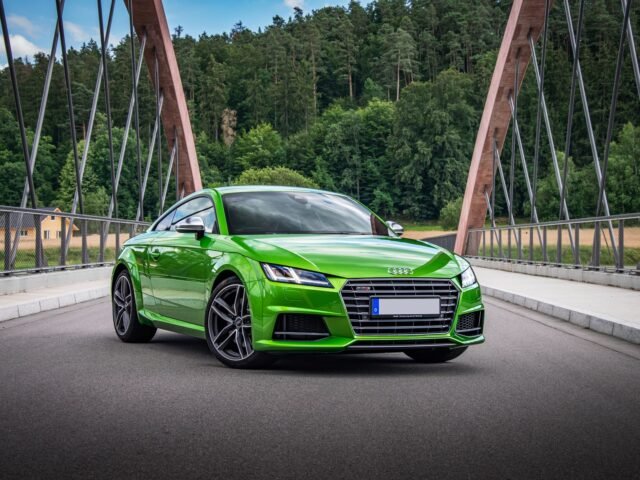
Choosing the best used cars for first-time buyers is a pivotal step in the journey toward automotive independence. Many factors come into play, including budget, reliability, safety, and the overall driving experience. For new drivers, selecting a used car can be a daunting task, but with the right information and guidance, you can make a wise investment that suits your needs.
Why consider a used car?
Purchasing a used car offers several advantages, especially for first-time buyers. The most significant benefit is cost savings. Used cars typically have lower price tags compared to new models, which translates to lower monthly payments and reduced insurance costs. Additionally, new cars depreciate rapidly, losing a significant portion of their value within the first few years. By opting for a used vehicle, buyers can avoid this steep depreciation and potentially find a car that has already undergone its most significant value drop.
Moreover, the used car market is vast, providing numerous options across various brands and models. This allows buyers to find a car that meets their specific needs and preferences without compromising on quality.
Top used cars for first-time buyers
When considering the best used cars for first-time buyers, several models stand out due to their reliability, affordability, and safety features. Below are some excellent choices that fit these criteria.
Toyota Corolla
The Toyota Corolla has long been a favorite among first-time car buyers. Known for its exceptional reliability and fuel efficiency, the Corolla is an ideal choice for those needing a dependable daily driver. The 2017 model, for instance, comes with a spacious interior, a comfortable ride, and advanced safety features such as Toyota’s Safety Sense package, which includes adaptive cruise control and lane departure warning. Prices for used Corollas often range from $15,000 to $20,000, depending on mileage and condition.
Honda Civic
The Honda Civic is another top contender in the used car market. Renowned for its sporty design and engaging driving experience, the Civic also boasts excellent fuel economy and reliability. The 2016 model offers a stylish interior with plenty of tech features, making it a great choice for younger drivers. With a price range of about $16,000 to $22,000 for used models, the Civic represents a solid investment for first-time buyers.
Ford Fiesta
If you’re looking for an affordable subcompact car, the Ford Fiesta is worth considering. Its compact size makes it ideal for urban driving, while its nimble handling provides an enjoyable driving experience. The 2018 model features a user-friendly infotainment system and decent cargo space for its class. Used Ford Fiestas typically range from $10,000 to $15,000, making it an economical choice for budget-conscious buyers.
Factors to consider when buying a used car
When selecting the best used cars for first-time buyers, several key factors should be considered. These include the car’s mileage, condition, maintenance history, and whether it has been involved in any accidents. A pre-purchase inspection by a trusted mechanic can provide valuable insights into the car’s condition and help avoid future headaches.
Additionally, it’s crucial to research the vehicle’s history using services like Carfax or AutoCheck. These reports can reveal important information, such as previous ownership, service records, and any reported accidents. Ensuring that the car has a clean title and no outstanding recalls is also essential for peace of mind.
Financing options for first-time buyers
Financing is a critical aspect of purchasing a used car, especially for first-time buyers. Many buyers may not have a significant credit history, which can affect financing options. It’s advisable to shop around for loans and get pre-approved to understand your budget better. Many credit unions and banks offer favorable terms for first-time buyers.
Another option is to consider dealership financing, which may provide promotional interest rates or incentives for used cars. However, it’s essential to read the fine print and understand the terms before signing any agreements.
Final thoughts on the best used cars for first-time buyers
Buying a used car can be a rewarding experience, especially for first-time buyers who are careful and informed about their choices. The Toyota Corolla, Honda Civic, and Ford Fiesta are just a few of the many excellent options available. Each model offers a unique blend of reliability, safety, and affordability, making them suitable for new drivers navigating the roads for the first time.
Ultimately, the best used car for you will depend on your specific needs, lifestyle, and budget. By conducting thorough research, considering your options, and possibly consulting with a trusted mechanic, you’ll be well on your way to finding the perfect used car to start your driving journey.
Evaluating total cost of ownership
When considering a used car, it’s essential to evaluate the total cost of ownership (TCO) beyond the initial purchase price. TCO encompasses various factors, including insurance, fuel, maintenance, and depreciation. Understanding these costs can help first-time buyers make a more informed decision that aligns with their budget and financial goals.
Insurance rates can vary significantly between different models. For instance, a used Honda Civic generally has lower insurance premiums compared to a sporty model like the Ford Mustang. It’s advisable to get insurance quotes for a few models you are considering to understand how premiums will impact your monthly expenses.
Fuel efficiency is another critical aspect of TCO. Cars like the Toyota Corolla and Hyundai Elantra are known for their excellent gas mileage, which can lead to substantial savings over time, especially for those who plan to drive frequently. In contrast, larger vehicles like SUVs may have higher fuel costs, which can affect your overall budget.
“Understanding the total cost of ownership can save you money in the long run.”
Maintenance and repair costs are also vital considerations. Some brands are known for their reliability, which can lead to lower long-term maintenance expenses. For example, brands like Subaru and Toyota are often praised for their durability, meaning they may require fewer repairs over their lifespan compared to other brands. Researching common issues and maintenance schedules for the models you are interested in can provide insight into potential future costs.
Depreciation is another crucial factor. Some cars hold their value better than others. For instance, luxury brands often depreciate faster than economy cars, which might make them more affordable initially but can result in greater losses when it comes time to resell. On the flip side, vehicles like the Honda CR-V and Toyota RAV4 tend to maintain their value well, making them excellent choices for long-term ownership.
To illustrate, let’s consider a practical scenario: if you purchase a used Honda Civic for $15,000, you might pay around $1,200 annually for insurance, $1,000 for fuel, and $500 for maintenance. In total, you’re looking at approximately $17,700 in the first year alone. If you choose a used Jeep Grand Cherokee, while the initial price might be similar, you could face higher insurance costs of around $1,500, fuel costs of $1,500, and maintenance costs of $800, raising your first-year total to $20,800. The difference in TCO can thus influence your decision significantly.
Additionally, consider financing options and their implications on TCO. Depending on your credit score, interest rates can vary, affecting the total amount you pay over the life of the loan. It’s wise to shop around for financing, as some credit unions or banks offer better rates than others. A lower interest rate can drastically change your monthly payment and the total cost of the vehicle.
In summary, while the upfront cost of a used car is important, the total cost of ownership provides a more comprehensive view of what you will actually spend. By carefully evaluating insurance, fuel, maintenance, depreciation, and financing, first-time buyers can make smarter, more financially sound decisions when selecting their first vehicle.
Understanding financing options for your first used car purchase
For first-time buyers, navigating the world of used car financing can be daunting. Understanding your financing options is crucial to making an informed decision that fits your budget and needs. Here’s a detailed look at the various avenues available for financing your first used car.
1. **Dealership Financing**: Many dealerships offer financing options that can be convenient for first-time buyers. They often have relationships with multiple lenders, which allows them to present various financing packages. However, be cautious with dealership financing; it can sometimes come with higher interest rates compared to traditional banks or credit unions. Always compare the terms offered by the dealership with those from other lenders.
2. **Credit Unions**: If you’re a member of a credit union, take advantage of their competitive loan rates. Credit unions typically offer lower interest rates and more flexible terms than traditional banks. They also tend to be more willing to work with borrowers who have limited credit history. For example, if you have a credit score in the 600s, a credit union may still offer you a reasonable rate, whereas a bank might decline your application altogether.
3. **Personal Loans**: If you don’t want to go through a dealership, consider obtaining a personal loan from a bank or online lender. Personal loans can often be unsecured, meaning you won’t need to offer collateral. This option allows you to have cash in hand and negotiate the purchase price as a cash buyer, which can sometimes result in a better deal on the car.
4. **Peer-to-Peer Lending**: Platforms like LendingClub or Prosper allow individuals to lend money to other individuals. Interest rates can be competitive, and the approval process is often quicker than traditional lending. However, be sure to read the fine print and understand any fees associated with the loan.
5. **In-House Financing**: Some dealerships offer in-house financing, which means they act as the lender. This can be a good option if you have poor credit or are a first-time buyer. However, these loans often come with higher interest rates and less favorable terms. Always calculate the total cost of borrowing to avoid overpaying.
6. **Government Programs**: In some regions, there are government programs aimed at assisting first-time buyers. These programs may offer lower interest rates, down payment assistance, or grants. Research any available programs in your area that could help reduce the financial burden of purchasing a car.
7. **Financing Terms**: Pay attention to the loan terms, including the length of the loan (usually between 36 to 72 months) and the Annual Percentage Rate (APR). A shorter loan term typically means higher monthly payments but less interest paid over the life of the loan. Conversely, longer terms may lower monthly payments but result in more interest, potentially making the car significantly more expensive over time.
8. **Pre-Approval**: Before you start shopping for a used car, consider obtaining pre-approval for a loan. This gives you a clearer idea of your budget and strengthens your position as a buyer. With pre-approval, you can negotiate more effectively because you already have financing secured.
Overall, understanding these financing options will empower first-time buyers to make informed decisions, ensuring they not only find the right car but do so in a financially responsible manner.
Financing options for used cars
As a first-time buyer, understanding your financing options can significantly impact your experience and the overall affordability of your vehicle. Unlike new cars, used cars offer a range of financing avenues that can be leveraged for better deals, but knowing how to navigate these options is crucial.
One of the first steps in financing a used car is to assess your credit score. A good credit score can open doors to lower interest rates, while a poor score might limit your options. Many banks and credit unions offer free credit score checks, which can give you a better understanding of where you stand. If your score is on the lower side, consider taking steps to improve it before applying for a loan, such as paying off small debts or correcting any inaccuracies on your credit report.
Next, it’s important to compare different financing sources. Traditional banks and credit unions often provide competitive rates, especially for borrowers with good credit. However, don’t overlook online lenders, which can sometimes offer better terms and a more streamlined application process. Websites like Credit Karma and NerdWallet can help you compare rates across various lenders, ensuring you find the best option available.
If you have a relationship with a local credit union, take advantage of it. Credit unions typically offer lower interest rates than traditional banks, and they may be more willing to work with you if you have a less-than-perfect credit history. Additionally, many credit unions have specific programs tailored for first-time car buyers, which can further reduce your costs.
Another financing option that has gained popularity is dealership financing. While it can be convenient, it’s essential to approach this option with caution. Dealerships often offer financing through their own lenders, and while they may provide promotional rates, these can sometimes come with hidden fees or unfavorable terms. Always read the fine print and compare the dealership’s offer with those from external lenders. If you decide to go through a dealership, consider securing pre-approval from an external lender first. This not only gives you a benchmark for negotiation but also allows you to avoid being upsold on financing packages that may not be in your best interest.
Additionally, explore the possibility of a co-signer if your credit is not strong enough for favorable loan terms. A co-signer with good credit can help you secure a better interest rate and increase your chances of approval. Just remember that this places financial responsibility on the co-signer, so it’s crucial to approach this option thoughtfully.
Lastly, always calculate your total cost of ownership, which includes not just the loan payments, but also insurance, maintenance, and fuel costs. Tools like Edmunds and Kelley Blue Book can help you estimate these additional costs based on the specific model you’re considering. As a first-time buyer, understanding the full financial picture is essential for making a sound investment.
In summary, educating yourself about financing options can empower you as a first-time car buyer, ensuring you secure a vehicle that fits not just your needs, but your budget as well.
Related reading: The hidden physics of tire pressure and vehicle dynamics, and The definitive luxury SUVs defining the modern flagship standard. For an outside reference on this topic, see Consumer Reports' car-buying advice.