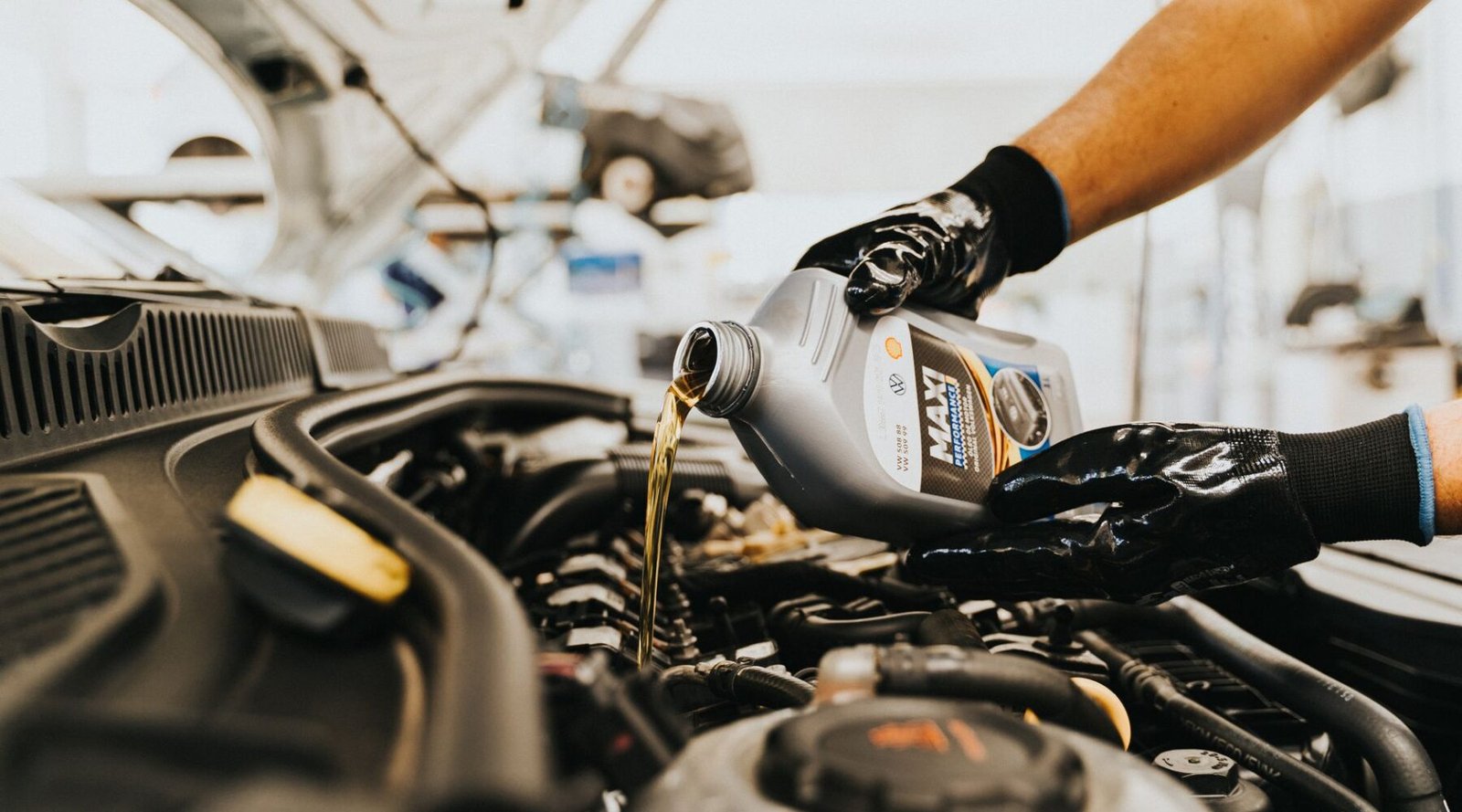
Engine oil serves as the primary defense against thermal degradation and mechanical friction. Over time, heat cycles, combustion byproducts, and suspended particulates break down the base oil stock and deplete critical additive packages. Operating an engine beyond the service life of its lubricant increases wear on bearings, camshafts, and piston rings, ultimately leading to sludge accumulation and potential mechanical failure. Understanding the distinct physical and electronic signals of oil degradation allows drivers to maintain proper protection before harm occurs.
Monitoring fluid color, texture, and volume
The most reliable manual method for assessing oil condition remains the dipstick inspection. Fresh motor oil ranges in color from amber to golden brown and flows easily. As oil circulates through an operational engine, it absorbs soot, carbon deposits, and micro-particles. A dark brown or black color alone does not automatically mean the oil has lost its lubricating properties, as detergent additives actively hold contaminants in suspension. However, changes in texture provide definitive proof of wear.
Withdraw the dipstick, wipe it clean on a white shop towel, reinsert it fully, and pull it out again. Check the fluid level relative to the fill indicators. If the oil feels gritty between your fingertips or appears opaque and thick like tar, the additive package has sheared and lost its ability to protect moving components. Conversely, if the oil appears milky or frothy, coolant is likely leaking into the crankcase through a compromised head gasket or heat exchanger, requiring immediate professional attention.
Interpreting electronic warnings and maintenance monitors
Modern vehicles feature sophisticated oil life monitoring systems. Basic systems use direct mileage and time counters, while advanced algorithms track engine revolutions, operating temperatures, idle duration, and trip length to calculate true oil degradation. When the service reminder illuminates on the instrument cluster, the calculated life of the fluid has reached its threshold.
Do not confuse a routine maintenance reminder with the oil pressure warning light. The maintenance monitor indicates scheduled fluid replacement. The oil pressure light, typically shaped like an oil can, signals a critical drop in system pressure. If this light turns on while driving, pull over safely and shut off the engine immediately. Operating an engine with insufficient oil pressure causes severe, irreversible damage within seconds.
Physical signs of oil breakdown while driving
Depleted oil loses its hydraulic film strength, leading to noticeable changes in vehicle acoustics and performance. As fluid thins or degrades into sludge, internal components make greater metallic contact. Increased valvetrain ticking, persistent engine knocking, or an unusually loud idle often point to degraded oil that can no longer cushion high-load surfaces.
Exhaust emissions also reveal internal fluid issues. Blue or grey smoke issuing from the tailpipe indicates that oil is passing by worn valve seals or piston rings and burning in the combustion chamber. Furthermore, an intense burnt oil smell inside the cabin suggests fluid is leaking onto hot exhaust manifolds or that internal oil temperatures are dangerously elevated due to severe friction.
Adhering to manufacturer guidelines remains the baseline for engine longevity. Severe driving conditions, such as frequent short trips, heavy towing, extreme ambient temperatures, and prolonged idling, shorten fluid life significantly. Checking the dipstick bi-weekly and acting on early acoustic and visual cues guarantees your engine operates with maximum efficiency.
Understanding oil degradation and its effects on engine performance
Oil is the lifeblood of your engine, and its degradation can significantly impact performance. Over time, engine oil undergoes chemical changes due to heat, oxidation, and contamination. Recognizing the indicators of oil degradation is crucial for maintaining engine health.
One of the most critical aspects of oil degradation is the formation of sludge. Sludge is a thick, tar-like substance that forms when engine oil breaks down and combines with dirt, metal particles, and other contaminants. This can lead to clogging of oil passages and reduced lubrication, resulting in increased wear on engine components. If you notice a dark, gritty substance on the oil dipstick or in the oil filler cap, it may be a sign that your oil is breaking down and needs to be changed.
Another indicator of oil degradation is the increase in viscosity. As oil ages, it can become thicker, which affects its ability to flow freely and provide adequate lubrication. If you observe that the oil appears excessively thick or syrupy, especially when the engine is cold, this could indicate that the oil is no longer performing effectively. Regularly checking the oil viscosity can help prevent engine damage.
Moreover, the presence of metallic particles in the oil can signal internal wear. When engine components begin to wear down, small metal shavings can mix with the oil. If you notice a metallic sheen on the dipstick or in the oil, it is essential to investigate further. This could indicate that the engine is experiencing excessive wear, possibly due to poor lubrication from degraded oil.
Temperature fluctuations can also affect oil performance. If your engine experiences overheating, the oil can degrade more quickly. Frequent overheating might lead to a breakdown of the oil’s protective properties, resulting in reduced efficiency and increased engine wear. Keeping an eye on your engine’s temperature gauge and addressing overheating issues promptly is vital.
It is important to note that different engines require different oil change intervals. Factors such as driving conditions, engine type, and oil quality all play a role in determining how often you should change your oil. For example, engines that operate under severe conditions—such as heavy towing or frequent short trips—may require more frequent oil changes than those driven under ideal conditions. Always refer to your vehicle’s owner manual for manufacturer recommendations regarding oil change intervals.
Lastly, consider the type of oil you use. Synthetic oils generally offer better resistance to degradation compared to conventional oils. They tend to perform better under extreme temperatures and provide superior protection against sludge formation. If you are using conventional oil and notice signs of degradation quickly, switching to a high-quality synthetic oil may extend your oil change intervals and improve overall engine performance.
Regularly monitoring your engine oil’s condition and understanding the signs of degradation can save you from costly repairs and extend the lifespan of your engine.
Understanding oil degradation and its impact on engine performance
Engine oil plays a critical role in maintaining engine performance and longevity. However, over time, engine oil can degrade due to various factors, which can significantly impact its effectiveness. Understanding the signs of oil degradation can help you make informed decisions about when to change your oil.
One of the primary indicators of oil degradation is the increase in viscosity. As engine oil breaks down, it can become thicker and less effective at lubricating engine components. A viscosity test can be performed using a simple tool called a viscometer, which measures the flow characteristics of the oil at specific temperatures. If the oil’s viscosity is above the manufacturer’s specifications, it is a clear sign that the oil is no longer performing optimally and should be changed.
Another key indicator of oil degradation is the presence of contaminants. Over time, engine oil can accumulate dirt, metal particles, and other debris from the engine’s operation. These contaminants can lead to increased wear and tear on engine components. A simple oil analysis can reveal the presence of these harmful particles. Many automotive shops offer oil analysis services that can provide detailed reports on the condition of your oil, including the types of contaminants present and their concentrations.
For example, if an oil analysis reveals a high concentration of iron particles, it may indicate excessive wear from engine components such as the camshaft or piston rings, signaling that an oil change is overdue.
Additionally, the oil’s color and odor can provide critical insights into its condition. Fresh oil typically has a golden or amber hue, while used oil may appear darker due to the accumulation of soot and carbon deposits. If the oil appears black and murky, it’s a strong indication that it has reached the end of its useful life. Furthermore, if the oil emits a burnt smell, it suggests that it has been subjected to excessive heat and is no longer providing adequate protection to the engine. In such cases, an immediate oil change is advisable.
Temperature also plays a vital role in oil performance. Vehicles that operate in extreme conditions—whether hot or cold—can experience accelerated oil breakdown. High temperatures can lead to thermal degradation, while cold temperatures can cause the oil to thicken, making it less effective at lubricating the engine. For drivers in extreme climates, it’s important to monitor oil condition more frequently and consider using synthetic oils designed for high-performance in such environments.
For instance, in regions with particularly cold winters, using a low-viscosity oil can help ensure better engine start-up and lubrication right from the moment the engine is turned on.
Understanding these technical indicators of oil degradation not only aids in timely oil changes but also enhances overall engine performance and reliability. Regular oil analysis, monitoring viscosity, and assessing the oil’s condition through its color and odor are all effective strategies to ensure your engine runs smoothly for years to come. By prioritizing these aspects, you can prevent costly repairs and extend the life of your engine.
Understanding the implications of oil quality and engine longevity
The significance of fresh oil extends beyond the mere lubrication of engine components. It directly influences engine performance, fuel efficiency, and overall longevity. To grasp this, consider the specific roles that oil plays in engine operation and how its degradation can manifest in various ways.
Oil serves as a lubricant, a coolant, and a cleaning agent. Over time, contaminants like dirt, metal particles, and combustion byproducts accumulate, leading to a reduction in oil quality. When oil becomes too degraded, its ability to lubricate effectively is compromised, which can increase friction between moving parts. This not only leads to overheating but can also cause metal wear, resulting in costly repairs or even engine failure.
For instance, in a high-performance vehicle subjected to rigorous driving conditions, the need for frequent oil changes becomes even more pronounced. If the oil is not changed regularly, the engine may exhibit symptoms such as knocking noises or decreased responsiveness. In severe cases, the engine might throw a check engine light, indicating that oil pressure is dipping to dangerous levels.
“Many drivers overlook the importance of oil quality until it’s too late. Regular monitoring can save thousands in repairs.”
Additionally, it’s important to recognize that not all oils are created equal. Synthetic oils, while more expensive, provide superior protection and longevity compared to conventional oils. They resist breakdown at higher temperatures, maintain viscosity better over time, and can even enhance fuel efficiency. For example, switching from a conventional oil to a full synthetic can lead to a noticeable improvement in engine performance and a reduction in oil change frequency. This is especially critical for vehicles that operate under heavy loads or extreme conditions.
Monitoring oil condition can also be achieved through oil analysis. This process involves sending a sample of your engine oil to a laboratory where it is tested for various parameters, including viscosity, contamination levels, and the presence of wear metals. This proactive approach allows you to understand the health of your engine more comprehensively and can provide early warnings before significant issues arise.
Another key indicator of the necessity for fresh oil is the presence of sludge. Sludge forms when oil breaks down and fails to adequately clean the engine. It can block oil passages, leading to reduced oil flow and increased wear. Checking the oil dipstick for a thick, gelatinous substance can be an early warning sign. If sludge is detected, an immediate oil change and possibly a thorough engine cleaning are critical.
In conclusion, understanding the implications of oil quality on engine performance is crucial for every driver. Regular oil changes and awareness of oil condition can significantly enhance engine life, efficiency, and reliability. By paying attention to both the technical indicators and the quality of oil used, you can ensure that your engine remains in optimal condition for years to come.
Related reading: Essential car maintenance practices for long-term reliability, and Understanding real-world engine oil change intervals and service needs. For an outside reference on this topic, see NHTSA's vehicle resources.


4 Responses