
Common problems with the 2012 Chevy Cruze
The 2012 Chevy Cruze has gained popularity for its fuel efficiency and compact design. However, like many vehicles, it is not without its share of common problems that can affect performance and overall satisfaction. Understanding these issues can help prospective buyers and current owners make informed decisions regarding maintenance, reliability, and value.
Key takeaways
- The 2012 Chevy Cruze has reported issues with the engine and transmission.
- Normal wear and tear can lead to electrical system malfunctions.
- Routine maintenance is crucial for minimizing potential problems.
Engine issues
One of the most prominent issues reported by owners of the 2012 Chevy Cruze is related to the engine. Many drivers have encountered problems such as excessive oil consumption, which can lead to engine damage if not addressed promptly. This issue often stems from a faulty piston ring design that fails to retain oil effectively.
Additionally, some owners have reported instances of engine stalling, particularly when idling or during acceleration. This can be alarming and potentially dangerous if it occurs in traffic. Chevrolet issued service bulletins to address these complaints, but not all vehicles may have received the necessary repairs.
Transmission failures
The transmission in the 2012 Chevy Cruze can also be a source of concern. Many users have noted rough shifting, particularly in automatic models, which can lead to a less smooth driving experience. In some cases, the transmission may slip or fail to engage, requiring costly repairs or replacements.
This issue is often exacerbated by inadequate maintenance, such as failing to change the transmission fluid at recommended intervals. Regular fluid changes can help mitigate potential problems and extend the life of the transmission.
Electrical system malfunctions
Another area of concern for the 2012 Chevy Cruze is its electrical system. Owners have reported various issues, including malfunctioning power windows, problems with the radio, and dashboard warning lights that activate without cause. These electrical gremlins can be frustrating and may require diagnostic testing to resolve.
In some cases, faulty wiring or poor connections can lead to these issues, while other times, it may be a defective component that needs replacement. Keeping an eye on electrical system performance and addressing any anomalies promptly can help avoid more significant problems down the line.
Cooling system problems
The cooling system in the 2012 Chevy Cruze has also been known to present challenges. Some owners have experienced overheating issues due to a malfunctioning thermostat or a failing water pump. Overheating can cause severe damage to the engine if not addressed quickly.
Regularly checking coolant levels and ensuring that the cooling system is functioning correctly can help prevent these problems. If you notice any signs of overheating or leaking coolant, it is crucial to take action immediately.
Suspension and steering issues
As the 2012 Chevy Cruze ages, suspension and steering components may wear out, leading to a less comfortable driving experience. Common complaints include a rough ride and difficulty steering, which can be attributed to worn struts, shocks, or bushings.
Regular inspections of these components can help catch problems early. Replacing worn parts not only improves ride quality but also enhances safety by ensuring stable handling.
Fuel system concerns
The fuel system can also be a source of issues for the 2012 Chevy Cruze. Some owners have reported fuel pump failures, which can lead to stalling or difficulty starting the vehicle. This can often be a costly repair and may leave drivers stranded if the fuel pump completely fails.
Keeping the fuel system clean by using quality fuel and addressing any warning signs of fuel delivery problems can help mitigate this issue. Regular maintenance of the fuel filter is also essential.
Interested in this car?
If you are considering this vehicle, you can check its current availability, pricing, and purchase options from the seller.
Conclusion
The 2012 Chevy Cruze offers several appealing features, but potential buyers should be aware of its common problems. From engine and transmission issues to electrical and cooling system malfunctions, understanding these challenges can help you make informed decisions about maintenance and ownership.
As with any vehicle, regular maintenance and timely repairs are essential for keeping the 2012 Chevy Cruze running smoothly. By staying proactive and addressing issues as they arise, owners can enjoy a reliable and efficient driving experience for years to come.
Interested in This Car?
If you are considering this vehicle, you can check its current availability, pricing and purchase options from the seller.
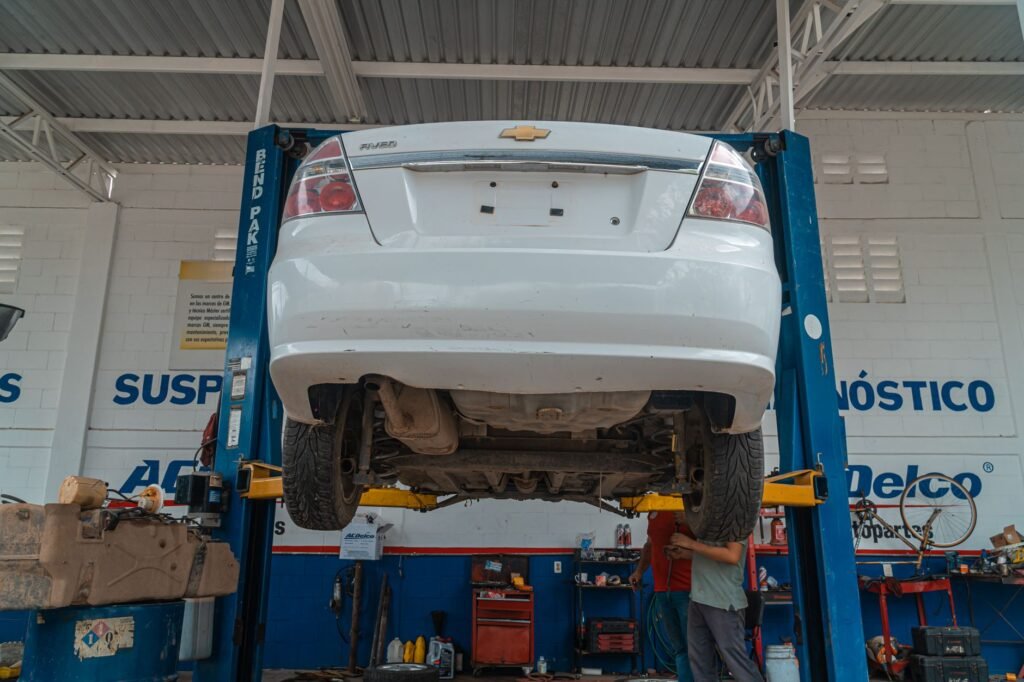
Understanding the transmission issues
The 2012 Chevy Cruze is well-known for its fuel efficiency and comfortable ride, but many owners have reported significant problems with the vehicle’s transmission. These issues often manifest as rough shifting, delayed engagement, or even complete transmission failure. Understanding these problems can help owners take proactive measures to mitigate potential damage.
One of the most commonly reported transmission issues in the 2012 Cruze is related to the automatic transmission shifting abruptly or slipping between gears. This problem can often be attributed to low transmission fluid levels, which can result from leaks or improper maintenance. Owners should ensure that they regularly check the fluid level and condition, as the transmission fluid should be a clear, reddish color. If it appears dark or has a burnt smell, it may need to be replaced.
Another contributing factor to transmission issues is the vehicle’s electronic control module (ECM). The ECM manages the transmission’s shifting patterns and performance. If the module malfunctions, it may cause erratic shifting or even prevent the vehicle from moving. Ensuring that the ECM is functioning properly can save owners from facing more serious transmission troubles.
“Regular maintenance and timely fluid changes can prevent many transmission issues in the 2012 Cruze.”
For those experiencing significant transmission problems, the solution often involves a full transmission rebuild or replacement. This can be a costly repair, often ranging from $3,000 to $5,000, depending on labor costs and parts availability. Owners should consider getting a second opinion from a trusted mechanic, as some independent shops may offer more competitive pricing compared to dealerships.
Additionally, it’s worth noting that some owners have found success in addressing these issues by installing an aftermarket transmission cooler. This component helps regulate the temperature of the transmission fluid, which can prolong the life of the transmission, especially in hotter climates or during heavy towing. While this solution may not be necessary for everyone, it is a viable option for those who frequently push their Cruze to its limits.
Finally, it’s important for owners to stay informed about recalls and manufacturer service bulletins that may be relevant to their vehicle. Chevrolet has issued recalls related to the transmission in the past, and staying proactive can help prevent more severe problems down the road. Checking the National Highway Traffic Safety Administration (NHTSA) website for recalls specific to the 2012 Chevy Cruze can provide critical information that may save owners from future headaches.
In conclusion, while the 2012 Chevy Cruze offers many advantages, its transmission problems can be a significant concern. By staying vigilant about maintenance, monitoring fluid levels, and being aware of potential ECM issues, owners can mitigate risks and enjoy their vehicle for years to come.
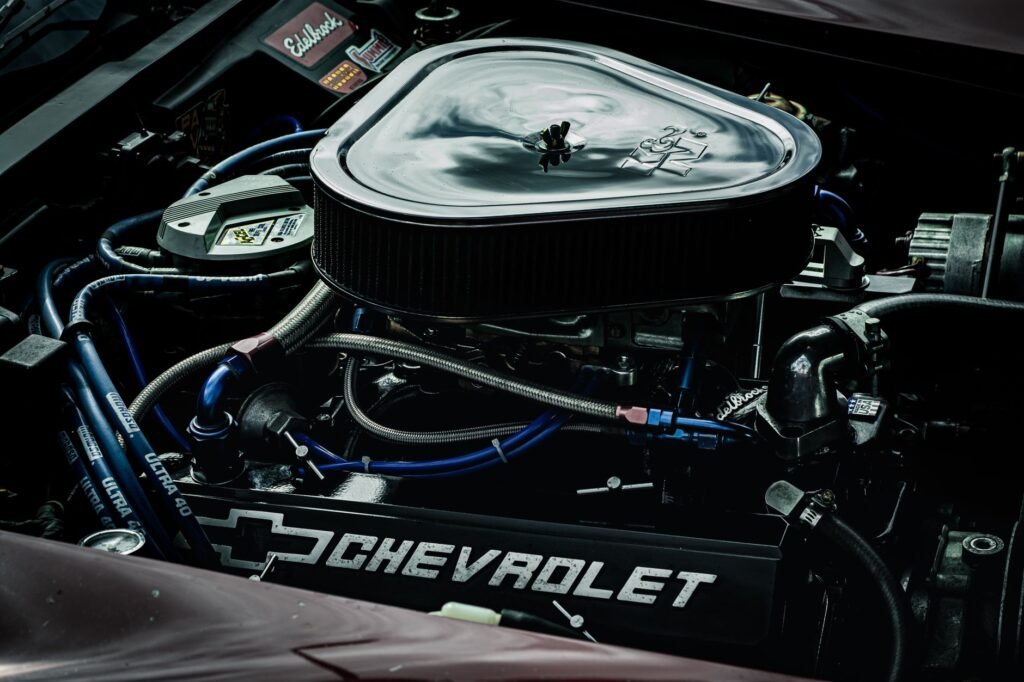
Understanding the impact of the timing belt issue
The 2012 Chevy Cruze, while known for its fuel efficiency and compact design, has a significant vulnerability that can lead to costly repairs: the timing belt. Unlike some other vehicles that utilize a timing chain, the Cruze relies on a timing belt that is subject to wear and tear over time. This aspect is critical for owners to understand, as neglecting this maintenance can lead to catastrophic engine failure.
The timing belt in the 2012 Cruze typically requires replacement around the 100,000-mile mark. However, many owners either overlook this maintenance schedule or are unaware of its importance. A failed timing belt can result in the pistons colliding with the valves, leading to extensive engine damage and a repair bill that can easily climb into the thousands.
Symptoms of a failing timing belt can be subtle at first. Owners might notice a ticking noise coming from the engine, or the vehicle may exhibit difficulty starting. More severe symptoms can include engine misfires, a drop in power, or the check engine light illuminating on the dashboard. Ignoring these signs can lead to immediate engine failure, leaving drivers stranded and facing hefty repair costs.
“Regular maintenance is not just about keeping the car running; it’s about preventing catastrophic failures. Ignoring the timing belt can turn a routine service into a major disaster.”
To avoid these issues, it is advisable for owners to keep a meticulous record of their maintenance schedule, particularly concerning the timing belt. If the vehicle has surpassed the 100,000-mile mark without a timing belt replacement, it’s prudent to consult a qualified mechanic immediately. In addition, if the timing belt was replaced, ensuring that quality parts were used can also play a role in the longevity of the repair. Cheaper, aftermarket belts may not offer the same reliability as OEM (Original Equipment Manufacturer) parts.
It’s worth mentioning that some owners have reported a premature failure of the timing belt even before reaching the recommended replacement interval. In such cases, it’s essential to investigate further. The issue might not solely be the timing belt itself but could relate to other components of the timing system, such as the tensioner or idler pulleys, which can wear down and cause the belt to fail. Regular inspections of these components can help catch potential issues early on.
In conclusion, understanding the timing belt issue in the 2012 Chevy Cruze is vital for ensuring the longevity of the vehicle. By adhering to the maintenance schedule, recognizing early signs of failure, and utilizing quality parts during replacements, owners can significantly reduce the risk of encountering severe engine problems. This proactive approach will not only save money but also enhance the driving experience of one of the more popular compact cars on the market.
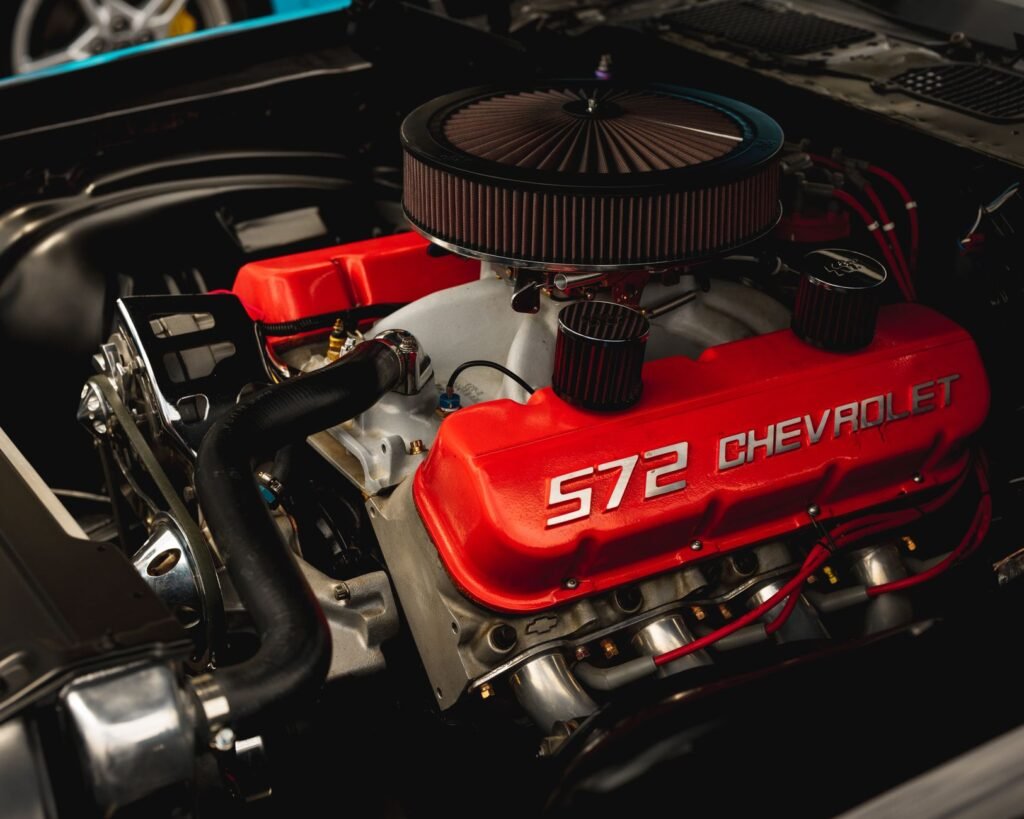
Understanding the fuel system issues
The 2012 Chevy Cruze has garnered its share of complaints, particularly concerning its fuel system. Many owners have reported issues ranging from poor fuel economy to complete fuel system failure, which can stem from several underlying causes.
One of the most prevalent issues is related to the fuel pump. The fuel pump in the Cruze is known to experience premature wear and failure. Symptoms often include a rough idle, difficulty starting the engine, or stalling while driving. If the fuel pump isn’t delivering the proper amount of fuel to the engine, it can lead to performance issues and increased fuel consumption.
Another common concern is with the fuel injectors. Owners have reported that the injectors can become clogged or malfunction, leading to misfires, decreased power, and a noticeable drop in fuel efficiency. This could be exacerbated by using low-quality fuel or failing to adhere to regular maintenance schedules. Regularly changing the fuel filter and using fuel system cleaners can help mitigate these issues, but once the injectors fail, replacement is often necessary.
Additionally, some Cruze models have been noted for having issues with the fuel pressure regulator. A failing regulator can cause erratic fuel pressure, which impacts engine performance and can lead to stalling. Drivers may notice symptoms such as a lack of acceleration or a check engine light indicating a fuel pressure problem.
“It’s crucial for owners to be proactive about their fuel system maintenance to avoid costly repairs in the long run.”
Moreover, the fuel system’s design has been scrutinized for being sensitive to contaminants. Owners have occasionally reported that dirt or debris in the fuel tank can lead to clogging within the fuel system. To combat this, it’s advisable to use a high-quality fuel filter and replace it according to the manufacturer’s recommendations.
In some cases, owners have found that the problem is not strictly mechanical but could also involve the fuel quality. Using ethanol-blended fuels can sometimes lead to moisture accumulation in the fuel system, which can precipitate corrosion and clogging. Opting for ethanol-free fuel, when possible, may extend the life of the fuel system components.
“Addressing these fuel system issues early can prevent more severe engine problems down the line.”
Finally, it’s worth mentioning the importance of diagnostic tools. Many mechanics can use OBD-II scanners to diagnose fuel system problems before they escalate. This can save owners both time and money by pinpointing the exact issue rather than relying on trial and error.
In conclusion, while the 2012 Chevy Cruze has its merits, understanding the intricacies of its fuel system can greatly enhance the ownership experience. Being vigilant about maintenance and addressing issues as they arise can help ensure that the vehicle remains reliable and efficient for years to come.
Frequently asked questions
What are the most common issues with the 2012 Chevy Cruze?
Common issues include engine problems, transmission issues, and electrical malfunctions. These can lead to reduced performance and reliability.
How can I prevent problems with my 2012 Chevy Cruze?
Regular maintenance and timely repairs can help prevent many common issues. Following the manufacturer's service schedule is essential for keeping the vehicle in good condition.
Is the 2012 Chevy Cruze reliable for long-term use?
While the 2012 Chevy Cruze offers good fuel economy and features, its reliability can vary. Owners should be aware of common issues and perform regular maintenance.
The bottom line
The 2012 Chevy Cruze presents several common problems that potential buyers should consider. Being informed can help you make better decisions regarding maintenance and ownership.
Related reading: Understanding fuses for cars: types, functions, and maintenance, and Pinehurst Hyundai: A Comprehensive Overview of Offerings. For an outside reference on this topic, see Reuters' autos and transportation coverage.