Maintaining your Ford vehicle is crucial for ensuring its longevity and optimal performance. Ford maintenance not only helps in preserving the value of your vehicle but also contributes to a safer driving experience. Regular maintenance can prevent costly repairs down the line, allowing you to enjoy your Ford to its fullest potential.
Understanding Ford’s maintenance schedule
Ford provides a comprehensive maintenance schedule tailored to different models, which is essential for keeping your car in top condition. This schedule typically includes services that should be performed at specific mileage intervals or timeframes. For instance, oil changes are generally recommended every 5,000 to 7,500 miles, depending on the model and oil type used.
Additionally, Ford vehicles often have a manufacturer-recommended service interval for inspections of critical components such as brakes, tires, and fluid levels. Always refer to the owner’s manual for your specific model to understand the recommended maintenance schedule and adhere to it for the best results.
Essential maintenance tasks for your Ford
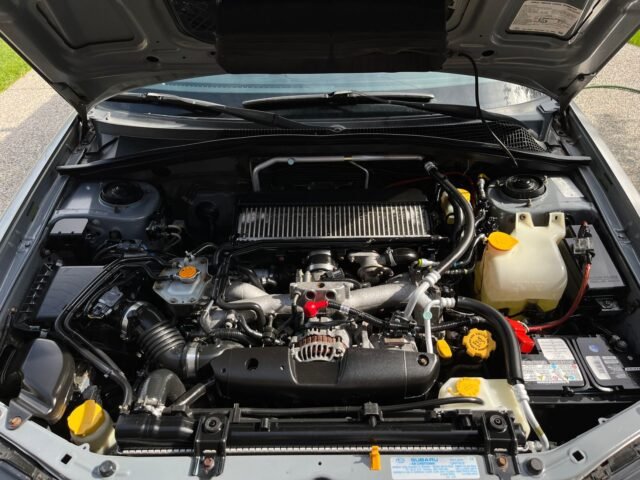
While the maintenance schedule provides a guideline, several tasks should be prioritized to ensure the vehicle’s performance. Key areas include:
- Oil changes: Regular oil changes are vital for engine health. Using the right oil type, as specified in your owner’s manual, will ensure your engine runs smoothly.
- Brake inspections: Check your brakes regularly for wear and tear. If you notice any unusual noises or decreased performance, have them inspected immediately.
- Tire maintenance: Proper tire inflation and regular rotations help improve fuel efficiency and ensure even tire wear. Check the tread depth and replace tires when necessary.
- Fluid checks: Regularly inspect vital fluids, including coolant, brake fluid, and transmission fluid. Low levels can lead to serious issues.
- Battery care: Inspect the battery terminals for corrosion and check the battery’s charge periodically to avoid unexpected failures.
Diagnosing common Ford issues
Despite regular maintenance, issues may still arise. Understanding common problems can help you diagnose them early. Here are some typical Ford vehicle issues:
- Transmission problems: Many Ford owners report transmission issues, particularly in older models. Symptoms include slipping gears or difficulty shifting. Regular fluid changes can help mitigate these issues.
- Electrical system failures: Problems with the electrical system, such as faulty sensors or dead batteries, can occur. Regular inspections can help identify these issues before they escalate.
- Engine misfires: If you experience a rough idle or decreased acceleration, your engine may be misfiring. This could be due to spark plug wear or fuel system issues.
Maintaining your Ford’s exterior and interior
While mechanical maintenance is critical, maintaining your Ford’s exterior and interior is equally important. A well-kept vehicle not only looks better but also retains its value longer.
Exterior care
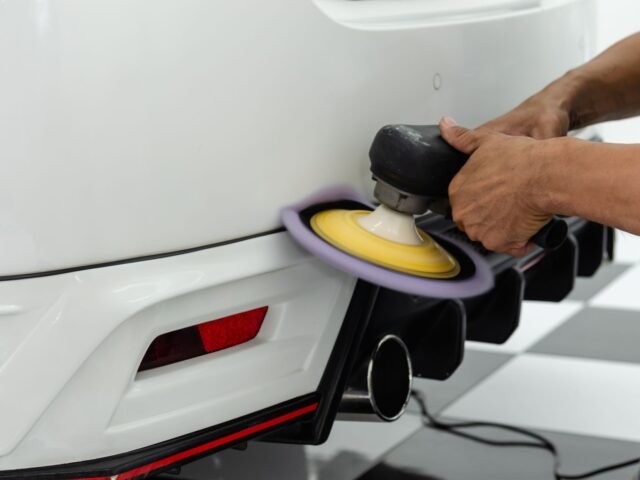
To protect your Ford’s paint and body, wash your vehicle regularly and apply wax every few months. This helps guard against corrosion and UV damage. Pay attention to any scratches or dents, as they can lead to rust if not addressed promptly.
Interior maintenance
Keep the interior clean by vacuuming regularly and using appropriate cleaners for different materials, such as leather or fabric. Protect your dashboard from sun damage by using sunshades when parked for extended periods.
Utilizing Ford’s service resources
Ford offers a variety of resources to aid in vehicle maintenance. Their official website provides detailed maintenance schedules, service guides, and owner manuals that can be invaluable. Additionally, many Ford dealerships offer maintenance packages that can save you money in the long run.
Incorporating technology into your Ford maintenance routine
Modern Ford vehicles come equipped with technology that can assist in maintenance. Features such as the FordPass app allow you to track your vehicle’s health, schedule service appointments, and receive alerts for upcoming maintenance tasks.
Choosing the right Ford parts and accessories
When it comes to repairs and replacements, using genuine Ford parts is crucial. These parts are designed specifically for your vehicle, ensuring optimal performance and longevity. Aftermarket parts may be cheaper, but they can lead to issues down the line.
Professional vs. DIY maintenance
Deciding between professional servicing and DIY maintenance depends on your skill level and comfort with vehicle repairs. Simple tasks like oil changes and tire rotations can often be done at home, while more complex repairs may require professional assistance. Always consult your owner’s manual for guidance on what tasks you can safely perform.
Interested in This Car?
If you are considering this vehicle, you can check its current availability, pricing and purchase options from the seller.
Conclusion: The importance of consistent Ford maintenance
In conclusion, regular Ford maintenance is essential for maximizing the lifespan and performance of your vehicle. By adhering to the recommended maintenance schedule, addressing issues promptly, and utilizing available resources, you can ensure that your Ford remains reliable and efficient. Whether you choose professional service or tackle some tasks yourself, a proactive approach to maintenance will pay off in the long run. Invest in your Ford today to enjoy a smoother ride tomorrow.
Interested in This Car?
If you are considering this vehicle, you can check its current availability, pricing and purchase options from the seller.
Utilizing Ford’s onboard diagnostics for proactive maintenance
Modern Ford vehicles come equipped with sophisticated onboard diagnostics systems that can significantly enhance maintenance practices. Understanding and utilizing these systems can lead to improved vehicle longevity and performance. The key is to actively monitor the vehicle’s health through these diagnostics and not wait for warning lights to take action.
Many Ford models feature the FordPass app or similar technology that connects your smartphone to your vehicle. This allows you to receive real-time updates about your vehicle’s health, including critical alerts about engine performance, battery status, and even tire pressure. By regularly checking these updates, you can catch potential issues before they escalate into costly repairs.
For instance, if your vehicle’s diagnostic system indicates that the engine is running less efficiently, it might signal issues like fuel injector problems or a clogged air filter. Addressing these early can prevent more significant engine damage. It is advisable to refer to the vehicle’s service manual, which often provides codes corresponding to diagnostic alerts, enabling you to make informed decisions or communicate effectively with your mechanic.
Regularly connecting to the diagnostic system also helps in maintaining optimal fluid levels. For example, some Ford vehicles will alert you when oil life is low or when coolant levels need attention. Following these alerts diligently can prevent overheating and maintain engine integrity, which is crucial for long-term performance.
“The onboard diagnostics system is like a health monitor for your vehicle. Regular checks can prevent many common issues from becoming major problems.”
Moreover, Ford offers software updates that can be performed via the onboard system. These updates can enhance performance and address known issues that may not yet have manifested in your vehicle. Keeping your software up-to-date is as essential as regular physical maintenance.
Another critical aspect of Ford’s diagnostic capabilities is the ability to perform vehicle health reports. These reports provide a comprehensive overview of your vehicle’s status and can help you plan future maintenance. For example, if the report suggests that your brake pads are nearing the end of their life, you can schedule a replacement at your convenience rather than waiting for an unexpected failure.
Additionally, understanding the service intervals recommended by Ford for various components, such as belts, hoses, and filters, is crucial. The onboard diagnostics can help remind drivers of these intervals, ensuring that maintenance is performed on time. Following these guidelines helps maintain vehicle performance and enhances safety.
In summary, leveraging the onboard diagnostics and proactive maintenance alerts available in modern Ford vehicles can significantly extend the life and performance of your car. By staying informed and proactive, you can ensure that your Ford runs smoothly for years to come.
Enhancing performance through software updates
In recent years, automotive technology has evolved considerably, and one of the most significant advancements is in software updates for vehicles. Ford, like many manufacturers, now offers over-the-air (OTA) updates that can enhance performance, fix bugs, and improve vehicle safety. Staying on top of these updates is crucial for maintaining your Ford’s longevity and performance.
Ford’s vehicles equipped with the FordPass Connect feature allow owners to receive notifications about available software updates directly to their smartphone. These updates can include enhancements to engine performance, transmission smoothness, and even fuel efficiency. For example, an update may recalibrate the engine control unit (ECU) to optimize fuel injection timing, which can lead to improved gas mileage and reduced emissions.
“Regularly checking for software updates can make a noticeable difference in your vehicle’s performance and longevity.”
One notable case is the 2020 Ford Explorer, which received a significant OTA update addressing transmission shifting issues reported by users. This update not only improved the overall driving experience but also potentially extended the lifespan of the transmission by preventing unnecessary strain from faulty shifting patterns. Such updates can be critical in maintaining not just performance but also the reliability of essential vehicle components.
Ford also provides a dedicated app, the FordPass app, which helps owners track their vehicle’s maintenance needs and receive alerts for upcoming software updates. The app can also assist in scheduling service appointments with your local dealership, ensuring that your vehicle remains in prime condition. By utilizing these digital tools, Ford owners can take a proactive approach to vehicle maintenance, ensuring their cars run smoothly and efficiently.
In addition to performance updates, software improvements often enhance safety features. For instance, Ford’s Co-Pilot360 technology, which includes features like lane-keeping assist and adaptive cruise control, is regularly updated to improve responsiveness and user experience. Keeping your software up to date ensures that these systems function optimally, which is vital for both safety and performance.
For those who may not be technologically inclined, Ford provides detailed instructions and support for performing these updates. It is recommended to connect your vehicle to a Wi-Fi network to download updates efficiently, as some updates can be quite large. Always follow the instructions provided by Ford to ensure a smooth update process.
In summary, embracing software updates as part of your Ford maintenance strategy can greatly enhance vehicle performance and longevity. By keeping abreast of these updates, you not only ensure that your vehicle operates at its best but also safeguard its overall health and reliability for years to come.
Understanding the role of technology in Ford maintenance
Modern Ford vehicles are equipped with increasingly sophisticated technology that not only enhances performance but also plays a crucial role in maintenance. From onboard diagnostics to advanced fleet management systems, understanding how to leverage this technology can significantly improve the longevity and performance of your vehicle.
One of the most valuable systems in contemporary Ford models is the On-Board Diagnostics II (OBD-II). This system monitors the engine and other essential components, alerting the driver to potential issues before they escalate into serious problems. Regularly checking the OBD-II system can help you stay ahead of maintenance needs. Many vehicles allow you to access diagnostic trouble codes through a simple app paired with a Bluetooth OBD-II scanner. By interpreting these codes, you can identify specific issues such as engine misfires or emissions problems, allowing you to address them proactively.
Additionally, Ford’s SYNC technology provides a wealth of information that can enhance your vehicle maintenance routine. This system not only integrates your smartphone with your vehicle for easier access to navigation and entertainment but also includes features that keep you informed about essential maintenance schedules and vehicle health reports. For example, SYNC can send notifications when your oil change is due or when tire pressure is low, helping you maintain optimal vehicle performance.
“Leveraging onboard technology not only extends the life of your vehicle but can also improve fuel efficiency and reduce overall operating costs.”
Another technological advancement worth considering is FordPass, an app that enables drivers to manage their vehicle maintenance from their smartphones. FordPass provides a centralized platform for scheduling service appointments, tracking maintenance history, and even accessing roadside assistance. The app also allows you to connect with your local Ford dealership for special promotions and alerts on service recommendations based on your vehicle’s specific needs.
Regular software updates are another critical aspect of maintaining the health of your Ford vehicle. Many systems, including the engine control unit (ECU) and infotainment features, require software updates to ensure they are operating at peak efficiency. Keeping your vehicle’s software up to date can enhance performance, fix bugs, and even improve fuel efficiency. You can usually receive these updates over the air or through your dealership, so make it a point to stay informed about the latest updates available for your model.
Furthermore, taking advantage of Ford’s Advanced Driver Assistance Systems (ADAS) can also contribute to better maintenance outcomes. Systems like lane-keeping assist, adaptive cruise control, and parking assistance not only enhance safety but also promote better driving habits. For instance, adaptive cruise control can help you maintain a consistent speed, which is more fuel-efficient and reduces wear on your engine compared to erratic speed changes.
In summary, embracing the technology integrated into modern Ford vehicles can significantly enhance your maintenance approach. By actively utilizing systems like OBD-II, SYNC, FordPass, and staying on top of software updates, you can ensure that your vehicle remains in top condition, providing you with a reliable and efficient driving experience for years to come.
Related reading: Budgeting for car maintenance: annual costs explained, and Power steering stop leak solutions for your vehicle. For an outside reference on this topic, see NHTSA's vehicle resources.