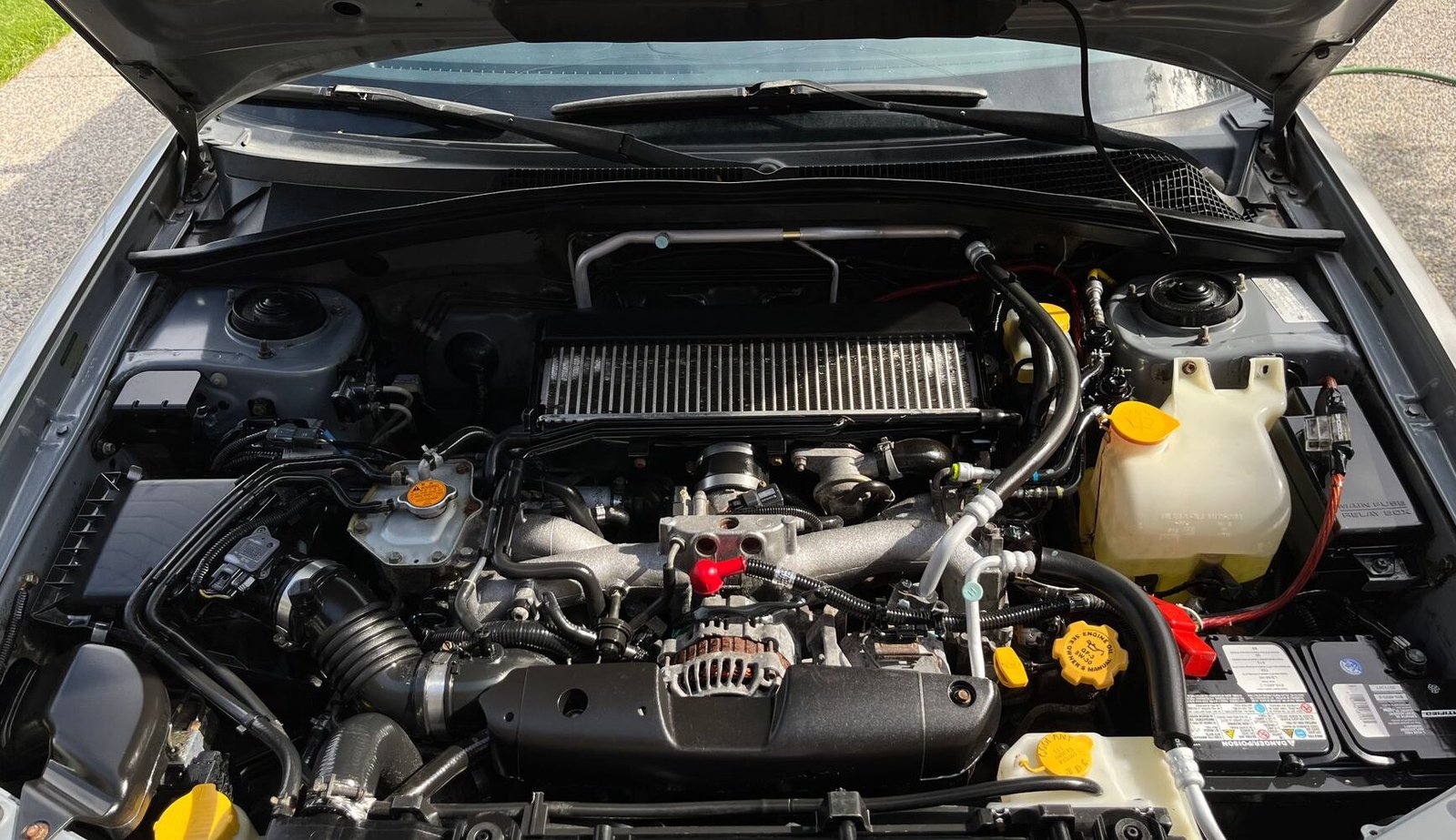
Oil in the radiator is a concerning issue that can signal serious problems within your vehicle’s engine. This condition often indicates a breach in the engine’s internal systems, leading to a mix of oil and coolant. Understanding the implications of oil in the radiator is essential for any vehicle owner, as it can affect engine performance and longevity.
Understanding the role of the radiator
The radiator is a critical component in your vehicle’s cooling system. It helps regulate engine temperature by dissipating heat generated during combustion. The radiator contains coolant, which circulates through the engine, absorbing heat and transferring it to the radiator where it cools down before returning to the engine. A well-functioning radiator is essential for maintaining optimal engine performance and avoiding overheating.
Why is there oil in the radiator?
Finding oil in the radiator can be alarming and is often a sign of a more significant issue. The primary reasons for oil entering the radiator include:
1. Blown head gasket
A blown head gasket is one of the most common causes of oil in the radiator. The head gasket seals the engine block and cylinder head, preventing oil and coolant from mixing. When this gasket fails, it can allow oil to leak into the cooling system, resulting in oil contamination in the radiator.
2. Cracked engine block
A cracked engine block can also lead to oil in the radiator. This can occur due to overheating, manufacturing defects, or damage from an accident. A crack can create a pathway for oil to seep into the cooling system, leading to contamination.
3. Faulty oil cooler
If your vehicle is equipped with an oil cooler, it could be another source of oil in the radiator. Oil coolers are designed to transfer heat away from engine oil, and if they develop a leak, oil can mix with coolant, resulting in oil contamination in the radiator.
Symptoms of oil in the radiator
Identifying the presence of oil in the radiator is crucial for diagnosing engine issues. Here are some common symptoms to look for:
1. Oil appearance in coolant
The most obvious symptom is the presence of an oil layer floating on top of the coolant in the radiator or the overflow reservoir. This can appear as a brown or milky substance, indicating a mix of oil and coolant.
2. Overheating engine
If the engine is overheating, it could be due to a compromised cooling system caused by oil contamination. The oil can disrupt the coolant’s ability to dissipate heat, leading to elevated engine temperatures.
3. Engine performance issues
Oil in the radiator can lead to decreased engine performance. You may notice reduced power, rough idling, or poor fuel efficiency as a result of the engine’s internal components being affected by the oil contamination.
Diagnosing oil in the radiator
When you suspect oil in the radiator, it is crucial to perform a thorough diagnosis. Here are steps to take:
1. Visual inspection
Start with a visual inspection of the coolant in the radiator and overflow reservoir. Look for any signs of oil separation, which can appear as brown or milky fluid.
2. Check for leaks
Inspect the engine for any visible leaks, especially around the head gasket and oil cooler. Check for oil stains or puddles under the vehicle.
3. Compression test
A compression test can help determine if there is a blown head gasket or a cracked engine block. Low compression in one or more cylinders may indicate a failure.
4. Oil analysis
Consider performing an oil analysis to check for coolant contamination in the engine oil. This test can help confirm if there is a breach in the engine’s internal systems.
Potential consequences of ignoring the issue
Failing to address oil in the radiator can lead to severe consequences for your vehicle. Here are some potential outcomes:
1. Engine damage
Continued operation with oil in the radiator can cause significant engine damage. The mix of oil and coolant can lead to improper lubrication, causing wear and tear on engine components.
2. Overheating
As mentioned earlier, oil contamination can hinder the coolant’s ability to dissipate heat, leading to engine overheating. This can cause further damage and may result in a complete engine failure.
3. Costly repairs
Addressing the root cause of oil in the radiator can be expensive. Repairing a blown head gasket or replacing a cracked engine block can cost thousands of dollars. Ignoring the issue can lead to even more costly repairs down the line.
How to fix oil in the radiator
If you discover oil in the radiator, it is essential to take immediate action. Here are steps to remedy the situation:
1. Stop driving the vehicle
The first step is to stop driving your vehicle immediately. Continuing to operate a vehicle with oil in the radiator can exacerbate the problem and lead to further damage.
2. Flush the cooling system
Flushing the cooling system is necessary to remove the contaminated coolant. This process involves draining the coolant, cleaning the radiator and hoses, and refilling the system with fresh coolant.
3. Repair the source of the leak
Once the cooling system has been flushed, it is crucial to address the root cause of the oil contamination. This may involve replacing the head gasket, repairing the engine block, or fixing the oil cooler.
4. Monitor engine performance
After repairs, closely monitor your engine’s performance and check for any signs of oil returning to the radiator. Regular maintenance and checks can help prevent future issues.
Preventive measures to avoid oil in the radiator
Preventing oil from entering the radiator is crucial for maintaining your vehicle’s health. Here are some preventive measures:
1. Regular maintenance
Following a regular maintenance schedule is vital for preventing issues that can lead to oil in the radiator. This includes regular oil changes, coolant flushes, and inspections of engine components.
2. Monitor engine temperature
Keep an eye on your engine temperature gauge. If you notice any fluctuations or overheating, address the issue immediately to avoid further damage.
3. Check for leaks
Regularly inspect your vehicle for any signs of oil or coolant leaks. Early detection can help prevent more severe issues down the line.
Conclusion
Oil in the radiator is a serious issue that should not be ignored. Understanding the causes, symptoms, and solutions can help you address the problem effectively and prevent costly repairs in the future. Regular maintenance and vigilance are key to keeping your vehicle running smoothly and avoiding the complications that come with oil contamination in the cooling system.
Understanding the implications of oil in your radiator
When oil contaminates the radiator, it is not just an inconvenience; it can indicate deeper mechanical issues that, if left unaddressed, can lead to severe engine damage. Understanding the implications of oil in the radiator is crucial for any vehicle owner.
One of the most common causes of oil in the radiator is a blown head gasket. This failure allows oil from the engine to mix with coolant, leading to a sludge-like substance that can block coolant passages, reduce cooling efficiency, and potentially cause the engine to overheat. If the head gasket is compromised, it can also lead to catastrophic engine failure if the engine continues to operate without addressing the issue.
Another potential cause is a cracked engine block or cylinder head. These cracks can allow oil to seep into the coolant system. This scenario is often accompanied by other symptoms such as coolant loss, overheating, and the presence of oil in the coolant. Identifying a cracked block usually requires a thorough inspection, often involving pressure tests or dye tests to pinpoint the source of the leak.
The symptoms of oil in the radiator are often visible. Drivers may notice a milky or frothy appearance in the coolant reservoir. This is a clear sign of oil contamination and should prompt immediate investigation. Additionally, unusual engine noises, poor performance, or sporadic overheating can accompany this issue. Ignoring these signs can lead to more extensive damage, including complete engine failure, which can be financially devastating.
Addressing oil in the radiator requires a multi-faceted approach. First, you must determine the source of the oil contamination. This can involve a series of diagnostic tests, including:
1. Compression testing to evaluate the integrity of the head gasket and cylinders.
2. A cooling system pressure test to check for leaks.
3. An oil analysis to detect contamination levels and determine the extent of the issue.
Once the source is identified, repairs can be made. Replacing a blown head gasket typically involves removing the cylinder head, which can be labor-intensive. For a cracked block, options may be limited, ranging from repairs using epoxy or welding to complete engine replacement, depending on the severity of the crack. It is crucial to weigh the costs of repair versus the value of the vehicle.
Preventative measures can also be taken to avoid future occurrences. Regular maintenance is vital. This includes routine checks of coolant levels and oil quality. Using high-quality engine oil and coolant can help minimize the risk of engine failures that lead to oil in the radiator. Additionally, staying attentive to the vehicle’s operating temperature and addressing any signs of overheating promptly can mitigate the risks associated with oil contamination.
In summary, oil in the radiator is a symptom of potentially serious engine issues. Understanding the implications, symptoms, and necessary actions can save vehicle owners from costly repairs and prolonged vehicle downtime. Addressing the problem early with proper diagnostics and repairs can lead to a more reliable and efficient vehicle in the long run.
Understanding the impact of oil in the cooling system
When oil contaminates the radiator, it not only signifies a problem but also poses a significant risk to the vehicle’s overall performance and longevity. Recognizing the specific implications of oil in the radiator can guide vehicle owners in making informed decisions about maintenance and repairs.
Firstly, the presence of oil in the radiator can drastically affect the cooling system’s efficiency. The cooling system is designed to use coolant, which has a lower viscosity than oil, allowing it to flow freely through the radiator and engine. Oil, being thicker and denser, can lead to blockages, reducing coolant flow. This can result in overheating, which may cause severe engine damage if left unchecked. For instance, a vehicle that frequently overheats due to oil contamination may experience warped cylinder heads or blown head gaskets, which are costly repairs.
Moreover, oil in the radiator can compromise the heat exchange process. The radiator’s primary function is to dissipate heat generated by the engine. When oil coats the radiator’s internal surfaces, it acts as an insulating layer, preventing proper heat transfer. This phenomenon can lead to higher engine temperatures, further compounding the risk of overheating. In a practical scenario, a driver may notice the temperature gauge creeping into the red zone during long drives, signaling that the engine is struggling to cool down effectively.
“An effective cooling system is crucial for engine longevity; oil contamination disrupts this balance.”
Addressing the root cause of oil in the radiator is essential. Common sources of such contamination include a blown head gasket, a cracked engine block, or a faulty transmission cooler. For example, if the head gasket fails, it can allow engine oil to seep into the cooling system. Regular inspections and maintenance can help detect these issues early. Mechanics often recommend pressure testing the cooling system and conducting a compression test on the engine to pinpoint leaks or weaknesses.
Furthermore, it is vital to examine the oil itself. If the oil appears milky or frothy, this is indicative of coolant mixing with the oil, a more severe condition that requires immediate attention. In such cases, a complete engine overhaul may be necessary if the damage has progressed too far. Keeping records of your vehicle’s oil and coolant changes can help you monitor their condition and catch potential issues early.
While cleaning the radiator may seem like a quick fix, it is only a band-aid solution if the underlying problem is not addressed. Flushing the radiator and replacing coolant can temporarily improve the situation, but if oil continues to reappear, it signals a deeper mechanical failure that needs rectification. A thorough diagnosis by a qualified mechanic can save vehicle owners from recurring issues and significant repair costs in the long run.
In summary, the presence of oil in the radiator is not merely an inconvenience but a critical issue that warrants immediate attention. Understanding its implications on vehicle performance and taking proactive measures can ensure the longevity and efficiency of the engine. Regular maintenance checks and being vigilant about changes in oil and coolant characteristics can make a substantial difference in preventing extensive repairs and maintaining optimal vehicle performance.
Related reading: 10 warning signs your car needs immediate maintenance, and Fuel pump assembly: key components and functions. For an outside reference on this topic, see NHTSA's vehicle resources.