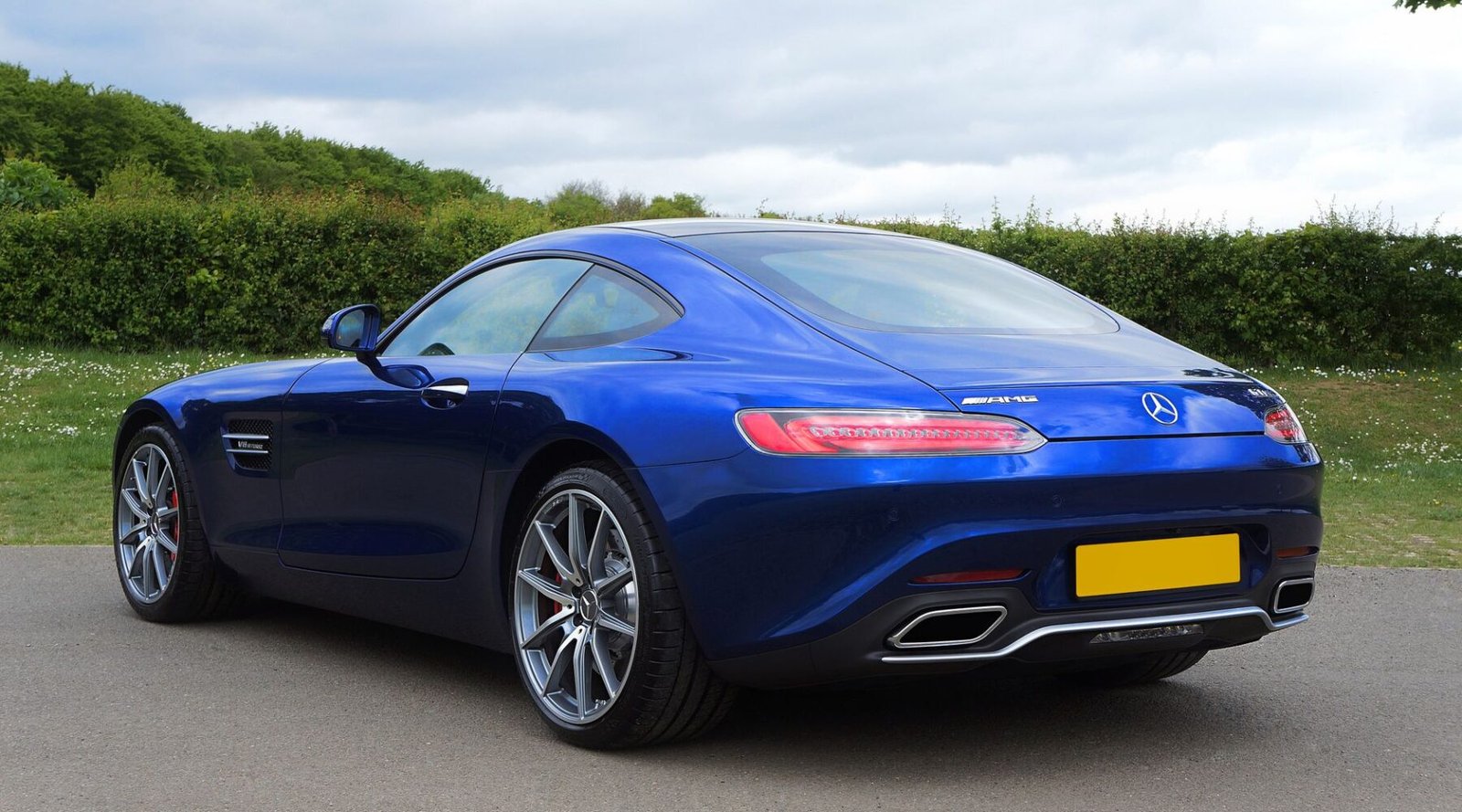
Modern performance metrics often focus on raw zero to sixty times and launch control software. For genuine driving enthusiasts, straight-line acceleration figures reveal very little about how a car behaves on a technical back road. The best driver’s cars prioritize steering feel, pedal feedback, chassis balance, and mechanical involvement over sheer digital speed. Evaluating current sports cars through this lens highlights a select group of vehicles that respect the connection between driver, machine, and road.
Lightweight platforms and analogue feedback
Lightweight construction remains the absolute foundation of exceptional vehicle dynamics. The Mazda MX-5 Miata and the Toyota GR86 demonstrate that high horsepower is unnecessary when curb weight is kept low. Tipping the scales at roughly 2,400 pounds, the MX-5 delivers direct suspension feedback and immediate turn-in response that heavier performance cars cannot match. Its manual transmission features short, mechanical throws that reward deliberate gear selection.
Similarly, the Toyota GR86 utilizes a rear-wheel-drive layout optimized for a low center of gravity and neutral handling balance. Its naturally aspirated 2.4-liter boxer engine offers linear power delivery, allowing the driver to modulate throttle input with exact precision through corner exits. Both platforms teach fundamental vehicle control at manageable speeds, proving that mass reduction creates far more involvement than electronic torque vectoring.
Mid-engine dynamics and steering precision
Moving up the performance scale, mid-engine architecture provides superior mass distribution and rotation around the driver. The Porsche 718 Cayman GTS 4.0 stands as an industry benchmark for chassis tuning and driver ergonomics. Its naturally aspirated 4.0-liter flat-six engine revs cleanly to 7,800 RPM, paired with electric power steering calibrated to convey subtle changes in tire load and road surface texture.
True chassis communication relies on predictability. When a car clearly signals the limit of tire grip, the driver gains the confidence to work precisely at the dynamic boundary.
Lotus provides a compelling alternative with the Emira. Available with a supercharged 3.5-liter V6 coupled to a mechanical six-speed manual gearbox, the Emira retains a hydraulic power steering rack. This hydraulic setup delivers detailed tactile feedback through the steering wheel rim that modern electromechanical systems rarely match, giving the driver a clear picture of front axle traction.
High power output paired with involvement
High horsepower does not have to come at the expense of engagement. The Chevrolet Corvette Z06 transforms the traditional American sports car into a high-revving track tool. Powered by a 5.5-liter naturally aspirated flat-plane crank V8 that spins to 8,600 RPM, it offers explosive throttle response and sharp high-speed stability without feeling insulated.
Equally focused is the BMW M2, which pairs a twin-turbocharged inline-six with an available six-speed manual transmission in a compact front-engine, rear-wheel-drive format. Although heavier than past iterations, its stiffened structure and aggressive front suspension geometry yield rapid turn-in and strong rear traction.
Selecting the ideal sports car comes down to identifying which dynamic qualities matter most at the tire contact patch. Whether choosing a lightweight roadster, a high-revving mid-engine coupe, or a track-focused V8, the best enthusiast vehicles share one critical quality: they require active driver participation rather than insulating the human behind the wheel.
Tactile feedback: The unsung hero of driver engagement
When discussing driver engagement in sports cars, the conversation often gravitates towards horsepower, acceleration, and lap times. However, a crucial yet frequently overlooked aspect is the role of tactile feedback. This sensory experience connects the driver to the vehicle and the road, enhancing engagement and ultimately enriching the driving experience.
Take the classic Porsche 911 as an example. The 911’s steering wheel provides a level of feedback that is often described as “communicative.” Drivers can feel the nuances of the road surface, allowing them to adjust their inputs with precision. This sensation is not merely a byproduct of engineering; it is a deliberate design choice that prioritizes driver connection and confidence. In contrast, many contemporary sports cars, particularly those with overly assisted steering systems, often sacrifice this tactile interaction for convenience and ease of use, which can dilute the driving experience.
Another exemplary model is the Mazda MX-5 Miata. Renowned for its lightweight construction and simplistic design, the Miata exemplifies how a car can engage the driver through direct feedback. The car’s short wheelbase and rear-wheel-drive layout create a nimble character, while the manual transmission enhances the connection between the driver and the car. The mechanical nature of the shifter, coupled with the car’s overall dynamics, fosters a sense of control that is often lost in more technologically advanced vehicles.
“Driving the MX-5 feels like a conversation between the car and the driver, making every turn an opportunity to connect with the road.”
Furthermore, the integration of pedal feel contributes significantly to the overall tactile feedback. In vehicles like the Ford Mustang GT350, the brake and throttle pedals are engineered to provide a distinct response that informs the driver of their inputs. This is especially important in a performance setting, where the driver must make split-second decisions. The right amount of resistance and travel in the pedals can mean the difference between a perfect corner and a missed apex.
The impact of tactile feedback extends beyond performance cars to the evolving field of electric vehicles (EVs). As manufacturers like Tesla and Porsche delve into the realm of electric sports cars, the challenge remains: how to deliver that engaging tactile experience when the traditional mechanical linkages are replaced by electronic systems. Innovations such as haptic feedback technology and simulated steering feel are steps in the right direction, but they must be fine-tuned to replicate the genuine connection that enthusiasts crave.
For the true sports car aficionado, the goal is not merely to achieve the fastest lap time but to experience a deeper connection with the machine. This connection is fostered through a nuanced interplay of feedback from the steering wheel, pedals, and chassis. As a result, the most engaging sports cars are those that can convey the story of the road through their tactile responses, allowing drivers to feel every nuance and imperfection beneath them.
Ultimately, the art of driving is about more than just the numbers on a spec sheet. The emotional engagement derived from tactile feedback is what elevates the experience of driving a sports car. Cars that prioritize this connection over sheer performance metrics are often the ones that leave a lasting impression on their drivers, solidifying their place in the hearts of enthusiasts for generations to come.
The importance of tactile feedback in sports cars
Driver engagement in sports cars transcends mere horsepower and lap times; it hinges on the profound connection between the driver and the car, often facilitated by tactile feedback. This sensory interaction shapes the driving experience and ultimately informs the driver’s decisions on the road or track.
Take, for instance, the Mazda MX-5 Miata, a quintessential example of a sports car that thrives on driver engagement. With its lightweight chassis, rear-wheel drive, and precise steering, the Miata offers a level of feedback that allows the driver to feel the road beneath them. This connection is not just about speed; it’s about how the car communicates with the driver through steering feel, brake response, and even the engine note. Such feedback enables a more instinctive driving style, where the driver can sense the limits of grip and adjust their inputs accordingly.
Moreover, the tactile feedback doesn’t stop at the steering wheel. The pedals in a sports car play a crucial role as well. The clutch, brake, and accelerator should provide clear, discernible resistance, allowing the driver to modulate inputs with precision. Vehicles like the Porsche 911 exemplify this, where the pedal feel is finely tuned to provide the driver with confidence, enhancing the overall driving experience. The way the car responds to throttle inputs can transform a mundane drive into a thrilling experience, making the driver feel more in control.
“Driving is not just an act; it’s an experience, and tactile feedback is the language through which that experience is communicated.”
Another significant aspect of tactile feedback is the suspension setup. Sports cars like the BMW M2 Competition masterfully blend comfort with performance through adaptive suspension systems that adjust in real-time to road conditions. This technology allows drivers to feel the nuances of the road while ensuring that the car remains composed during spirited driving. The balance between comfort and performance is critical; it allows the driver to push the limits without feeling disconnected from the road.
Furthermore, the integration of technology in modern sports cars should enhance, rather than detract from, driver engagement. For example, the Ford Mustang GT500 features advanced traction and stability control systems that can be dialed back to allow for more driver involvement. This means that while technology aids in performance, it does not overshadow the visceral joy of driving. Drivers can choose how much assistance they want, creating a customizable experience that caters to their preferences and skill level.
In contrast, many hypercars, while boasting impressive numbers, often rely heavily on electronic aids that can create a barrier between driver and machine. Cars like the Bugatti Chiron, despite their staggering performance, can feel sterile and disconnected due to the overwhelming presence of technology designed to manage power and speed. This reliance on technology can dilute the raw, visceral experience that true sports cars offer.
In conclusion, the essence of sports cars lies in their ability to engage the driver through tactile feedback, creating a symbiotic relationship that enhances the overall driving experience. As manufacturers continue to innovate, it’s crucial that they prioritize this connection over sheer performance metrics. The best sports cars remain those that not only deliver impressive statistics but also invite drivers to become one with the machine, turning every drive into a memorable journey.
The role of chassis dynamics in enhancing driver experience
When discussing sports cars, much of the conversation tends to revolve around horsepower and acceleration figures. However, the true essence of a great sports car lies in its chassis dynamics—how the vehicle responds to the driver’s inputs and the sensations it delivers through the steering wheel and seat. A well-tuned chassis is crucial in creating an immersive driving experience that transcends raw metrics.
Take the Mazda MX-5 Miata, for instance. With a modest power output compared to many contemporary sports cars, the Miata showcases how a lightweight chassis and near-perfect weight distribution can lead to exhilarating driving experiences. The car’s responsiveness to steering inputs and its ability to communicate the road’s texture allow drivers to feel connected to the vehicle in a way that numbers alone cannot convey. This is the essence of engaging driving dynamics—the car becomes an extension of the driver’s intentions.
In contrast, consider the modern trend of turbocharged engines and automatic transmissions that prioritize efficiency and speed over feel. While vehicles like the Porsche 911 Turbo offer blistering acceleration thanks to their power outputs, they can sometimes sacrifice the tactile feedback and emotional connection that driving enthusiasts crave. The 911 GT3, on the other hand, embodies a balance of raw performance and driver engagement, with its naturally aspirated engine and manual transmission option allowing for a purer driving experience.
Chassis dynamics also play a pivotal role in the handling characteristics of a vehicle. For example, the Lotus Elise, known for its lightweight construction and minimalist philosophy, emphasizes the importance of agility and feedback. The Elise’s chassis is engineered to provide immense grip while allowing the driver to feel every nuance of the road, making it a favorite among driving purists. This is a testament to how a car’s design can elevate driver engagement beyond mere speed.
Suspension design is another critical aspect that influences driver experience. Sports cars like the BMW M2 utilize adaptive suspension systems that can be adjusted to suit the driver’s preferences, offering a range of settings from comfort to sport. This flexibility allows drivers to tailor their experience, enhancing engagement by adapting to different driving conditions and personal styles. When a car can seamlessly transition from a comfortable daily driver to a track-ready performer, it captures the essence of what it means to prioritize driver engagement.
Moreover, the role of technology in enhancing driver engagement should not be overlooked. Systems like rear-wheel steering and dynamic torque vectoring can significantly improve a car’s handling and responsiveness. The Nissan GT-R, for example, employs advanced all-wheel-drive technology that optimally distributes power to the wheels, enhancing cornering performance and stability. However, the integration of such technologies needs to be carefully balanced; if over-engineered, they can detract from the raw, visceral feedback that defines an engaging driving experience.
Ultimately, the best sports cars are those that allow drivers to feel every nuance of the road while maintaining control over their experience. As enthusiasts, our pursuit should not merely be about achieving the fastest lap times but creating lasting memories behind the wheel. A car that engages the driver on a deeper level—through its chassis dynamics, suspension setup, and feedback mechanisms—will always be more cherished than one that simply boasts impressive numbers on a spec sheet. In the end, it is the connection between the driver and the car that defines true performance.
Related reading: 10 upcoming cars that justify holding off on your next purchase, and The definitive lineup of daily drivers for every lifestyle. For an outside reference on this topic, see the EPA's official fuel economy database.