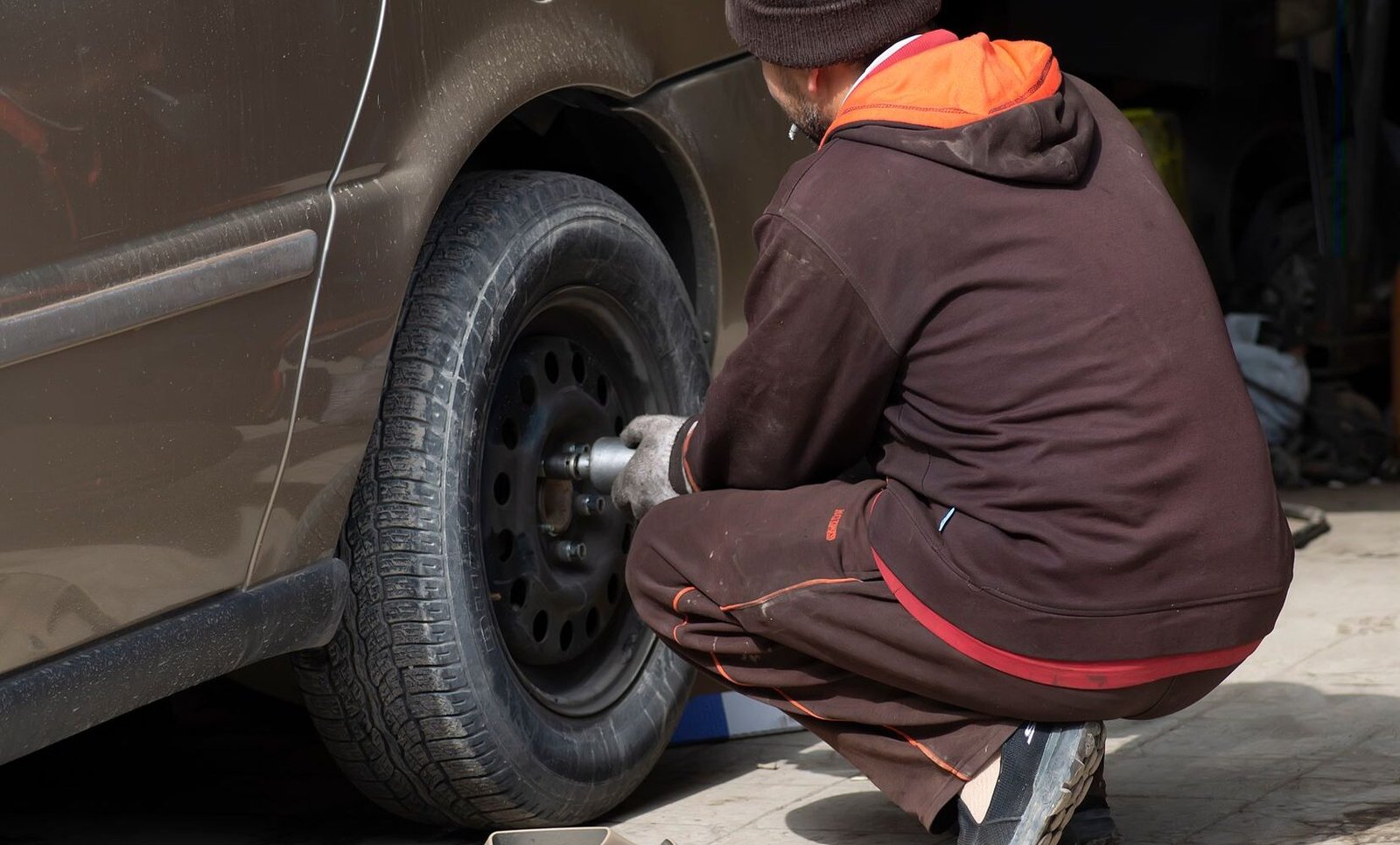
Tires are a crucial component of your vehicle, directly impacting safety, performance, and fuel efficiency. Knowing when to replace your tires can not only enhance your driving experience but also prevent accidents and costly repairs. Understanding the signs of tire wear and the factors that contribute to tire degradation is essential for any vehicle owner.
Understanding tire tread depth
The tread depth of your tires is one of the most critical indicators of their health. Tread depth affects traction, especially in wet or slippery conditions. A tire that is worn down to 2/32 of an inch or less is considered legally worn out in many jurisdictions, but for optimal safety, tires should be replaced well before reaching this limit.
A simple way to check tread depth is by using the penny test. Insert a penny into the tread groove with Lincoln’s head facing down. If you can see the top of his head, your tread is too shallow, and it’s time to replace the tire. Many tire shops also offer tread depth gauges for a more precise measurement.
Visual inspections for tire damage
Regular visual inspections of your tires can help you identify signs of damage before they become serious issues. Look for cuts, punctures, cracks, or bulges in the sidewall or tread. Any visible damage could compromise the tire’s integrity and lead to a blowout, which is particularly dangerous at high speeds.
Additionally, pay attention to uneven wear patterns. Tires that wear unevenly may indicate alignment issues, improper inflation, or that the tires themselves are nearing the end of their lifespan. If you notice unusual wear, it is advisable to have a professional inspect your vehicle.
Age of your tires matters
Even if your tires appear to have sufficient tread and no visible damage, age is another crucial factor to consider. Tires degrade over time due to environmental factors such as UV exposure, temperature fluctuations, and humidity. Most manufacturers recommend replacing tires every six to ten years, regardless of tread wear.
To find your tire’s age, check the DOT code on the sidewall. This four-digit code indicates the week and year the tire was manufactured. For example, if the code reads “2319,” it means the tire was made in the 23rd week of 2019. If your tires are approaching or have surpassed the ten-year mark, it is wise to replace them.
Monitoring performance issues
Performance issues can also be indicative of tire problems. If you notice that your vehicle pulls to one side while driving, it could signal uneven tire wear or an alignment issue. Additionally, if you hear unusual noises, such as thumping or humming, this could indicate internal tire damage or uneven wear.
Vibration during driving is another sign that your tires may need replacing. While some vibrations can stem from wheel balancing issues, persistent or severe vibrations could point to deeper problems, such as tire separation or internal damage. If you experience any of these performance issues, have your tires inspected promptly.
Check tire pressure regularly
Maintaining the correct tire pressure is essential for both performance and longevity. Under-inflated tires can wear out more quickly and affect fuel efficiency, while over-inflated tires can lead to reduced traction and increased risk of blowouts. Check your tire pressure at least once a month and before long trips using a reliable tire pressure gauge.
Refer to your vehicle’s owner manual or the sticker found on the driver’s side door jamb for the recommended tire pressure. Keeping your tires properly inflated can extend their lifespan and improve overall performance.
When to seek professional help
If you’re unsure about the condition of your tires or if you notice any concerning signs, it’s always best to consult a professional. Tire specialists can assess your tires’ health, check for alignment issues, and recommend replacements if necessary. Regular maintenance and inspections can also help catch potential issues early, allowing you to address them before they escalate.
In conclusion, knowing when to replace your tires involves a combination of monitoring tread depth, conducting visual inspections, considering the age of the tires, and being aware of performance issues. Regular maintenance and professional assessments will ensure your tires remain in optimal condition, enhancing your safety and driving experience.
Understanding tire age and its impact
When assessing whether your tires need replacing, it’s crucial to consider not just the tread wear but also the age of the tires. Many drivers overlook this aspect, assuming that if their tires look good externally, they are safe for use. However, the rubber compounds used in tires degrade over time, even if the tread appears adequate. Typically, tire manufacturers recommend replacing tires every six years, regardless of tread depth.
One of the most effective ways to determine the age of your tires is to check the Tire Identification Number (TIN) located on the sidewall. The last four digits of the TIN indicate the week and year the tire was manufactured. For example, if the TIN ends with “3219,” it means the tire was made in the 32nd week of 2019. If your tires are older than six years, it is advisable to consider replacing them, as the risk of tire failure increases significantly with age.
Environmental factors also play a significant role in tire aging. Tires exposed to extreme temperatures, UV rays, and ozone will deteriorate faster. For instance, if you live in an area with intense sunlight, the tread may crack and show signs of weathering even if the depth appears sufficient. Regularly inspecting your tires for visible signs of aging, such as cracks, bulges, or discoloration, can help you catch potential issues early.
“Even if the tread looks good, tires older than six years can pose safety risks.”
For a practical example, consider a vehicle that is mostly used for short trips and remains parked in a garage. While the tread may wear down slowly due to limited driving, the rubber can still degrade over time, particularly if it is not stored under optimal conditions. In such cases, the tire’s performance can diminish significantly even with minimal mileage. It’s essential to assess both the physical condition and age of the tire.
Another factor to keep in mind is the type of tires you have. High-performance tires, for instance, may have a shorter lifespan than all-season tires due to their softer rubber compounds designed for better grip. If you frequently drive at high speeds or take sharp turns, the wear and tear on those tires may be accelerated, necessitating more frequent replacements.
In summary, keeping track of your tire’s age and understanding how environmental factors affect their longevity is vital for safe driving. Regular inspections combined with awareness of tire age will enhance your ability to determine when it is time for a replacement, ensuring that you maintain optimal safety on the road.
Understanding the role of tire tread patterns
Tire tread patterns are not merely a design choice; they play a critical role in performance, safety, and longevity. Each tread design is engineered for specific driving conditions and vehicle types. Consequently, understanding how tread patterns influence tire performance can provide valuable insights into when your tires need replacing.
For instance, all-season tires are designed with a tread pattern that balances traction and durability across various conditions. They feature a mix of grooves and sipes that help channel water away, reducing the risk of hydroplaning. However, if you notice that the grooves are becoming shallow or the edges are rounding off, it may be time to consider replacing them, especially before the rainy season.
On the other hand, performance tires have a different tread design, often characterized by wider grooves and a shallower tread depth. This design maximizes contact with the road and provides better grip during high-speed maneuvers. However, these tires wear out quicker than all-season tires, especially if driven aggressively. Regularly inspecting the tread for uneven wear patterns can indicate misalignment or under-inflation, both of which can accelerate tire degradation.
Winter tires, designed for cold and snowy conditions, feature unique tread patterns with deeper grooves and more sipes to enhance traction in ice and snow. If you use winter tires, monitor the depth of the tread closely. The recommended minimum tread depth for winter tires is typically 6/32 of an inch. If your winter tires fall below this threshold, their ability to grip the road effectively is compromised.
“The right tread pattern can extend the life of your tires and enhance vehicle safety, making regular inspections critical.”
Additionally, tread patterns can also give clues about your driving habits. For example, if the outside edges of your tires are worn down more than the center, this could indicate that you are cornering too aggressively or that your vehicle’s alignment is off. Conversely, if the center is worn more than the edges, it may be a sign that your tires are over-inflated. Recognizing these patterns can help you address underlying issues before they lead to premature tire failure.
It is also essential to remember that tire technology is continuously evolving. Many modern tires now come equipped with tread wear indicators—small raised bars that become visible as the tread wears down. When these bars are flush with the surrounding tread, it signals that the tire is at the end of its usable life. Always keep an eye on these indicators to make informed decisions about tire replacement.
In summary, understanding tire tread patterns and their implications can significantly enhance your ability to gauge when your tires need replacing. Regular inspections, awareness of your driving style, and knowledge of your specific tire type will ensure that you maintain optimal performance and safety on the road.
Understanding the impact of tire maintenance on safety
One crucial aspect often overlooked in tire replacement discussions is the direct correlation between tire maintenance and overall vehicle safety. While many drivers focus solely on tread depth as an indicator for replacement, the broader implications of tire wear, condition, and maintenance practices can significantly impact both safety and performance.
Tires are the only point of contact between your vehicle and the road, making their condition paramount for safe driving. Regular maintenance extends beyond simple visual inspections; it includes understanding the effects of environmental factors, driving habits, and proper tire care. For example, tires may appear to have acceptable tread depth but can still be unsafe due to uneven wear caused by misalignment or improper inflation.
A study by the National Highway Traffic Safety Administration found that under-inflated tires are a leading cause of vehicle crashes, contributing to thousands of accidents annually.
To monitor tire condition effectively, consider implementing the following practices:
1. Regular tire rotations and alignments
Rotating your tires every 5,000 to 7,500 miles helps distribute wear evenly, extending their lifespan and ensuring optimal performance. Misalignment can lead to uneven tread wear, making it difficult to gauge when tires need replacing. If your vehicle pulls to one side or you notice vibrations while driving, it may be an indicator that your alignment is off and needs adjustment.
2. Understanding tire age
Even if tires have sufficient tread depth, they can degrade over time. The rubber compounds used in tire manufacturing can break down, leading to cracks and loss of structural integrity. Most manufacturers recommend replacing tires every six to ten years, regardless of tread condition. Always check the manufacturing date on the tire sidewall, which is indicated by a four-digit code. The first two digits represent the week, and the last two represent the year of manufacture.
3. Monitoring tire pressure
Maintaining the correct tire pressure is crucial for safety and performance. Under-inflated tires can heat up excessively, leading to blowouts, while over-inflated tires can cause reduced grip and increased tread wear. Use a reliable tire pressure gauge to check pressure at least once a month and before long trips. Refer to your vehicle’s owner’s manual or the sticker located on the driver’s side door jamb for the recommended pressure levels.
4. Inspecting for damage
Regularly inspect your tires for visible signs of damage, such as cuts, punctures, or bulges. Any visible deformities can compromise a tire’s integrity and indicate a need for immediate replacement. Additionally, look for any foreign objects lodged in the tread, such as nails or glass, which can lead to slow leaks or sudden failures.
5. Seasonal considerations
For those living in regions with extreme temperatures, it’s important to consider seasonal tires. Summer tires may not provide adequate grip in winter conditions, while winter tires can wear out quickly in warmer temperatures. Assessing your driving environment and changing tires seasonally can enhance both safety and performance.
In conclusion, understanding the broader picture of tire maintenance is crucial for ensuring vehicle safety. By regularly monitoring your tires’ condition, age, pressure, and wear patterns, you can make informed decisions about when to replace them, ultimately keeping you and your passengers safe on the road.
Related reading: Clear technical indicators that your engine requires fresh oil, and Essential car maintenance practices for long-term reliability. For an outside reference on this topic, see NHTSA's vehicle resources.


2 Responses