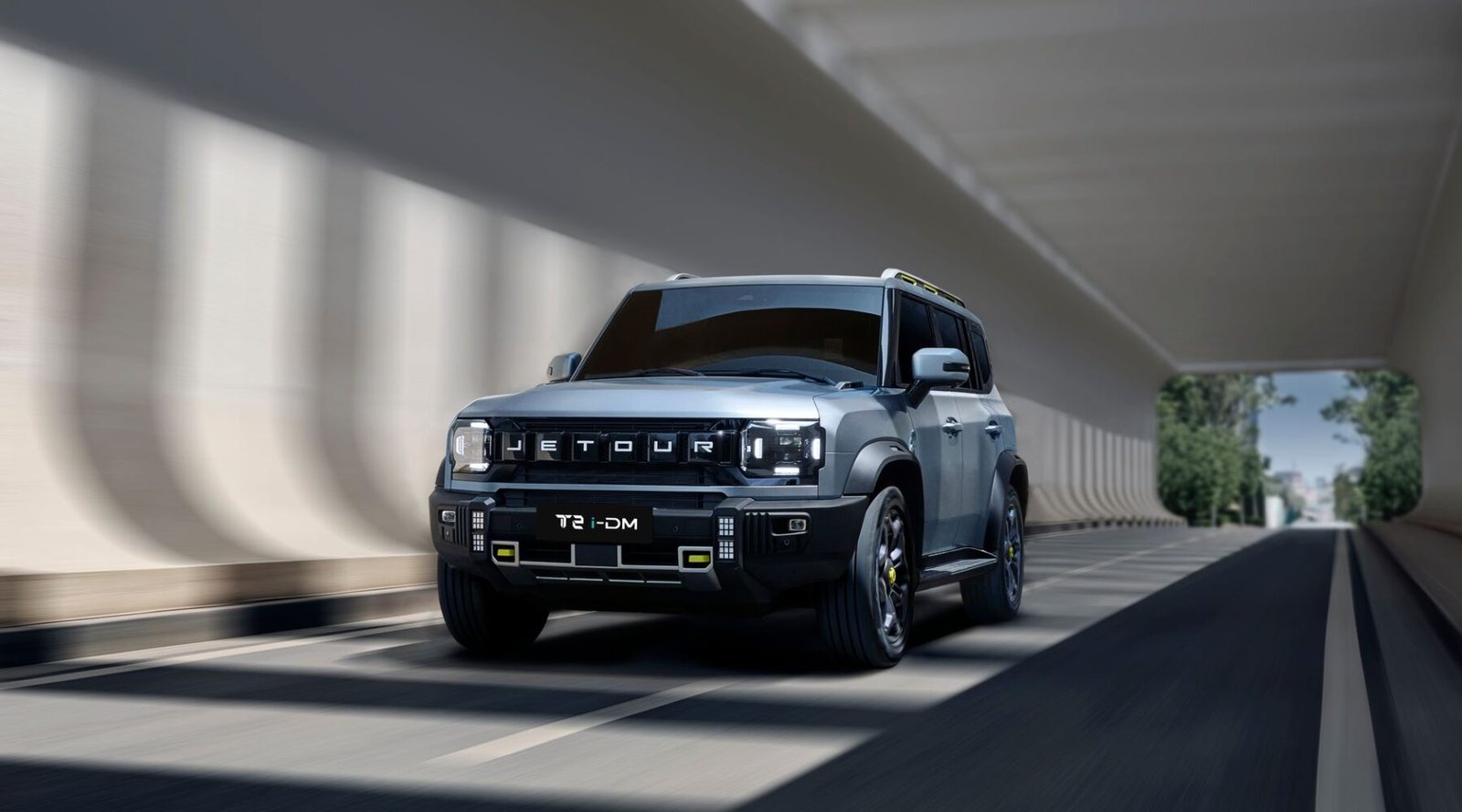
The electric SUV market has matured beyond early adoption novelties into the most competitive segment in automotive manufacturing. Buyers no longer accept compromised range or frustrating software in exchange for zero tailpipe emissions. The best utility vehicles on sale today deliver predictable real-world range, fast direct-current charging, and refined chassis dynamics. Filtering through dozens of options requires evaluating underlying architecture rather than relying on marketing claims.
Engineering efficiency in the mainstream segment
The Hyundai Ioniq 5 remains a key reference point for midsize crossover engineering. Built on an 800-volt architecture, it is capable of replenishing its battery from 10 to 80 percent in under 18 minutes under optimal conditions. Its long wheelbase yields interior space comparable to vehicles a size class above, while its ride quality favors composure over unnecessary stiffness. While its real-world highway range dips slightly behind pure aerodynamic teardrop shapes, its thermal management and charging speed offset the difference on long journeys.
Tesla continues to hold substantial market share with the Model Y, largely due to ecosystem integration. The vehicle delivers exceptional powertrain efficiency, extracting more distance per kilowatt-hour than nearly all competitors. Access to an expansive charging network remains a compelling ownership advantage, though ride comfort and interior sound isolation lag behind traditional luxury competitors. For drivers prioritizing software stability and low energy consumption, it remains an essential baseline standard.
Premium execution and high-performance capability
In the luxury tier, the BMW iX demonstrates how traditional manufacturing expertise enhances electric platforms. Rather than relying on stark minimalism, the cabin uses structural materials and dampening to deliver exceptionally low noise levels. Dual-motor configurations provide immediate torque vectoring, keeping a heavy chassis composed through corners. Its dual-motor setup yields an estimated range exceeding 300 miles without sacrificing winter performance.
For buyers requiring true off-road capability alongside three-row seating, the Rivian R1S occupies a unique position. Its available quad-motor variant offers precise wheel-by-wheel torque control that traditional mechanical lockers cannot replicate. The adjustable air suspension provides over 14 inches of ground clearance, allowing the R1S to tackle technical terrain while maintaining daily family utility.
Key metrics defining market leadership
Selecting the right electric SUV ultimately depends on charging habits and primary driving environments. High-voltage architectures with 800-volt systems are becoming essential for drivers who frequent public fast chargers during cross-country travel. Meanwhile, software stability and cold-weather thermal preconditioning separate daily usable vehicles from frustrating ones.
Peak horsepower figures make headlines, but predictable charging curves and chassis refinement determine long-term vehicle satisfaction.
The current generation of electric SUVs proves that electrification enhances the utility format rather than restricting it. As battery chemistry stabilizes and infrastructure expands, these models represent the clearest balance of utility, performance, and real-world range available today.
The impact of charging infrastructure on electric SUV ownership
As the electric vehicle market matures, the availability and quality of charging infrastructure have become critical factors influencing consumer decisions, particularly for electric SUVs. While the vehicles themselves are impressive, the ease with which owners can charge them significantly impacts their practicality and appeal.
One of the most notable developments in charging infrastructure is the expansion of fast-charging networks across urban and suburban areas. Companies like Electrify America and ChargePoint are rapidly deploying DC fast chargers, allowing electric SUV owners to recharge their vehicles in as little as 30 minutes. This convenience is vital for those considering an electric SUV for family trips or long commutes. For instance, the Ford Mustang Mach-E, with its compatibility with various charging networks, can regain 61 miles of range in about 10 minutes at a fast-charging station.
However, the charging landscape is uneven across different regions. Urban areas tend to have better access to charging stations, while rural regions may lag behind. For example, a recent study revealed that while cities like San Francisco and New York boast multiple charging stations per square mile, rural states such as Wyoming and Montana have significantly fewer options. This disparity can deter potential buyers who are concerned about range anxiety and charging accessibility.
Home charging solutions also play a crucial role in the ownership experience. Most electric SUV owners will benefit from installing a Level 2 home charger, which can fully recharge a vehicle overnight. This setup is more feasible for homeowners than for apartment dwellers, who may face challenges in accessing charging facilities. As more manufacturers offer incentives for home charger installations, the gap between urban and rural charging options may begin to close.
“The charging infrastructure is an essential consideration for anyone thinking about switching to an electric SUV. It’s not just about the car; it’s about how and where you can charge it.” – EV market analyst
As automakers continue to invest in electric SUVs, many are also collaborating with charging network providers to offer exclusive charging benefits. For instance, the Hyundai Ioniq 5 comes with complimentary charging credits on the Electrify America network for a limited time, making it an attractive option for new buyers. Such collaborations not only enhance the ownership experience but also help normalize electric vehicle usage by making charging more accessible.
Furthermore, advancements in charging technology are on the horizon. Solid-state batteries, which promise faster charging times and greater range, may soon become standard in electric SUVs. These innovations, coupled with improved charging infrastructure, will likely address many current consumer concerns about electric vehicle ownership.
Ultimately, the success of electric SUVs will depend significantly on the ongoing evolution of charging infrastructure. As cities continue to expand their networks and automakers partner with charging providers, the landscape will become more favorable for electric SUV owners. For prospective buyers, understanding these developments is crucial in making an informed decision about transitioning to an electric SUV.
Software updates: the unseen advantage of electric SUVs
As electric vehicles (EVs) continue to carve out their niche in the automotive market, the focus on hardware specifications like battery range, horsepower, and cargo space often overshadows a crucial aspect of the modern electric SUV: software updates. Unlike traditional vehicles, which have a more static performance profile post-manufacture, electric SUVs can receive significant enhancements over time through software updates. This capability not only improves existing features but can also introduce new functionalities, making the vehicles more appealing over their lifespan.
Take, for example, the Tesla Model Y. Tesla has set a high bar in the EV industry with its over-the-air updates, which can add new features, improve vehicle performance, and enhance safety protocols. In a notable instance, a software update in 2021 enabled the Model Y to increase its range by adjusting the battery management system. This kind of enhancement exemplifies how software can directly influence the ownership experience, effectively increasing the vehicle’s value long after the initial purchase.
Another example is the Ford Mustang Mach-E, which has also embraced the software update model. Ford’s commitment to software improvements is evident in their introduction of the Ford Power-Up system. This platform allows for regular updates that not only improve driving dynamics but also enable features such as hands-free driving. The Mach-E owners benefit from a vehicle that evolves, providing them with a sense of ownership that extends beyond the initial purchase.
Moreover, updates can address specific issues that may arise post-sale. For instance, if a manufacturer identifies a safety concern or a performance issue, they can issue a software patch that resolves the matter without requiring a physical recall. This proactive approach is particularly significant in the realm of electric SUVs, where safety and reliability are paramount. The Hyundai Ioniq 5 is another example, having integrated a system that allows for over-the-air updates to enhance battery efficiency and overall driving experience.
However, the reliance on software updates does raise some concerns regarding the digital divide. Not all consumers are tech-savvy, and some may hesitate to adopt electric SUVs if they feel overwhelmed by the technology. Manufacturers need to ensure that their software interfaces are user-friendly and that they provide adequate support for consumers who may be less familiar with such advancements. Additionally, transparency about what each update entails can build consumer trust and engagement.
As the electric SUV market grows, the ability to offer and manage software updates will likely become a competitive differentiator. Consumers will increasingly look for vehicles that not only meet their immediate needs but can also adapt to their lifestyle changes and technological advancements. The vehicles that can effectively leverage this software capability will likely resonate more with tech-savvy buyers who prioritize longevity and adaptability.
In summary, the capacity for over-the-air software updates is becoming a defining characteristic of electric SUVs, transforming the ownership experience and enhancing vehicle longevity.
Charging infrastructure and its impact on EV ownership
As electric SUVs gain popularity, the importance of charging infrastructure becomes increasingly critical. The availability and convenience of charging stations can significantly influence the overall ownership experience. Prospective buyers should consider not only the range of the electric SUV but also the charging options available to them.
In urban environments, charging networks are expanding rapidly. Cities are implementing public charging stations in parking lots, shopping centers, and even along streets. For instance, Tesla continues to lead in this area with its Supercharger network, which allows for fast charging that can provide up to 200 miles of range in around 15 minutes. This is particularly advantageous for Tesla SUV owners, such as those with the Model Y, who benefit from widespread access to a reliable charging network.
However, the charging landscape is not solely dominated by Tesla. Other manufacturers are developing their own networks or partnering with established charging providers. For example, Ford has invested in the Electrify America network, which provides fast charging stations across the U.S. and Canada. The Ford Mustang Mach-E can utilize this network, offering drivers access to over 3,500 fast chargers, making long-distance travel more feasible.
Moreover, it’s important to investigate the availability of home charging solutions. Many electric SUV owners opt to install Level 2 home charging stations, which can fully charge a vehicle overnight. This convenience is a significant advantage for those with dedicated parking spaces. For instance, the Hyundai Ioniq 5 comes with an 800-volt architecture, allowing for ultra-fast charging at compatible stations, which can recharge the battery from 10% to 80% in about 18 minutes.
Additionally, the emergence of smart charging technologies is starting to shape how owners interact with their vehicles and the grid. Smart chargers can optimize charging times based on electricity rates and grid demand, allowing owners to save on energy costs. This is particularly relevant for electric SUVs, which often have larger batteries that require more time and energy to charge.
Consumer education on charging options is also essential. Many potential buyers may not be aware of the various charging levels: Level 1 (standard home outlets), Level 2 (240V home charging), and DC fast charging. Each level offers different charging speeds and convenience, influencing the decision-making process. Understanding these distinctions can help buyers select the right electric SUV for their lifestyle.
“The charging infrastructure is as important as the vehicle itself. A robust network can significantly enhance the driving experience and alleviate range anxiety, which is often a concern for first-time EV buyers.”
Ultimately, when considering an electric SUV, it is crucial to evaluate the charging infrastructure that supports it. Buyers should research local charging availability, the compatibility of their vehicle with various charging networks, and the potential for home charging solutions. This comprehensive understanding will not only enhance the convenience of owning an electric SUV but also ensure a more satisfying and sustainable driving experience.
Understanding the battery technology behind electric SUVs
As electric SUVs gain traction in the automotive market, understanding the nuances of battery technology becomes crucial for consumers looking to make informed purchasing decisions. The heart of any electric vehicle (EV) is its battery, and advancements in this area are rapidly evolving, affecting everything from range to charging speed.
Most electric SUVs currently utilize lithium-ion batteries, which have become the standard due to their high energy density and efficiency. However, within this category, there are significant variations that can impact performance. For example, some manufacturers are beginning to adopt lithium iron phosphate (LFP) batteries. While these batteries offer lower energy density compared to traditional lithium-ion batteries, they provide enhanced safety and longer cycle life, making them a viable option for budget-conscious consumers or those prioritizing longevity.
The range of electric SUVs is heavily influenced by battery capacity, typically measured in kilowatt-hours (kWh). For instance, the Ford Mustang Mach-E offers models with battery capacities ranging from 68 kWh to 88 kWh, yielding an estimated range of 230 to 300 miles depending on the configuration. In contrast, the Tesla Model Y boasts a 75 kWh battery in its Long Range variant, achieving a similar range but with superior performance metrics due to Tesla’s advanced battery management system.
“The choice of battery technology can redefine the ownership experience, especially in terms of range anxiety and charging infrastructure compatibility.”
Charging speed is another critical aspect influenced by battery technology. Most electric SUVs support Level 2 AC charging, which is suitable for home installations, but many also feature DC fast charging capabilities. For example, the Hyundai Ioniq 5 can charge from 10% to 80% in just 18 minutes due to its 800-volt architecture, a significant advantage for long-distance travel. This rapid charging functionality is something consumers should prioritize when selecting an electric SUV, as it can greatly enhance convenience and usability.
Additionally, battery technology is not static; manufacturers are continually innovating. Solid-state batteries, which promise improved safety, energy density, and faster charging times, are on the horizon. Companies like Toyota and QuantumScape are leading the charge in this area, suggesting that future electric SUVs may soon be equipped with batteries that can significantly reduce charging times while extending range beyond current capabilities.
Furthermore, it’s important to consider how battery technology impacts the vehicle’s overall weight and efficiency. Heavier batteries can reduce the efficiency of an electric SUV, leading to shorter ranges and increased energy consumption. As a result, manufacturers are investing in lightweight materials and advanced engineering to optimize battery integration without compromising performance. The BMW iX, for example, utilizes a carbon-fiber-reinforced polymer structure to offset the weight of its large battery pack, maintaining agility and driving dynamics.
In summary, as you explore the landscape of electric SUVs, a deeper understanding of battery technology can significantly enhance your decision-making process. Look beyond just the range and charging times; consider the type of battery, its lifecycle, and how it integrates with the vehicle’s overall design. The right choice can ensure you are not only adopting a more sustainable mode of transport but also investing in a vehicle that aligns with your lifestyle and driving needs.
Related reading: Range Anxiety Is Mostly a Math Problem, and The best electric cars to buy this year. For an outside reference on this topic, see the Department of Energy's home charging guide.



1 Response