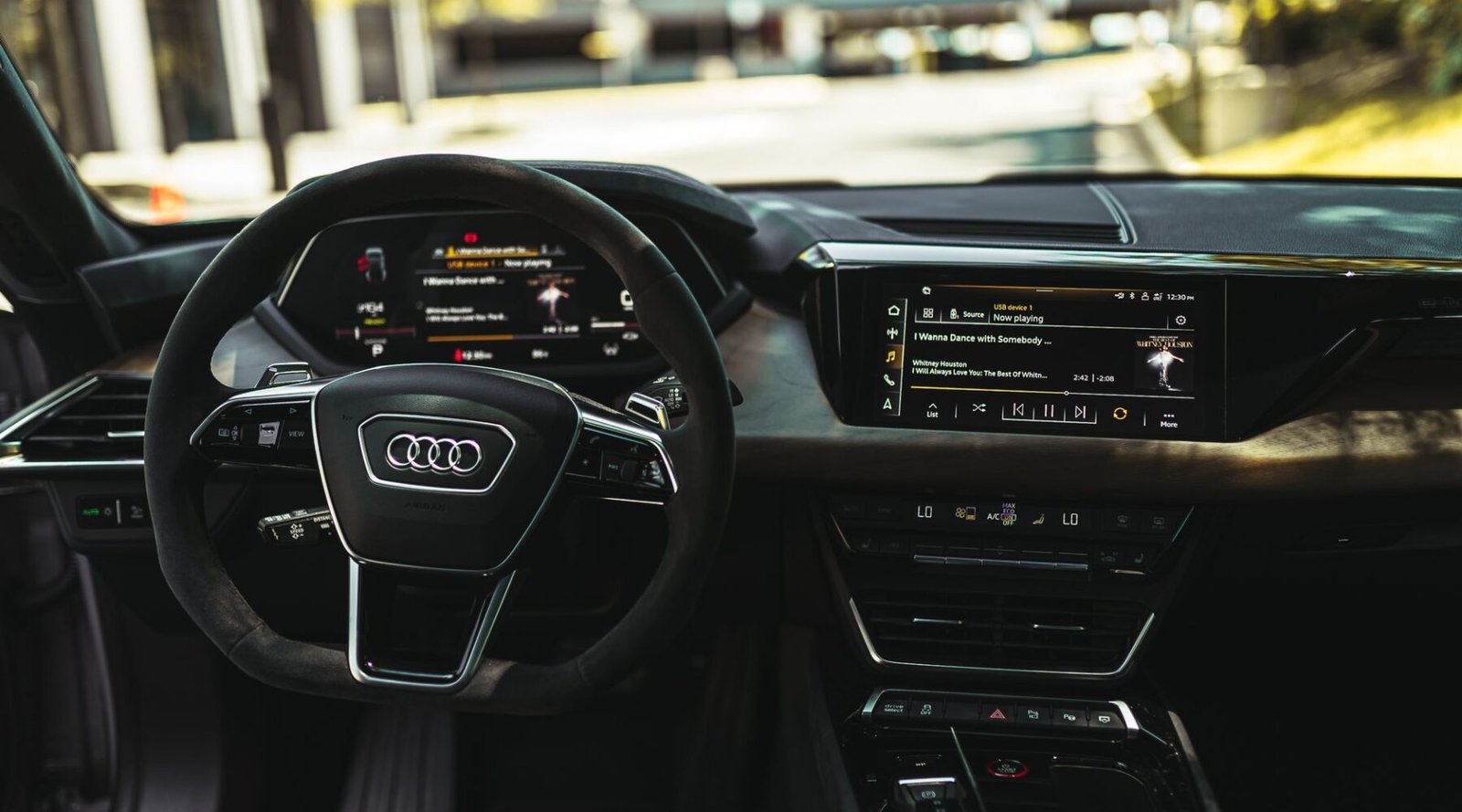
The trend toward touchscreen-only interiors in modern vehicles has sparked significant debate among automakers and consumers alike. While these sleek interfaces offer a futuristic aesthetic and promise advanced functionality, many manufacturers are now rethinking this approach. They are beginning to recognize that exclusive reliance on touchscreens can detract from the driving experience and compromise safety. As the automotive industry evolves, the need for a balanced approach that combines technology with driver engagement is becoming increasingly clear.
Functionality vs. distraction
One of the most pressing issues with touchscreen-only interfaces is the question of functionality versus distraction. Touchscreens, while visually appealing, require drivers to take their eyes off the road to operate them effectively. This is particularly concerning in complex driving situations where quick reactions are crucial. Research has shown that even a brief glance away from the road can significantly increase the risk of accidents.
Many automakers are now exploring alternatives that enhance usability while minimizing distraction. Physical controls, such as knobs and switches, allow drivers to adjust settings without diverting their attention from the road. For example, volume and climate controls that can be operated by touch alone may lead to fumbling and frustration, especially in challenging driving conditions. By integrating tactile feedback and physical controls, automakers can create a more intuitive and safer driving environment.
Driver preferences and ergonomics
Consumer preferences are another critical factor driving the reconsideration of touchscreen-only interiors. Surveys have shown that a significant portion of drivers prefer the familiarity and tactile nature of physical controls. Many users find that they can operate knobs and buttons with minimal visual focus, allowing them to keep their attention on the road.
Furthermore, ergonomics plays a vital role in vehicle design. Reaching for a touchscreen can be less comfortable than adjusting a nearby knob, particularly for drivers of varying heights and body types. Automakers are beginning to understand that an ergonomic design that accommodates diverse user needs can enhance overall satisfaction and comfort. By blending touchscreen technology with traditional controls, manufacturers can cater to a broader audience.
Safety regulations and guidelines
The growing emphasis on safety within the automotive industry has also influenced the move away from touchscreen-only interiors. Regulatory bodies and safety organizations are increasingly scrutinizing in-car technology for its potential to distract drivers. As a result, automakers are under pressure to develop solutions that prioritize driver focus and minimize distractions.
For instance, the National Highway Traffic Safety Administration (NHTSA) has begun to issue guidelines encouraging the use of physical controls in vehicles. These guidelines highlight the importance of maintaining driver engagement and reducing cognitive load. By adhering to these safety standards, manufacturers can not only enhance user safety but also improve their market competitiveness.
Technological advancements in hybrid interfaces
The rise of hybrid interfaces is another trend that reflects the automotive industry’s shift away from touchscreen-only design. Automakers are leveraging advancements in technology to create systems that combine touchscreens with voice recognition, gesture control, and other intuitive features. These hybrid interfaces can provide users with multiple ways to interact with their vehicles, allowing them to choose the method that best suits their needs at any given moment.
Voice recognition technology, for example, is becoming increasingly sophisticated. Drivers can issue commands without taking their hands off the wheel or their eyes off the road. This technology can complement touchscreen interfaces, providing a seamless experience that prioritizes safety and ease of use. As automakers continue to innovate, we can expect to see more vehicles equipped with these hybrid systems that enhance driver engagement and satisfaction.
Future trends in automotive design
As the automotive landscape evolves, the future of vehicle interiors will likely reflect a more balanced approach between technology and user experience. The rethinking of touchscreen-only interiors marks a significant shift in design philosophy, emphasizing the need for functionality, safety, and driver preference.
In the coming years, we can anticipate a greater emphasis on user-centric designs that prioritize safety, comfort, and convenience. This may include a return to physical controls for essential functions, combined with advanced touchscreen technology for navigation and entertainment. By embracing a multi-faceted approach to interior design, automakers can create vehicles that not only look modern but also provide a superior driving experience.
In conclusion, as automakers navigate the challenges of modern vehicle design, the move away from touchscreen-only interiors represents a commitment to enhancing safety and usability for drivers.
Related reading: Why Automakers Are Racing to Bring Back the Manual Transmission, and Tariffs and trade policy reshaping car prices. For an outside reference on this topic, see Reuters' autos and transportation coverage.