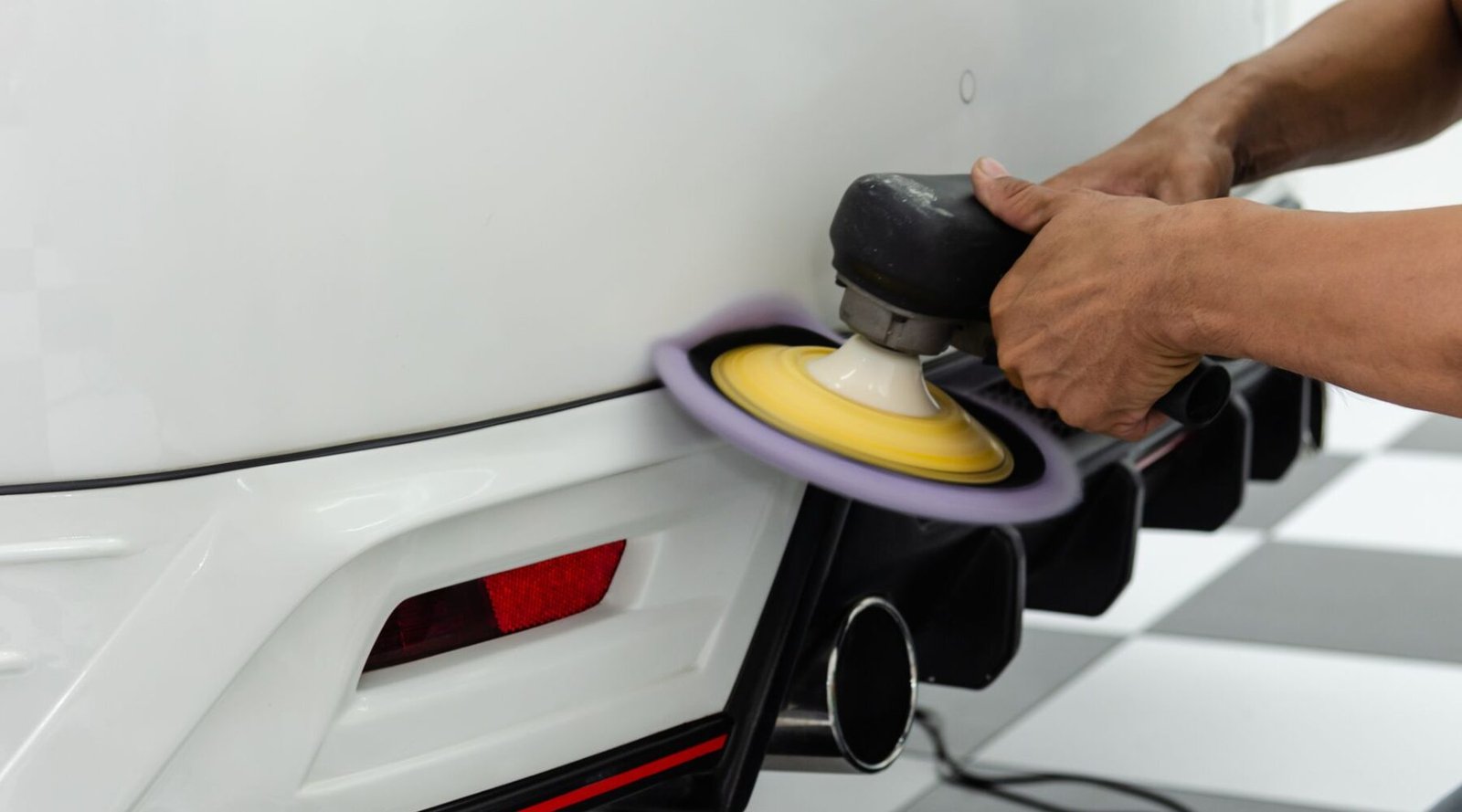
A quality bumper is a critical component of any vehicle, serving both aesthetic and functional purposes. The bumper is designed to absorb impact during minor collisions, protecting the vehicle’s structure and its occupants. As automotive safety standards evolve, the emphasis on quality bumpers has never been more significant.
The role of bumpers in vehicle safety
At the heart of automotive design lies the bumper, which plays a pivotal role in maintaining passenger safety. Bumpers are engineered to absorb kinetic energy during collisions, minimizing damage to the vehicle and reducing the risk of injury to occupants. While they may seem like simple structures, the design and materials used in bumpers are a testament to the ongoing advancements in automotive engineering.
Materials used in quality bumpers
The materials that make up a bumper can significantly influence its performance. Traditionally, bumpers were constructed from steel, which provided robust protection but often added considerable weight to vehicles. Today, manufacturers are increasingly turning to advanced materials such as thermoplastics, aluminum, and composites. These materials not only reduce weight for improved fuel efficiency but also enhance the bumper’s ability to absorb impact.
Steel bumpers
Steel bumpers offer durability and strength, making them a popular choice in heavier vehicles, such as trucks and SUVs. They can withstand significant impacts and provide a rugged look that appeals to many consumers. However, their weight can negatively affect a vehicle’s fuel efficiency and handling.
Plastic and composite bumpers
Modern vehicles frequently incorporate plastic and composite bumpers due to their lightweight nature and cost-effectiveness. These materials allow for greater design flexibility and can be molded into various shapes and styles, enabling manufacturers to create aesthetically pleasing designs that align with brand identity. Furthermore, advancements in plastic technology have led to the development of materials that can withstand extreme temperatures and UV exposure, ensuring longevity.
Design considerations for quality bumpers
Design is crucial when it comes to quality bumpers. The shape, size, and contour of a bumper can affect not only its aesthetic appeal but also its performance in an accident. Bumpers must also comply with safety regulations set forth by governing bodies, such as the National Highway Traffic Safety Administration (NHTSA) in the United States. These regulations dictate the minimum performance standards for bumpers, including the ability to absorb energy and resist deformation during collisions.
Integration with vehicle systems
Modern bumpers are often designed to integrate with advanced vehicle systems, such as sensors for parking assistance and collision avoidance. This integration poses additional challenges for manufacturers, as bumpers must be engineered to accommodate these technologies without compromising safety or performance. Quality bumpers are designed with these systems in mind, ensuring that all components work seamlessly together.
The importance of testing and certification
Quality control is essential in the manufacturing of bumpers. Rigorous testing and certification processes are implemented to ensure that bumpers meet safety standards. Manufacturers conduct crash tests under various conditions to evaluate how well a bumper absorbs impact and protects occupants. These tests provide valuable data that informs design improvements and contributes to enhanced safety standards across the industry.
Crash test ratings
Crash test ratings play a significant role in consumer decision-making. Organizations such as the Insurance Institute for Highway Safety (IIHS) and NHTSA provide ratings based on extensive testing, helping consumers understand how well a vehicle, including its bumper, performs in safety tests. A high rating can influence purchasing decisions and reflects a manufacturer’s commitment to safety.
Aftermarket bumpers: quality versus cost
While original equipment manufacturer (OEM) bumpers are designed with specific safety and design standards, many consumers turn to the aftermarket for replacement bumpers. Aftermarket bumpers can vary widely in quality and price. It is essential for consumers to research and select options that meet safety standards and provide adequate protection for their vehicle. Cheap, low-quality bumpers may save money upfront but can compromise safety and performance.
Choosing the right aftermarket bumper
When selecting an aftermarket bumper, consumers should consider factors such as material, warranty, and compliance with safety regulations. Researching reputable manufacturers and reading customer reviews can help ensure that a replacement bumper meets quality standards. Additionally, consulting with professionals or trusted auto repair shops can provide guidance on making informed choices.
The future of bumper technology
The automotive industry is continuously evolving, and the future of bumper technology looks promising. Innovations in materials science and engineering are paving the way for bumpers that are lighter, stronger, and more efficient. Researchers are exploring the use of smart materials that can adapt to impact conditions, providing enhanced protection without adding weight. Additionally, advancements in autonomous vehicle technology may influence bumper design as vehicles become more capable of avoiding collisions altogether.
Conclusion: the integral role of quality bumpers
In conclusion, a quality bumper is essential for vehicle safety, performance, and aesthetics. As technology advances and consumer expectations rise, the importance of high-quality bumpers will only continue to grow. From the materials used to the design considerations and testing processes, every aspect of bumper manufacturing is crucial to ensuring that vehicles meet safety standards and provide peace of mind for drivers and passengers alike. When purchasing a vehicle or replacing a bumper, understanding the significance of quality bumpers can lead to better choices and increased safety on the road.
The impact of bumper technology on pedestrian safety
While the primary function of a bumper is to absorb impact during a collision, advancements in bumper technology are increasingly focusing on pedestrian safety. This shift stems from a growing recognition that vehicle design must account for the well-being of not only occupants but also vulnerable road users such as pedestrians and cyclists.
Modern bumpers are being engineered with materials and designs that minimize injury risk during low-speed impacts. For instance, manufacturers are exploring energy-absorbing foam materials that can compress upon impact, thereby dissipating energy more effectively than traditional plastic. Some bumpers now feature active systems that deploy upon sensing a collision, further mitigating the force transferred to a pedestrian.
European regulations have begun to reflect this shift, mandating that new car models meet specific pedestrian protection standards.
An example of innovative bumper design can be seen in the new Volvo models, which utilize a unique design that incorporates a flexible structure at the front of the vehicle. This design allows the bumper to deform and absorb energy when a pedestrian is struck, reducing the severity of injuries. The Volvo system is complemented by sensors that detect proximity to pedestrians, activating safety measures even before a potential impact occurs.
Additionally, the integration of technology such as pedestrian detection systems is becoming more common in modern vehicles. These systems use cameras and radar to identify pedestrians in the vehicle’s path and can initiate emergency braking if a collision is imminent. The effectiveness of these systems is significantly enhanced when paired with advanced bumper designs that prioritize pedestrian safety.
Moreover, the conversation surrounding bumper technology and pedestrian safety is expanding to include discussions about urban design and vehicle size. Larger vehicles, such as SUVs and trucks, pose a greater risk to pedestrians, prompting calls for regulations that address vehicle height and bumper design. Initiatives in urban planning now advocate for vehicle categories that account for their interaction with pedestrians, leading to potential future legislation that could mandate design adjustments for larger vehicles.
Research has shown that pedestrian fatalities increase significantly with vehicle size, emphasizing the need for manufacturers to adapt their designs for safety.
As consumers become more aware of safety features, there is also a growing demand for transparency in bumper performance ratings. Organizations like the Insurance Institute for Highway Safety (IIHS) are beginning to evaluate and publish data on pedestrian impacts based on bumper designs, helping consumers make informed decisions when purchasing vehicles. This trend is expected to continue, pushing manufacturers to prioritize pedestrian safety in their design and engineering processes.
Ultimately, the evolution of bumper technology reflects broader changes in automotive safety philosophy. As the industry shifts towards a more holistic view of safety that encompasses all road users, the role of bumpers in protecting pedestrians will become increasingly significant. This advancement not only enhances the safety of vulnerable road users but also contributes to the overall perception of vehicle manufacturers as responsible and safety-conscious entities in an era where social responsibility is paramount.
Advancements in materials and their impact on bumper safety
The automotive industry has seen significant advancements in materials technology, and the evolution of bumper design is no exception. Traditional bumpers were primarily made from steel or reinforced plastic, which provided a basic level of safety during low-speed collisions. However, as safety standards have evolved, manufacturers have begun to adopt more sophisticated materials that not only enhance protection but also contribute to overall vehicle performance and efficiency.
One notable development is the use of thermoplastic olefins (TPO) and other composite materials in bumper construction. These materials offer a combination of lightweight properties and high energy absorption capabilities. For instance, a TPO bumper can reduce the overall weight of the vehicle, which directly impacts fuel efficiency without compromising safety. In crash tests, TPO bumpers have demonstrated superior performance by deforming in a controlled manner during impact, thereby dissipating energy more effectively than their steel counterparts.
Moreover, the integration of advanced materials such as carbon fiber and aluminum alloys is becoming more common in luxury and performance vehicles. These materials provide greater strength-to-weight ratios, allowing for slimmer bumper designs that still meet safety regulations. A case in point is the use of aluminum in the bumpers of high-end models like the Audi A8, which achieves a balance between lightweight construction and robust safety features. Such innovations not only enhance crashworthiness but also align with the industry’s push towards sustainability by reducing the overall material footprint.
“The shift towards advanced materials is not just about safety; it’s about redefining performance standards in the automotive sector.”
In addition to the materials themselves, the methods of bumper construction have also evolved. Techniques such as injection molding and blow molding enable manufacturers to create more complex shapes that can better absorb impact forces. This is evident in the design of modern bumpers that incorporate crumple zones—areas that are engineered to deform in a collision to absorb energy. These zones are strategically designed using computer-aided engineering simulations to ensure optimal performance across various impact scenarios.
Furthermore, the incorporation of smart technologies into bumpers is on the rise. Sensors embedded within bumpers can detect impending collisions and activate safety mechanisms, such as automatic braking or airbag deployment. This adds a proactive layer of safety that complements the physical design of the bumper itself. Companies like Tesla have pioneered this integration with their vehicles, showcasing how advanced bumpers can work in conjunction with other safety technologies to enhance overall vehicle protection.
As regulations continue to tighten and consumer expectations evolve, the focus on bumper safety will likely lead to further innovations. The industry is already exploring options such as biodegradable materials that maintain performance without contributing to environmental degradation. The future of bumper design will not only prioritize safety but also sustainability, ensuring that vehicles are equipped with protective features that are both effective and eco-friendly.
In conclusion, the advancements in materials and construction techniques are redefining the role of bumpers in automotive safety. As manufacturers invest in research and development to explore new possibilities, consumers can expect to see increasingly sophisticated designs that provide enhanced protection without sacrificing performance or environmental responsibility.
Material innovation and design in bumper safety
The effectiveness of automotive bumpers extends beyond their basic function of absorbing impact. Recent advancements in materials science and engineering design have significantly enhanced bumper performance, making vehicles safer for occupants and pedestrians alike. Understanding the interplay between material choice and structural design is crucial for grasping how modern bumpers contribute to overall automotive safety.
Traditionally, bumpers were constructed from steel or aluminum, which, while strong, often resulted in high weight and limited energy absorption capabilities. However, the automotive industry has increasingly adopted advanced composite materials, such as thermoplastic polymers and reinforced composites. These materials not only reduce weight but also improve energy dissipation upon impact. For instance, manufacturers like Ford and General Motors have integrated high-density polyethylene (HDPE) and polypropylene into their bumper designs, which effectively absorb and disperse energy during collisions, thereby minimizing damage to the vehicle and enhancing passenger safety.
Moreover, the design of bumpers has evolved to incorporate crumple zones and energy-absorbing structures. Crumple zones are strategically engineered sections of a vehicle that deform in a collision, absorbing energy and reducing the force transferred to passengers. Modern bumpers often feature multi-layer designs that include an outer cosmetic layer, an energy-absorbing foam layer, and a rigid reinforcement layer. This multi-faceted approach allows for tailored responses to different impact scenarios, such as low-speed collisions with other vehicles or high-impact strikes with stationary objects.
“The integration of smart materials into bumper design could revolutionize automotive safety by adapting to varying impact forces in real time.”
As the industry progresses, the concept of smart materials is gaining traction. These materials can change their properties in response to environmental conditions or stresses. Imagine a bumper that stiffens upon detection of an impending collision, thus enhancing its protective capabilities. Researchers are currently exploring the use of shape-memory alloys and self-healing polymers, which could lead to bumpers that not only respond dynamically to impacts but also repair themselves after minor collisions, maintaining vehicle integrity and safety over time.
Another aspect worth noting is the regulatory environment surrounding bumper design and performance. Governments and safety organizations have stringent standards regarding bumper effectiveness, particularly concerning pedestrian safety. The European Union, for example, has implemented regulations that require bumpers to minimize injury risk to pedestrians during low-speed impacts. This has led to innovative designs that focus on creating softer, more forgiving bumpers that can absorb impact energy without transferring it to the pedestrian. Such regulations push manufacturers to innovate while balancing safety, aesthetics, and cost.
Ultimately, the evolution of bumper technology reflects a broader trend in the automotive industry towards enhanced safety features. By prioritizing advanced materials and innovative design strategies, manufacturers are not only meeting regulatory demands but are also paving the way for safer vehicles. As consumers, understanding these developments can help us make more informed choices when purchasing vehicles, ensuring that safety is a top priority in our automotive experiences.
Related reading: Budgeting for car maintenance: annual costs explained, and 10 warning signs your car needs immediate maintenance. For an outside reference on this topic, see NHTSA's vehicle resources.