The best electric cars for long road trips in 2026 combine impressive range, rapid charging capabilities, and advanced technology to ensure a smooth travel experience. As electric vehicle (EV) technology continues to evolve, manufacturers are realizing the importance of catering to long-distance travelers. In this article, we will explore the models that stand out in 2026, highlighting their strengths and what makes them ideal for extended journeys.
Understanding long road trips in 2026
Long road trips pose unique challenges for electric car owners. Range anxiety, which refers to the fear of running out of battery power far from a charging station, is a significant concern. However, advancements in battery technology and the expansion of charging infrastructure are making long-distance EV travel increasingly feasible. In 2026, many electric vehicles now offer ranges that rival or exceed traditional gasoline vehicles, making them well-suited for road trips.
Criteria for choosing the best electric cars
When evaluating the best electric cars for long road trips, several factors come into play:
- Range: The distance an EV can travel on a single charge is paramount. Models with at least 300 miles of range are preferred for long trips.
- Charging speed: Fast charging capabilities can significantly reduce downtime during a road trip. Look for vehicles that support DC fast charging.
- Comfort and space: A spacious interior and comfortable seating are crucial for long hours on the road.
- Technology features: Advanced infotainment and driver assistance systems can enhance the driving experience.
- Cost of ownership: Assess the total cost of ownership, including charging costs, maintenance, and depreciation.
Tesla Model S Long Range
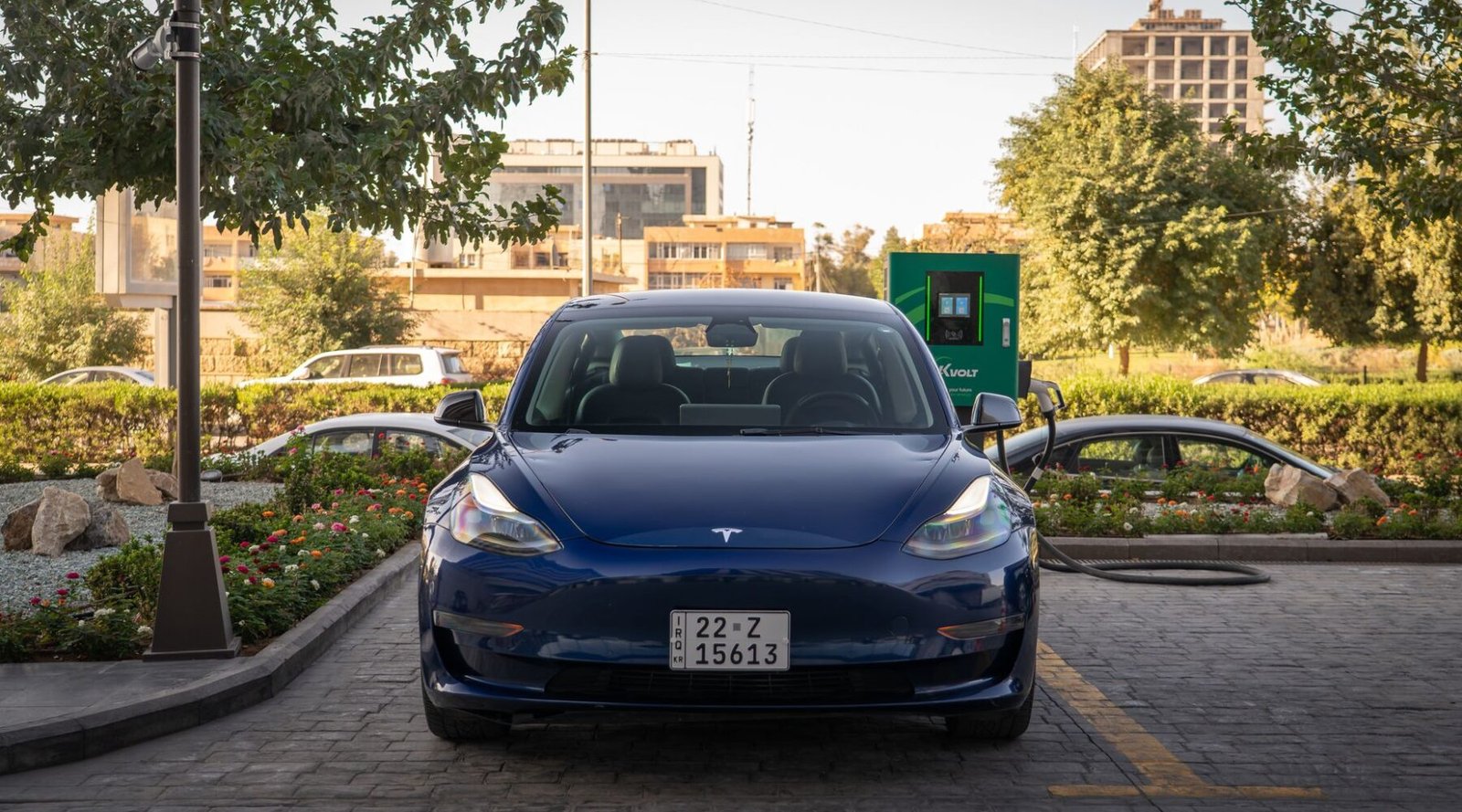
The Tesla Model S Long Range remains a top contender for long road trips in 2026. With an EPA-estimated range of over 400 miles, this all-electric sedan can take you across states without frequent stops. Its Supercharger network, which continues to expand, provides rapid charging capabilities, allowing drivers to recharge up to 200 miles of range in about 15 minutes.
Inside, the Model S boasts a minimalist design with a roomy cabin and premium materials. The advanced infotainment system features a large touchscreen interface, providing navigation, music, and many driver-assistance features. The Model S also excels in performance, offering rapid acceleration and a smooth ride, making it a joy to drive on long trips.
Ford Mustang Mach-E
The Ford Mustang Mach-E is an all-electric SUV that strikes a balance between performance and practicality. With a range of up to 300 miles depending on the configuration, it is suitable for long-distance travel. The Mach-E supports DC fast charging, which can provide approximately 61 miles of range in around 10 minutes.
Comfort is a strong point of the Mach-E, with spacious interior options and the latest technology features, including Ford’s SYNC 4 infotainment system. The vehicle also offers multiple drive modes, allowing for a customizable driving experience. With its sporty performance and family-friendly design, the Mustang Mach-E stands out as a versatile option for road trips.
Hyundai Ioniq 6
Hyundai’s Ioniq 6 is a sleek electric sedan that offers impressive aerodynamics and efficiency. With a range of approximately 360 miles on a single charge, it is well-suited for long journeys. The Ioniq 6 can be charged at rapid charging stations, achieving 10% to 80% charge in about 18 minutes under optimal conditions.
Inside, the Ioniq 6 features a spacious cabin with high-quality materials and a user-friendly infotainment system. The vehicle incorporates advanced driver-assistance systems, enhancing safety during long trips. Its blend of range, efficiency, and comfort makes it an attractive option for travelers.
Rivian R1T
The Rivian R1T is an all-electric pickup truck designed for adventure. With an estimated range of up to 400 miles, it is perfect for those who seek outdoor excursions. The R1T supports fast charging and comes with unique features such as a camp kitchen and gear storage, catering to road-trippers who enjoy camping and outdoor activities.
Comfort is paramount in the R1T, with spacious seating and advanced technology integration. The vehicle also offers all-wheel drive, making it capable of handling various terrains. For those looking to explore off the beaten path during long road trips, the Rivian R1T is an excellent choice.
Lucid Air Dream Edition
The Lucid Air Dream Edition is a luxury electric sedan that sets new standards for range and performance. With a staggering range of up to 500 miles, it tackles long-distance travel with ease. The Lucid Air is equipped with ultra-fast charging capabilities, allowing drivers to add significant range in a short time.
Inside, the Lucid Air offers a spacious, high-end interior with cutting-edge technology. The infotainment system is designed for ease of use, and the vehicle includes numerous advanced driver-assistance features. The Lucid Air Dream Edition combines luxury with practicality, making it a standout option for long road trips.
Chevrolet Bolt EUV
The Chevrolet Bolt EUV is an affordable electric crossover that provides a commendable range of approximately 250 miles. While it may not have the same range as some competitors, its value and practicality make it a worthy option for road trips. The Bolt EUV supports DC fast charging, allowing for quick top-ups along the journey.
Inside, the Bolt EUV offers a comfortable cabin with user-friendly technology. With spacious rear seating and a decent cargo area, it is a great choice for families or groups traveling together. Its affordability and functionality make it an appealing option for those looking to explore without breaking the bank.
Nissan Ariya
The Nissan Ariya is a stylish electric SUV that offers a range of up to 300 miles. It features a sleek design and spacious interior, making it a comfortable choice for long journeys. The Ariya supports fast charging, providing a practical solution for those on the road.
Equipped with advanced technology, including Nissan’s ProPILOT Assist, the Ariya enhances driver confidence during long trips. The vehicle’s spacious cabin and ample cargo space make it suitable for families and adventurers alike. With its combination of style, comfort, and technology, the Nissan Ariya is a strong contender for road trips.
Volkswagen ID.4
The Volkswagen ID.4 is a compact SUV that represents Volkswagen’s foray into the electric vehicle market. With a range of approximately 260 miles, it is a practical option for long road trips. The ID.4 supports fast charging, ensuring minimal downtime during travels.
Inside, the ID.4 features a modern design with a spacious cabin and intuitive technology. The vehicle includes a suite of driver assistance features, enhancing safety and convenience during long drives. Its balance of range, comfort, and technology makes the Volkswagen ID.4 a solid choice for road trips.
Conclusion
In 2026, the electric vehicle market is more equipped than ever to handle long road trips. With advancements in battery technology and charging infrastructure, drivers can confidently embark on extended journeys. The vehicles mentioned in this article all offer unique features that cater to long-distance travel, ensuring comfort, convenience, and reliability. Whether you prioritize range, technology, or luxury, there is an electric car suited to your road trip needs.
Understanding charging networks for road trips
When planning long road trips in electric vehicles (EVs), understanding the charging infrastructure along your route is as crucial as the vehicle’s range. In 2026, the landscape of EV charging networks has evolved significantly, with advancements in both technology and accessibility. Here’s what you need to know.
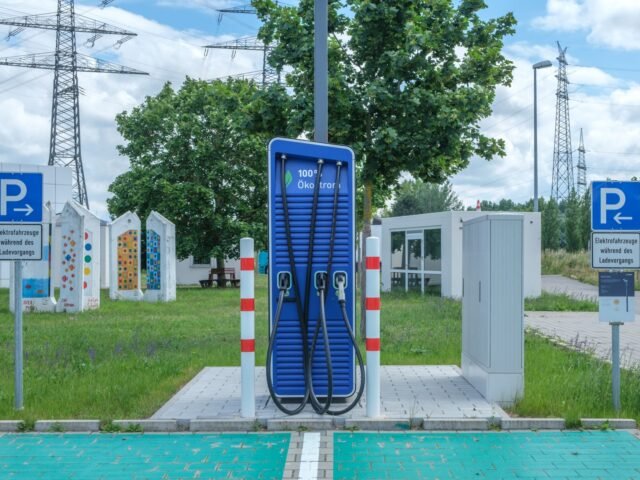
One of the most important factors to consider is the type of charging stations available. Most electric cars can utilize Level 2 chargers, which are common at public charging stations and provide a decent charge in a couple of hours. However, for long-distance travel, DC fast chargers are essential. These chargers can restore 80% of a vehicle’s battery in about 30 minutes, making them ideal for quick stops during road trips. Major networks like Electrify America, ChargePoint, and Tesla’s Supercharger network have expanded their reach and capabilities. For instance, as of 2026, Electrify America has added over 800 new charging stations across the U.S., many equipped with ultra-fast chargers capable of delivering up to 350 kW.
Another key aspect to consider is the integration of real-time charging availability into navigation systems. Many electric vehicles now come with in-car navigation that not only maps the best route but also shows the current status of charging stations along the way. Apps like PlugShare and A Better Route Planner (ABRP) provide live updates on charger availability, helping drivers avoid long waits. For example, drivers can plan their stops based on the expected charging times at each station, allowing for more efficient travel.
It’s essential to be aware of the charging network’s compatibility with your vehicle. Some EVs are limited to certain charging networks or types of chargers. For instance, while Tesla’s Superchargers are primarily designed for Tesla vehicles, many newer EVs from manufacturers like Ford and Volkswagen can utilize public charging networks through adapters. Make sure to research your vehicle’s compatibility with available networks to avoid unexpected issues on the road.
“In 2026, the convenience of charging accessibility can make or break your road trip experience. Be strategic in planning your route based on charging locations, types of chargers, and real-time availability to ensure a smooth journey.”
Additionally, charging speed can vary significantly between different locations. Urban areas tend to have more fast-charging stations, while rural areas may be limited to slower chargers. Planning routes that factor in charging station density is vital. For instance, if you are traveling through the Midwest, you might find that while the region is sparsely populated, it also has a growing number of charging stations along major highways like Interstate 70.
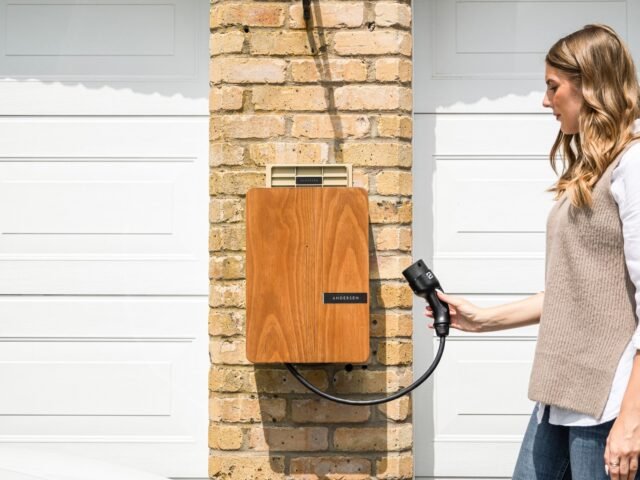
Finally, consider the growth of destination chargers. Many hotels, restaurants, and shopping centers are increasingly offering charging stations for their customers. This trend not only provides a convenient way to charge your vehicle while you rest or explore but can also make a road trip more enjoyable. For example, if you’re traveling to a national park, check for accommodations that provide EV charging, allowing you to charge overnight while you enjoy your stay.
Overall, understanding and planning for the charging infrastructure in 2026 is essential for a successful electric road trip. By leveraging the advancements in charging technology, real-time data, and the growing network of charging stations, you can ensure that your long journeys are as seamless as possible.
Exploring charging networks and range management
One of the most critical aspects of long road trips in electric vehicles (EVs) is the availability and reliability of charging infrastructure. As the electric vehicle market matures, so do the networks that support them. In 2026, several automakers and third-party companies are investing heavily in expanding charging options, enhancing the convenience of long-distance travel.
When planning a road trip, it is essential to consider not only the range of your vehicle but also the charging stations available along your route. For instance, Tesla’s Supercharger network remains a benchmark, offering fast charging solutions at strategic points across the United States and Europe. In 2026, Tesla plans to increase the number of Supercharger stations by 30%, enabling quicker and more efficient stops during long trips. Moreover, the introduction of V4 Superchargers will reduce charging times even further, with capabilities to add 300 miles of range in just 15 minutes.
However, Tesla is not the only player in the charging game. Companies like Electrify America and ChargePoint are expanding their networks, focusing on highways and popular travel routes. Electrify America, for instance, has set a goal to have over 10,000 charging stations by 2026, with multi-DC fast chargers that can serve a variety of EV models. This expansion allows drivers using non-Tesla EVs, such as the Ford Mustang Mach-E or the VW ID.4, to benefit from similar charging speed and accessibility during their road trips.
Range management is another vital aspect of long road trips. Some EVs in 2026 are equipped with advanced trip planners that optimize routes based on real-time traffic conditions and charging station availability. For example, the Ford F-150 Lightning features a built-in navigation system that calculates the most efficient route, factoring in charging stops and estimated charging times. This proactive approach can save drivers time and reduce range anxiety, ensuring a smoother travel experience.
Additionally, many EVs are incorporating features that allow drivers to monitor their energy consumption in real-time. The Hyundai Ioniq 5, for instance, has a dynamic range estimator that adjusts the predicted range based on driving habits, terrain, and climate control usage. This feature helps drivers make informed decisions about when to charge and how to optimize their driving for maximum efficiency.
“Understanding the charging landscape and managing your EV’s range are crucial for a stress-free long road trip experience.”
As we move into 2026, it’s clear that the EV ecosystem is evolving to meet the needs of road-trippers. With improved charging infrastructure, real-time navigation tools, and enhanced range management systems, electric cars are becoming increasingly viable for long-distance travel. Planning your route with these advancements in mind can transform a potentially stressful journey into an enjoyable adventure, allowing you to focus on the road ahead rather than the range left behind.
In conclusion, whether you choose a Tesla, Ford, or another EV brand, ensuring you are equipped with the latest information on charging networks and range management tools will make all the difference on your next long road trip.
Related reading: The best electric SUVs on the market today, and The best electric cars for winter driving. For an outside reference on this topic, see the Department of Energy's home charging guide.