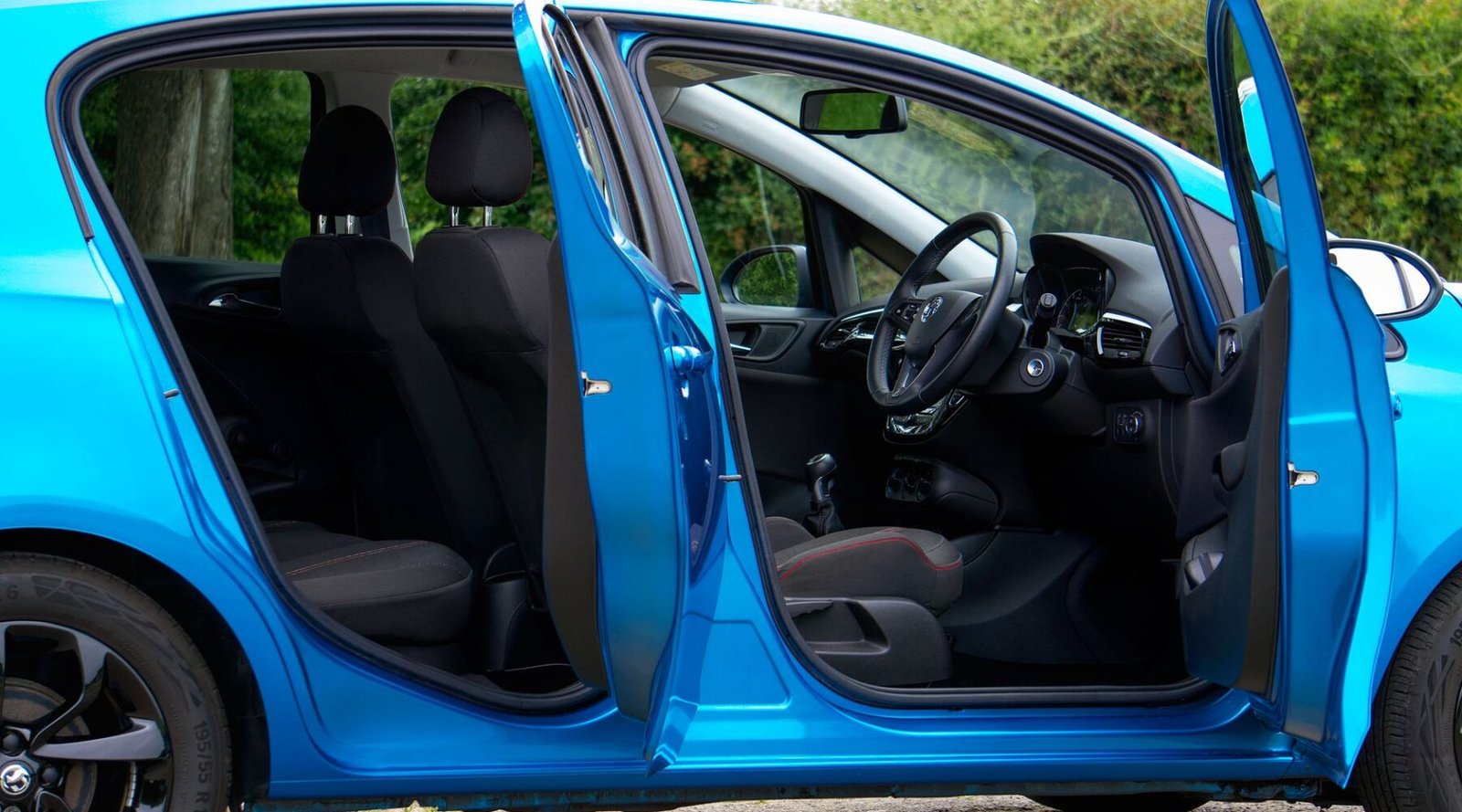
Hatchbacks have long offered the smartest solution for drivers prioritizing utility over image. While compact crossovers dominate sales charts, traditional hatchbacks deliver comparable interior volume, superior driving dynamics, and better fuel economy at a lower price point. A practical hatchback relies on efficient space packaging, ergonomic controls, and low ownership costs. Here are the top contenders that excel in daily functionality.
Honda Civic Hatchback: The space optimization benchmark
The Honda Civic Hatchback sets the standard for cargo packaging in the compact segment. Its liftback design opens up to 24.5 cubic feet of cargo space behind the rear seats. Folding the 60/40 split rear bench expands that capacity dramatically, allowing it to haul bulky items that would stump many small crossovers. Honda achieved this footprint without sacrificing rear passenger legroom, which remains among the most generous in its class.
Under the hood, the standard powertrain options provide a strong balance of responsiveness and efficiency. The available hybrid variant elevates fuel economy significantly while delivering smooth, low-end electric torque. Inside, physical controls for climate functions and logical storage cubbies make the cabin functionally superior for everyday commutes.
Toyota Corolla Hatchback: Uncompromising efficiency
For drivers whose definition of practicality centers on long-term mechanical reliability and minimal fuel bills, the Toyota Corolla Hatchback remains a standout choice. While its rear cargo hold of 17.8 cubic feet is smaller than the Civic, the space is usable and easy to load due to a low liftover height.
The Corolla shines in mechanical simplicity and total cost of ownership. Powered by an efficient naturally aspirated engine or an ultra-frugal hybrid powertrain, it yields exceptional real-world mileage. Standard active safety equipment and proven mechanical components ensure that routine maintenance stays predictable across years of heavy service.
Practicality is defined by how well a vehicle simplifies daily ownership, from cargo flexibility to long-term operational costs.
Mazda 3 Hatchback: The refined alternative
The Mazda 3 Hatchback approaches utility through a lens of interior quality and all-weather capability. It offers 20.1 cubic feet of cargo space behind the rear seats, paired with a cabin that rivals entry-level luxury vehicles in material choice and cabin quietness.
While rear-seat knee room is tighter than its main competitors, the Mazda 3 compensates with available all-wheel drive. This feature makes it particularly practical for northern drivers who require winter traction without moving up to a taller, heavier crossover. It serves as an ideal choice for practical buyers who refuse to sacrifice driving engagement or cabin refinement for cargo capability.
Evaluating the true value of the hatchback
Choosing the right hatchback comes down to identifying specific daily demands. Buyers needing maximum cargo capacity will find the Civic unmatched. Those prioritizing low running costs and proven dependability should lean toward the Corolla. Drivers seeking all-weather traction and premium interior touchpoints will be best served by the Mazda 3. Each demonstrates that a well-designed hatchback offers all the real-world utility most drivers need, packaged in a more efficient vehicle than an equivalent crossover.
Cargo versatility and innovative storage solutions
For practical drivers, the hatchback’s design lends itself not only to efficiency in fuel consumption but also to versatility in cargo space. Many hatchbacks today are designed with innovative storage solutions that cater to various lifestyles, making them ideal for those who require more than just passenger capacity.
Take the Honda Civic Hatchback, for example. It offers a generous 25.7 cubic feet of cargo space behind the rear seats, which expands to 46.2 cubic feet with the seats folded down. However, what sets it apart is its configurable cargo area. The Civic features a low load floor and a wide opening, allowing for easy loading and unloading of bulky items. Moreover, the rear seats can be folded in a 60/40 split, enabling drivers to carry longer items while still accommodating passengers.
The Volkswagen Golf is another model that excels in maximizing storage capacity. With 22.8 cubic feet of space behind the rear seats, it may not seem like a leader in cargo space at first glance. However, the Golf’s flat load floor and adjustable cargo floor allow users to create different configurations to suit their needs. The optional cargo net and dividers further enhance its usability, ensuring that smaller items stay securely in place during transit.
For those who prioritize outdoor adventures, the Subaru Impreza hatchback offers a roof rail option that extends its practicality beyond the interior. With its standard all-wheel drive and ample cargo room, the Impreza becomes an excellent choice for weekend getaways. The hatchback version also provides 20.8 cubic feet of cargo space, which can be expanded to 55.3 cubic feet, accommodating camping gear or sports equipment with ease.
Electric hatchbacks, like the Hyundai Ioniq 5, are also focusing on cargo versatility. The Ioniq 5 boasts a flat floor and a spacious cabin that, when combined with its 27.2 cubic feet of cargo space, provides a surprisingly roomy feel for both passengers and luggage. Additionally, its front trunk (or frunk) offers an extra 1.0 cubic foot of storage, perfect for items that need to be easily accessible.
While many hatchbacks offer standard cargo solutions, some manufacturers are pushing the envelope with clever storage innovations. The Kia Soul, for instance, has a unique boxy design that allows for an impressive 24.2 cubic feet of cargo space. Its rear seats can be folded down in a flat manner, but what truly sets it apart is the variety of hidden storage compartments throughout the vehicle. From under-seat drawers to a spacious glove compartment, the Soul caters to drivers who appreciate organization and easily accessible storage.
“Practicality in hatchbacks goes beyond just numbers; it’s about how well the design serves the needs of the driver.”
In conclusion, while cargo space is an essential factor in evaluating hatchbacks, the versatility and innovative storage solutions each model offers can make a significant difference in everyday usability. Choosing a hatchback that aligns with your lifestyle requires careful consideration of how you plan to use the vehicle, and understanding the unique features of each model can help you find the perfect fit for practical driving needs.
Cargo space optimization and versatility
When considering hatchbacks for practical driving, one of the critical aspects that often gets overlooked is the optimization of cargo space and the versatility it offers. While many hatchbacks provide a decent amount of trunk space, the design and functionality of that space can significantly enhance usability for everyday drivers.
A prime example of this is the Honda Civic Hatchback. It features a spacious cargo area that measures around 25.7 cubic feet with the rear seats up, and this expands to over 46 cubic feet when the seats are folded down. However, what sets it apart is the clever design of the cargo floor, which includes a two-tier setup that allows for better organization of items. This means you can keep smaller items secure and easily accessible while maximizing the larger space for bulkier goods.
Similarly, the Volkswagen Golf offers a practical hatchback solution with its adaptable cargo space. It includes a split-folding rear seat arrangement that provides flexibility for larger items without sacrificing the passenger experience. The Golf’s cargo area is also equipped with a low load floor, making it easy to load and unload heavy items, which is a boon for practical drivers who frequently transport groceries, sports equipment, or other bulky goods.
“The versatility of a hatchback is not just about space but how effectively that space can be utilized for day-to-day needs.”
Another noteworthy hatchback is the Ford Focus, which boasts a hatchback variant that emphasizes practical storage solutions. The Focus includes several in-cabin storage options, such as a deep center console and door pockets, complementing its substantial trunk space. The rear seats can fold flat, creating a seamless transition from passenger space to cargo area, which is particularly useful for those spontaneous trips to the hardware store or weekend getaways.
For drivers concerned about eco-friendliness without sacrificing practicality, the Toyota Prius offers a hatchback design that maximizes both fuel efficiency and cargo space. With up to 27.4 cubic feet of cargo space, the Prius is not only efficient on fuel but also surprisingly spacious, especially for a compact vehicle. The rear seats also fold flat, allowing for longer items to be transported, which is a significant advantage for active individuals who may need to carry sports gear or luggage.
In addition to cargo space, practical drivers should consider features that enhance usability, such as adjustable load floors, integrated tie-downs, and rear hatch openings that are easy to access in tight spaces. Vehicles like the Subaru Impreza hatchback stand out in this regard, with a low cargo lift-over height and a wide opening that makes loading and unloading hassle-free. This is particularly important for families or anyone who often finds themselves juggling multiple items, as it reduces the strain of lifting heavy boxes or bags.
Finally, it’s essential to assess how well a hatchback fits into your lifestyle. For urban drivers, the ability to fold down rear seats for larger items while still having enough room for passengers is invaluable. Conversely, those who prioritize cargo space for outdoor activities may lean towards hatchbacks that can accommodate larger gear or equipment. In this regard, the Kia Soul, with its boxy shape and configurable interior, offers remarkable headroom and cargo capacity, making it a versatile choice for those who refuse to sacrifice utility for style.
In conclusion, when selecting a hatchback, it’s imperative to evaluate not just the cargo capacity but also the design features that facilitate easy loading, organization, and versatility. By doing so, practical drivers can find a vehicle that not only meets their commuting needs but also adapts seamlessly to their lifestyle demands.
Advanced safety features in hatchbacks
When considering a hatchback for practicality, safety is paramount. Many modern hatchbacks come equipped with advanced safety technologies that not only enhance driver confidence but also contribute to overall vehicle utility. These features are especially beneficial for families and urban drivers who frequently navigate busy streets.
One standout example is the Toyota Corolla Hatchback, which offers Toyota’s Safety Sense suite. This includes adaptive cruise control, lane departure alert with steering assist, and a pre-collision system that detects pedestrians. These features not only help prevent accidents but also reduce the stress of daily driving in crowded environments.
Another excellent option is the Honda Civic Hatchback, which boasts the Honda Sensing suite. This includes collision mitigation braking, road departure mitigation, and traffic sign recognition. The Civic’s comprehensive safety features have earned it accolades from both the IIHS and NHTSA, making it a smart choice for those prioritizing safety.
For drivers who often find themselves in urban settings, the Hyundai Elantra N Line offers a unique combination of sportiness and advanced safety. Its blind-spot monitoring system and rear cross-traffic alert provide critical assistance when changing lanes or reversing out of tight parking spots. This type of technology is invaluable in cities where space is tight and visibility can be compromised.
“Safety features are no longer just add-ons; they are essential for practical driving in today’s world.”
Moreover, the Mazda3 Hatchback is equipped with i-Activsense, a suite of safety features that includes smart city brake support and a 360-degree view monitor. This feature is especially useful for practical drivers who need to maneuver in and out of tight spaces, as it provides a comprehensive view of the vehicle’s surroundings, minimizing the risk of bumps and scrapes.
Another noteworthy mention is the Subaru Impreza, which comes standard with its EyeSight Driver Assist Technology on all trim levels. This system includes adaptive cruise control and lane keep assist, making it a fantastic option for those who frequently drive long distances or in varied weather conditions. Subaru’s reputation for building safe vehicles is bolstered by the Impreza’s high safety ratings, making it a reliable choice for families.
In addition to these safety technologies, many hatchbacks offer excellent visibility, which is often overlooked in discussions about practical vehicles. The design of hatchbacks typically allows for larger rear windows and higher seating positions, which enhance overall visibility. This aspect is particularly advantageous for new drivers or those transitioning from larger vehicles.
In conclusion, while hatchbacks are celebrated for their practicality and versatility, the integration of advanced safety features elevates their appeal. With options like the Toyota Corolla, Honda Civic, and Subaru Impreza leading the charge, practical drivers can prioritize safety without compromising on style or performance. As the automotive industry continues to innovate, hatchbacks are poised to remain at the forefront of practical driving solutions.
Related reading: The premier luxury cars setting the standard for executive transport, and The definitive lineup of daily drivers for every lifestyle. For an outside reference on this topic, see the EPA's official fuel economy database.