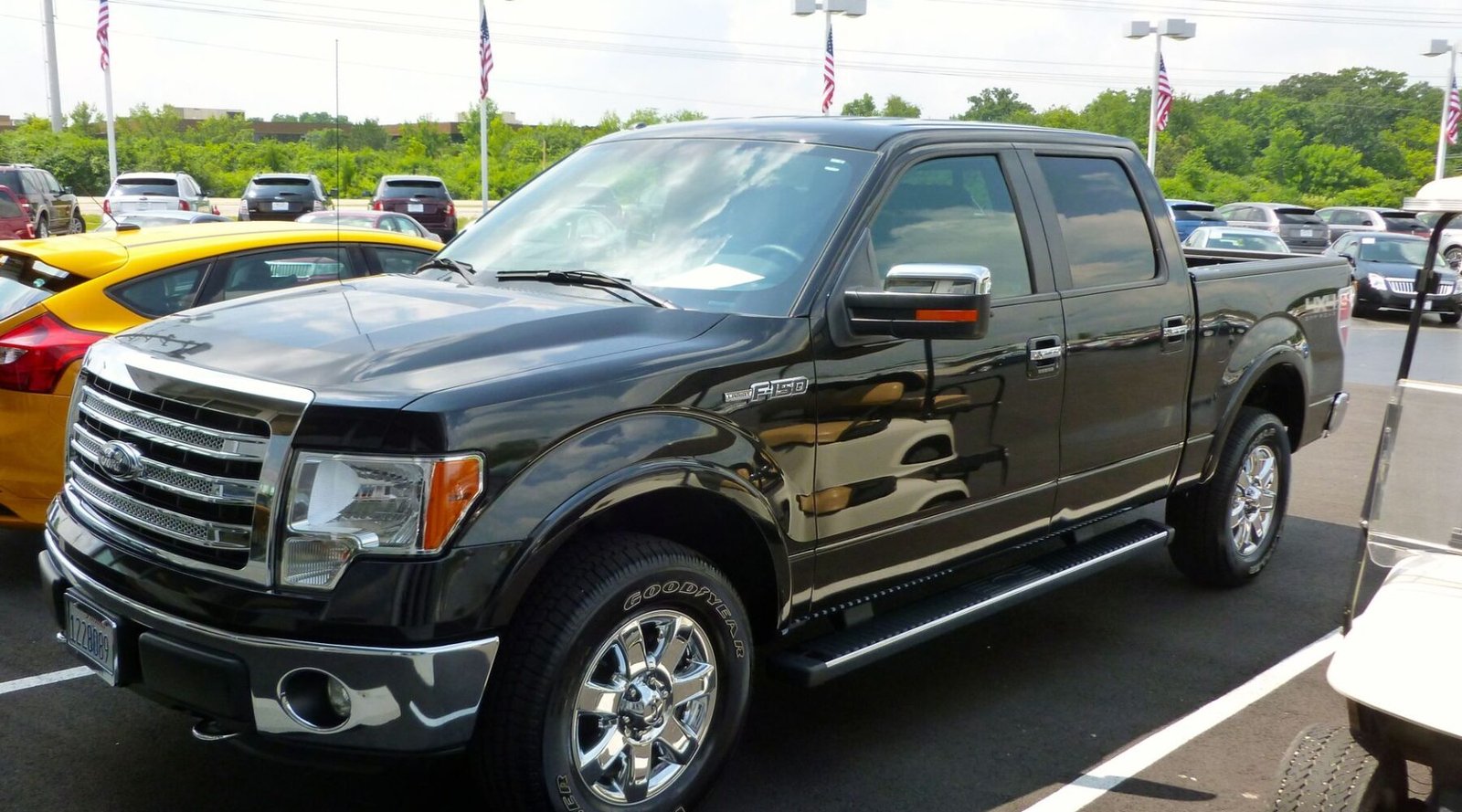
For decades, the full-size pickup segment has been defined by two names: the Ford F-150 and the Chevrolet Silverado 1500. While both manufacturers build exceptional half-ton trucks capable of demanding work and comfortable daily commutes, their underlying engineering philosophies differ noticeably. Choosing between them requires evaluating engine diversity, interior refinement, and practical capability rather than relying on brand loyalty.
Engine diversity and mechanical options
Ford relies heavily on turbocharged EcoBoost engines, offering a 2.7-liter V6, a 3.5-liter V6, a naturally aspirated 5.0-liter V8, and a 3.5-liter PowerBoost full hybrid system. The PowerBoost option is particularly notable, integrating an electric motor with the twin-turbo V6 to deliver strong power alongside the Pro Power Onboard system, which turns the truck into a mobile generator. A ten-speed automatic transmission handles power delivery across the entire range.
Chevrolet takes a broader mechanical approach. The Silverado 1500 line includes a standard TurboMax four-cylinder engine, two naturally aspirated V8s displacing 5.3 and 6.2 liters, and a 3.0-liter Duramax inline-six turbo-diesel. The Duramax diesel stands out in this segment, delivering high low-end torque and impressive highway fuel economy. Chevrolet pairs its higher-end engines with a smooth-shifting ten-speed transmission developed jointly with Ford, though lower trim levels utilize an eight-speed unit.
Interior comfort and onboard technology
Inside the cabin, recent redesigns have elevated both models far beyond traditional work-truck spartanism. Ford prioritizes functional technology and clever ergonomics. Higher trim levels feature a 12-inch central touchscreen running the SYNC 4 software, complete with intuitive menus and crisp graphics. Ford also offers unique conveniences such as a folding gear shifter that creates a flat workspace across the center console.
Chevrolet revamped the Silverado interior to correct previous criticisms regarding material quality and layout. Mid-tier and luxury trims feature a 13.4-inch horizontal touchscreen combined with a 12.3-inch digital gauge cluster. The layout is clean and user-friendly, with physical controls retained for primary climate and audio functions. While Ford still leads slightly in overall material consistency across lower trim levels, Chevrolet matches it in high-end configurations like the High Country.
Towing, payload, and practical utility
In terms of sheer capability, both trucks sit near the top of the half-ton class. Maximum towing figures hover between 13,000 and 14,000 pounds when properly equipped with heavy-duty trailering packages. Ford maintains a slight advantage in maximum payload capacity, aided by its military-grade aluminum-alloy body construction, which reduces overall curb weight compared to the traditional steel bed and cab of the Silverado.
The decision between Ford and Chevrolet comes down to specific operational priorities rather than absolute superiority.
Chevrolet answers with functional bed features, including the optional Multi-Flex tailgate, which configures into six different positions for easier access or bed extensions. The Silverado bed also offers slightly more volume and standard tie-down points than the F-150. For drivers who tow regularly over long distances, the smooth efficiency of the Silverado Duramax diesel is hard to beat. Conversely, buyers seeking integrated job-site power, hybrid efficiency, or higher payload headroom will find the F-150 more aligned with their needs.
Advanced technology features and their implications
In the competitive landscape of half-ton pickups, the Ford F-150 and Chevrolet Silverado are not just benchmarks in terms of performance and durability; they also lead the charge in integrating advanced technology that enhances both functionality and safety. These technological advancements are reshaping how consumers interact with their vehicles, ensuring that drivers are not only connected but also safer on the road.
One of the standout features in the latest iterations of both trucks is the emphasis on driver-assistance technologies. The Ford F-150, for instance, is equipped with Ford Co-Pilot360, a suite of safety features that includes automatic emergency braking, blind-spot monitoring, and lane-keeping assist. These tools aim to reduce accidents and enhance the driving experience. Similarly, the Chevrolet Silverado offers its own Advanced Trailering System, which includes features like an in-vehicle app that allows users to monitor trailer connections and adjust settings directly from the driver’s seat.
Beyond safety, these trucks utilize technology to improve overall efficiency and performance. The F-150’s available Pro Power Onboard feature transforms the truck into a mobile generator, providing up to 7.2 kW of power for tools and equipment. This innovation supports a variety of uses, from job sites to tailgating, and speaks to the truck’s versatility. The Silverado counters with its own Multi-Flex Tailgate, which not only provides easier access to the bed but also offers multiple configurations to enhance loading and unloading capabilities.
“These technological advancements are not merely add-ons; they are essential tools that redefine what a pickup truck can do in everyday life.”
Another area where both the F-150 and Silverado excel is in connectivity. The integration of advanced infotainment systems, such as Ford’s SYNC 4 and Chevrolet’s Infotainment 3, ensures that drivers can stay connected regardless of where they are. Features like smartphone integration, navigation, and voice recognition make it easier for drivers to access information and communicate while minimizing distraction. Both systems are designed to work seamlessly with popular apps, making them indispensable for the tech-savvy consumer.
Moreover, the advent of over-the-air (OTA) updates marks a significant shift in how vehicles are maintained and improved. Ford and Chevrolet continue to invest in this technology, allowing owners to receive software updates for performance improvements, new features, and even fixes without needing to visit a dealership. This capability not only enhances customer satisfaction but also extends the life and capabilities of the vehicle.
As both manufacturers continue to innovate, they are also looking towards the future of electric vehicles (EVs) in the pickup segment. The Ford F-150 Lightning and Chevrolet Silverado EV are prime examples of how each brand is adapting to the growing demand for electric options. By incorporating electric powertrains, these trucks promise to offer not only reduced emissions but also the instant torque and performance that traditional gas engines provide. This shift signifies a pivotal moment in the pickup market, where electrification and traditional capabilities converge.
In conclusion, the Ford F-150 and Chevrolet Silverado are more than just benchmarks for performance and utility; they are leaders in technological innovation that cater to the needs of modern consumers. From advanced safety features to connectivity and the promise of electric futures, these trucks are redefining the expectations of what a half-ton pickup can be, ensuring they remain at the forefront of the market for years to come.
Technological advancements shaping pickup performance
In recent years, both the Ford F-150 and Chevrolet Silverado have embraced cutting-edge technology to enhance not only performance but also fuel efficiency and safety. These advancements reflect a significant shift in how consumers view the capabilities of half-ton pickups beyond their traditional roles as workhorses.
One of the most notable innovations is the integration of advanced driver-assistance systems (ADAS). Both manufacturers have equipped their models with features such as adaptive cruise control, lane-keeping assist, and automatic emergency braking. These systems leverage a range of sensors and cameras to provide a safer driving experience, particularly for those who frequently tow or haul heavy loads. For example, the Ford Co-Pilot360 technology suite in the F-150 offers features like Pro Trailer Backup Assist, which simplifies the often daunting task of reversing with a trailer, allowing drivers to control the trailer’s direction with a knob.
The Silverado, on the other hand, has introduced the Chevrolet Infotainment System, which includes a built-in navigation system that can provide real-time traffic updates and route optimization specifically designed for towing. This is particularly useful for drivers who need to ensure they are taking the most efficient routes to minimize fuel consumption while transporting heavy loads.
Moreover, both vehicles have made strides in improving fuel efficiency through the use of lightweight materials and advanced powertrains. The F-150 utilizes high-strength aluminum alloy in its body construction, which reduces overall weight without sacrificing durability. This weight reduction contributes to better fuel economy, especially with the available EcoBoost engines that provide a balance of power and efficiency. The 3.5-liter EcoBoost V6, for instance, offers impressive torque while achieving competitive fuel economy ratings, making it a popular choice among buyers.
Similarly, the Silverado has integrated a Dynamic Fuel Management system in its V8 engines, allowing the engine to deactivate cylinders when full power is not needed. This means that drivers can enjoy V8 performance without the constant fuel drain associated with traditional V8 engines. The combination of these technologies means that both the F-150 and Silverado not only meet the demands of consumers but also address increasing environmental concerns.
Electric powertrains are also on the horizon, marking another pivotal shift in the pickup segment. Ford has announced the all-electric F-150 Lightning, which aims to redefine what a pickup can offer, combining the utility of a traditional truck with the benefits of electric mobility. The Lightning boasts impressive torque, rapid acceleration, and the capability to serve as a power source for tools and even homes during outages. Similarly, Chevrolet has introduced the Silverado EV, which is expected to feature a range of cutting-edge technology, including a 400-mile range on a single charge and flexible cargo solutions that cater to modern consumer needs.
As technology continues to evolve, both the F-150 and Silverado demonstrate that pickups are no longer just about raw power but also about smart, efficient, and safe driving experiences.
In summary, the advancements in technology found in the Ford F-150 and Chevrolet Silverado not only enhance performance and fuel efficiency but also elevate the overall driving experience. By integrating these innovations, both trucks are setting new standards in the half-ton pickup segment, attracting a broader audience that values both practicality and modern conveniences.
Technological advancements in performance and safety
In the competitive landscape of half-ton pickups, the Ford F-150 and Chevrolet Silverado have not only set benchmarks in terms of power and capability but have also integrated advanced technology that significantly enhances both performance and safety. These innovations are crucial as they address the evolving needs of consumers who demand more from their vehicles.
Ford has taken the lead with its F-150 by implementing a range of engine options that include a turbocharged V6 and a hybrid variant. The 3.5-liter EcoBoost engine, for instance, offers impressive towing capacity while maintaining fuel efficiency that rivals some smaller vehicles. This engine delivers 400 horsepower and 500 lb-ft of torque, making it a standout option for those who require both power and efficiency. Additionally, the introduction of the PowerBoost Hybrid engine further expands the F-150’s appeal by providing an electric motor that assists with acceleration and enables the vehicle to run on electric power alone for short distances.
On the other hand, the Chevrolet Silverado has responded with its own innovative approaches, particularly in the realm of safety features. The Silverado is available with an advanced suite of driver-assistance technologies, including forward collision warning, automatic emergency braking, and adaptive cruise control. These systems not only enhance the driving experience but also instill confidence in drivers who often navigate challenging conditions while towing or hauling heavy loads.
Both manufacturers have also made strides in connectivity, recognizing that modern consumers expect seamless integration with their digital lives. Ford’s SYNC 4 infotainment system features a user-friendly interface with over-the-air updates, allowing owners to keep their software current without the hassle of dealership visits. The system supports wireless Apple CarPlay and Android Auto, ensuring that drivers can access navigation, music, and communication apps with ease.
Chevrolet’s Infotainment 3 system offers similar capabilities, with a focus on customizable home screens that allow drivers to prioritize the information most relevant to them. Furthermore, the Silverado’s available 4G LTE Wi-Fi hotspot ensures that passengers remain connected on the go, a critical feature for work crews or families on road trips.
“Technological advancements are not just about bells and whistles; they are essential for enhancing the driving experience and safety of modern pickups.”
As these technological advancements continue to evolve, the rivalry between the F-150 and Silverado pushes both brands to innovate further. For instance, Ford’s introduction of a fully electric F-150, the F-150 Lightning, marks a significant shift towards sustainability in the pickup segment. This model boasts impressive performance metrics, including a 0-60 mph time in the mid-four-second range, while also offering features like Pro Power Onboard, which turns the truck into a portable generator.
Meanwhile, Chevrolet is not resting on its laurels; the forthcoming all-electric Silverado EV is set to challenge the market with its own performance capabilities and innovative features, including a range that exceeds 400 miles on a full charge. This proactive approach from both manufacturers demonstrates their commitment to adapting to future demands and setting new standards for half-ton pickups.
In conclusion, the ongoing technological advancements in the Ford F-150 and Chevrolet Silverado are defining modern half-ton pickups in ways that extend beyond traditional metrics of power and payload. By prioritizing performance and safety through cutting-edge technology, both brands are not just meeting consumer expectations but are also paving the way for the future of pickup trucks.
Related reading: The most capable compact crossovers for family transport, and The hidden physics of tire pressure and vehicle dynamics. For an outside reference on this topic, see Consumer Reports' car-buying advice.



1 Response