Toyota Highlander gas mileage: what to expect
The Toyota Highlander is a midsize SUV known for its spacious interior, advanced technology, and solid performance. One of the critical factors that potential buyers consider is gas mileage, which can significantly impact long-term ownership costs and driving habits. Understanding the gas mileage for the Toyota Highlander helps buyers make informed decisions when selecting their vehicle.
Key takeaways
- The Toyota Highlander offers competitive gas mileage for its class.
- Hybrid and gas models provide different efficiency options.
- Understanding driving conditions can impact real-world fuel economy.
Understanding the Highlander’s gas mileage ratings
The gas mileage of the Toyota Highlander varies based on the model year, engine type, and drivetrain configuration. In recent models, the Highlander offers a standard V6 engine, which balances power and efficiency. The gas mileage for the 2023 Toyota Highlander is approximately 21 miles per gallon (mpg) in the city and 29 mpg on the highway, resulting in a combined average of around 24 mpg. These figures are competitive within the midsize SUV category, especially considering the Highlander’s size and capabilities.
Hybrid variant: improved efficiency
For those prioritizing fuel economy, the Toyota Highlander Hybrid presents an attractive option. The hybrid variant utilizes a combination of a 2.5-liter four-cylinder engine and an electric motor to enhance efficiency. The 2023 Highlander Hybrid achieves an estimated 36 mpg combined, with 36 mpg in the city and 35 mpg on the highway. This significant improvement in fuel efficiency makes the hybrid model an appealing choice for environmentally conscious consumers and those who frequently drive in urban settings.
Factors influencing real-world gas mileage
While EPA ratings provide a guideline for expected fuel economy, real-world mileage can differ based on several factors. Driving conditions, terrain, and personal driving habits all play a role in determining actual gas mileage. For instance, city driving typically results in lower fuel efficiency due to frequent stops and starts, while highway driving can yield better results as vehicles maintain steady speeds. Additionally, factors such as tire pressure, vehicle load, and maintenance can significantly impact performance.
The impact of trim levels on gas mileage
The Toyota Highlander is available in various trim levels, each offering different features and options. Higher trims may come with additional weight due to luxury features and larger wheels, which can affect overall gas mileage. However, these differences are often minimal, and buyers can expect similar fuel efficiency across most trims. The availability of all-wheel drive (AWD) versus front-wheel drive (FWD) also influences gas mileage, with FWD typically offering slightly better fuel economy due to reduced weight and friction.
Driving style and its influence on fuel efficiency
Your driving style can have a significant impact on the Highlander’s gas mileage. Aggressive driving, characterized by rapid acceleration and hard braking, can lead to decreased fuel efficiency. Conversely, adopting smooth acceleration, anticipating traffic flow, and maintaining a steady speed can help maximize gas mileage. Utilizing cruise control on highways can also contribute to better fuel economy by helping maintain a constant speed.
Seasonal effects on gas mileage
Gas mileage can also be affected by seasonal changes. For example, cold weather can cause engines to run less efficiently, leading to reduced fuel economy. In colder months, it is not uncommon for drivers to experience a drop in gas mileage due to increased engine load from heating systems and the lower efficiency of cold engines. Additionally, using winter tires may introduce additional rolling resistance, further impacting overall efficiency.
Maintenance practices for optimal fuel economy
To achieve the best possible gas mileage from your Toyota Highlander, regular maintenance is essential. Keeping the engine well-tuned, changing the oil at recommended intervals, and ensuring the air filter is clean can improve overall performance. Tire maintenance, including rotation and proper inflation, is also crucial, as under-inflated tires can increase rolling resistance and negatively impact fuel efficiency. Following the manufacturer’s guidelines for maintenance can help owners maintain optimal gas mileage throughout the vehicle’s lifespan.
Interested in This Car?
If you are considering this vehicle, you can check its current availability, pricing and purchase options from the seller.
Conclusion: weighing the Highlander’s gas mileage and performance
In summary, the Toyota Highlander offers competitive gas mileage across its lineup, particularly with the hybrid variant that provides impressive efficiency for a midsize SUV. By understanding the factors that influence gas mileage and implementing good driving and maintenance practices, owners can maximize their fuel economy. Whether you are drawn to the Highlander’s spacious interior, advanced technology, or robust performance, its fuel efficiency is an important aspect to consider as you evaluate this versatile SUV for your driving needs.
Interested in This Car?
If you are considering this vehicle, you can check its current availability, pricing and purchase options from the seller.
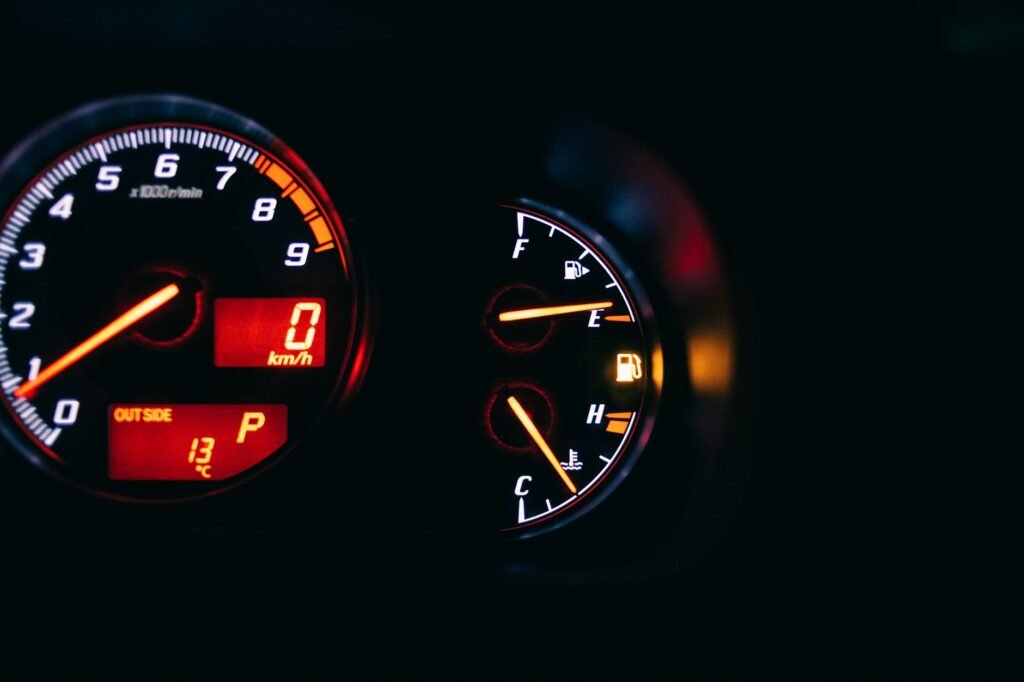
Understanding real-world fuel efficiency
While manufacturers provide official mileage estimates for the Toyota Highlander, real-world fuel efficiency can differ significantly based on various factors. Understanding these nuances helps potential buyers set realistic expectations and make informed decisions.
One key aspect affecting gas mileage is driving habits. Aggressive acceleration and heavy braking can lead to decreased fuel efficiency. For instance, a driver who frequently accelerates quickly from stops may see mileage drop well below the EPA estimates. Conversely, adopting smoother driving techniques, such as gradual acceleration and maintaining a steady speed, can enhance fuel economy.
Another important factor is the vehicle’s load. The Highlander is designed to accommodate families and gear, but carrying excess weight can negatively impact gas mileage. For example, a fully loaded Highlander with passengers and cargo may experience a noticeable decrease in efficiency compared to a lightly loaded vehicle. On average, every additional 100 pounds can reduce fuel economy by approximately 1-2 percent.
Tire maintenance also plays a critical role in fuel efficiency. Under-inflated tires increase rolling resistance, which can reduce gas mileage. Regularly checking tire pressure and ensuring they are inflated to the manufacturer’s specifications can enhance performance. Additionally, the type of tires used can make a difference. All-season tires may provide better fuel efficiency compared to off-road tires due to their lower rolling resistance.
“Keeping up with routine maintenance, such as oil changes and air filter replacements, can significantly impact the Highlander’s performance and fuel efficiency.”
Weather conditions are another variable that can affect mileage. Cold weather can lead to increased fuel consumption as the engine takes longer to reach optimal operating temperature. Furthermore, using the vehicle’s heating system can draw additional energy, further impacting efficiency. In contrast, using air conditioning in hot weather can also reduce fuel economy. Understanding these seasonal variances can help drivers adjust their expectations and driving habits accordingly.
For those considering the hybrid variant of the Highlander, there are additional considerations. Hybrid models typically offer better city fuel efficiency due to their ability to run on electric power at lower speeds. However, highway efficiency may not be as impressive compared to traditional gas models. Therefore, assessing typical driving conditions and patterns is crucial when deciding between the standard and hybrid versions.
Lastly, it’s worth noting that geographic location can influence fuel efficiency. Urban areas with frequent stops and starts often result in lower mileage compared to highway driving. Drivers in hilly regions may also see different results due to increased engine strain. Understanding how these factors interplay with the Highlander’s gas mileage estimates can provide a more accurate picture of what to expect in daily use.
In conclusion, while the Toyota Highlander presents commendable fuel efficiency figures, real-world conditions can lead to variations. By being mindful of driving habits, vehicle load, tire maintenance, seasonal changes, and geographic location, drivers can optimize their Highlander’s fuel efficiency and set realistic expectations for their driving experience.
Real-world factors influencing Toyota Highlander fuel efficiency
While the Toyota Highlander’s official EPA ratings provide a baseline expectation for gas mileage, real-world driving conditions often yield different results. Several factors can significantly impact the Highlander’s actual fuel efficiency, and understanding these can help potential buyers make informed decisions.
One crucial aspect is driving style. Aggressive driving, characterized by rapid acceleration and hard braking, can reduce fuel efficiency by up to 30% in highway conditions and 40% in city driving. For instance, a Highlander owner who frequently engages in stop-and-go traffic may experience lower mileage compared to one who adopts a more conservative driving approach. Maintaining a steady speed and using cruise control on long highway trips can enhance fuel economy.
Another important factor is load and cargo. The Highlander’s fuel efficiency can be adversely affected by the weight of passengers and cargo. For example, a fully loaded Highlander with five passengers and luggage may consume more fuel than one carrying only the driver. It’s estimated that each additional 100 pounds can decrease fuel economy by about 1-2%. Therefore, for families or those planning road trips, it’s wise to consider how much weight is being added and its potential impact on mileage.
Weather conditions also play a significant role in fuel consumption. Cold temperatures can lead to increased fuel usage as the engine takes longer to reach optimal operating temperature. Additionally, using air conditioning in hot weather can further decrease fuel efficiency. For example, tests have shown that running the AC can reduce gas mileage by 5-25%, depending on driving conditions. Therefore, drivers should be mindful of weather-related impacts and consider alternatives, such as venting the vehicle before starting or using the AC judiciously.
Furthermore, tire maintenance is a key yet often overlooked factor. Properly inflated tires not only enhance safety but also improve fuel efficiency. Under-inflated tires can result in a 0.3% decrease in fuel economy for every 1 psi drop in the average pressure of all tires. Regularly checking tire pressure and ensuring they are within the manufacturer’s recommended range can help maintain optimal fuel efficiency.
Lastly, the choice of driving terrain cannot be ignored. Highlander owners living in hilly or mountainous areas may experience lower fuel economy due to the increased effort required from the engine to climb inclines. In contrast, flat and open highways typically yield better mileage. Understanding one’s typical driving environment can provide additional insights into what sort of gas mileage to realistically expect.
In summary, while the Toyota Highlander offers competitive fuel efficiency ratings, real-world factors such as driving style, load, weather, tire maintenance, and terrain can all significantly influence actual performance. Being aware of these variables can empower drivers to optimize their Highlander’s fuel economy and align expectations with their driving habits.
Understanding hybrid options and their efficiency
The Toyota Highlander offers a hybrid variant that significantly enhances fuel efficiency compared to its traditional gasoline counterpart. For those considering a Highlander, understanding the differences in gas mileage between the standard and hybrid models can be crucial, especially for families or individuals with high mileage requirements.
The 2023 Toyota Highlander Hybrid boasts an impressive EPA-estimated fuel efficiency of 36 mpg in the city and 35 mpg on the highway, which is a notable improvement over the gas-only model that achieves approximately 21 mpg city and 29 mpg highway. This difference translates to substantial savings at the pump, especially for drivers who frequently navigate urban environments where stop-and-go traffic can negatively impact gas consumption.
One of the primary factors contributing to the Highlander Hybrid’s superior gas mileage is its hybrid powertrain. The vehicle combines a 2.5-liter four-cylinder engine with two electric motors, providing not only increased fuel efficiency but also enhanced torque for better acceleration. The hybrid system can operate in electric-only mode for short distances, further optimizing fuel use during low-speed driving situations.
“The Highlander Hybrid is particularly well-suited for families who do a lot of short trips around town, as it can run on electric power alone for most daily commutes.”
For families considering the Highlander Hybrid, it is essential to reflect on driving habits. If your daily routine includes numerous short trips or driving in heavy traffic, the hybrid model could deliver even greater fuel savings. Conversely, if your driving primarily consists of longer highway journeys, the benefits of the hybrid may not be as pronounced, although it still offers better overall efficiency compared to the gasoline version.
It’s also worth noting that the Highlander Hybrid comes equipped with regenerative braking technology, which captures energy typically lost during braking and redirects it to recharge the battery. This feature not only enhances the vehicle’s efficiency but also reduces wear on the brakes, potentially lowering maintenance costs over time.
In addition to fuel economy, potential buyers should consider the overall cost of ownership for the Highlander Hybrid. While the initial purchase price may be higher than that of the gasoline model, the savings on fuel can offset this difference over time. Furthermore, many states offer tax incentives or rebates for hybrid vehicles, which can further reduce the effective purchase price.
“When examining total cost of ownership, it’s essential to account for the fuel savings and possible tax incentives that come with owning a hybrid vehicle.”
In summary, the Toyota Highlander Hybrid represents an appealing option for those prioritizing fuel efficiency without sacrificing space or comfort. Understanding the specific gas mileage figures, driving scenarios, and total cost of ownership can help potential buyers make an informed decision that aligns with their lifestyle and budget. As fuel prices remain volatile, the hybrid variant may provide the economic advantage that many families seek, making it a practical choice in today’s market.
Frequently asked questions
What is the gas mileage for the 2023 Toyota Highlander?
The 2023 Toyota Highlander offers an estimated gas mileage of 21 mpg in the city and 29 mpg on the highway for its gas model. The hybrid variant improves these figures, achieving about 36 mpg combined.
How does driving style affect the Highlander's gas mileage?
Driving style significantly impacts gas mileage. Aggressive acceleration, high-speed driving, and frequent stops can lower fuel efficiency, while smooth acceleration and maintaining a steady speed can help maximize it.
Are there differences in gas mileage between Highlander trims?
Yes, different trims of the Toyota Highlander may offer varying gas mileage due to factors like engine options and weight. Generally, the hybrid models provide better fuel efficiency compared to their gas counterparts.
The bottom line
The Toyota Highlander stands out for its fuel efficiency in the midsize SUV segment. Whether you choose a gas or hybrid model, its mileage is competitive and practical for everyday driving.
Related reading: common problems with the 2013 nissan rogue, and Mercedes Indianapolis: A blend of luxury and performance. For an outside reference on this topic, see NHTSA's vehicle safety resources.