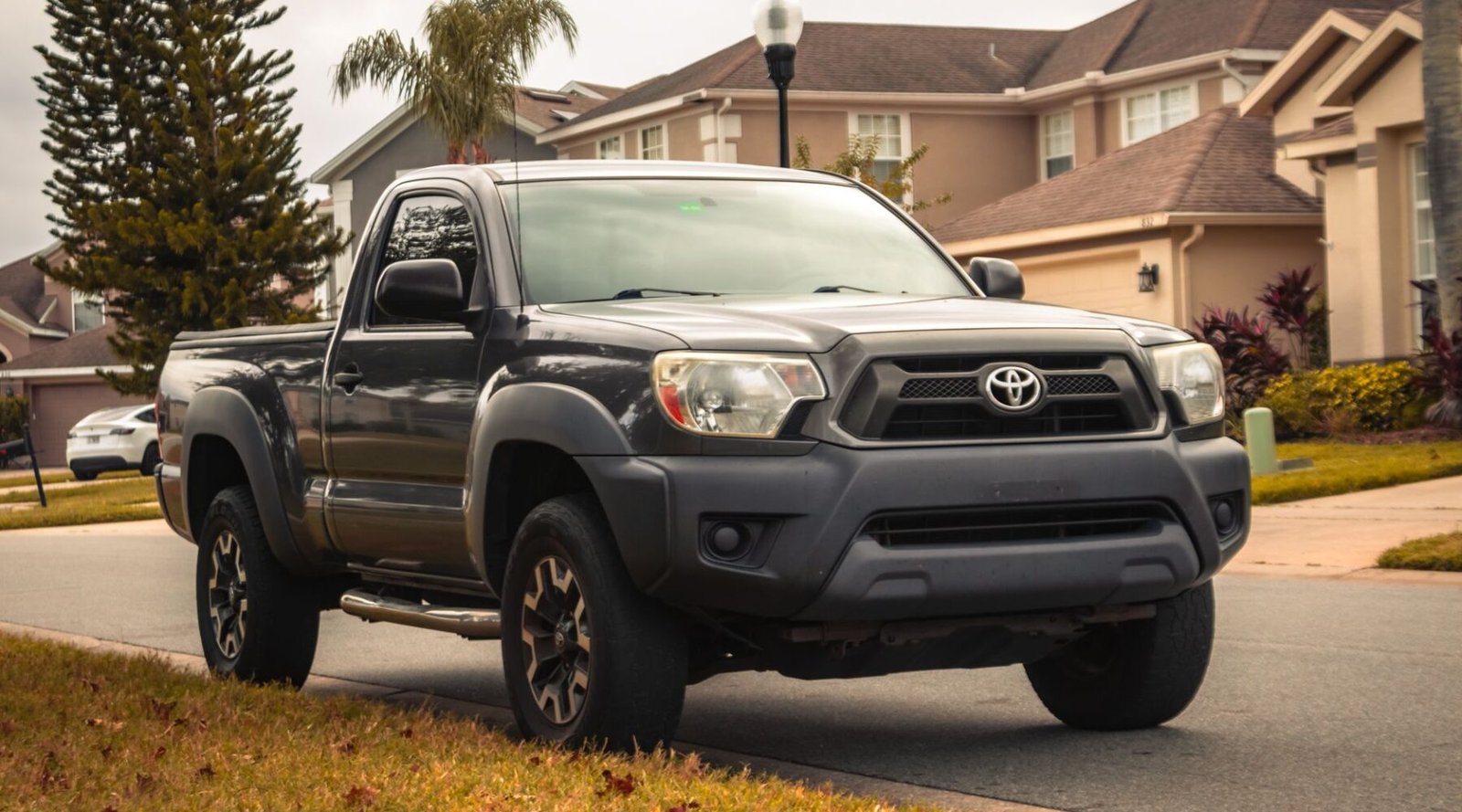
The Toyota Tacoma vs. Ford Ranger debate is a significant one for truck enthusiasts and casual buyers alike. Both of these midsize trucks have carved out their niches in a competitive market, offering unique features, capabilities, and driving experiences. Understanding the distinctions between the Tacoma and the Ranger can help you make an informed choice when considering your next vehicle purchase.
Performance and Engine Options
When evaluating the performance of the Tacoma and Ranger, engine choices play a pivotal role. The Toyota Tacoma offers two engine options: a 2.7-liter four-cylinder engine producing 159 horsepower and a much more robust 3.5-liter V6 generating 278 horsepower. The V6 option is particularly appealing for those who prioritize towing and hauling capabilities.
On the other hand, the Ford Ranger is equipped with a single engine choice: a 2.3-liter EcoBoost four-cylinder that delivers an impressive 270 horsepower and 310 lb-ft of torque. This turbocharged engine provides a blend of power and efficiency, making the Ranger a strong contender in terms of performance. In terms of towing capacity, the Ranger leads the way with a maximum towing capacity of 7,500 pounds, compared to the Tacoma’s 6,800 pounds.
Fuel Efficiency Comparisons
Fuel efficiency is a crucial consideration for many truck buyers, especially those who use their vehicles for daily commuting as well as work. The Toyota Tacoma, particularly with its four-cylinder engine, offers decent fuel economy, averaging around 20 mpg in the city and 23 mpg on the highway. However, the V6 version sees a slight drop, averaging about 18 mpg city and 22 mpg highway.
In contrast, the Ford Ranger boasts better fuel efficiency across the board. With its turbocharged engine, the Ranger achieves approximately 21 mpg in the city and 26 mpg on the highway. This can translate to significant savings over time, particularly for those who drive frequently or for long distances.
Interior Comfort and Technology Features
Interior quality and technology are vital aspects that can sway a buyer’s decision in the Tacoma vs. Ranger debate. The Toyota Tacoma has a reputation for durability and ruggedness, which is reflected in its interior design. It features high-quality materials and a user-friendly layout. The infotainment system includes a 7-inch touchscreen (upgradable to an 8-inch) with standard Apple CarPlay and Android Auto integration, ensuring connectivity on the go.
Conversely, the Ford Ranger offers a more modern and refined interior. The design is spacious and comfortable, with high-quality materials throughout. The standard infotainment system is also a highlight, featuring an 8-inch touchscreen with Ford’s SYNC 3 software, which is known for its responsiveness and ease of use. The Ranger also includes a suite of advanced safety features, including Ford Co-Pilot360, which adds driver-assist technologies to enhance overall safety.
Off-Road Capabilities
For many truck buyers, off-road capabilities are a key factor. The Toyota Tacoma is renowned for its off-road prowess, particularly in the TRD Pro trim, which is equipped with features such as upgraded suspension, skid plates, and all-terrain tires. This makes the Tacoma an ideal choice for serious off-road enthusiasts who seek adventure beyond paved roads.
The Ford Ranger, while also capable off-road, primarily shines in its FX4 Off-Road Package. This package includes equipment like skid plates and off-road tires, but it lacks some of the advanced features found in the Tacoma’s TRD Pro. Nonetheless, the Ranger is competent in a variety of off-road situations, and its robust construction offers peace of mind when tackling rough terrain.
Pricing and Value
Pricing is always a significant consideration when purchasing a new truck. The base model of the Toyota Tacoma starts at approximately $27,000, with higher trims like the TRD Pro reaching upwards of $45,000. This price includes Toyota’s reputation for durability and resale value, which often remains higher than competitors.
In comparison, the Ford Ranger starts at around $26,000, making it slightly more affordable at the entry level. Higher trims like the Lariat can approach $42,000. Ford also offers competitive warranty coverage, ensuring that buyers feel secure in their investment over the long term.
Conclusion: Making the Right Choice
Ultimately, the choice between the Toyota Tacoma and Ford Ranger hinges on individual preferences and priorities. The Tacoma is an excellent choice for those who value off-road capabilities, proven reliability, and a rugged aesthetic. Meanwhile, the Ranger appeals to buyers seeking a modern, fuel-efficient truck with strong towing capacity and an impressive array of technology and safety features.
By weighing the distinct advantages of both trucks, prospective buyers can better determine which model aligns best with their needs, ensuring that their choice in the Toyota Tacoma vs. Ford Ranger debate is well-informed and satisfying in the long run.
Understanding the long-term ownership experience
When considering a truck purchase, it’s essential to look beyond the initial price tag and evaluate the long-term ownership experience. This includes factors like resale value, maintenance costs, and overall reliability. Both the Toyota Tacoma and Ford Ranger have their strengths in these areas, but they cater to different types of owners.
The Toyota Tacoma has a well-established reputation for reliability. Over the years, it has earned consistently high scores in customer satisfaction and dependability. According to J.D. Power, the Tacoma has been recognized multiple times as a top performer in the midsize truck segment for reliability. This reputation translates into a higher resale value, often retaining around 70% of its value after five years, which is significantly higher than average for the segment. For owners planning to keep their truck for several years, the Tacoma’s proven durability can lead to lower overall costs.
On the other hand, the Ford Ranger, while newer to the market compared to the Tacoma, has shown promising signs of reliability. Ford’s updated engineering and technology in the Ranger have addressed many of the previous generation’s criticisms. The Ranger offers a robust turbocharged engine that delivers impressive power and fuel efficiency, which can be a significant advantage for those who prioritize performance and towing capacity. However, as a newer model, it has yet to establish a long-term reliability track record similar to the Tacoma’s.
“Investing in a Tacoma may yield better resale value in the long run due to its reputation for durability and reliability.”
Maintenance costs for both trucks can vary significantly based on usage. The Tacoma typically benefits from lower maintenance costs, partly due to Toyota’s extensive dealer network and availability of parts. Owners often report fewer visits to the shop, making it an economical choice over time. Conversely, while Ford has made strides in improving the Ranger’s reliability, some owners have reported higher-than-expected maintenance costs, particularly when it comes to specific engine components and technology features that require specialized service.
Warranty coverage is another crucial factor in the long-term ownership experience. The Tacoma offers a standard warranty of three years/36,000 miles, with a five-year/60,000-mile powertrain warranty. Ford’s Ranger matches this with a similar three-year/36,000-mile basic warranty but extends the powertrain coverage to five years/60,000 miles as well. This parity means that both vehicles provide substantial peace of mind for new buyers, although the longevity of their respective components in real-world conditions remains a vital consideration.
In terms of community and aftermarket support, the Tacoma benefits from a dedicated enthusiast base that fosters a robust aftermarket scene. This can be a significant advantage for owners looking to customize their trucks or find solutions for specific needs. The Ranger, while it has a growing community, does not yet match the breadth of aftermarket options available for the Tacoma.
“The Tacoma’s stronger aftermarket community can enhance customization options and ownership satisfaction over time.”
In conclusion, the long-term ownership experience for the Toyota Tacoma and Ford Ranger will depend on individual preferences and priorities. For those prioritizing reliability and resale value, the Tacoma stands out. However, for buyers looking for modern technology and performance, the Ranger may appeal more. Evaluating these factors carefully will ensure a more informed decision that aligns with the buyer’s long-term needs and lifestyle.
Real-world ownership experiences: Insights from Tacoma and Ranger owners
When choosing between the Toyota Tacoma and the Ford Ranger, potential buyers often rely on specifications and features. However, real-world ownership experiences can provide critical insights that may influence your decision. Both trucks have their dedicated fan bases, and understanding the day-to-day realities can help you make a more informed choice.
Owners of the Toyota Tacoma frequently praise its reliability and off-road capabilities. Many Tacoma enthusiasts take pride in their vehicles’ long-standing reputation for durability, often noting that their trucks have surpassed 200,000 miles with minimal issues. For example, a Tacoma owner from Colorado shared that their truck not only handled rocky mountain trails with ease but also performed well as a daily driver in snowy conditions. This versatility is a strong selling point for those looking for a truck that can handle both work and play.
“After 150,000 miles, my Tacoma still feels as solid as the day I bought it. I’ve taken it off-road countless times, and it always rises to the occasion.” – Joe, Tacoma Owner
On the flip side, Ford Ranger owners often highlight the truck’s modern technology and comfort. The Ranger has made significant strides in integrating user-friendly tech while maintaining a rugged appeal. For instance, a Ranger owner from Texas noted that the truck’s Ford Co-Pilot360 suite, which includes advanced safety features like adaptive cruise control, adds a layer of convenience during long hauls. This owner also appreciated the spacious interior and ergonomic layout, making long drives far more enjoyable compared to previous vehicles.
“The Ranger’s interior is surprisingly spacious and tech-savvy. It makes the daily commute much more bearable, and I feel safer with the driver assistance features.” – Sarah, Ranger Owner
Fuel economy is another aspect where ownership experiences can differ. Tacoma owners often report that while their trucks may not be the most fuel-efficient, they value the truck’s overall performance and reliability. In contrast, Ranger owners frequently mention superior fuel efficiency as a major benefit, especially for those who use their trucks for commuting as well as weekend adventures. A Ranger owner in California highlighted that their truck averages around 24 MPG in mixed driving, a significant improvement over their previous Tacoma, which averaged closer to 18 MPG.
Maintenance costs are also a crucial factor. Toyota generally has a reputation for lower long-term maintenance costs, with many Tacoma owners reporting fewer trips to the mechanic over time. Conversely, Ford has made strides in improving the Ranger’s reliability, but some owners have experienced issues with specific components, such as the transmission and electrical systems, leading to higher-than-expected repair bills in certain cases.
Lastly, it is essential to consider the resale value. Historically, Tacoma trucks have held their value exceptionally well, often outperforming other midsize trucks in terms of resale. A Tacoma owner shared that they were pleasantly surprised to see their truck retain about 75% of its value after three years, making it a sensible investment. Meanwhile, the Ranger is still carving out its niche in the resale market, with some owners reporting decent retention, but it has not yet matched the Tacoma’s legendary status.
In conclusion, while both the Toyota Tacoma and Ford Ranger offer compelling features and capabilities, the real-world ownership experiences can sway your decision. Whether you prioritize off-road prowess, technology, comfort, or cost of ownership, hearing from current owners can provide valuable perspectives that go beyond the specs and marketing claims. Ultimately, choosing the right truck should align with your lifestyle and the specific use cases that matter most to you.
Off-road capabilities: a closer look
When choosing between the Toyota Tacoma and the Ford Ranger, one of the most pivotal factors is their off-road performance. Both trucks are designed to tackle tough terrains, but they each have unique strengths that cater to different types of adventurers.
The Toyota Tacoma has long been celebrated for its off-road prowess, especially in its TRD Pro trim. This version comes equipped with features like a locking rear differential, multi-terrain select, and crawl control, which enhance its capability on rugged trails. The Tacoma’s approach angle of 35 degrees and departure angle of 26 degrees are impressive, allowing it to navigate steep inclines and declines with ease. Additionally, the Tacoma’s robust frame and durable suspension system are built to withstand the rigors of off-roading.
In contrast, the Ford Ranger offers its own set of advantages, particularly with the FX4 Off-Road Package. This package adds off-road-tuned suspension, skid plates, and a terrain management system that allows drivers to select modes tailored for various conditions, such as mud, sand, or gravel. The Ranger boasts a class-leading approach angle of 27.5 degrees and a departure angle of 24 degrees, which, while slightly less than Tacoma’s, still provides excellent capability for off-road excursions.
“While the Tacoma excels in rock crawling and steep terrain, the Ranger shines in versatility and technology-driven off-road features.”
When it comes to ground clearance, the Tacoma edges out the Ranger with a height of about 9.4 inches versus the Ranger’s 8.9 inches. This difference can be crucial when navigating through deeper ruts or obstacles, giving the Tacoma a slight upper hand in certain off-road scenarios. However, the Ranger’s lightweight design contributes to its agility, making it a more nimble option when traversing less rugged landscapes.
Another important aspect to consider is the availability of aftermarket support and modifications. The Tacoma enjoys a robust aftermarket community, with numerous options for lift kits, bumpers, and other enhancements. This makes it easier for Tacoma owners to customize their vehicles for specific off-road needs. The Ranger, while it has been gaining traction in the aftermarket world, still lags behind the Tacoma in terms of variety and availability.
Real-world experiences also highlight the differences between these two trucks. For instance, Tacoma owners often praise the truck’s reliability and capability in harsh conditions, recalling successful trips through the Moab trails or the Colorado Rockies. In contrast, Ranger drivers frequently note the truck’s responsive handling and comfort during longer off-road drives, thanks to its refined suspension system.
Ultimately, the choice between the Toyota Tacoma and Ford Ranger for off-road adventures boils down to personal preference and intended use. If rock crawling and extreme landscapes are your primary focus, the Tacoma’s rugged build and off-road features may be more appealing. On the other hand, if you’re looking for a balanced truck that performs well in a variety of terrains with modern technology and comfort, the Ranger could be the better fit.
Related reading: The top utility vehicles for heavy hauling and towing duties, and The hidden physics of tire pressure and vehicle dynamics. For an outside reference on this topic, see Consumer Reports' car-buying advice.
1 Response