Transmission whining noise in park can be an unsettling experience for any vehicle owner. Understanding the underlying causes and potential solutions is crucial for maintaining a vehicle’s functionality and longevity.
Key takeaways
- Transmission whining can indicate serious issues.
- Regular maintenance helps prevent transmission problems.
- Identifying symptoms early can save on costly repairs.
Understanding Transmission Noise
Transmission noise can manifest in various forms including whining, grinding, or clunking. When a vehicle is in park, any abnormal sounds can indicate issues that may require immediate attention. Transmission whining noise typically suggests problems within the transmission system that could range from minor to serious.
Common Causes of Whining Noise in Park
There are several reasons why a transmission might produce whining noises when the vehicle is in park. Common causes include:
Low Transmission Fluid
One of the most frequent reasons for transmission noise is low fluid levels. Transmission fluid lubricates the various components of the transmission, and insufficient fluid can lead to increased friction, resulting in whining sounds. Regularly checking fluid levels and maintaining them within the recommended range is essential for optimal performance.
Worn Bearings and Gears
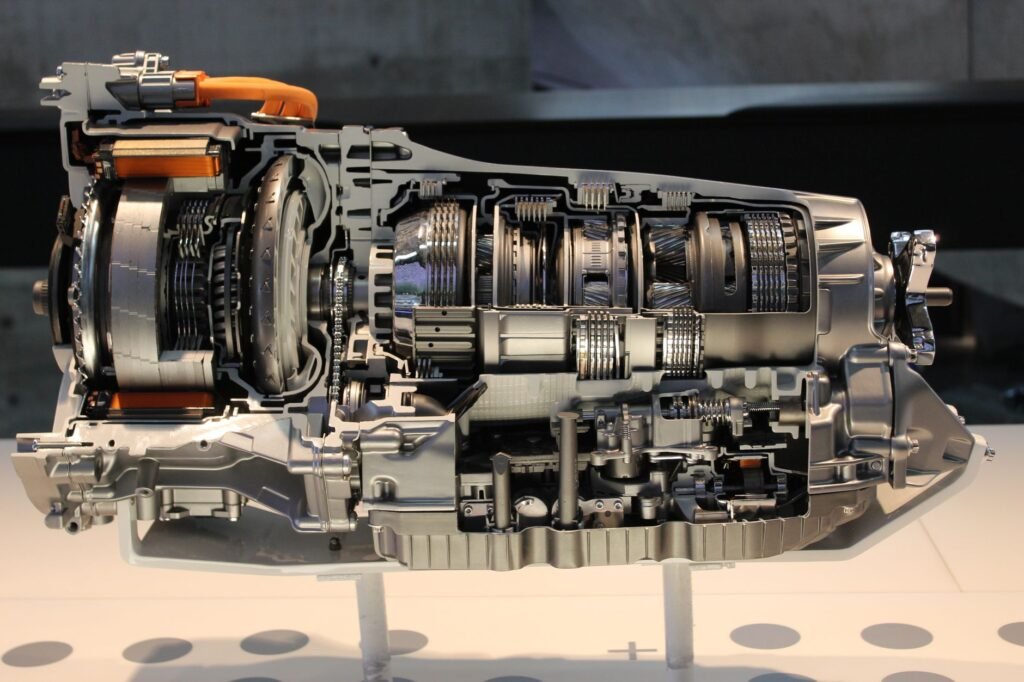
Over time, bearings and gears within the transmission can wear down, leading to a whining noise. This deterioration can be exacerbated by poor maintenance practices or extended usage without proper fluid changes. When bearings wear out, they can no longer provide the necessary support for the gears, causing them to create noise during operation.
Torque Converter Issues
The torque converter plays a critical role in the operation of an automatic transmission. If the torque converter is malfunctioning, it can produce whining noises, especially noticeable when the vehicle is in park. Problems can arise from internal wear, a failing pump, or fluid circulation issues within the converter.
Symptoms Accompanying Whining Noise
In addition to the whining noise itself, other symptoms may accompany transmission issues. These can include:
Difficulty Shifting Gears
If the transmission is struggling and making a whining noise, it may also reflect difficulties in shifting gears. This can manifest as hesitation or slipping when trying to engage different gears. If shifting becomes laborious or jerky, it is crucial to investigate further.
Unusual Smells
Burning smells can indicate overheating transmission fluid, which often accompanies whining noises. If you notice any unusual smells, it is essential to have the vehicle assessed by a professional as soon as possible to prevent severe damage.
Fluid Leaks
Visible fluid leaks under the vehicle can signify a problem with the transmission. If transmission fluid is leaking, it may lead to low fluid levels, exacerbating any existing whining noise. Regularly inspecting under the vehicle can help catch leaks early.
Diagnosing the Issue
Identifying the exact cause of a transmission whining noise requires careful diagnostics. Here are steps to help pinpoint the problem:
Visual Inspection
Start with a visual inspection of the transmission and surrounding areas. Look for signs of leaks, damaged components, or unusual wear on the transmission case. Checking the fluid level and condition is also vital during this process.
Listening for Changes
Pay close attention to when the whining occurs. Is it consistent, or does it change with the vehicle’s speed? Understanding the context of the noise can help in diagnosing its source.
Consulting a Professional
If the source of the noise remains unclear, seeking the expertise of a certified mechanic is advisable. They can perform more in-depth diagnostics, including fluid analysis and component inspections.
Preventative Measures
Preventing transmission whining noise is often possible with proper maintenance practices. Here are some suggestions:
Regular Fluid Changes
Changing the transmission fluid at recommended intervals can help maintain its effectiveness. Fresh fluid ensures optimal lubrication, reducing wear on components and preventing noises from developing.
Routine Inspections
Having the transmission inspected during regular service appointments can catch potential issues before they escalate. Mechanics can evaluate the condition of the fluid, components, and overall transmission health.
Proper Driving Habits
Adopting good driving habits can also contribute to transmission longevity. Avoiding aggressive acceleration and hard braking can reduce stress on the transmission, prolonging its lifespan.
Addressing Whining Noise in Park
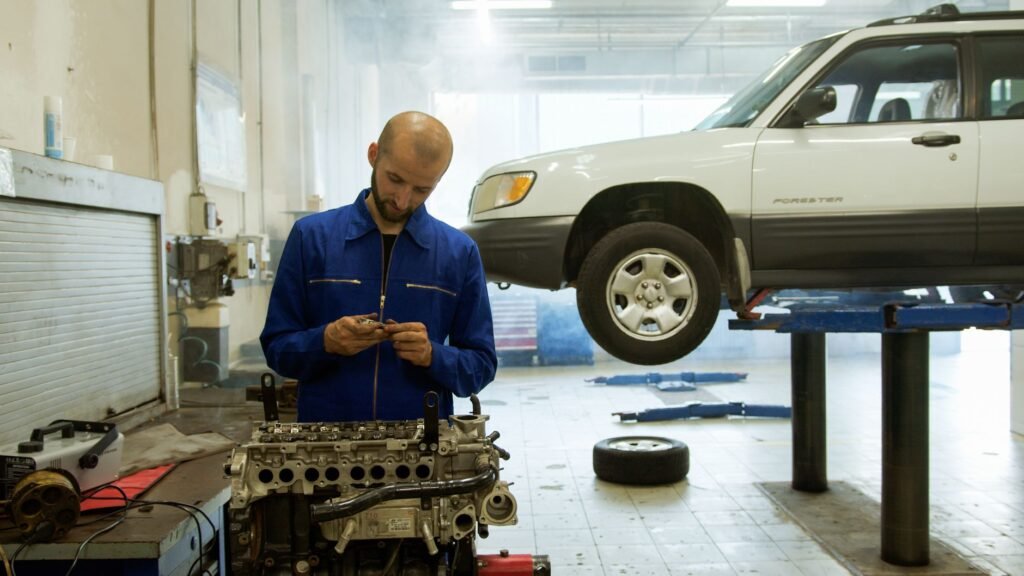
If you are experiencing whining noise from your transmission while in park, addressing the issue promptly is crucial. Ignoring these signs can lead to more extensive damage and costly repairs.
Fluid Top-Up and Replacement
If low fluid levels are identified, topping up or replacing the fluid is a critical first step. Ensure that the correct type of fluid is used, as specified by the manufacturer.
Component Replacement
In cases where worn bearings or gears are responsible for the noise, component replacement may be necessary. This can involve significant labor and parts costs, so obtaining quotes from multiple mechanics can help ensure a reasonable price.
Torque Converter Repair or Replacement
If the torque converter is found to be the source of the whining noise, repair or replacement may be required. This is a more complex and costly repair, and should be handled by professionals with experience in transmission work.
Conclusion
Transmission whining noise in park can be indicative of various issues that require attention. Understanding the causes and symptoms can empower vehicle owners to take action before problems escalate. Regular maintenance and prompt diagnostics are essential in ensuring your vehicle remains in optimal condition. By addressing any changes in your vehicle’s performance or sounds, you can maintain your transmission’s health and extend its lifespan.

Understanding the role of fluid dynamics in transmission noise
When investigating transmission whining noise in park, it is crucial to analyze the fluid dynamics within the transmission system. This noise often stems from several factors, including the quality and condition of the transmission fluid, the design of the fluid pathways, and the interaction between moving parts.
Transmission fluid plays a vital role in lubricating components, transferring power, and maintaining optimal temperatures. Over time, the fluid can degrade due to thermal breakdown, contamination, and moisture intrusion. A study conducted by the Society of Automotive Engineers highlighted that degraded fluid can lead to increased friction between moving parts, resulting in audible whining noises.
“Fluid degradation can significantly alter the acoustic properties of the transmission, amplifying certain frequencies that may have been inaudible under optimal conditions.”
Additionally, the viscosity of the fluid can affect how noise is transmitted through the system. For instance, if the fluid is too thick or too thin, it can lead to improper lubrication and increased wear on gears, causing them to produce whining sounds. Regular fluid changes and using the manufacturer-recommended fluid type can mitigate these issues.
Another critical aspect is the design of the fluid pathways within the transmission. Engineers must consider how fluid flows through the system, as restrictions or turbulence can create noise. For example, certain designs may result in whirlpool effects where fluid circulates erratically, generating unwanted sound. This is particularly evident in older models where the transmission housing may not be optimized for fluid dynamics.
Moreover, the relationship between the gear ratios and the hydraulic pressure can influence the sound profile of the transmission. When the vehicle is in park, the transmission is not actively engaged in driving but still experiences internal pressures that can cause whining noises due to the interaction between components. Understanding the hydraulic circuits and how they function under different conditions can provide insights into diagnosing and addressing these noises.
“Acoustic modeling of transmissions can reveal insights into how various factors contribute to sound generation, enabling more effective solutions.”
For automotive technicians and enthusiasts, performing a thorough inspection of the transmission fluid can be a first step in identifying the source of whining noises. Observing the color, clarity, and smell of the fluid can indicate its condition. A burnt smell or dark coloration often suggests overheating or contamination, which can lead to increased noise levels.
In addition to fluid analysis, utilizing diagnostic tools such as acoustic sensors or vibration analysis equipment can help pinpoint the exact location of the noise. These technologies can capture sound waves and vibrations, allowing for a more precise diagnosis of issues related to fluid dynamics and mechanical interactions within the transmission.
In conclusion, understanding the fluid dynamics within a transmission system is essential for diagnosing and addressing whining noises. By focusing on fluid condition, pathway design, and the interplay of hydraulic pressures, vehicle owners and technicians can take proactive measures to reduce or eliminate unwanted sounds, ultimately enhancing the driving experience.
Impact of transmission whining noise on vehicle performance
Transmission whining noise, particularly when a vehicle is parked, can be more than just an auditory nuisance. It often signifies underlying issues that could affect the overall performance and longevity of the vehicle. Understanding these implications can help vehicle owners make informed decisions about maintenance and repairs.
One of the primary causes of transmission whining noise is low transmission fluid levels. When the fluid is insufficient, it can lead to inadequate lubrication of the transmission components. This not only results in noise but also increases friction, which can accelerate wear and tear. For instance, a vehicle owner might notice a whining noise when the car is in park due to a failing torque converter. The torque converter relies on transmission fluid to operate smoothly; thus, low fluid can result in increased noise levels.
Another critical factor to consider is the type of transmission fluid used. Many vehicles require specific fluid formulations to ensure optimal performance. Using an incompatible or low-quality fluid can lead to excessive noise and potential damage. For example, synthetic fluids are often recommended for their superior lubrication properties and ability to withstand high temperatures. Vehicle owners should always consult their owner’s manual or a trusted mechanic to ensure they are using the correct fluid type.
“Ignoring transmission whining noises can lead to more severe issues, such as complete transmission failure, which is significantly more costly to repair.”
Additionally, it is essential to consider the age and condition of the vehicle. Older transmissions naturally exhibit more wear, which can result in increased whining noise. Regular maintenance, including fluid changes and inspections, can help mitigate these effects. For example, a vehicle with a well-maintained transmission may have minimal noise compared to one that has been neglected over several years.
Testing for transmission issues can be straightforward. Vehicle owners can perform a simple check by observing the fluid level and condition. Healthy transmission fluid is typically bright red and has a slightly sweet smell. If the fluid is dark or has a burnt odor, it may indicate overheating or contamination, warranting immediate attention. Furthermore, a vehicle owner can also check for any leaks under the vehicle. Puddles of red fluid could suggest a leak that needs to be addressed to prevent further damage.
In some cases, the whining noise can be attributed to other components within the transmission system, such as the gears or bearings. For example, worn gear teeth may produce a distinct whining sound, particularly noticeable when the vehicle is stationary. This can often be diagnosed through a thorough inspection by a qualified mechanic. In such scenarios, timely intervention is crucial to prevent extensive damage that may result in costly repairs.
In conclusion, while transmission whining noise in park may seem innocuous at first, it often serves as a critical indicator of potential transmission issues. By understanding the implications and taking proactive measures, vehicle owners can avoid significant repair costs and ensure their vehicle remains in optimal condition. Regular maintenance and awareness of warning signs can make a substantial difference in vehicle performance and longevity.
Understanding the role of fluid dynamics in transmission noise
When exploring the phenomenon of transmission whining noise in parked vehicles, it is essential to consider the complex interplay of fluid dynamics within the transmission system. While many drivers attribute this noise to mechanical issues, the underlying causes often involve the behavior of transmission fluid under various conditions.
Transmission fluid plays a critical role in lubricating the gears and facilitating smooth operation. However, when a vehicle is parked, particularly on an incline or uneven surface, the fluid can settle in ways that amplify or alter the transmission’s acoustic signature. The viscosity and temperature of the fluid can also impact how sound travels through the transmission assembly.
For example, lower fluid temperatures can lead to increased viscosity, resulting in poor fluid flow and greater resistance as the fluid attempts to lubricate the components. This can generate a higher-pitched whining noise as the gears struggle against the increased friction. Conversely, when fluid is warmed up, it thins out, potentially reducing the noise. However, if the fluid has degraded due to age or contamination, it may not perform adequately regardless of temperature, still causing noise issues.
Another significant aspect to consider is the design of the transmission itself. Many modern automatic transmissions use a series of planetary gears that can create unique sound profiles when the vehicle is stationary. These designs can lead to situations where the fluid dynamics, combined with the mechanical design, produce a whining sound that may be misinterpreted as a fault. For instance, vehicles equipped with continuously variable transmissions (CVTs) are particularly notable for their distinct whining noises, which can be misdiagnosed by untrained ears as a mechanical issue.
The whining noise may not always indicate a problem; understanding fluid dynamics is key to accurate diagnosis.
Fluid dynamics can also be influenced by external factors such as ambient temperature and humidity. In colder environments, the increased density of the fluid may exacerbate the whining noise, while in warmer climates, the fluid’s properties allow for smoother operation. Therefore, a comprehensive diagnosis of whining noises should include an assessment of the fluid condition and environmental factors.
In conclusion, while the whining noise in parked transmissions can often be perceived as a sign of impending failure, a deeper understanding of fluid dynamics reveals that the issue may stem from the interaction between the transmission fluid and the mechanical components. Regular maintenance, including fluid changes and inspections, can help mitigate these noises, ensuring that drivers do not misinterpret normal operational sounds as mechanical faults. This perspective not only aids in accurate diagnosis but also empowers vehicle owners to better maintain their transmissions, promoting longevity and performance.
Frequently asked questions
What causes a transmission whining noise in park?
Transmission whining noise can stem from low fluid levels, worn bearings, or issues with the torque converter. These factors can lead to increased friction and noise.
Is a whining noise always a sign of a serious problem?
Not always, but it can be an indicator of underlying issues. If the noise persists, it is advisable to have the vehicle inspected to prevent further damage.
Can I drive my car if it makes a whining noise in park?
While you can technically drive it, it is not recommended. Continuing to operate a vehicle with transmission issues can exacerbate the problem and lead to more costly repairs.
The bottom line
Addressing a transmission whining noise promptly can prevent more extensive damage and higher repair costs. Regular maintenance is key to vehicle longevity.
Related reading: Common problems with the 2012 Chevy Cruze, and Understanding the 300cc motorcycle segment. For an outside reference on this topic, see Reuters' autos and transportation coverage.