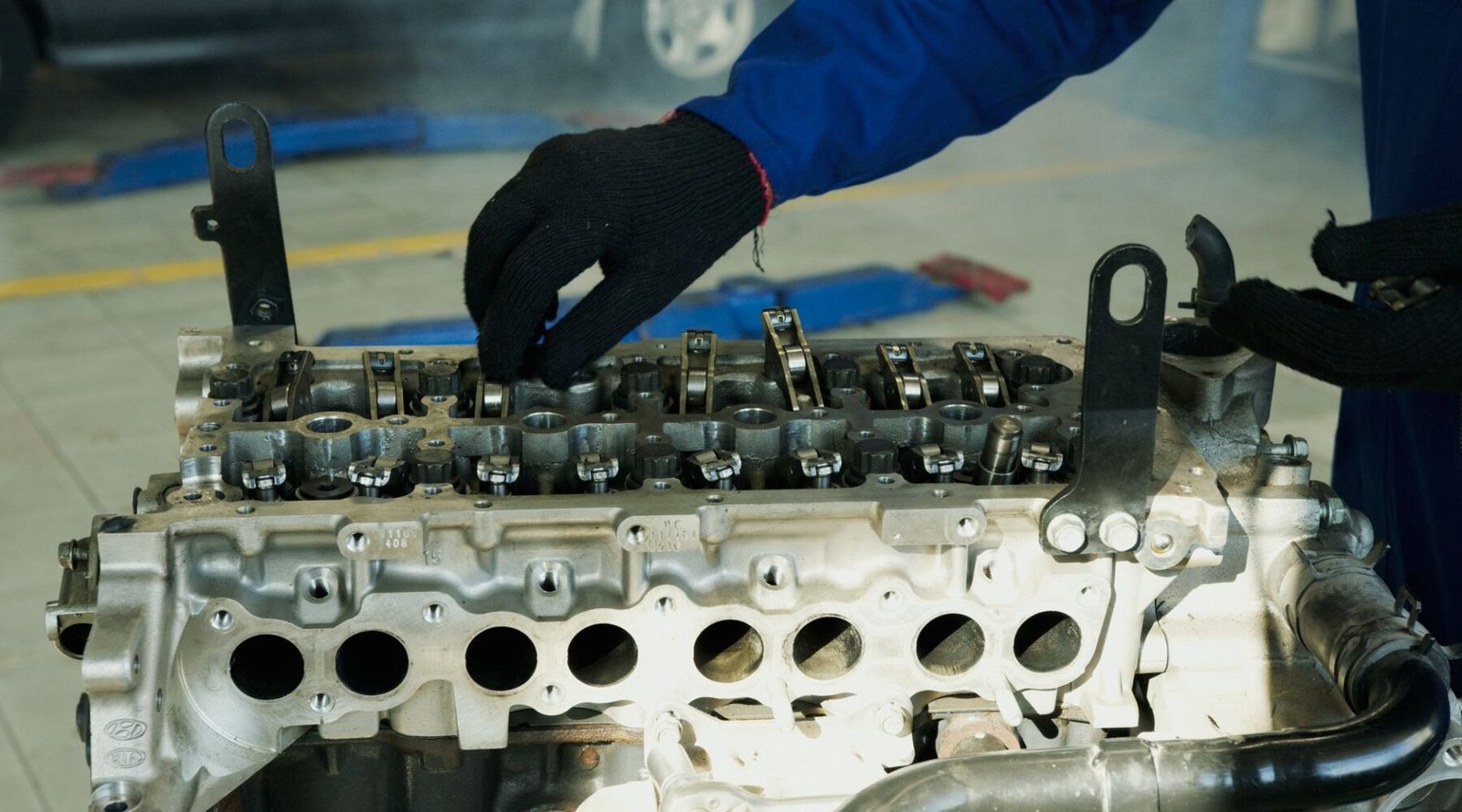
A blown engine represents one of the most severe failures a vehicle can experience. It signifies catastrophic damage usually resulting from a combination of mechanical failure, overheating, or lack of lubrication. Understanding what leads to a blown engine is essential for vehicle owners seeking to prevent such an occurrence and for those who need to address the aftermath of engine failure.
What is a blown engine?
A blown engine refers to a situation where the internal components of an engine have failed to the extent that it can no longer function. This typically involves significant damage to parts such as the pistons, crankshaft, and cylinder head. The term can also encompass various engine failures, such as a blown head gasket or severe misfires, leading to a complete loss of function.
Common causes of a blown engine
Several factors can contribute to an engine blowing, and understanding these causes can help owners take proactive measures to prevent failure. Some of the most common causes include:
Overheating
Overheating is one of the primary reasons engines blow. When an engine operates at excessive temperatures, it can cause components to warp, seals to fail, and ultimately lead to catastrophic failure. Factors contributing to overheating include:
- Coolant leaks
- Faulty water pumps
- Clogged radiators
- Thermostat failures
Lack of lubrication
Engine oil is crucial for lubricating moving parts and maintaining optimal operating temperatures. Insufficient oil levels or degraded oil can lead to increased friction, resulting in overheating and component damage. Common reasons for lack of lubrication include:
- Oil leaks
- Neglecting oil changes
- Using the wrong oil viscosity
Mechanical failure
Mechanical failures can arise from manufacturing defects or wear and tear over time. Components such as timing belts, timing chains, or connecting rods can fail, leading to severe engine damage. Routine maintenance is crucial to identify potential issues before they escalate.
Signs your engine may be blown
Recognizing the early signs of a blown engine can save vehicle owners from further damage and costly repairs. Key indicators include:
Excessive smoke
If you notice white or blue smoke emanating from the exhaust, it may indicate that oil is leaking into the combustion chamber or coolant is leaking into the engine, both signs of potential engine failure.
Unusual noises
Knocking, ticking, or grinding sounds can signal serious internal damage. These noises may suggest that components are loose, misaligned, or have significant wear.
Loss of power
A noticeable decrease in engine power or acceleration can imply that the engine is not functioning correctly. This could stem from various issues, including fuel delivery problems or internal damage.
Diagnosing a blown engine
When suspecting a blown engine, it’s crucial to perform a thorough diagnosis. Here are steps to take when assessing engine health:
Perform a visual inspection
Start by checking for any visible signs of damage, such as oil leaks, coolant leaks, or damaged hoses. Inspect the engine bay for any loose or disconnected components.
Check oil and coolant levels
Low oil levels or contaminated oil can indicate internal issues. Similarly, check coolant levels to ensure the engine is not overheating.
Utilize diagnostic tools
Using an OBD-II scanner can help identify any error codes related to engine performance. These codes can provide critical insights into what might be malfunctioning.
Repair options for a blown engine
If your engine is diagnosed as blown, you have several repair options, each with distinct implications for cost and vehicle longevity.
Engine rebuild
Rebuilding the engine involves disassembling it, inspecting all components, and replacing or repairing damaged parts. This option can be cost-effective and can restore the engine to good working condition if done properly.
Engine replacement
Replacing the engine entirely is another option, especially when damage is extensive. This can be more expensive but may offer a more reliable long-term solution. You can choose between a new engine, a remanufactured engine, or a used engine, each with its pros and cons.
Cost considerations
The cost of repairs will vary significantly based on the extent of the damage, labor costs, and the specific vehicle model. Owners should obtain multiple estimates and weigh the cost of repairs against the vehicle’s overall value.
Preventing engine blowout
Preventative maintenance plays a crucial role in avoiding blown engines. Here are some tips to maintain engine health:
Regular oil changes
Changing the oil at manufacturer-recommended intervals helps ensure proper lubrication and cooling. Always use oil that meets the engine’s specifications for viscosity and quality.
Cooling system maintenance
Regularly check coolant levels and inspect the cooling system for leaks or blockages. Flushing the cooling system periodically can also help prevent overheating.
Monitor engine performance
Pay attention to your vehicle’s performance. If you notice unusual noises, decreased power, or warning lights, have the vehicle inspected immediately to address potential issues before they escalate.
Conclusion
A blown engine is a serious issue that can have significant implications for vehicle performance and reliability. By understanding the causes, symptoms, and preventative measures, vehicle owners can better protect their investment. Regular maintenance and timely interventions can help ensure your engine remains in good working order, ultimately extending the life of your vehicle.
The role of engine management systems in preventing blowouts
Modern vehicles are equipped with sophisticated engine management systems (EMS) that play a crucial role in preventing blown engines. These systems monitor and control various engine parameters in real-time, ensuring optimal performance while mitigating the risk of catastrophic failures. Understanding how these systems operate can provide invaluable insights into both the prevention of engine blowouts and the diagnosis of existing issues.
One of the primary functions of an EMS is to regulate the air-fuel mixture entering the engine’s combustion chambers. By using sensors to measure parameters such as oxygen levels, temperature, and engine speed, the EMS adjusts fuel injection and ignition timing dynamically. For instance, a malfunctioning oxygen sensor can lead to a rich or lean mixture, which may cause overheating and ultimately lead to engine failure. Regular maintenance and timely replacement of these sensors can significantly reduce the risk of blown engines.
Furthermore, the EMS monitors engine temperature through coolant temperature sensors. If the system detects that the engine is overheating, it can trigger protective measures such as reducing power output or alerting the driver via dashboard warnings. This proactive approach can prevent engine damage before it becomes irreparable. For example, in vehicles with turbocharging, the EMS plays a vital role in managing boost levels. Excessive boost can lead to detonation and severe engine damage. A well-calibrated EMS will limit boost pressure and adjust timing to prevent such scenarios.
Another critical aspect of EMS is the incorporation of fail-safes and limp modes. When the system detects a fault, it can activate a limp mode that limits engine performance to prevent further damage. This feature is particularly important in high-performance vehicles, where the risk of pushing the engine beyond its limits is greater. For instance, if a high-performance sports car begins to exhibit symptoms of a blown engine, the EMS might reduce power and limit throttle response to allow the driver to get to safety without exacerbating the problem.
“Understanding the intricacies of engine management systems is essential for both drivers and technicians to prevent blown engines effectively.”
Moreover, diagnostics provided by the EMS can pinpoint specific issues that may lead to engine blowouts. Advanced onboard diagnostics (OBD) can provide error codes that indicate problems such as misfires, overheating, or fuel delivery issues. Technicians can utilize these codes to address problems before they escalate. For instance, if a check engine light is triggered due to a lean condition, this could indicate a failing fuel pump or clogged fuel filter, both of which, if left unchecked, could lead to engine damage.
As technology continues to advance, the future of EMS is becoming even more sophisticated. Features such as predictive maintenance algorithms are being developed that analyze driving behavior and environmental conditions to forecast potential engine issues before they occur. This not only empowers drivers to maintain their vehicles better but also elevates the importance of regular software updates to ensure optimal performance.
In conclusion, while traditional mechanical understanding of engines is still vital, the importance of engine management systems in preventing blown engines cannot be overstated. Awareness of how these systems function and the role they play in monitoring and regulating engine performance is essential for vehicle longevity and reliability. Regular checks and maintenance of the EMS can lead to early detection of potential issues, ultimately safeguarding against the devastating consequences of a blown engine.
Preventive maintenance: the key to avoiding engine failure
Preventive maintenance plays a critical role in prolonging engine life and avoiding catastrophic failures such as blown engines. By adopting a proactive approach, vehicle owners can identify potential issues before they escalate into serious problems. This section delves into specific practices that can significantly reduce the risk of engine blowouts and enhance overall engine reliability.
One of the most effective preventive measures is regular oil changes. Engine oil not only lubricates moving parts but also helps to dissipate heat. Over time, oil degrades and loses its ability to protect the engine, which can lead to excessive wear and tear. It is advisable to follow the manufacturer’s recommended oil change intervals and use the appropriate oil viscosity for your engine type. For instance, high-performance engines may require synthetic oils that withstand higher temperatures and pressures.
Monitoring coolant levels and ensuring the cooling system is functioning properly is equally important. An overheated engine is a primary culprit in many blown engine cases. Regularly checking the radiator, hoses, and thermostat can prevent coolant leaks and ensure efficient heat dissipation. A tip for drivers is to keep an eye on the temperature gauge on the dashboard; if it frequently approaches the red zone, it’s time for a thorough inspection.
“Routine checks on the cooling system can save you from an overheated engine, which is often a precursor to failure.”
Another critical aspect of preventive maintenance is the inspection of belts and hoses. These components wear out over time and can fail unexpectedly, leading to engine overheating or loss of critical systems. A visual inspection every few months can reveal cracks, fraying, or leaks, allowing for timely replacements. It’s essential to replace these components based on the manufacturer’s recommendations or at the first sign of wear.
Fuel quality also impacts engine health. Using low-quality fuel can introduce contaminants that clog fuel injectors and lead to poor combustion. Regularly using a fuel system cleaner can help maintain fuel line integrity and prevent the buildup of deposits. Moreover, drivers should be cautious about the fuel they use; opting for reputable gas stations can make a significant difference in engine performance.
In addition to these mechanical checks, adopting a mindful driving style contributes to engine longevity. Aggressive driving, such as rapid acceleration and hard braking, places additional stress on the engine and transmission. By driving smoothly and avoiding excessive idling, drivers can reduce engine strain and improve fuel efficiency.
“Gentle driving habits not only preserve engine components but also enhance fuel economy.”
Lastly, keeping an eye on engine warning lights is crucial. Modern vehicles are equipped with advanced diagnostic systems that notify drivers of potential issues. Ignoring these alerts can lead to severe damage, so it is advisable to address any warning lights immediately. Even if the engine seems to be running smoothly, a diagnostic check can uncover hidden problems that may lead to future failures.
In conclusion, adopting a comprehensive preventive maintenance strategy is essential for avoiding blown engines and extending the life of your vehicle. Regular oil changes, cooling system inspections, belt and hose checks, mindful driving, and attention to warning lights can all contribute to a healthier engine. By investing time and effort into maintenance, drivers can enjoy a more reliable vehicle and reduce the risk of costly repairs.
The role of engine oil in preventing blown engines
Engine oil plays a critical role in the overall health and performance of an engine. Its primary function is to lubricate moving parts, reducing friction and wear. However, the importance of engine oil extends beyond mere lubrication; it also helps in heat dissipation, cleaning contaminants, and preventing corrosion. When engine oil fails, the risk of a blown engine increases significantly.
There are several key factors to consider regarding engine oil and its impact on engine integrity:
1. **Oil Quality**: The quality of engine oil is paramount. Oils are classified by their viscosity ratings, and using the wrong viscosity can lead to inadequate lubrication. For instance, using oil that is too thick can hinder circulation, especially in cold conditions, while oil that is too thin may not provide sufficient protection under high temperatures.
2. **Oil Change Intervals**: Regularly changing engine oil according to the manufacturer’s recommendations is essential. Over time, oil degrades, losing its effectiveness in protecting engine components. Contaminants such as dirt, metal shavings, and combustion byproducts accumulate, which can lead to sludge formation. This sludge can block oil passages, resulting in insufficient lubrication and, ultimately, engine failure.
3. **Oil Temperature**: Engine oil must operate within an optimal temperature range. Excessive heat can cause oil to break down, losing its viscosity and lubrication properties. For example, turbocharged engines are particularly prone to overheating, and if the oil is not able to dissipate heat effectively, the risk of engine blowout increases. Monitoring oil temperature through gauges can provide drivers with critical information about engine health.
4. **Oil Leaks**: Regular inspections for oil leaks are vital. Even a small leak can lead to significant oil loss over time. Low oil levels can result in inadequate lubrication and overheating, both of which are precursors to a blown engine. It’s advisable to check the oil level frequently and address any leaks promptly.
5. **Additives and Engine Protection**: Many modern engine oils come with additives that enhance performance, such as detergents to keep the engine clean and anti-wear agents to protect against friction. Understanding the specific needs of your engine can help you choose the right oil. For example, high-performance engines may require synthetic oils that are specifically designed to withstand extreme conditions.
6. **Oil Filters**: The oil filter is just as critical as the oil itself. A clogged or dirty filter can restrict oil flow, leading to insufficient lubrication. Regularly replacing the oil filter during oil changes can help maintain engine health and prevent potential blowouts.
In conclusion, while many factors contribute to engine failures, the condition and maintenance of engine oil are among the most critical. By prioritizing quality oil, adhering to change intervals, monitoring temperature, addressing leaks, and ensuring proper filtration, car owners can significantly reduce the risk of experiencing a blown engine. Understanding the nuances of engine oil not only prolongs engine life but also enhances overall vehicle performance.
Related reading: How to tell if your car battery is dying, and How to replace a flat tire: a step-by-step guide. For an outside reference on this topic, see NHTSA's vehicle resources.