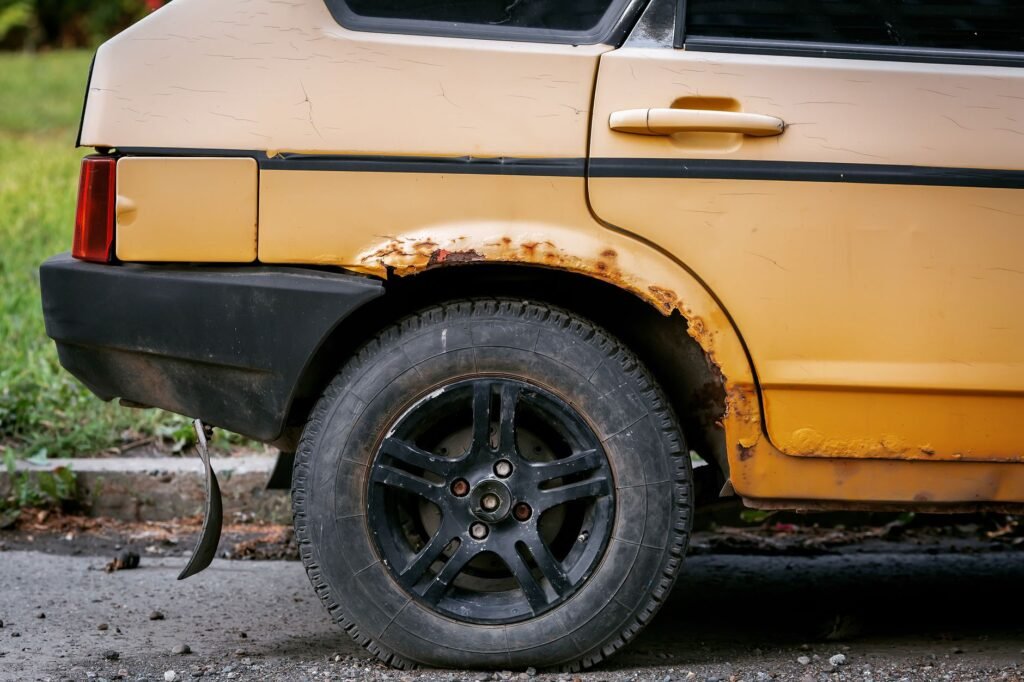
Car undercoating is a crucial aspect of vehicle maintenance that often goes overlooked by many car owners. This protective layer is applied to the undercarriage of a vehicle, serving as a barrier against rust and corrosion caused by environmental factors and road debris. Understanding the importance, types, and application techniques of car undercoating can significantly enhance the longevity and safety of your vehicle.
Key takeaways
- Car undercoating protects vehicles from rust and corrosion.
- Different types of undercoating materials offer various benefits.
- Proper application techniques enhance the effectiveness of undercoating.
- Regular inspections and maintenance are vital to ensure undercoating longevity.
- Undercoating can increase the resale value of your vehicle.
What is car undercoating?
Car undercoating refers to the application of a protective material to the underside of a vehicle. This layer acts as a shield against moisture, salt, and other corrosive elements that vehicles encounter during regular use. Undercoating is particularly essential in regions with harsh winters, where road salt is commonly used for de-icing. The buildup of moisture and salt can lead to significant rusting over time, compromising the structural integrity of the vehicle.
Benefits of car undercoating
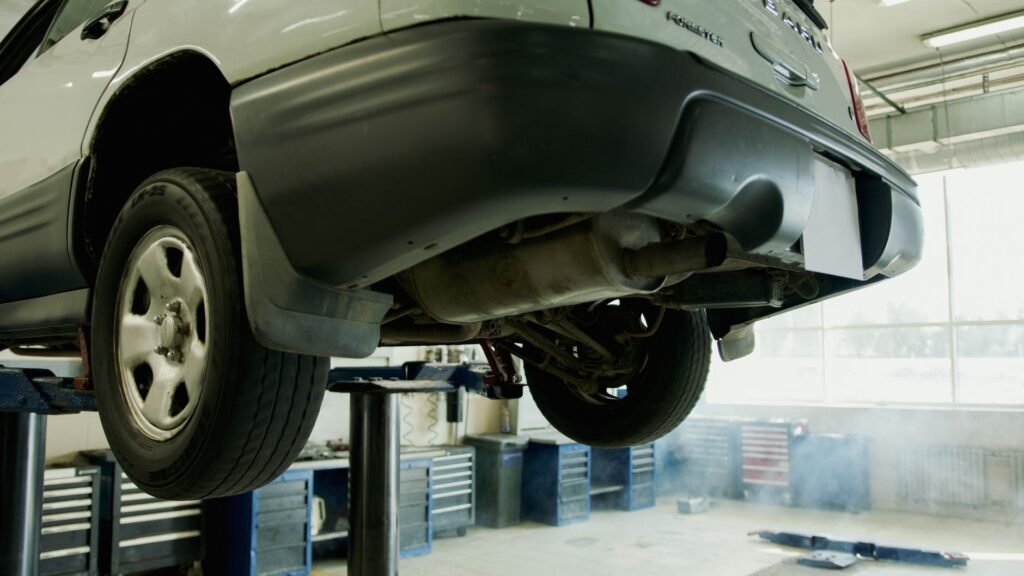
The primary benefit of car undercoating is its ability to prevent rust and corrosion. A well-applied undercoating can significantly extend the life of a vehicle by protecting critical components such as the frame, exhaust system, and fuel lines. Additionally, undercoating can provide sound dampening, reducing road noise for a quieter ride. Another advantage is that undercoating can enhance the resale value of a vehicle by demonstrating proactive maintenance to potential buyers.
Types of undercoating materials
There are several types of undercoating materials available, each with its own set of advantages. The most common types include:
Rubberized undercoating
Rubberized undercoating is a flexible coating that adheres well to metal surfaces. It provides excellent protection against moisture and impacts, making it a popular choice for many car owners. This type of undercoating is often used in DIY applications due to its ease of use and quick drying time.
Oil-based undercoating
Oil-based undercoating penetrates metal surfaces and creates a protective barrier against rust. It is particularly effective in areas prone to moisture. However, it may require more frequent reapplication compared to other types of undercoating.
Wax-based undercoating
Wax-based undercoating offers a slick surface that can repel water and prevent corrosion. It tends to be less durable than rubberized or oil-based options, making it suitable for vehicles that do not encounter harsh conditions.
Application techniques for effective undercoating
Applying undercoating requires proper preparation and technique to ensure maximum protection. Here are the essential steps for effective undercoating application:
Preparation
Before applying undercoating, the vehicle must be thoroughly cleaned. This involves washing the undercarriage to remove dirt, grime, and existing rust. For optimal results, consider using a pressure washer to dislodge stubborn debris.
Drying
After cleaning, allow the undercarriage to dry completely. Any moisture left on the surface can compromise the adhesion of the undercoating material.
Masking
Use masking tape to cover areas that should not be coated, such as brake lines and exhaust components. This step prevents accidental application and ensures that critical parts remain unaffected.
Application
Follow the manufacturer’s instructions for the chosen undercoating material. Use a spray gun or aerosol can for even coverage, applying multiple thin coats rather than one thick layer. This approach ensures better adhesion and drying.
Maintenance of undercoating
Regular inspections and maintenance are essential for ensuring the longevity of car undercoating. After applying undercoating, it is advisable to check the undercarriage at least once a year for signs of wear or damage. Look for areas where the coating may have chipped or worn away, and reapply undercoating as needed.
Cost considerations
The cost of car undercoating can vary significantly depending on the type of material used and whether the application is done professionally or as a DIY project. Professional undercoating services typically range from $100 to $500, while DIY kits can be purchased for as little as $20 to $100. While the initial investment may seem high, the long-term savings on repairs and maintenance make it a worthwhile consideration.
Environmental considerations
When choosing an undercoating material, consider the environmental impact. Some products contain chemicals that can be harmful to the environment. Opt for eco-friendly alternatives when possible. Many manufacturers now offer biodegradable and non-toxic options that provide effective protection without compromising safety.
Conclusion
In conclusion, car undercoating is an essential element in maintaining the integrity and longevity of your vehicle. By protecting against rust and corrosion, undercoating not only prolongs the life of your vehicle but also enhances its resale value. Understanding the different types of undercoating materials, proper application techniques, and maintenance requirements can help car owners make informed decisions that benefit both their vehicles and their wallets.
Exploring the impact of climate on undercoating effectiveness
When considering car undercoating, one crucial factor often overlooked is the climate in which the vehicle operates. The effectiveness of undercoating materials can vary significantly based on environmental conditions, impacting both the longevity and protection offered. Understanding these nuances can help vehicle owners make better-informed decisions regarding undercoating treatments.
In regions with harsh winters, where road salt is a common practice for de-icing, undercoating becomes essential. Salt can accelerate corrosion, eating away at metal components. A study by the Automotive Corrosion Council found that vehicles in snowy climates experience up to five times more rust damage than those in temperate zones. For these vehicles, a high-quality, rubberized undercoating that is resistant to salt and moisture is crucial. Such coatings create a barrier that not only repels water but also minimizes salt adhesion, providing extended protection against rust.
Conversely, vehicles in arid regions face different challenges. While moisture-related corrosion may be less of a concern, dust and sand can lead to abrasion and wear over time. In these climates, an undercoating with added hardness and durability is recommended. Products formulated with ceramic composites have gained popularity in areas prone to dust storms. These coatings not only provide a protective layer but also offer a smooth surface that reduces the accumulation of debris.
Humidity is another critical factor influencing undercoating effectiveness. In humid environments, moisture can seep into even the smallest cracks and crevices, promoting corrosion. Undercoatings that contain moisture barriers, such as those infused with wax or paraffin, can be particularly effective in these settings. They form a protective seal that prevents moisture ingress while allowing any trapped moisture to escape, thereby reducing the likelihood of rust formation.
Additionally, undercoating application methods can vary based on the climate. For instance, in colder climates, it is essential to ensure that the surface is free of moisture before application, as water can lead to adhesion issues. This often means waiting for ideal weather conditions, which may delay treatment. In contrast, hot weather can cause some undercoating materials to dry too quickly, leading to improper application. Therefore, understanding the specific environmental conditions can aid in selecting the right product and method for application.
Real-world examples illustrate the importance of tailoring undercoating to climate. A pickup truck owner in Minnesota reported significant improvements in the vehicle’s longevity after applying a high-quality rubberized undercoating before winter. In contrast, a resident of Arizona found that a ceramic-based undercoating helped protect their SUV from wear and tear caused by sand and dust, ultimately preserving its resale value.
In conclusion, while the benefits of undercoating are well-documented, the choice of materials and application techniques should be closely aligned with climate conditions. Vehicle owners must consider their local environment’s impact on undercoating effectiveness to ensure optimal protection and longevity for their vehicles.
Exploring the impact of undercoating material types
While the benefits of car undercoating are well-documented, the choice of undercoating material can significantly affect its performance and longevity. Different undercoating materials, such as asphalt-based, rubberized, and polyurethane, offer various advantages and disadvantages that can influence both protection and application methods.
Asphalt-based undercoating is one of the most common options. It provides excellent protection against moisture and salt, making it particularly suitable for vehicles exposed to harsh winter conditions. However, its viscosity can make it challenging to apply evenly, and it often requires a specific temperature range for optimal adhesion. Additionally, asphalt can harden over time, leading to potential cracking.
Rubberized undercoating, on the other hand, offers flexibility and sound-deadening properties, which can be beneficial for reducing road noise inside the vehicle. This type of undercoating is typically easier to apply and can be layered for enhanced protection. However, it may not adhere as well to metal surfaces as asphalt, particularly if the surface is not properly prepared. Over time, rubberized coatings can wear away, especially in high-friction areas.
Polyurethane undercoating is gaining popularity due to its superior durability and resistance to abrasions, chemicals, and UV rays. This material cures to form a tough, resilient layer that can last for years without significant degradation. However, its application requires careful preparation, as it does not bond well to dirty or rusty surfaces. Moreover, the curing process can take longer than other types, which may delay vehicle usage after application.
“Selecting the right undercoating material involves understanding the specific threats your vehicle faces and the conditions in which it operates.”
Another critical aspect to consider is the environmental impact of the undercoating materials. Some traditional asphalt and rubber-based undercoatings can release volatile organic compounds (VOCs) during application, which can contribute to air pollution and pose health risks. Eco-friendly alternatives are increasingly available, such as water-based undercoatings that minimize VOC emissions and use sustainable ingredients. These newer products provide similar protective benefits without compromising environmental integrity.
In addition to material selection, the technique of application is crucial for maximizing the effectiveness of the undercoating. For instance, using a spray application method can ensure even coverage and penetration into crevices where rust is likely to form. Conversely, brush application may be more suitable for touch-ups or areas requiring thicker layers. Regardless of the method, thorough preparation of the vehicle’s surface—cleaning, sanding, and priming—is essential to achieve optimal adhesion and protection.
Ultimately, the choice of undercoating material should align with the vehicle’s intended use, the environmental conditions it faces, and the preferences of the owner regarding maintenance and longevity. For vehicle owners in coastal areas, a flexible rubberized or polyurethane option may be preferable, while those in colder climates might opt for a robust asphalt-based solution. Understanding these nuances can lead to better decision-making and enhanced vehicle longevity.
Exploring the environmental impact of undercoating materials
As car owners and enthusiasts consider the benefits of undercoating, it’s crucial to also evaluate the environmental implications of the materials used in these protective coatings. Many traditional undercoating products contain solvents and chemicals that can be harmful to both the environment and human health. This section delves into alternative undercoating materials that are more eco-friendly, while still providing effective protection for vehicles.
One notable development in the auto care industry is the shift towards water-based undercoating products. Unlike traditional solvent-based options, which often release volatile organic compounds (VOCs) into the atmosphere, water-based formulations use water as a carrier, drastically reducing harmful emissions during application. These products are not only better for the environment but also safer for the applicators and vehicle owners. For instance, companies like Rust-Oleum and 3M have developed water-based undercoating sprays that provide a robust barrier against moisture and rust without the toxic byproducts associated with older formulations.
Another innovative approach is the use of bio-based materials derived from natural sources. Some manufacturers have begun incorporating ingredients such as soy or vegetable oils into their undercoating products. These bio-based undercoatings offer comparable protection while minimizing the reliance on petroleum-based chemicals. For example, EcoCoat offers a line of undercoating products that leverage these natural components, appealing to environmentally conscious consumers who wish to protect their vehicles without compromising their values.
“Choosing eco-friendly undercoating options not only protects your vehicle but also contributes to a healthier planet.”
In addition to the composition of undercoating materials, the application methods can play a significant role in their environmental impact. Traditional spraying techniques can lead to overspray, which not only wastes material but can also contaminate surrounding areas. Advanced application techniques, such as electrostatic spraying or using specialized equipment that minimizes overspray, can enhance efficiency and reduce waste. These methods ensure that more of the product adheres to the vehicle’s underbody, maximizing protection while minimizing environmental harm.
Furthermore, the lifecycle of undercoating materials should be considered. While effective protection is essential, the disposal of these products at the end of their life cycle can pose challenges. Some eco-friendly undercoatings are designed to be biodegradable or easier to dispose of safely, reducing long-term environmental impacts. Consumers should look for products that emphasize sustainability in their formulation and disposal processes, ensuring that their choice contributes positively to the environment.
Ultimately, understanding the environmental impact of car undercoating materials is a vital aspect of making informed decisions. By exploring alternatives to traditional products, consumers can protect their vehicles while also supporting sustainable practices. As awareness of environmental issues grows, the market for eco-friendly automotive products, including undercoating, is likely to expand, offering more options for conscientious car owners.
Frequently asked questions
What is car undercoating?
Car undercoating is a protective layer applied to the undercarriage of a vehicle. It guards against rust, corrosion, and damage from road debris.
How long does undercoating last?
The longevity of undercoating varies by material and environmental conditions. Generally, it can last between 3 to 10 years with proper maintenance.
Can I apply undercoating myself?
Yes, many car owners choose to apply undercoating themselves. However, proper preparation and technique are essential for effective application.
The bottom line
Investing in car undercoating is a proactive measure to protect your vehicle's integrity and value. Regular application and maintenance can extend your vehicle's lifespan significantly.
Related reading: Ask a mechanic: insights from the professionals, and The best electric cars for winter driving. For an outside reference on this topic, see the Department of Energy's home charging guide.