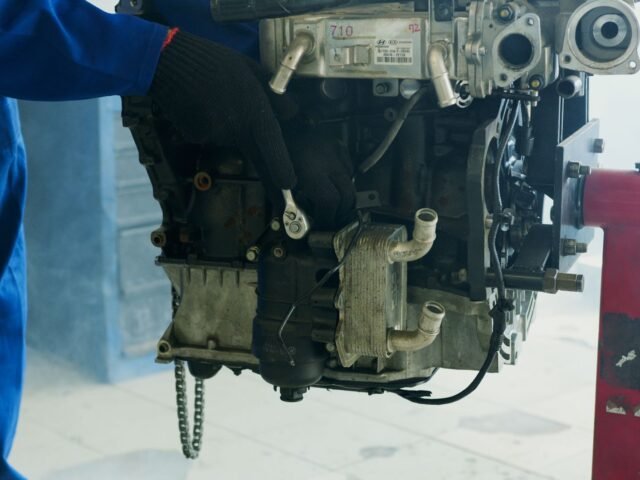
Code P0308 refers to a specific diagnostic trouble code (DTC) that indicates a misfire in cylinder 8 of an engine. Understanding what this code means and how to address it is crucial for vehicle performance and longevity. If you see this code, your vehicle’s engine control unit (ECU) has detected that the cylinder is not firing as it should, which can lead to poor engine efficiency, increased emissions, and potential damage if left unresolved.
What causes code P0308?
Several factors can contribute to the triggering of code P0308. Identifying the root cause is essential for effective repairs. Here are some common reasons for a misfire in cylinder 8:
Faulty spark plug or ignition coil
The most frequent culprit is a faulty spark plug or ignition coil. The spark plug ignites the air-fuel mixture in the cylinder, and if it is worn out or damaged, it may not provide a strong enough spark. Similarly, a malfunctioning ignition coil can fail to send the necessary voltage to the spark plug, resulting in a misfire.
Fuel delivery issues
Another potential cause is a fuel delivery problem. If the fuel injector for cylinder 8 is clogged or malfunctioning, it can prevent the proper amount of fuel from entering the combustion chamber, leading to an incomplete combustion process. Fuel pressure that is too low or too high can also contribute to this issue.
Air intake problems
Air intake issues may also lead to a misfire. A vacuum leak can disrupt the air-fuel mixture, causing engine performance problems. Additionally, a dirty air filter or a malfunctioning mass airflow sensor (MAF) can restrict airflow, affecting combustion efficiency.
Engine mechanical issues
Mechanical problems within the engine itself can trigger code P0308 as well. Worn piston rings, damaged valves, or a blown head gasket may prevent proper compression within the cylinder, leading to misfires. These issues can be more serious and may require significant repairs.
Symptoms of code P0308
Recognizing the symptoms associated with code P0308 can help you diagnose the problem more effectively. Common signs include:
Rough idle
A rough or uneven idle is often one of the first noticeable symptoms when a misfire occurs. The engine may shake or vibrate because it is not running smoothly.
Decreased engine performance
You may experience a noticeable decline in engine performance. This might manifest as sluggish acceleration, poor fuel economy, or a lack of power during driving.
Check engine light
The check engine light will typically illuminate when code P0308 is triggered. This warning indicates that the engine control unit has detected a problem with the engine’s performance.
Increased emissions
A misfire can lead to increased emissions, which may cause your vehicle to fail an emissions test. This is a critical issue that needs to be addressed not only for compliance but also for environmental reasons.
How to diagnose code P0308
Proper diagnosis is essential for resolving code P0308 effectively. Here are the steps to follow:
Use an OBD-II scanner
The first step in diagnosing this code is to connect an OBD-II scanner to the vehicle’s diagnostic port. The scanner will retrieve the trouble code, providing insight into the problem. Note any other codes present, as they can help pinpoint the issue further.
Visual inspection
Conduct a thorough visual inspection of the ignition system components, including spark plugs, ignition coils, and wiring. Look for signs of wear, corrosion, or damage that could indicate a problem.
Check fuel injectors
Testing the fuel injector for cylinder 8 is crucial. You can use a multimeter to check for proper resistance or perform a fuel flow test to ensure that the injector is delivering the correct amount of fuel.
Compression test
If the above steps do not reveal the issue, perform a compression test on cylinder 8. This test will help identify any mechanical problems that may be affecting the cylinder’s performance.
Effective solutions for code P0308
Once you have diagnosed the issue, the next step is to implement the appropriate solutions. Here are common fixes for code P0308:
Replace faulty spark plugs
If the spark plugs are found to be worn or damaged, replacing them is a straightforward and cost-effective solution. Ensure to use quality spark plugs recommended for your specific vehicle model.
Replace ignition coil
If the ignition coil is faulty, replace it as well. It is wise to replace all ignition coils if your vehicle has multiple cylinders, as they often wear out at similar rates.
Clean or replace fuel injectors
Cleaning the fuel injector may restore proper function. If cleaning does not resolve the issue, replacement may be necessary.
Repair vacuum leaks
Address any vacuum leaks by inspecting hoses and intake components. Replacing damaged hoses or seals can help ensure proper air-fuel mixture and improve engine performance.
Engine repairs
If the diagnosis points to mechanical issues within the engine, such as damaged valves or piston rings, more extensive repairs may be needed. This can be a complex and costly process, so it may be advisable to consult with a professional mechanic.
Preventive measures to avoid code P0308
Taking proactive steps can help prevent the recurrence of code P0308. Here are some tips:
Regular maintenance
Adhering to a regular maintenance schedule, including oil changes, spark plug replacement, and fuel system cleaning, can keep your engine running smoothly and help detect potential issues early.
Monitor engine performance
Stay attuned to your vehicle’s performance. Any changes in how the engine runs should prompt further investigation to catch problems before they escalate.
Use quality parts
When replacing components, always opt for high-quality parts that meet or exceed manufacturer specifications. This ensures reliability and performance.
Conclusion
Code P0308 signifies a misfire in cylinder 8 and can stem from various issues ranging from simple ignition problems to more complicated engine mechanical failures. By understanding its causes, symptoms, and effective diagnostic and repair methods, vehicle owners can address this issue promptly and maintain optimal engine performance. Regular maintenance and awareness of engine behavior are key to preventing future occurrences of this code. If you encounter code P0308, take it seriously; timely action can save you from more significant repairs down the line.
Advanced diagnostics for P0308: pinpointing the root cause
When dealing with the P0308 code, which indicates a cylinder 8 misfire, it is essential to approach diagnostics with precision. While the code offers a starting point, the underlying issues can stem from various sources. Advanced diagnostics tools, such as an oscilloscope, can provide further insights into the performance of the engine’s components.
Using an oscilloscope, technicians can capture real-time data on the ignition and fuel injection signals for cylinder 8. This method allows for the visualization of the waveform patterns, identifying any irregularities. For instance, a distorted waveform might indicate an ignition coil’s failure or a faulty spark plug, while an absence of signal can suggest a wiring issue or a problem within the Engine Control Unit (ECU).
Additionally, employing a compression test is critical. A low compression reading can indicate internal engine problems such as worn piston rings or a blown head gasket. It is advisable to perform this test alongside a leak-down test to better understand where the compression loss occurs. This method isolates the issue further, helping to determine if the problem is indeed external (like a spark plug or coil) or internal (like a gasket or cylinder walls).
“An oscilloscope can reveal issues that a standard OBD-II scanner might miss, making it an invaluable tool for diagnosing misfires.”
Beyond mechanical issues, fuel quality and delivery should also be scrutinized. Poor fuel quality or contamination can lead to combustion irregularities. Inspecting the fuel injectors for clogs or inconsistencies in spray patterns can also reveal critical information. A fuel injector cleaning kit or ultrasonic cleaning service can often restore proper function if this is identified as the issue.
Moreover, consider the ignition system as a whole. While the P0308 code points to cylinder 8 specifically, problems in the ignition system can be systemic. Inspecting the ignition coil pack—if equipped—and the associated wiring and connectors can unearth hidden issues. For example, corroded connectors or damaged insulation can lead to intermittent misfires, which may not trigger a code immediately but can cause performance problems over time.
“Understanding that misfire codes can be symptomatic of broader issues helps technicians address potential complications before they escalate.”
It is also vital to reflect on the conditions under which the misfire occurs. For example, does the misfire happen during acceleration, idling, or cold starts? This information can help narrow down potential causes. A misfire during acceleration might indicate a fuel delivery issue or a timing problem, while a misfire at idle could suggest a vacuum leak or faulty sensors.
Lastly, keep an eye on potential software updates for the ECU. Manufacturers often release updates that address known issues, including misfire detection algorithms. Failing to apply these updates can lead to persistent misfire codes even when the mechanical issues have been resolved.
In summary, diagnosing a P0308 code involves a thorough investigation that goes beyond the obvious. By utilizing advanced diagnostic tools and considering all aspects of engine performance, technicians can accurately identify the root cause, ensuring a more effective and lasting repair.
Advanced troubleshooting techniques for P0308
While understanding the basic aspects of code P0308, which indicates a misfire in cylinder 8, is crucial, delving into advanced troubleshooting can save time and money in the repair process. Often, misfires can be symptoms of deeper issues, and identifying these underlying problems requires a systematic approach.
To begin, a comprehensive diagnostic scan should be performed to check for any additional codes that may be present. Codes such as P0300 (random/multiple cylinder misfire detected) can provide insights into whether the issue is isolated to cylinder 8 or if it is part of a larger problem affecting multiple cylinders. This is essential as it will guide your troubleshooting path.
Next, visual inspection plays a key role. Inspect the wiring and connectors associated with the ignition coil and fuel injector for cylinder 8. Corrosion, fraying, or loose connections can lead to intermittent failures. If the wiring appears compromised, it may be necessary to repair or replace affected components. Additionally, check for vacuum leaks around the intake manifold and throttle body, as these can disrupt the air-fuel mixture, leading to misfires.
Compression testing is another critical step. A misfire can stem from mechanical issues within the engine, such as worn piston rings or a blown head gasket. Performing a compression test on cylinder 8 can help determine if the cylinder is within the acceptable range (typically between 120-180 psi). If the compression is low, further investigation into the engine’s internal components is warranted.
Fuel delivery issues can also contribute to P0308. Use a fuel pressure gauge to ensure that the fuel pump delivers the correct pressure to the fuel rail. If the pressure is low, it may be time to inspect or replace the fuel pump or the fuel filter. Additionally, inspect the fuel injectors for proper spray patterns and functionality. A clogged or malfunctioning injector can severely affect cylinder performance.
Next, consider the condition of the spark plug in cylinder 8. A worn or fouled spark plug can lead to poor ignition and misfire. Replacing spark plugs is often a straightforward fix, but ensure that you are using the correct type and gap specified for your engine. It is also helpful to check the ignition coil. If the coil is weak or failing, it may not provide sufficient spark to ignite the air-fuel mixture. Swapping the ignition coil from cylinder 8 with another cylinder can help diagnose if the coil is the culprit.
If, after all these checks, the problem persists, it may be time to consult with a professional mechanic who can perform more advanced diagnostics, including cylinder leak-down tests or even a thorough examination of the engine’s internal components.
Lastly, keep in mind that environmental factors such as temperature and humidity can influence engine performance. After addressing all mechanical and electronic components, consider taking the vehicle for a test drive under varying conditions to see if the misfire reoccurs, as this can provide further insights into potential intermittent issues.
Related reading: Understanding code P0017 and its implications, and Understanding code P1299 and how to fix it effectively. For an outside reference on this topic, see NHTSA's vehicle safety resources.