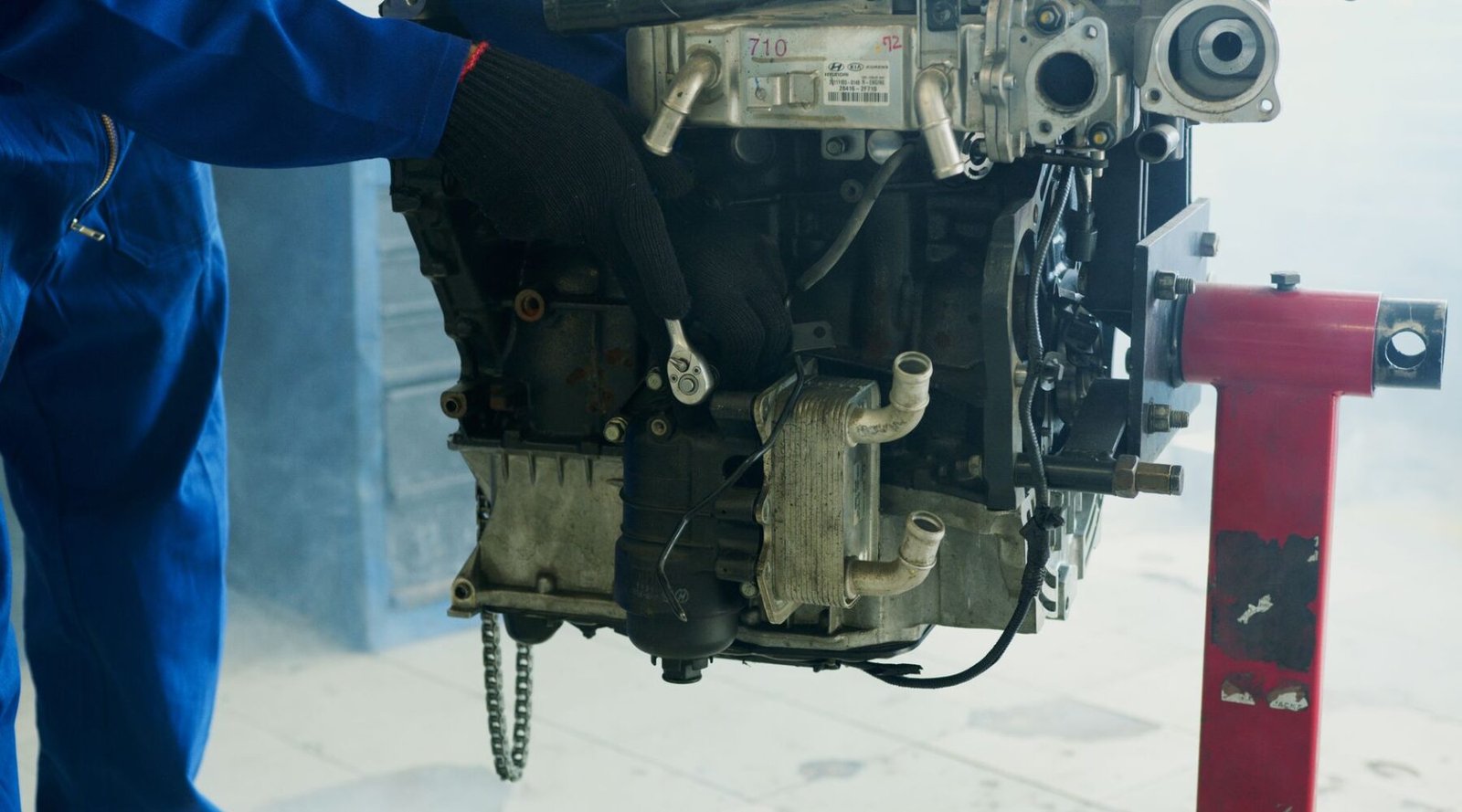
Code P2098 is a diagnostic trouble code (DTC) that indicates an issue with the post-catalytic converter fuel trim for bank 1. Specifically, this code signifies that the engine control module (ECM) has detected an excessively lean condition after the catalytic converter, which typically means that the air-fuel mixture is not optimal. Understanding what this code means and how to address it can help you restore your vehicle’s performance and efficiency.
What triggers code P2098?
Several factors can trigger code P2098, including:
- Faulty oxygen sensors
- Fuel delivery issues
- Vacuum leaks
- Catalytic converter problems
- Exhaust leaks
- Engine misfires
- Faulty mass air flow (MAF) sensor
Any of these issues can cause the engine to run lean, leading the ECM to set code P2098. It is essential to diagnose the root cause accurately to implement the correct fix.
Symptoms associated with code P2098
When experiencing code P2098, drivers may notice various symptoms, including:
- Reduced engine performance
- Poor fuel economy
- Check engine light illuminated
- Rough idling or stalling
- Increased emissions
While some of these symptoms may be mild, they can lead to more significant problems if left unaddressed. Understanding these indicators can help you take timely action.
How to diagnose code P2098
Diagnosing code P2098 involves several steps:
- Scan for trouble codes: Use an OBD-II scanner to retrieve the codes stored in the ECM. Note any other related codes that may provide additional context.
- Inspect the vehicle: Check for visible signs of leaks in the intake and exhaust systems. Ensure all hoses and connections are intact.
- Test the oxygen sensors: Use a multimeter to check the voltage output of the upstream and downstream oxygen sensors. Compare readings with manufacturer specifications.
- Verify fuel delivery: Check the fuel pump, fuel filter, and fuel injectors for proper operation. Low fuel pressure can lead to a lean condition.
- Check for vacuum leaks: Use a smoke machine or carburetor cleaner to detect leaks around the intake manifold, throttle body, and vacuum hoses.
- Examine the MAF sensor: Clean or replace the mass air flow sensor if it is dirty or faulty.
Following these steps can help you pinpoint the cause of the P2098 trouble code.
Common fixes for code P2098
Once diagnosed, here are common solutions for addressing code P2098:
- Repair or replace faulty oxygen sensors: If the oxygen sensors are malfunctioning, replacing them can restore proper fuel trim adjustments.
- Fix vacuum leaks: Repair or replace any damaged hoses or gaskets to eliminate unwanted air entering the engine.
- Replace fuel system components: If low fuel pressure is identified, replacing faulty fuel pumps, filters, or injectors may be necessary.
- Catalytic converter replacement: If the catalytic converter is clogged or damaged, replacing it may resolve the issue.
- Address exhaust leaks: Repair any leaks that could affect exhaust flow and sensor readings.
- Clear the code: After making repairs, use the scanner to clear the code and test drive the vehicle to ensure the issue is resolved.
Always follow manufacturer guidelines for replacing parts and performing repairs to ensure optimal performance.
Preventive measures for code P2098
To minimize the risk of encountering code P2098 in the future, consider the following preventive measures:
- Regular maintenance checks: Schedule routine inspections and maintenance to catch potential issues early.
- Quality fuel: Use high-quality fuel to ensure proper combustion and reduce the likelihood of deposits affecting sensor performance.
- Monitor engine performance: Pay attention to how your vehicle runs and address any unusual symptoms promptly.
- Keep the exhaust system in check: Regularly inspect the exhaust system for leaks or damage.
By implementing these preventive measures, you can enhance your vehicle’s reliability and performance.
The importance of addressing code P2098 promptly
Ignoring code P2098 can lead to several complications, including:
- Increased emissions that may violate environmental regulations.
- Decreased fuel efficiency leading to higher operating costs.
- Potential damage to engine components if left unresolved for an extended period.
- Worsening performance, making driving less enjoyable and more dangerous.
Addressing the issue promptly can save time and money while ensuring your vehicle operates efficiently.
Conclusion
Code P2098 indicates a lean condition after the catalytic converter, which can arise from various underlying issues. Understanding its meaning, symptoms, and diagnostic procedures is crucial for effective resolution. By identifying the root cause and implementing appropriate fixes, you can restore your vehicle’s performance and prevent future occurrences of this trouble code. Prioritizing regular maintenance and addressing issues promptly can lead to a more efficient and reliable driving experience.
Exploring the impact of sensor malfunctions on P2098
One of the often-overlooked aspects of diagnosing and repairing code P2098 is the role that various sensors play in the overall performance and emissions control systems of a vehicle. While the code itself indicates a problem with the fuel trim system, it is crucial to understand how sensor malfunctions can contribute to or exacerbate this issue. A thorough examination of the vehicle’s oxygen sensors, mass airflow sensor (MAF), and fuel injectors can provide valuable insights that lead to a more effective resolution of P2098.
The oxygen sensors, specifically, are key components in maintaining the correct air-fuel mixture. If these sensors are not functioning optimally, they can send erroneous data to the Engine Control Module (ECM). For example, a failing upstream oxygen sensor may incorrectly report a rich fuel mixture, prompting the ECM to adjust the fuel trim negatively, which can trigger code P2098. It is essential to test the oxygen sensors for proper voltage and response time to ensure they are providing accurate readings throughout the engine’s operating range.
Similarly, the MAF sensor measures the amount of air entering the engine and is crucial for calculating the correct fuel delivery. A dirty or malfunctioning MAF sensor can lead to incorrect air-fuel ratios. For instance, if the MAF sensor is reading lower airflow than actual, the ECM may reduce fuel delivery, causing a lean condition that could ultimately lead to P2098. Cleaning the MAF sensor and ensuring it is free of obstructions can often resolve issues related to the sensor’s accuracy.
Example: A vehicle owner reported persistent P2098 codes. After checking the MAF sensor, they found that it was coated with oil and dirt, affecting its readings. After cleaning the sensor, the code was cleared, and the vehicle performed optimally.
In addition to these sensors, fuel injectors should not be overlooked. Clogged or leaking fuel injectors can disrupt the fuel trim by delivering inconsistent amounts of fuel to the engine. A simple test to check the injectors involves using a noid light or a fuel pressure gauge. If the injectors are not firing correctly or if there is inadequate pressure, the fuel trim will be affected, leading to the P2098 code. In such cases, cleaning or replacing the injectors may be necessary.
Furthermore, environmental factors should also be considered. For example, an engine that frequently operates in extreme temperatures may experience sensor sensitivity issues. Cold weather can affect sensor responsiveness, leading to erroneous readings and potentially triggering P2098. In these scenarios, ensuring that the engine is adequately warmed up before testing can help clarify whether temperatures are influencing sensor performance.
Lastly, it is advisable to perform a comprehensive diagnostic scan not just for P2098 but also for any related codes that may be present. Codes related to other systems, such as misfires or catalytic converter efficiency, can provide a broader context for understanding the fuel trim issues stemming from P2098. Addressing these underlying problems will not only help fix the immediate code but also enhance the overall performance of the vehicle.
The role of fuel trims in diagnosing P2098
When addressing code P2098, which indicates a problem with the post-catalytic converter fuel trim, understanding the intricacies of fuel trims is crucial. Fuel trims are adjustments made by the engine control module (ECM) to the air-fuel mixture based on feedback from the oxygen sensors. They play a vital role in maintaining optimal engine performance and emissions control. A deeper dive into how these trims function can provide insight into the root causes of P2098.
Fuel trims are categorized into Short Term Fuel Trim (STFT) and Long Term Fuel Trim (LTFT). STFT provides immediate adjustments based on current engine conditions, while LTFT adjusts for long-term changes in fuel delivery and engine performance. In the case of P2098, the issue often arises when the LTFT value exceeds the expected range, typically indicating a lean or rich condition detected downstream of the catalyst.
“Understanding the interplay between fuel trims and the oxygen sensors can help pinpoint issues that may lead to code P2098.”
To diagnose P2098 effectively, one must first monitor both STFT and LTFT values using an OBD-II scanner. Ideally, STFT should hover around 0%, indicating that the ECM is not making any significant corrections. LTFT values should also remain within a ±10% range for a healthy engine. If either of these values is significantly outside of the norm, it may indicate that the engine is running either too rich or too lean. For instance, if the LTFT is at +20%, it suggests that the ECM is adding more fuel to compensate for an overly lean condition.
Common causes for a lean condition include vacuum leaks, a malfunctioning MAF sensor, or fuel delivery issues such as a clogged fuel filter. On the other hand, a rich condition may result from a faulty oxygen sensor, fuel pressure regulator problems, or excess fuel delivery from the injectors. Identifying the specific cause requires a systematic approach, including visual inspections and component testing.
After confirming the fuel trim readings, it is essential to inspect the vehicle’s oxygen sensors. A faulty upstream sensor can cause the ECM to misinterpret the air-fuel ratio, leading to erroneous adjustments in fuel trims. In contrast, a malfunctioning downstream sensor, which is primarily responsible for monitoring the efficiency of the catalytic converter, can trigger code P2098 without indicating an actual fuel trim issue. Therefore, testing both sensors is a crucial step in the diagnostic process.
Another practical step is to conduct a smoke test to check for vacuum leaks. This test introduces smoke into the intake system, allowing technicians to easily identify leaks that could cause an erroneous lean condition. Additionally, using a multimeter to measure the voltage output of the oxygen sensors can confirm their operational status—typically, a healthy sensor fluctuates between 0.1 to 0.9 volts in response to changes in the air-fuel mixture.
Finally, if the diagnosis points to a fuel delivery issue, checking the fuel pressure with a gauge is a must. Ensuring that the fuel pump is delivering the correct pressure and that the injectors are functioning properly can eliminate potential sources of error. In some cases, replacing a clogged fuel filter or a faulty fuel pump resolves the P2098 code.
“A methodical approach to diagnosing fuel trim issues can not only clear the P2098 code but also enhance overall engine performance.”
In summary, understanding fuel trims and their relationship to code P2098 is essential for accurate diagnosis and effective resolution. By monitoring STFT and LTFT values, testing oxygen sensors, checking for vacuum leaks, and ensuring proper fuel delivery, technicians can address the underlying issues that contribute to the P2098 code, ultimately restoring optimal vehicle performance.
Troubleshooting P2098: Advanced diagnostics and repair strategies
The P2098 error code, indicating an issue with the post-catalytic converter fuel trim system, often leads to frustration for both mechanics and vehicle owners. Understanding the intricacies of this code can make a significant difference in diagnosis and repair efficiency. Here, we dive deeper into advanced diagnostic techniques and repair strategies that go beyond basic troubleshooting.
First, it’s essential to recognize that P2098 typically indicates a problem with the fuel trim being too lean after the catalytic converter. This can stem from several underlying issues, including but not limited to vacuum leaks, faulty oxygen sensors, or exhaust system leaks. However, diagnosing the root cause is critical, as misdiagnosis can lead to unnecessary repairs.
“The key to resolving P2098 lies in a systematic approach to diagnostics, focusing on data from the vehicle’s Engine Control Module (ECM) and real-time sensor readings.”
One effective method is to use an advanced OBD-II scanner capable of live data analysis. This allows you to monitor the fuel trim readings in real-time as the vehicle operates under different conditions. Look closely at the long-term fuel trim (LTFT) and short-term fuel trim (STFT) data. A significant disparity between these values can indicate specific issues. For instance, if the LTFT is consistently high (indicating a lean condition), it suggests that the engine is compensating for a persistent issue, possibly a vacuum leak or malfunctioning sensor.
Next, performing a smoke test can be invaluable. This test helps to identify any vacuum leaks that may not be immediately visible. By introducing smoke into the intake system, you can observe if any smoke escapes, indicating a leak. Common culprits include cracked hoses, loose clamps, or degraded gaskets. Repairing these leaks can often resolve the P2098 code effectively.
In addition, don’t overlook the importance of the oxygen sensors. These sensors play a crucial role in monitoring the exhaust gases and adjusting the fuel mixture accordingly. If an oxygen sensor is faulty, it can provide incorrect readings to the ECM, leading to improper fuel trim adjustments. Testing the sensors with a multimeter can help determine their operational status. If you find that the sensor is out of specification, replacing it may be necessary to restore proper engine function.
Another factor to consider is the fuel quality. Low-quality or contaminated fuel can affect engine performance and lead to lean conditions. If the vehicle has been filled with low-grade fuel, it may be worthwhile to run a few tanks of high-quality fuel through the system to see if performance improves. Adding a fuel system cleaner can also help remove any deposits that may be affecting fuel delivery.
“A holistic view of the vehicle’s performance, fuel quality, and sensor functionality often uncovers the real reasons behind the P2098 code.”
Finally, after resolving any identified issues, it’s essential to clear the error code and perform a test drive to ensure that the P2098 does not reappear. Monitor the fuel trim data again during the test drive to confirm that it operates within the expected parameters. If the code reappears, further investigation may be necessary, potentially looking into issues like an exhaust leak upstream of the catalytic converter or even internal engine problems such as worn injectors or valve seals.
By employing these advanced diagnostic techniques and repair strategies, you can effectively address the P2098 code and restore your vehicle’s performance. This proactive approach not only saves time but also reduces the overall cost of repairs, ensuring that your vehicle runs smoothly and efficiently.
Related reading: The technology that could change cars over the next 10 years, and How crash testing has made cars safer over the years. For an outside reference on this topic, see NHTSA's vehicle safety resources.