The automotive industry is on the brink of a technological revolution that promises to transform cars as we know them over the next decade. With rapid advancements in artificial intelligence, electrification, and connectivity, the vehicles of the future will not only be more efficient but also smarter and safer. This article delves into the key technologies poised to reshape the automotive landscape in the coming years.
Autonomous driving: The future of mobility
One of the most anticipated advancements in automotive technology is the development of fully autonomous vehicles. Companies like Waymo, Tesla, and traditional automakers are investing heavily in self-driving technology. The goal is to create vehicles that can navigate complex environments without human intervention.
Current autonomous systems primarily rely on a combination of sensors, cameras, and machine learning algorithms to interpret their surroundings. Over the next ten years, we can expect significant improvements in these technologies, enabling cars to handle a wider range of driving scenarios. Additionally, advancements in V2X (vehicle-to-everything) communication will allow cars to interact with their environment more effectively, enhancing safety and efficiency.
Electrification: The shift to electric vehicles
The shift towards electric vehicles (EVs) is already underway, but the next decade will see a dramatic acceleration in this trend. Governments worldwide are setting ambitious targets for reducing carbon emissions, with many countries planning to phase out internal combustion engines entirely. Major automakers are responding by investing billions in EV technology.
Battery technology is at the heart of this transition. The next ten years will likely bring breakthroughs in battery chemistry, leading to increased energy density, faster charging times, and reduced costs. Solid-state batteries, which promise higher efficiency and safety compared to current lithium-ion technology, are particularly promising. As battery technology matures, we can expect a wider range of affordable EV options to hit the market, making electric mobility accessible to a larger audience.
Connected cars: The rise of vehicle-to-everything communication
As vehicles become more connected, the concept of vehicle-to-everything (V2X) communication will gain prominence. This technology enables cars to communicate with each other and with infrastructure, such as traffic lights and road sensors. In the next decade, V2X communication could significantly improve traffic flow, reduce accidents, and enhance the overall driving experience.
For instance, connected vehicles can receive real-time traffic updates and reroute drivers to avoid congestion. They can also communicate with emergency services in the event of an accident, reducing response times and potentially saving lives. As 5G networks become more prevalent, the speed and reliability of V2X communication will improve, further enhancing the potential of connected vehicles.
Advanced driver assistance systems: Enhancing safety
While full autonomy may still be a decade away, many current vehicles are already equipped with advanced driver assistance systems (ADAS). These systems, which include features like adaptive cruise control, lane-keeping assist, and automatic emergency braking, are designed to enhance safety and make driving more convenient.
In the coming years, we can expect these systems to become more sophisticated, with improved sensors and algorithms that allow for better understanding of the driving environment. Machine learning will play a crucial role in this evolution, as vehicles learn from their experiences on the road and adapt their behavior accordingly. The ultimate goal is to reduce the number of accidents and fatalities associated with human error.
Smart interiors: The next generation of user experience
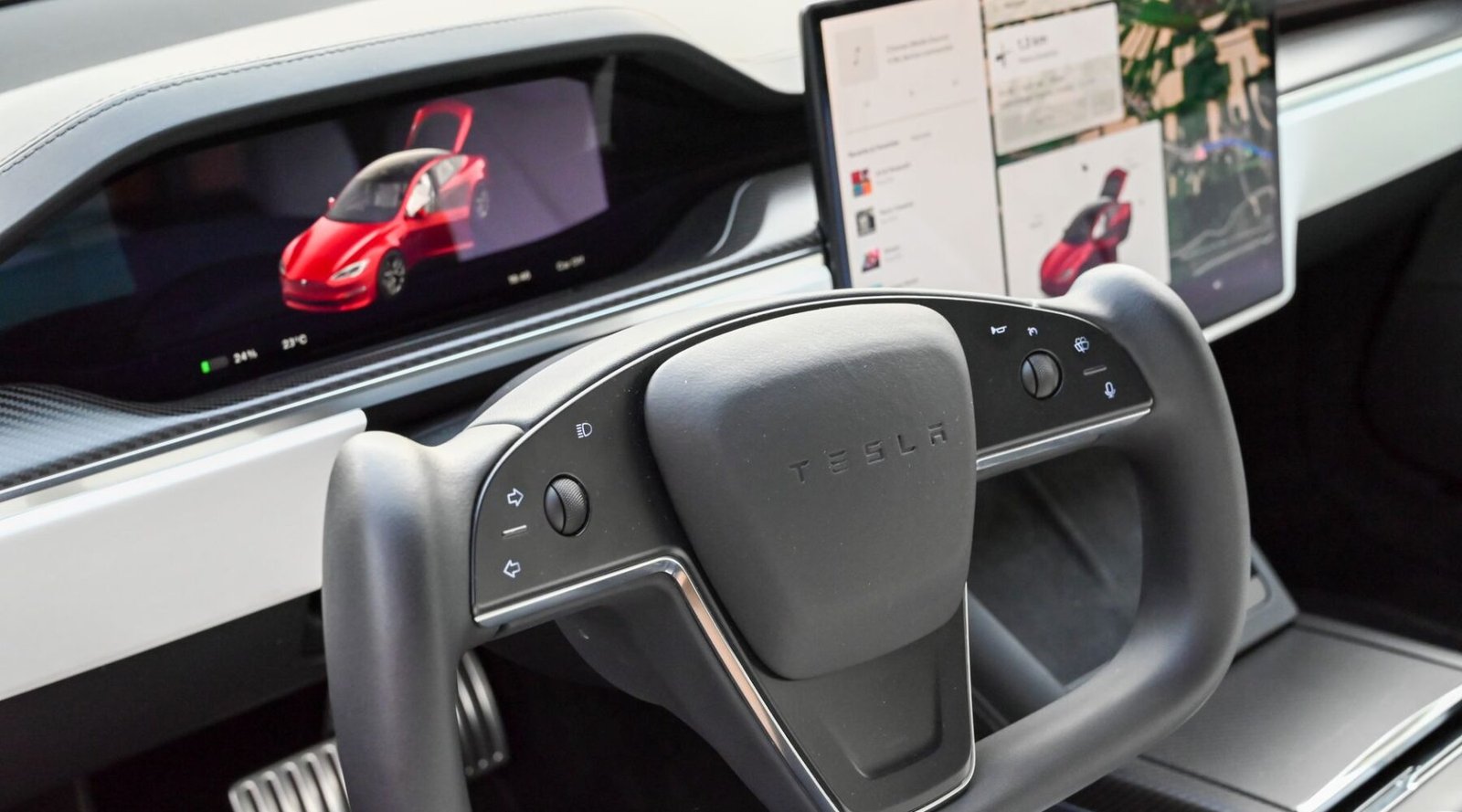
As technology advances, the interior of vehicles will evolve to enhance the user experience. Future cars will likely feature smart interiors equipped with advanced infotainment systems, gesture controls, and augmented reality displays. These innovations will create a more engaging and personalized driving experience.
Voice-activated systems will become more intuitive, allowing drivers to control various functions without taking their eyes off the road. Additionally, as connectivity improves, vehicles will be able to learn drivers’ preferences and adjust settings automatically. The integration of AI will play a significant role in creating a seamless user experience, making driving more enjoyable and less stressful.
Sustainable materials: Redefining car manufacturing
Environmental concerns are driving a shift towards more sustainable manufacturing practices in the automotive industry. Over the next decade, we can expect a greater emphasis on using recycled and renewable materials in vehicle production. Automakers are exploring alternatives to traditional plastics and metals, such as bio-based materials and recycled composites.
These sustainable materials not only reduce the environmental impact of manufacturing but can also improve vehicle efficiency. For example, lighter materials can enhance fuel economy and extend the range of electric vehicles. As consumer demand for environmentally friendly products increases, automakers will need to prioritize sustainability in their designs and production processes.
3D printing: Revolutionizing production and customization
3D printing technology is already making waves in various industries, and the automotive sector is no exception. In the next decade, we can expect 3D printing to revolutionize vehicle production and customization. This technology allows for rapid prototyping and the production of complex parts that would be difficult or expensive to manufacture using traditional methods.
One of the key benefits of 3D printing is its potential to reduce waste in the manufacturing process. By creating parts on demand, automakers can lower inventory costs and decrease their environmental footprint. Additionally, 3D printing opens the door for greater customization, allowing consumers to tailor their vehicles to their specific preferences.
Cybersecurity: Protecting the connected vehicle
As cars become more connected and reliant on software, cybersecurity will emerge as a critical concern. The potential for hacking and unauthorized access to vehicle systems poses significant risks to both safety and privacy. In the coming years, automakers will need to prioritize cybersecurity measures to protect vehicles from these threats.
This will involve implementing robust encryption protocols, regular software updates, and rigorous testing to identify vulnerabilities. Additionally, as connected vehicles interact with infrastructure and other devices, establishing secure communication channels will be essential to prevent cyberattacks that could disrupt traffic systems or compromise driver safety.
The future of automotive technology: A comprehensive vision
The technologies poised to change cars over the next decade represent a comprehensive vision for the future of mobility. Autonomous driving, electrification, connectivity, and advanced safety features will redefine the automotive landscape, making vehicles smarter, safer, and more sustainable.
As these innovations unfold, they will not only enhance the driving experience but also address pressing global challenges such as climate change and urban congestion. The next ten years promise to be an exciting time for the automotive industry, as it embraces these transformative technologies and redefines what it means to be mobile in a rapidly changing world.
Adaptive AI and the future of personalized driving experiences
As the automotive industry pivots toward electrification and automation, a lesser-known yet critical technology is gaining traction: adaptive artificial intelligence (AI). Unlike traditional AI systems that operate on fixed algorithms, adaptive AI is designed to learn and evolve based on real-time data and user interactions. This capability has the potential to revolutionize not only vehicle performance but also the overall driving experience.
One of the most promising applications of adaptive AI is in the realm of personalized driving experiences. Imagine a vehicle that learns your preferences over time—adjusting seating positions, climate controls, and even driving styles based on your habits. For example, if an individual frequently drives during the early morning hours, an adaptive AI could optimize the car’s performance for fuel efficiency or battery range during those times. This level of customization can enhance comfort and efficiency, catering to the unique needs of each driver.
Companies like Tesla and Waymo are already experimenting with adaptive algorithms that learn from user behavior. Tesla’s Autopilot system, for instance, leverages machine learning to improve its functionality based on data collected from millions of miles driven by its fleet. However, the full potential of adaptive AI extends beyond just driving assistance. It can also integrate with smart home systems, allowing the car to anticipate needs before the driver even arrives.
“The future will see cars that not only drive themselves but also understand their owners, creating a seamless integration between personal and automotive technology.”
Moreover, adaptive AI can enhance safety features by analyzing driving patterns and predicting potential risks. For instance, if a driver consistently swerves during sharp turns, the AI could adjust its driving assistance systems to provide more support in those situations, effectively reducing the likelihood of accidents. This predictive capability could lead to a significant decrease in road incidents, aligning with the broader industry goal of achieving zero fatalities.
In addition to improving individual driver experiences, adaptive AI can also optimize fleet management for commercial use. For instance, logistics companies could deploy a fleet of delivery vehicles equipped with adaptive AI that learns the most efficient routes based on traffic patterns and historical data. This not only reduces operational costs but also enhances delivery speed, providing a competitive advantage in the e-commerce sector.
As we look towards the next decade, the integration of adaptive AI in vehicles will likely become a standard feature rather than a luxury. This transition will require collaboration between automakers, AI developers, and regulatory bodies to ensure that these systems are safe, reliable, and user-friendly. With the right framework in place, adaptive AI could usher in a new era of automotive innovation, transforming not just how we drive, but how we interact with our vehicles on a daily basis.
The role of artificial intelligence in automotive innovation
As we look toward the future of automotive technology, artificial intelligence (AI) is poised to play a transformative role that goes beyond enhancing autonomous driving capabilities. AI’s integration into vehicle systems can significantly improve safety, efficiency, and overall driver experience. Companies are exploring AI applications in various aspects, from predictive maintenance to personalized in-car experiences.
One area where AI is making strides is in predictive maintenance. Traditional vehicle maintenance relies on set schedules or driver-reported issues, often leading to unnecessary service visits or delayed repairs. AI algorithms can analyze data from a vehicle’s sensors in real-time, monitoring factors such as engine performance, tire pressure, and battery health. For instance, companies like Tesla utilize machine learning models to predict when a component is likely to fail, allowing for proactive maintenance. This not only reduces costs for consumers but also enhances vehicle reliability.
In addition to maintenance, AI is transforming the way drivers interact with their vehicles. Advanced natural language processing enables cars to understand and respond to voice commands more effectively. This capability is being integrated into infotainment systems, allowing for seamless access to navigation, music, and communication without distracting the driver. Brands like Mercedes-Benz have introduced voice-activated assistants that learn from user preferences over time, making the driving experience more personalized. Future developments may even allow vehicles to anticipate driver needs, adjusting climate controls or suggesting routes based on past behavior.
Moreover, AI’s role in enhancing safety cannot be overstated. Advanced driver-assistance systems (ADAS) are utilizing AI to process data from cameras, radar, and lidar, helping vehicles make real-time decisions to avoid collisions. For example, Ford’s Co-Pilot360 employs AI to enhance features like adaptive cruise control and automatic lane-keeping, giving drivers increased confidence on the road. As these systems evolve, the potential for fully autonomous vehicles becomes more tangible, with AI at the core of decision-making processes that prioritize safety and efficiency.
AI is also expected to play a crucial role in the transition to electric vehicles (EVs). As manufacturers strive to improve battery efficiency and range, AI can optimize energy management systems within EVs. Companies like Rivian are already implementing AI algorithms to maximize battery life based on driving patterns and environmental conditions. This not only extends the range of electric vehicles but also enhances the overall sustainability of the automotive industry.
Looking ahead, the integration of AI in vehicles will likely lead to new business models and services. Subscription-based ownership models, where consumers pay for vehicle access rather than ownership, could become more prevalent. AI can facilitate this by managing fleet operations, ensuring vehicles are available when and where they are needed. For instance, companies like Zipcar and Turo are already experimenting with AI-driven fleet management solutions to optimize vehicle availability, maintenance schedules, and user experiences.
AI is not just a tool for innovation; it is a fundamental driver of change that will shape the future of the automotive industry.
In summary, the integration of artificial intelligence into automotive technology promises to enhance safety, efficiency, and user experience in profound ways. As we move forward, AI will become a cornerstone of innovation, fundamentally changing how we think about and interact with vehicles.
Related reading: Modern cars are becoming more like computers, and The mechanics, measurement, and reality of zero to sixty acceleration. For an outside reference on this topic, see NHTSA's vehicle safety resources.