
The 4 rotor engine represents a fascinating chapter in automotive engineering, blending innovation with performance. This type of rotary engine, featuring four rotors, has captured the attention of enthusiasts and manufacturers alike. Known for its unique design and operational principles, the 4 rotor engine stands apart from traditional piston engines, offering a combination of power and efficiency that is hard to match.
Key takeaways
- The 4 rotor engine offers unique design and performance benefits.
- Rotary engines operate on a different principle than conventional pistons.
- Mazda is the most notable manufacturer of 4 rotor engines.
Design and mechanics of the 4 rotor engine
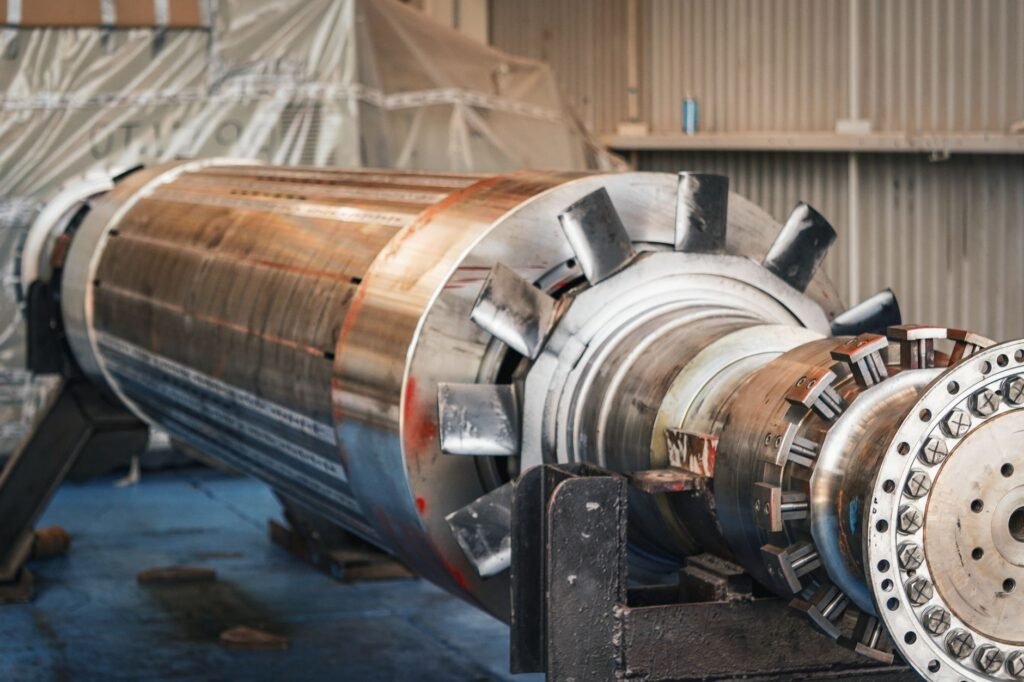
The fundamental design of a 4 rotor engine is based on the Wankel rotary engine concept, where the combustion process occurs in a chamber that is formed by the rotor’s movement within an eccentric housing. Each rotor operates in a manner similar to a piston, but instead of linear motion, it rotates around an eccentric shaft. This rotation creates three distinct chambers that facilitate the intake, compression, combustion, and exhaust processes in a continuous cycle.
Comparative analysis: rotary vs. piston engines
When comparing the 4 rotor engine to conventional piston engines, several key differences emerge. Piston engines rely on reciprocating motion, resulting in complex mechanical systems with many moving parts. In contrast, rotary engines have fewer parts, translating to lighter weight and potentially lower manufacturing costs. Additionally, rotary engines often feature a higher power-to-weight ratio, making them appealing for performance-oriented applications.
Performance characteristics
The 4 rotor engine is celebrated for its ability to deliver high power outputs while maintaining a compact size. This characteristic stems from its efficient combustion process and the inherent design advantages of rotary systems. The engine can produce significant torque at various RPMs, which contributes to a more responsive driving experience. Furthermore, the smooth rotation of the rotors minimizes vibrations, enhancing overall driving comfort.
Applications in motorsports
Motorsports have been a significant testing ground for the 4 rotor engine, showcasing its capabilities in high-performance environments. Vehicles equipped with rotary engines have excelled in various racing series, including endurance racing and rally competitions. Mazda’s RX-7 and RX-8 models, with their 4 rotor configurations, have achieved remarkable success on the track, illustrating the effectiveness of this engine type in demanding conditions.
Challenges and limitations
Despite its advantages, the 4 rotor engine is not without challenges. One of the primary concerns is fuel efficiency; rotary engines tend to consume more fuel than traditional piston engines, particularly during high-performance driving. Additionally, emissions regulations have posed obstacles for rotary engines, as they often struggle to meet stringent environmental standards. The design also leads to unique wear patterns, which can affect long-term durability if not properly maintained.

Future of the 4 rotor engine
As automotive technology continues to evolve, the future of the 4 rotor engine remains uncertain. Innovations in alternative fuels and hybrid technologies may offer new opportunities for rotary engines to integrate into modern vehicles. Furthermore, advancements in materials and engineering could address some of the limitations currently faced by rotary engines, potentially revitalizing interest in their use.
Notable 4 rotor engine models
While Mazda is the most recognized manufacturer of 4 rotor engines, there have been other notable examples. The RX-792P and the RX-500 are historical models that showcased the potential of rotary engines in a racing context. Each of these vehicles pushed the boundaries of performance and design, contributing to the legacy of the 4 rotor engine.
Conclusion: the allure of the 4 rotor engine
The 4 rotor engine remains an intriguing subject within the automotive community. Its unique design, performance characteristics, and rich history in motorsports underscore its significance in the broader automotive narrative. While challenges exist, the potential for innovation could pave the way for a resurgence of interest in rotary technology, making it an exciting area to watch in the years to come.

Advantages of a 4 rotor engine configuration
The 4 rotor engine configuration offers several unique advantages that enhance performance, efficiency, and reliability compared to traditional engine designs. Understanding these benefits can provide insights into why this configuration is gaining traction in various applications, from automotive to aerospace.
One of the primary advantages of a 4 rotor engine is its ability to produce a higher power-to-weight ratio. With four rotors working in concert, the engine can deliver substantial power without significantly increasing the overall weight. This characteristic is particularly valuable in automotive applications, where performance and speed are critical. For example, some high-performance sports cars equipped with 4 rotor engines have demonstrated acceleration rates that rival those of conventional supercars, all while maintaining a lighter chassis. This balance is achieved by distributing the power output across multiple rotors, ensuring a more efficient energy release.
Another significant benefit of the 4 rotor engine configuration is its smoother operation. The design inherently reduces vibrations and operational noise, resulting in a more refined driving experience. This is especially important in luxury vehicles and applications where passenger comfort is paramount. In comparison to traditional piston engines, which can produce uneven power strokes, the continuous rotation of rotors in a 4 rotor engine mitigates these issues. The result is not just a smoother ride but also reduced wear and tear on components, leading to longer maintenance intervals.
“The inherent design of the 4 rotor engine allows for a more balanced operation, which translates to less mechanical stress and enhanced durability.”
Fuel efficiency is another area where 4 rotor engines excel. By optimizing the combustion process across multiple rotors, these engines can achieve better thermal efficiency. This means that they extract more energy from each unit of fuel consumed, reducing fuel costs and emissions. In an age where environmental concerns are at the forefront, the ability to produce fewer emissions while maintaining high performance makes the 4 rotor engine a compelling choice for manufacturers looking to meet stringent regulatory standards. Some manufacturers have reported fuel economy improvements of up to 20% when utilizing 4 rotor configurations over traditional designs.
The design flexibility of the 4 rotor engine also warrants attention. Engineers can modify the configuration to suit various applications, whether it be in a high-output racing vehicle or a more sedate family car. The scalability of the design allows for adjustments in size and output, catering to diverse market needs without significant redesign costs. This adaptability encourages innovation, enabling new automotive designs that can leverage the advantages of the 4 rotor engine while still offering unique features to consumers.
Finally, the 4 rotor engine can contribute to improved thermal management. With multiple rotors, heat can be distributed more evenly throughout the engine, reducing hotspots that often lead to engine failure in traditional designs. Advanced cooling systems can be implemented more effectively, allowing for higher performance outputs without compromising reliability.
“When designed properly, the cooling efficiency of 4 rotor engines can extend the lifespan of critical components, making them a smart investment for high-performance applications.”
In summary, the advantages of a 4 rotor engine configuration extend beyond mere theoretical benefits. With higher power-to-weight ratios, smoother operation, enhanced fuel efficiency, design flexibility, and superior thermal management, this engine type is poised to play a significant role in the future of automotive and aerospace engineering. As technology continues to advance, the 4 rotor engine represents a promising pathway toward optimizing performance while addressing environmental and efficiency concerns.
Optimizing performance through advanced materials
The 4 rotor engine, while celebrated for its unique design and efficiency, also stands to benefit significantly from advancements in materials science. The choice of materials in engine construction not only affects weight and durability but also directly influences thermal efficiency and performance longevity. In recent years, manufacturers have explored a variety of materials that can withstand the high thermal and mechanical stresses inherent in rotary designs.
One promising avenue is the use of composite materials, particularly carbon fiber reinforced polymers (CFRPs) and ceramic matrix composites (CMCs). These materials offer an impressive strength-to-weight ratio, making them ideal candidates for various engine components, including housings and rotors. For instance, CMCs can endure higher temperatures compared to traditional metals, allowing for improved thermal efficiency and reduced cooling requirements. This is particularly pertinent in high-performance contexts, such as motorsport, where every ounce of weight savings can translate into improved acceleration and handling.
Additionally, the integration of advanced coatings has emerged as a critical area of research. Thermal barrier coatings (TBCs) can be applied to engine components to minimize heat loss and protect against oxidation and wear. This approach not only enhances performance by allowing the engine to operate at higher temperatures but also extends the lifespan of components, reducing maintenance costs and downtime. Real-world applications, such as those seen in aerospace and high-performance automotive sectors, illustrate the effectiveness of these coatings in pushing the boundaries of engine efficiency.
Another innovative material consideration involves the use of lightweight alloys, specifically aluminum-lithium and magnesium alloys. These materials can significantly reduce the overall weight of the engine without sacrificing strength. The impact on fuel efficiency can be substantial, particularly in applications that require high power-to-weight ratios. For example, a 4 rotor engine constructed with these alloys could see a reduction in weight by up to 20%, which could, in turn, enhance acceleration and responsiveness.
Moreover, the design of the rotor itself plays a crucial role in the engine’s performance. Engineers are now leveraging computer-aided design (CAD) tools and finite element analysis (FEA) to optimize rotor geometry, ensuring that each rotor is not only lightweight but also aerodynamically efficient. This optimization can lead to improved airflow and combustion efficiency, further enhancing the engine’s overall performance.
In the context of the automotive industry, manufacturers like Mazda have been pioneers in rotary engine development, and they continue to explore these advanced materials and design methodologies. Their recent prototypes showcase the potential for reduced emissions and increased power output, aligning with current environmental standards and consumer expectations.
“The future of the 4 rotor engine hinges on the ability to innovate not just in design but in the materials that make these engines more efficient and durable.”
In conclusion, the exploration of advanced materials in the context of the 4 rotor engine represents a crucial frontier. By embracing innovations in composites, lightweight alloys, and coatings, manufacturers can elevate the performance and reliability of these engines, making them more competitive in a rapidly evolving automotive landscape. As research continues to advance, the next generation of 4 rotor engines may redefine expectations for power and efficiency in the market.
Performance enhancements through advanced materials
The performance and efficiency of a 4 rotor engine can be significantly improved by utilizing advanced materials in its construction. Traditional engine designs typically rely on metals that can withstand high temperatures and pressures. However, the introduction of composite materials has opened new avenues for enhancing performance.
One notable example is the use of carbon fiber reinforced polymers (CFRP) in the rotor structure. CFRP offers a high strength-to-weight ratio, which allows for reduced rotor mass and subsequently improved engine response times. This lightweight characteristic enables the engine to achieve higher RPMs more quickly, enhancing acceleration in applications such as motorsports or aviation.
Additionally, ceramic matrix composites (CMCs) are being explored for components that experience extreme thermal stress, such as rotor housings. CMCs can withstand much higher temperatures than traditional metal alloys, allowing the engine to operate at higher thermal efficiencies. This leads to improved fuel combustion and reduced emissions, aligning with the increasing demand for environmentally friendly technologies.
“Using advanced materials not only enhances performance but also contributes to longevity, reducing the frequency of maintenance and component replacement.”
Furthermore, the integration of 3D printing technology in producing engine components can also lead to performance improvements. 3D printing allows for complex geometries that would be challenging to manufacture using conventional methods. For instance, internal cooling channels can be designed into rotor components, facilitating better thermal management. This innovative design can prevent overheating, which is a critical issue in high-performance engines.
Another area of advancement is surface treatments. Applying coatings that reduce friction and wear can substantially extend the lifespan of moving parts within the engine. For example, plasma-sprayed ceramic coatings can be applied to rotor surfaces to minimize energy losses due to friction, leading to a more efficient engine overall.
Real-world implementations of these advanced materials can be seen in high-performance automotive engines, such as those used in Formula 1 racing. Teams often utilize bespoke materials and manufacturing techniques to extract every possible advantage from their engines, pushing the boundaries of performance.
Moreover, in the aerospace sector, where weight savings can dramatically impact fuel efficiency and payload capacity, the adaptation of these materials is becoming increasingly prevalent. Aircraft engines that utilize lightweight composites and advanced cooling techniques can see significant improvements in fuel economy and operational range.
As the demand for high-performance engines continues to rise across various industries, the incorporation of advanced materials into the design and manufacturing of 4 rotor engines will play a crucial role in meeting these expectations. The synergy of innovative materials with traditional engineering principles presents a pathway toward more efficient and powerful engines, setting the stage for future advancements in the field.
Frequently asked questions
What is a 4 rotor engine?
A 4 rotor engine is a type of rotary engine featuring four rotors, which allows for high power output and efficiency. It differs significantly from traditional piston engines.
What are the advantages of a 4 rotor engine?
The main advantages include a compact design, smooth operation, and a high power-to-weight ratio. This technology also enables quicker throttle response.
Where are 4 rotor engines used?
4 rotor engines are primarily used in performance vehicles and motorsports. Mazda's RX-8 and RX-7 models are notable examples.
The bottom line
The 4 rotor engine showcases a unique engineering approach that continues to intrigue automotive enthusiasts. Its advantages make it a worthy consideration for performance applications.
Related reading: Understanding car undercoating benefits and techniques, and The 1994 Jeep Grand Cherokee: A Blend of Power and Comfort. For an outside reference on this topic, see the Department of Energy's home charging guide.