When a car makes noise when turning, it raises immediate concern for drivers. Understanding the potential causes of these noises is essential for maintaining your vehicle’s health and ensuring safety on the road. In this article, we will explore various types of noises, their implications, and what you can do to resolve them.
Understanding the common types of noises
Car noises can vary widely depending on their source, intensity, and frequency. When turning, you may experience clunking, squealing, grinding, or popping sounds. Each noise type can indicate different underlying issues, so it is crucial to accurately identify what you are hearing.
Clunking noise when turning
A clunking noise often signifies issues with suspension components, such as worn-out bushings, ball joints, or strut mounts. These parts are crucial for maintaining the vehicle’s stability and handling during turns. Over time, they can wear down due to normal wear and tear or exposure to rough driving conditions.
Diagnosing clunking noises
To diagnose clunking noises, a thorough inspection of the suspension system is necessary. Look for visible signs of wear or damage, and have a qualified mechanic check for play in the ball joints and bushings. If these components are found to be faulty, replacing them promptly is essential to restore safe handling.
Squealing noise when turning
Squealing noises are often associated with brake components. When you turn the steering wheel, the brake pads may come into contact with the rotors, particularly if the pads are worn or if there is a lack of lubrication on the brake components. Additionally, low-quality brake pads can also cause squealing sounds.
Checking brake components
To check for squealing noises, inspect the brake pads and rotors for wear. If the pads are worn down, they should be replaced immediately. Furthermore, ensure that the calipers are functioning correctly and the pads are adequately lubricated. Regular brake maintenance is vital for preventing noise and ensuring optimal braking performance.
Grinding noise when turning
If you hear a grinding noise while turning, it could indicate severe issues with the brake system or the wheel bearings. Worn brake pads may have reached the metal backing, leading to metal-to-metal contact with the rotors. Alternatively, failing wheel bearings can produce a grinding noise due to insufficient lubrication or damage.
Addressing grinding noises
Grinding noises require immediate attention. Inspect the brake pads and rotors first. If they appear worn, replace them to prevent further damage. If the noise persists, check the wheel bearings for wear or play. Replacing wheel bearings is crucial to avoid more extensive repairs down the line.
Popping noise when turning
Popping noises during turns can be attributed to several factors, including CV joint failure or issues with the suspension components. The constant velocity (CV) joints are essential for transferring power from the transmission to the wheels while allowing for up-and-down movement. If these joints are damaged, they can produce a distinct popping sound during turns.
Identifying the source of popping noises
To identify the source of popping noises, perform a visual inspection of the CV joints and suspension components. Look for torn boots or signs of grease leakage. If any damage is found, replacing the affected CV joints or suspension components is necessary to restore the vehicle’s handling and safety.
Steering system noises
Noises from the steering system can also be noticeable when turning. These noises may include whining, groaning, or clicking sounds, often caused by low power steering fluid, worn steering components, or air in the system.
Power steering system maintenance
Check the power steering fluid level in the reservoir. If it is low, top it up with the manufacturer-recommended fluid. If the noise continues, it may indicate a more serious issue, such as a failing pump or worn steering rack. Regular maintenance of the steering system helps prevent these issues from developing.
Assessing tire-related noises
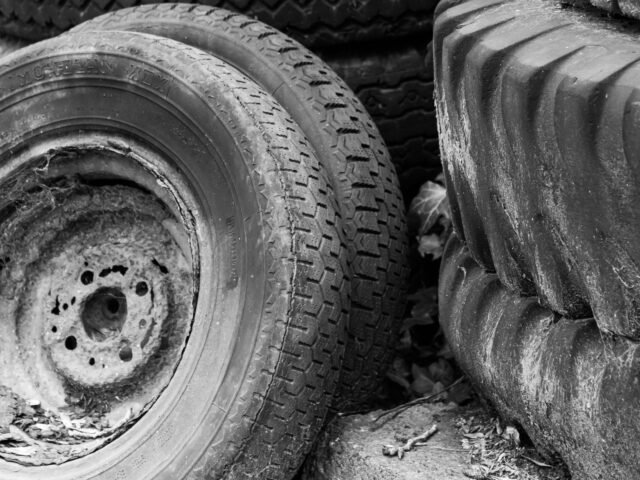
Tires can play a significant role in the noises you hear while turning. Uneven tire wear, improper inflation, or misalignment can cause various sounds, including chirping or humming. These issues can also affect your vehicle’s handling and safety.
Evaluating tire condition and alignment
Inspect your tires for uneven wear patterns and check their inflation levels. If you notice significant wear on one side, it could indicate misalignment or suspension problems. Regular tire rotations and alignments can help maintain even wear and prevent noise issues.
Conclusion: Taking action
When your car makes noise when turning, it is crucial to address the underlying issues promptly. Ignoring these sounds can lead to more severe damage and costly repairs down the line. Regular maintenance, including inspections of the suspension, brakes, steering, and tires, will help keep your vehicle in optimal condition and ensure a safe driving experience.
In summary, understanding the various types of noises your car may make when turning is essential for diagnosing and resolving potential problems. By staying proactive and maintaining your vehicle, you can minimize the risk of unexpected repairs and enjoy a safer driving experience.
Understanding suspension components and their impact on turning noise
When diagnosing the source of noise during turns, many drivers overlook the crucial role of suspension components. The suspension system is designed to maximize vehicle handling and comfort, but when certain parts wear out or become damaged, they can produce a range of noises that may be confused with other issues. Here, we will delve into the specific components of the suspension system that can cause noise when turning and how to identify and address these problems.
One of the primary components responsible for noise during turns is the strut assembly. Struts serve multiple purposes, including supporting vehicle weight and absorbing shocks from the road. As they age, the internal components can wear out, leading to knocking or clunking noises, especially when the vehicle is under load, such as during a turn. If you hear a noise that resembles a metallic clunk when turning, it might be time to inspect the strut mounts and the strut itself for any signs of damage or wear.
Another critical part to consider is the control arm, which connects the vehicle’s chassis to its wheels. Control arms are equipped with bushings that can degrade over time. When these bushings wear out, they can create a squeaking or groaning noise when the vehicle makes a turn. If you suspect a bad control arm bushing, look for signs of cracking or excessive play in the control arm. A simple inspection can save you from noise-related issues and potential steering problems down the line.
The tie rod ends also play a vital role in steering and suspension. These components connect the steering rack to the wheels and are essential for precise handling. Worn tie rod ends can lead to clunking noises when turning, as well as noticeable play in the steering wheel. If you feel a vibration or hear a popping sound when steering, it’s advisable to have the tie rods checked. Replacing worn tie rod ends can improve handling and eliminate noise.
Additionally, sway bar links are often overlooked but can contribute significantly to noise during turns. The sway bar helps to stabilize the vehicle during cornering, and its links can wear out over time. A failing sway bar link can produce a rattling noise when the vehicle turns, especially over bumps. Inspecting these links for wear and replacing them when necessary can resolve annoying sounds and enhance your vehicle’s stability.
The relationship between suspension noise and vehicle handling cannot be overstated, as worn or damaged components not only lead to uncomfortable sounds but can also compromise safety.
To effectively diagnose and address noise issues related to suspension components, it’s essential to conduct regular inspections. Drivers should pay attention to the feel of their vehicle while turning; any unusual noises should prompt a closer examination. A qualified mechanic can provide a thorough inspection of the suspension system, pinpointing any worn components. Regular maintenance, including lubrication of moving parts and timely replacement of worn components, will ensure a quieter and safer driving experience. By understanding the role of suspension components, drivers can take proactive measures to prevent noise and enhance the overall performance of their vehicle.
Understanding the role of suspension components
One of the often-overlooked causes of noise when turning is the condition of the suspension components. The suspension system is critical for maintaining vehicle stability, handling, and comfort. When components like bushings, struts, or control arms wear out or become damaged, they can produce a variety of noises during turns, signaling potential issues that need addressing.
For example, worn-out bushings can create a clunking or knocking noise when the vehicle is turning, as they fail to hold the suspension components securely in place. When the suspension flexes during a turn, the movement can cause metal-on-metal contact, which results in noticeable sounds that can be unsettling for the driver.
Another component to consider is the strut assembly. If the struts are leaking fluid or have worn seals, drivers may notice a grinding or squeaking noise when turning. This is particularly common in older vehicles or those frequently driven over rough terrain, which can accelerate wear on suspension parts. Regular inspections and timely replacements of struts can prevent these noises and improve overall ride quality.
Additionally, ball joints are crucial for connecting the suspension to the steering components. If these joints become worn, they can create popping or clicking noises during turns. Drivers may also feel a looseness in the steering, indicating that the ball joints require attention. It is vital to replace worn ball joints promptly, as failing to do so can lead to more severe steering problems and safety hazards.
Another often-neglected aspect is the quality of the alignment. Misalignment can lead to unusual tire wear and can cause noises when turning due to uneven stress on suspension components. If a vehicle pulls to one side or the steering wheel is off-center, it may be time for a professional alignment check. Ensuring that the wheels are properly aligned can alleviate noise issues and enhance handling.
In terms of preventative maintenance, regular inspections of the suspension system can help catch these issues early. Drivers should look for signs of wear such as cracks in the bushings, leaking struts, or play in the ball joints. Consulting a qualified mechanic for periodic checks can prevent minor issues from escalating into major repairs.
Moreover, understanding the role of specific suspension components can help drivers make informed decisions when buying used vehicles. A thorough inspection of the suspension system can reveal potential future costs associated with repairs, giving buyers leverage when negotiating prices.
“Ignoring suspension noises can lead to more significant problems. Regular inspections can save money and ensure safety on the road.”
In conclusion, while noises when turning can stem from various sources, focusing on the suspension components offers a comprehensive understanding of potential issues. Being proactive about maintenance and repairs not only enhances the driving experience but also ensures safety and vehicle longevity.
Impact of wheel alignment and suspension on turning noises
When a car makes noise while turning, it often signals underlying issues with wheel alignment and suspension components. These elements play a crucial role in the overall handling and stability of a vehicle, and any misalignment or wear can manifest as audible noises during turns. Understanding these aspects can help in diagnosing the problem more effectively.
Wheel alignment refers to the adjustment of the angles of the wheels so that they are set to the car manufacturer’s specifications. Proper alignment ensures that the tires meet the road at the correct angle, which not only reduces tire wear but also optimizes handling. When the alignment is off, drivers might hear clunking or grinding noises as the tires struggle to maintain contact with the road surface, especially during turns. For example, a vehicle with excessive negative camber may cause uneven tire wear and result in a popping noise when cornering due to the tires losing grip.
Suspension components, such as control arms, ball joints, and bushings, also play a crucial role in vehicle dynamics. Worn or damaged suspension parts can contribute significantly to noise when turning. For instance, a worn ball joint may produce a squeaking sound as it moves under load during a turn. Similarly, failing bushings can lead to rattling noises as the suspension system absorbs bumps and changes in direction. If a driver hears a thumping noise while turning, it may indicate that the strut assembly is compromised, requiring immediate attention to prevent further damage.
To address these issues, regular maintenance is essential. A thorough inspection of wheel alignment should be part of routine service, especially if new tires are being installed. Mechanics can use advanced alignment tools to ensure that all angles are within specifications. If misalignment is detected, adjustments can be made to the camber, caster, and toe angles to restore proper alignment.
Similarly, suspension components should be inspected for wear and tear. When taking the vehicle in for service, it’s wise to ask the technician to examine the suspension system. Signs such as uneven tire wear, excessive bounce when driving over bumps, or visible damage to suspension parts are indicators that components may need to be replaced. For example, if the rubber bushings appear cracked or deteriorated, replacing them can restore a quiet and smooth ride.
Regular checks of wheel alignment and suspension can prevent noise issues and enhance vehicle safety.
It’s also important to note that environmental factors can influence wheel alignment and suspension wear. For instance, driving on rough roads or hitting potholes can throw off alignment or damage suspension components. Drivers should be mindful of their driving conditions and take preventive measures, such as avoiding potholes whenever possible.
In conclusion, understanding the relationship between wheel alignment, suspension, and noise during turns is crucial for maintaining vehicle performance and safety. By prioritizing regular inspections and addressing any issues promptly, drivers can ensure a smoother, quieter driving experience.
Related reading: Cheap cars that look expensive, and Clear technical indicators that your engine requires fresh oil. For an outside reference on this topic, see NHTSA's vehicle resources.