When the coolant level is low, it can lead to significant issues for your vehicle’s engine. Understanding how to monitor, maintain, and address low coolant levels is crucial for any car owner. This article will explore the importance of coolant, the implications of low levels, and what you can do to ensure your vehicle runs smoothly.
The role of coolant in your engine
Coolant, often a mixture of water and antifreeze, plays a vital role in regulating engine temperature. It absorbs heat generated during combustion and dissipates it through the radiator. This process prevents the engine from overheating, which can lead to severe damage. In addition to temperature regulation, coolant also protects against rust and prevents the formation of scale within the cooling system.
Signs that your coolant level is low
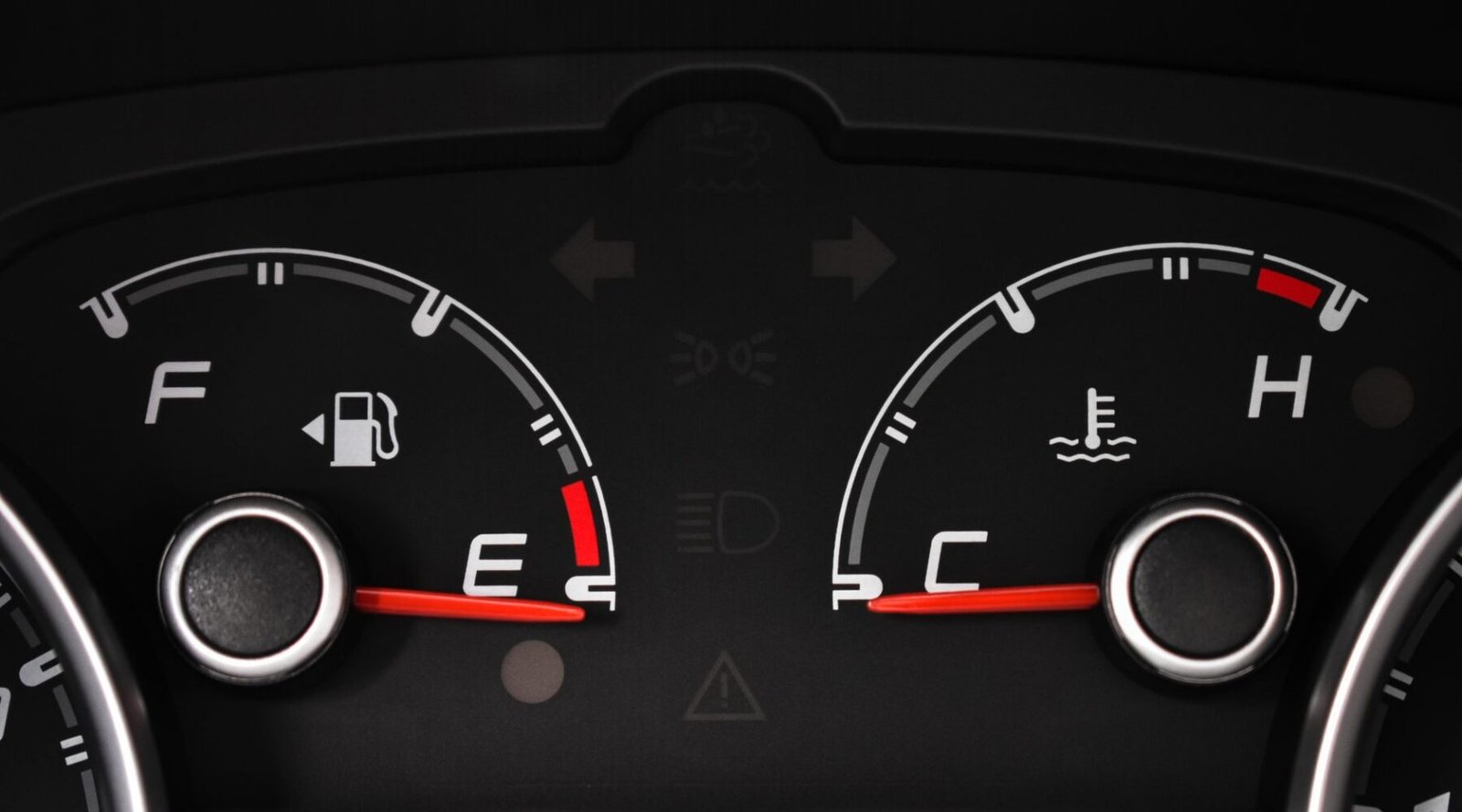
Monitoring coolant levels is essential for vehicle maintenance. One of the first signs of low coolant is the temperature gauge on your dashboard. If it starts to rise above the normal operating range, it may indicate that the coolant is insufficient. Other signs include:
- Overheating engine
- Visible coolant leaks under the vehicle
- Poor heater performance
- Unusual engine noises
If you notice any of these symptoms, it is essential to check your coolant levels promptly.
Understanding the causes of low coolant levels
Several factors can contribute to low coolant levels. Understanding these causes can help you prevent future issues:
- Leaks: This is the most common reason for low coolant levels. Leaks can occur in hoses, the radiator, or the engine block, and can be caused by wear and tear or damage.
- Evaporation: Over time, coolant can evaporate, especially if the system is not sealed properly. This is more common in older vehicles.
- Faulty radiator cap: A malfunctioning radiator cap can allow coolant to escape, leading to lower levels.
- Cooling system failure: A failure in the cooling system, such as a broken water pump or a clogged radiator, can affect coolant circulation and levels.
How to check your coolant levels
Checking coolant levels is a straightforward process that should be part of your routine vehicle maintenance. Here’s how to do it safely:
- Ensure the engine is cool before opening the hood to prevent burns.
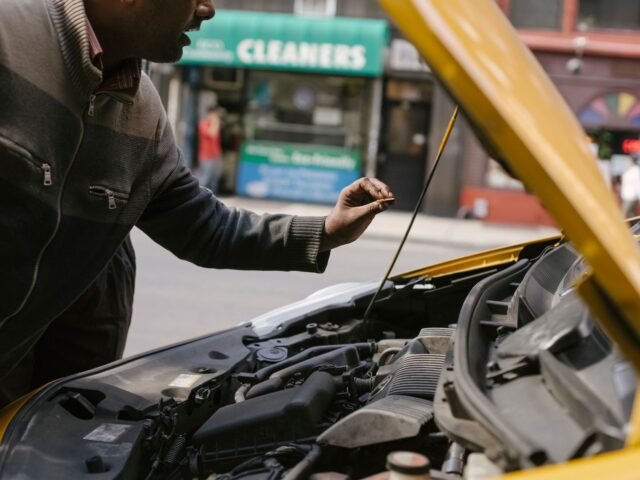
- Locate the coolant reservoir, usually a translucent plastic tank located near the radiator.
- Check the level against the markings on the side of the reservoir. The level should be between the “Low” and “Full” marks.
- If the level is below the recommended mark, it is time to add more coolant.
Adding coolant: a step-by-step guide
If you find that your coolant level is low, adding coolant is a simple task. Follow these steps to do it safely:
- Pick the right coolant for your vehicle. Consult your owner’s manual to find the correct type and mixture.
- Remove the cap from the coolant reservoir. If the engine has been running, wait for it to cool down.
- Slowly pour the coolant into the reservoir, stopping occasionally to check the level.
- Replace the cap tightly. Start the engine and let it run for a few minutes, checking for leaks.
Consequences of neglecting low coolant levels
Failing to address low coolant levels can lead to severe consequences, including:
- Engine overheating: Insufficient coolant can cause the engine to reach dangerously high temperatures, risking catastrophic failure.
- Head gasket failure: Overheating can warp the engine components, leading to head gasket failure, which is a costly repair.
- Increased wear and tear: Low coolant can accelerate the wear on engine components due to inadequate lubrication and cooling.
When to consult a professional
If you frequently find that your coolant levels are low, or if you notice leaks or other issues, it may be time to consult a professional mechanic. Persistent low coolant levels can indicate underlying issues that require expert diagnosis and repair. Factors such as:
- Repeated overheating
- Unusual engine noises
- Visible leaks
should all prompt a visit to the shop.
Preventative measures to maintain coolant levels
To avoid low coolant levels and the problems they can cause, follow these preventative measures:
- Regular checks: Make checking coolant levels a part of your routine maintenance, ideally every month or before long trips.
- Flush the cooling system: Over time, coolant can become contaminated. Flushing the system every two years can help maintain its effectiveness.
- Inspect for leaks: Regularly inspect hoses, the radiator, and connections for signs of wear or leaks.
- Use quality coolant: Always use the type of coolant recommended in your owner’s manual to ensure optimal performance.
Conclusion
Maintaining proper coolant levels is essential for your vehicle’s health and longevity. By understanding the role of coolant, recognizing the signs of low levels, and taking proactive measures, you can keep your engine running smoothly. Regular maintenance and timely intervention are key to preventing the serious consequences of neglecting coolant levels. If in doubt, don’t hesitate to consult a professional to ensure your vehicle remains in top condition.
Consequences of coolant system failure
The coolant system in an engine serves a crucial role in regulating temperature and preventing overheating. When the coolant level is low, it can lead to several cascading failures that affect not only engine performance but also the overall longevity of the vehicle. Understanding these implications can help drivers take proactive measures before they encounter severe issues.
One immediate consequence of low coolant levels is the risk of engine overheating. As the coolant circulates through the engine, it absorbs heat and dissipates it through the radiator. Without sufficient coolant, the engine is unable to maintain an optimal temperature, leading to thermal stress. For example, a vehicle experiencing overheating may display warning lights on the dashboard, and if ignored, this can result in a warped cylinder head or a blown head gasket, both of which are costly repairs.
Furthermore, low coolant levels can also lead to a decrease in engine efficiency. When the engine overheats, it can trigger the computer control systems to adjust parameters like fuel injection and ignition timing to prevent further damage. This adjustment often results in reduced power output and increased fuel consumption. For instance, vehicles equipped with turbochargers rely heavily on proper cooling; insufficient coolant can lead to premature turbo failure, further compounding repair costs.
“Maintaining proper coolant levels is not just about preventing overheating; it’s about preserving the entire engine system’s integrity and performance.”
In addition to direct damage to the engine, low coolant levels can compromise other vehicle systems. The transmission, for example, is often cooled by engine coolant. A drop in coolant levels can lead to elevated transmission temperatures, risking failure and expensive repairs. This is particularly critical in vehicles that tow or carry heavy loads, where the additional strain can exacerbate the impact of inadequate cooling.
Another less obvious but equally crucial aspect is the effect of low coolant on the vehicle’s heating system. The heater core relies on hot coolant to provide cabin heat in colder months. Low coolant levels can result in insufficient heat output, making driving uncomfortable and potentially hazardous in extreme conditions. Drivers may find themselves without heat during winter, forcing them to choose between comfort and safety.
To mitigate these risks, regular maintenance checks should include inspecting coolant levels and the integrity of the cooling system. Drivers should be vigilant for signs of coolant leaks, such as puddles under the vehicle or a sweet smell in the engine bay. Additionally, using the correct type of coolant and ensuring that the system is properly bled of air can help maintain optimal performance.
In summary, low coolant levels can have far-reaching effects beyond simple overheating. The implications touch on efficiency, comfort, and vehicle longevity. Drivers must understand these risks to prioritize regular coolant maintenance, thereby safeguarding their investment and ensuring reliable vehicle operation over time.
Understanding coolant additives and their importance
While the coolant level itself is critical to engine performance, the composition of the coolant is equally important. Coolant is not just water; it typically consists of a mixture of water and antifreeze, which contains various additives designed to enhance performance and protect the engine. Understanding these additives can provide deeper insight into the implications of a low coolant level.
There are several key additives in modern coolants:
1. **Corrosion inhibitors**: These prevent rust and corrosion within the engine and cooling system. Without sufficient coolant, the concentration of these inhibitors can drop, leading to increased metal wear and potential engine damage.
2. **Antifoam agents**: These additives reduce the formation of foam, which can impede the circulation of coolant. A low coolant level may compromise these agents, resulting in inefficient cooling and overheating.
3. **pH buffers**: Maintaining a proper pH level is essential for engine health. Low coolant levels can lead to an imbalance in pH, causing acidic conditions that can corrode engine components.
Consider a scenario where a vehicle is regularly experiencing low coolant levels due to leaks or evaporation. If the coolant is not replenished regularly, the concentration of these essential additives diminishes over time. For example, a vehicle with a persistent low coolant condition may begin to show signs of rust on engine components or experience overheating due to foam buildup in the coolant system.
Take the case of a popular model, the Ford F-150. Users have reported that over time, neglecting to maintain proper coolant levels has led to premature water pump failures and radiator corrosion. These failures often stem from inadequate corrosion inhibitors and pH buffers, which would have otherwise protected the engine parts. In some instances, the cost to replace a water pump can run into hundreds of dollars, not to mention the labor costs involved.
In addition to protecting the engine, coolant additives also play a crucial role in facilitating heat transfer. When the coolant level is low, the system may not be able to absorb and dissipate heat effectively. This inefficiency can lead to engine overheating, which poses significant risks including warped cylinder heads and blown gaskets.
Another often-overlooked aspect is the environmental impact of coolant leakage. Many coolants contain ethylene glycol, which is toxic to animals and humans alike. A low coolant level may indicate a leak that can have far-reaching consequences beyond just engine performance. For instance, if the coolant seeps into the ground or water supply, it can lead to environmental contamination, necessitating costly clean-up efforts.
Lastly, understanding the specific type of coolant used in your vehicle can help in maintaining optimal performance. Different vehicles often require different coolant formulations, including organic acid technology (OAT) or inorganic acid technology (IAT). Using the wrong type of coolant can exacerbate issues related to low coolant levels.
In conclusion, while a low coolant level is a clear indicator of potential engine trouble, the implications extend far beyond immediate overheating risks. Understanding the role of coolant additives and their depletion can provide valuable insights into long-term vehicle health and the potential costs associated with neglecting this critical fluid.
Long-term effects of neglecting coolant levels
While a low coolant level can prompt immediate concern, the long-term consequences of neglecting this essential fluid can be severe, impacting both the vehicle’s performance and the owner’s wallet. Understanding these implications is crucial for maintaining your vehicle’s longevity and efficiency.
First, a consistent lack of adequate coolant can lead to overheating, which is one of the most significant risks for any engine. When the coolant level drops, the engine’s ability to dissipate heat diminishes, causing the temperature to rise beyond safe operating levels. This overheating can warp the cylinder heads and damage gaskets, leading to costly repairs. For instance, if a driver frequently ignores coolant warnings, they may find themselves facing a head gasket replacement—a process that can range from $1,000 to $2,500, depending on the make and model of the vehicle.
Moreover, the coolant itself is not just water; it contains additives that prevent corrosion and scale buildup within the engine. When coolant levels are low, these additives become less effective. Over time, this can lead to rust and corrosion inside the engine block, water pump, and radiator. A corroded cooling system can further exacerbate overheating issues, creating a vicious cycle of neglect and escalating repair costs. For example, a rusty radiator can leak coolant, which then necessitates further attention and may require a complete radiator replacement, costing upwards of $500.
Another aspect to consider is the environmental impact. Coolant is toxic and can pose a hazard if it leaks onto the ground or into waterways. Many areas have strict regulations regarding coolant disposal and leaks, and failing to address a coolant leak can result in fines or legal repercussions. Responsible vehicle maintenance includes ensuring that coolant levels are adequate and addressing any leaks promptly to minimize environmental harm.
Additionally, the performance of the vehicle can suffer under conditions of low coolant. Drivers may notice a decrease in fuel efficiency, as the engine struggles to operate at optimal temperatures. This drop in efficiency can translate to higher fuel costs over time, which can be particularly significant for those who drive long distances or use their vehicles for work purposes.
To mitigate these risks, vehicle owners should adopt a proactive approach to coolant maintenance. Regularly checking coolant levels, especially before long trips or during seasonal changes, can prevent many of the aforementioned issues. It is also advisable to flush the cooling system and replace old coolant according to the manufacturer’s recommendations, usually every two to three years. This maintenance helps ensure that the system remains free of debris and corrosion, extending the life of the vehicle.
In summary, a low coolant level may seem like a minor issue, but its long-term implications can cascade into significant mechanical failures and financial burdens. By prioritizing coolant maintenance, vehicle owners can protect their investment and ensure a safer, more reliable driving experience.
Related reading: How to keep your car running smoothly for years, and How to know when your tires need replacing. For an outside reference on this topic, see NHTSA's vehicle resources.