
A car misfire is a common issue that many drivers face, and it can lead to a host of performance problems. Understanding the nuances of a misfire, including its causes and how to remedy it, is crucial for maintaining your vehicle’s reliability and efficiency.
Key takeaways
- A car misfire can cause significant engine performance issues.
- Common causes include faulty spark plugs, ignition coils, and fuel delivery problems.
- Identifying and addressing misfires early can prevent further engine damage.
What is a car misfire?
A car misfire occurs when the engine’s combustion process fails to ignite the air-fuel mixture in one or more cylinders. This can result in a variety of symptoms, including a rough idle, noticeable loss of power, and increased emissions. Misfires can occur intermittently or consistently, depending on the underlying issue.
Common causes of car misfire
The causes of car misfires can be diverse, ranging from minor issues to more serious engine problems. Identifying the exact cause is essential for effective repairs. Here are some common culprits:
Faulty spark plugs
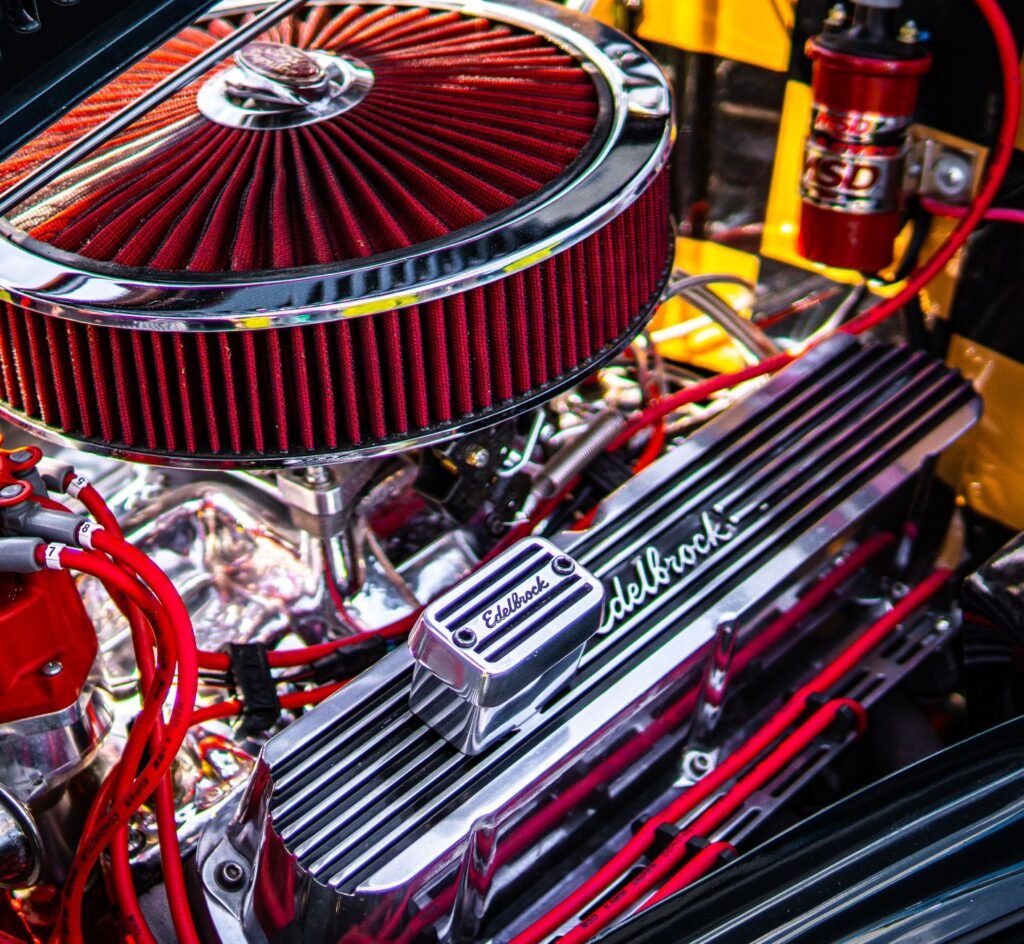
Spark plugs are vital for igniting the air-fuel mixture in the combustion chamber. Over time, they can wear out, become fouled, or degrade due to heat and deposits. When this happens, they may not provide a strong enough spark, leading to misfires. Regularly checking and replacing spark plugs can prevent this issue.
Ignition coil failure
Ignition coils are responsible for transforming the battery’s voltage into a high-voltage spark. If an ignition coil fails, it can cause a misfire in the cylinder it serves. Symptoms of a failing ignition coil may include a rough idle and a check engine light. Replacing faulty coils is often necessary to restore engine performance.
Fuel delivery issues
A misfire can also arise from issues with fuel delivery. If fuel injectors are clogged or malfunctioning, they may not deliver the correct amount of fuel to the engine. This can lead to an air-fuel mixture that is too lean or too rich, causing a misfire. Regular maintenance of the fuel system can help avoid these problems.
Vacuum leaks
Vacuum leaks can disturb the air-fuel mixture, resulting in a misfire. These leaks can occur in hoses, intake manifolds, or gaskets. Identifying and sealing these leaks is crucial for maintaining proper engine function.
Sensor malfunctions
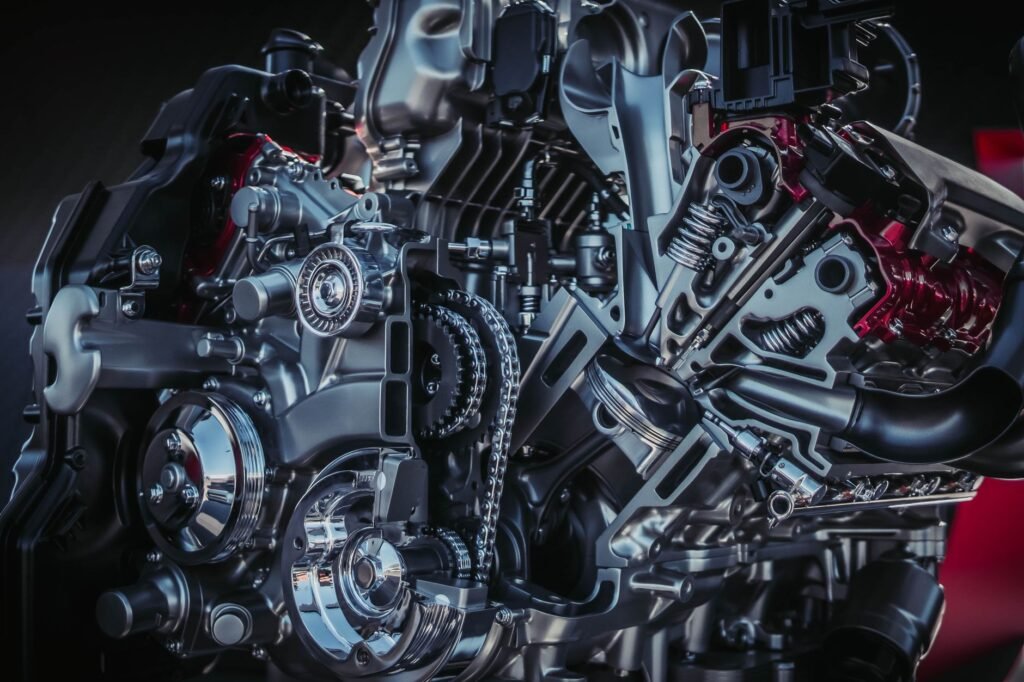
Modern vehicles rely heavily on sensors to monitor and control engine performance. If sensors such as the mass airflow sensor (MAF) or oxygen sensors fail or provide incorrect readings, they can lead to an improper air-fuel mixture and subsequent misfires. Diagnosing and replacing faulty sensors is essential for resolving these issues.
Symptoms of a car misfire
Recognizing the symptoms of a car misfire can help drivers address the issue before it escalates. Here are some common signs to watch for:
Rough idle
A rough or uneven idle is one of the most noticeable symptoms of a misfire. The engine may shake or vibrate when stopped, indicating that one or more cylinders are not firing correctly.
Decreased acceleration
If the vehicle struggles to accelerate or feels sluggish, it may be a sign of a misfire. This loss of power can make driving less enjoyable and may even pose safety risks.
Check engine light
When a misfire occurs, the vehicle’s onboard diagnostics system will often trigger the check engine light. This warning indicates that something is wrong with the engine and should not be ignored.
Unusual engine noises
Drivers may notice unusual sounds, such as popping or backfiring, which can indicate that a misfire is occurring. These noises can be alarming and are a clear sign that something is wrong.
Diagnosing a car misfire
Diagnosing a car misfire involves a systematic approach to identify the underlying problem. Here are some steps that mechanics typically follow:
Using diagnostic tools
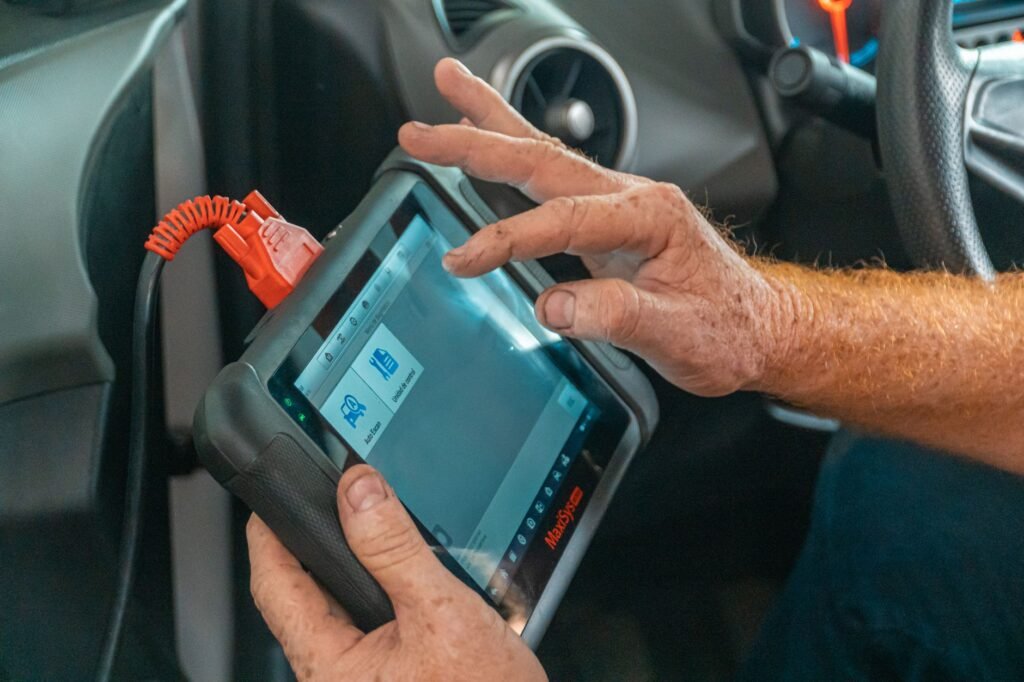
Automotive diagnostic tools, such as an OBD-II scanner, can help identify issues related to misfires. These tools can read trouble codes stored in the vehicle’s computer, providing valuable insights into which cylinders are misfiring and why.
Visual inspection
A thorough visual inspection of the engine components can reveal signs of wear or damage. Mechanics will check spark plugs, ignition coils, fuel injectors, and vacuum hoses for any visible issues that could contribute to a misfire.
Testing fuel pressure
Low fuel pressure can lead to misfires due to inadequate fuel delivery. Mechanics may use fuel pressure gauges to test the system and ensure that the fuel pump and injectors are functioning correctly.
Compression test
A compression test can help determine the health of the engine’s cylinders. Low compression in one or more cylinders may indicate internal problems, such as a blown head gasket or worn piston rings, that could cause misfires.
Fixing a car misfire
Once the underlying cause of a misfire has been identified, addressing the issue is essential for restoring engine performance. Here are some common solutions:
Replacing spark plugs and ignition coils
If faulty spark plugs or ignition coils are diagnosed as the problem, replacing them is often straightforward and can restore proper engine function. It’s advisable to use OEM or high-quality aftermarket parts to ensure reliability.
Cleaning or replacing fuel injectors
If clogged fuel injectors are causing the misfire, cleaning them with a professional injector cleaner may resolve the issue. In some cases, replacement may be necessary for persistent problems.
Repairing vacuum leaks
Identifying and sealing vacuum leaks can restore the proper air-fuel mixture, eliminating misfires. This may involve replacing damaged hoses or gaskets.
Replacing faulty sensors
If sensor malfunctions are causing the misfire, replacing the faulty sensors can help restore engine performance. Regularly checking and maintaining sensors can prevent issues in the future.
Preventing car misfires
Prevention is always better than cure. Here are some proactive measures that can help prevent car misfires:
Regular maintenance
Regular maintenance, including oil changes, filter replacements, and inspections, can help keep your engine in optimal condition. Adhering to the manufacturer’s recommended service intervals is essential.
Quality fuel
Using high-quality fuel can help prevent issues related to fuel quality, such as contamination or improper combustion. Consider using fuel with a higher octane rating if your vehicle’s manufacturer recommends it.
Monitor engine performance
Paying attention to how your vehicle performs can help identify potential problems early. If you notice changes in acceleration, idling, or unusual noises, consult with a mechanic promptly.
Conclusion
A car misfire can significantly impact your vehicle’s performance and reliability. Understanding the causes, symptoms, and solutions is crucial for maintaining an efficient engine. Through regular maintenance and prompt attention to issues, you can keep your vehicle running smoothly and avoid the complications associated with misfires.
Advanced diagnostics for car misfire issues
While basic troubleshooting can often resolve car misfires, more complex issues may require advanced diagnostic techniques. Understanding the intricacies of modern automotive technology can lead to more accurate diagnoses and effective solutions. This section will delve into some advanced diagnostic methods that can help pinpoint the root causes of a misfire.
One of the most effective tools for diagnosing misfires in modern vehicles is the use of an onboard diagnostics (OBD-II) scanner. This device connects to the vehicle’s computer system and retrieves error codes that can indicate specific problems. For instance, a code of P0301 signifies a misfire in cylinder one, while P0302 indicates a misfire in cylinder two. By using these codes, technicians can quickly narrow down the potential issues related to fuel delivery, ignition system faults, or compression problems.
However, not all misfire issues will trigger a diagnostic code. In cases of intermittent misfires, where the problem occurs sporadically, a more hands-on approach may be necessary. Technicians can use a scope to visually inspect the ignition waveform. This technique allows them to observe the electrical patterns as the engine operates, providing insights into the health of the ignition system. A healthy waveform indicates a strong spark, while irregularities can indicate problems with ignition coils or spark plugs.
In addition to these methods, performing a cylinder leak-down test can also reveal critical information about engine health. This test involves pressurizing each cylinder and measuring how much air escapes. A high percentage of loss may indicate issues with valves, piston rings, or head gaskets, all of which can contribute to misfire conditions.
“Advanced diagnostics not only save time but also enhance the accuracy of repairs, ensuring that the root cause of misfires is addressed effectively.”
Another valuable tool in the diagnostic arsenal is the use of a fuel pressure gauge. Fuel delivery problems can often masquerade as misfire symptoms. By checking the fuel pressure against manufacturer specifications, technicians can determine if the fuel pump or fuel filter is the culprit. A drop in fuel pressure can lead to insufficient fuel reaching the cylinders, resulting in misfires under load.
Moreover, examining the vehicle’s air intake system can also provide clues. A clogged air filter or malfunctioning mass airflow sensor (MAF) can disrupt the air-fuel mixture, leading to misfires. Regularly checking these components can prevent misfire issues from arising in the first place.
Lastly, it’s essential to consider the role of software updates in modern vehicles. Engine control units (ECUs) are often updated by manufacturers to fix bugs or enhance performance. A software glitch can sometimes lead to misfire conditions. Ensuring that the vehicle’s software is up to date can mitigate some misfire issues that appear to have no mechanical cause.
In summary, advanced diagnostics for car misfire issues involve a combination of OBD-II scanning, waveform analysis, cylinder leak-down testing, fuel pressure measurements, and air intake inspections. Understanding and utilizing these techniques can lead to more accurate diagnoses and effective resolutions, ultimately saving time and reducing repair costs for vehicle owners.
Exploring diagnostic tools for car misfire issues
Diagnosing a car misfire can often feel like searching for a needle in a haystack. Fortunately, technology has advanced dramatically, providing mechanics and car enthusiasts with a range of diagnostic tools to pinpoint the root cause of misfires with precision. Understanding these tools can empower vehicle owners to take a proactive approach to maintenance and repair.
One of the most critical tools in diagnosing a misfire is the OBD-II scanner. This device connects to a vehicle’s onboard diagnostics system to retrieve error codes that indicate where the malfunction lies. For example, if the scanner shows a code related to a misfire in cylinder 2, the focus can immediately shift to that specific area. Common codes include P0301 to P0304, which correspond to misfires in cylinders 1 through 4, respectively. Mechanics can use these codes as a starting point but must go further to investigate the underlying issues.
While OBD-II scanners provide valuable data, they do not always offer a complete picture. This is where more advanced diagnostic tools come into play. A digital multimeter can measure voltage, current, and resistance in the ignition system. Suppose a misfire is suspected due to ignition coil failure. In that case, a technician can test the coil’s resistance against manufacturer specifications. For instance, a typical ignition coil should have a primary resistance between 0.5 to 2 ohms. If the reading falls outside this range, it indicates a faulty coil that may need replacement.
Another invaluable diagnostic tool is the oscilliscope, which allows technicians to visualize the electrical signals in the ignition system. By capturing waveforms, a technician can assess the timing and strength of the spark being delivered to each cylinder. For example, a weak or erratic waveform could signify problems with the ignition module or coil, while a perfectly consistent waveform indicates a healthy system. The oscilloscope’s ability to reveal real-time data makes it an essential tool in diagnosing complex misfire issues.
In addition to these tools, some technicians employ a compression tester to evaluate the health of the engine itself. A low compression reading in a cylinder can indicate internal issues like worn piston rings or a blown head gasket, leading to misfires. For instance, a compression reading below 100 psi in a healthy engine could be a telltale sign of serious internal damage that needs immediate attention.
“Understanding how to effectively use diagnostic tools not only saves time but also prevents unnecessary repairs, ultimately leading to a more efficient vehicle operation.”
Moreover, software programs that analyze data collected from various sensors can provide insights into performance trends over time. These programs can help identify when misfires occur in relation to certain RPM ranges or engine loads, allowing for a more targeted investigation. For example, if misfires are consistently documented at high RPMs, this could indicate fuel delivery issues that might not appear at lower speeds.
Lastly, it is essential to remember that proper maintenance plays a crucial role in preventing misfires. Regular inspections, tune-ups, and replacing worn-out components such as spark plugs and fuel filters can mitigate the chances of misfires occurring in the first place. By integrating diagnostic tools with routine maintenance, car owners can ensure their vehicles operate at optimal performance.
In conclusion, the combination of modern diagnostic tools and preventative maintenance strategies equips vehicle owners and technicians with the knowledge needed to effectively address car misfires. By understanding the capabilities of OBD-II scanners, digital multimeters, oscilloscopes, and compression testers, along with a commitment to ongoing vehicle care, drivers can significantly enhance their chances of identifying and resolving misfires swiftly and accurately.
Frequently asked questions
What is a car misfire?
A car misfire occurs when one or more cylinders in the engine fail to ignite the air-fuel mixture properly. This can lead to poor performance and increased emissions.
What are the symptoms of a misfire?
Common symptoms include a rough idle, reduced power, and unusual engine noises. You may also notice a decrease in fuel efficiency.
How can I fix a misfire?
Fixing a misfire often involves diagnosing the root cause, which may include replacing spark plugs, ignition coils, or checking fuel injectors for blockages.
The bottom line
Car misfires can affect performance and reliability. Understanding their causes and addressing them promptly can enhance your vehicle's lifespan.
Related reading: Production speed records and the engineering behind the 300 mph boundary, and What a Track Day Actually Teaches You About Your Daily Driver. For an outside reference on this topic, see NHTSA's vehicle safety resources.