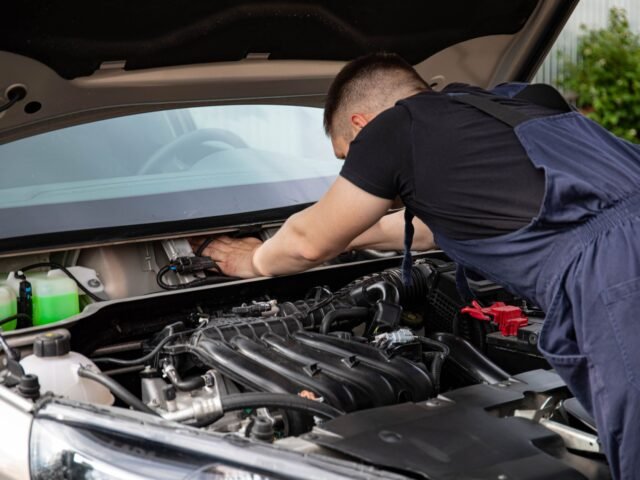
A car pulling to the right is a common frustration for drivers. This issue can stem from various causes, including misalignment, tire pressure discrepancies, and even suspension problems. Understanding the reasons behind this phenomenon is essential for effective resolution and maintaining vehicle safety.
Key takeaways
- A car pulling to the right can indicate alignment or tire issues.
- Regular maintenance helps prevent steering and alignment problems.
- Identifying the root cause early can save on costly repairs.
Understanding vehicle alignment
Vehicle alignment refers to the adjustment of the angles of the wheels and suspension components. Proper alignment ensures that the tires make optimal contact with the road, which is crucial for handling, safety, and tire longevity. When a vehicle is out of alignment, it affects how the tires wear and can cause the car to pull to one side, typically to the right or left, depending on the specifics of the misalignment.
Common causes of pulling to the right
Several factors may contribute to a car pulling to the right. The most prevalent causes include:
1. Misalignment
Misalignment is the most common reason for a vehicle pulling to one side. This can occur due to hitting a pothole, driving over a curb, or general wear and tear. Misalignment affects the camber, caster, and toe angles of the wheels, resulting in uneven tire wear and altered vehicle handling.
2. Uneven tire pressure
Another significant factor is uneven tire pressure. If one tire is under-inflated compared to the others, it can cause the car to pull in the direction of the under-inflated tire. Regular tire pressure checks can help prevent this issue.
3. Tire wear
Worn tires can also lead to pulling. If tires are unevenly worn, perhaps due to improper alignment or rotation, they can affect steering and cause the vehicle to drift to one side. Checking tire tread depth regularly can help identify this issue early.
4. Suspension problems
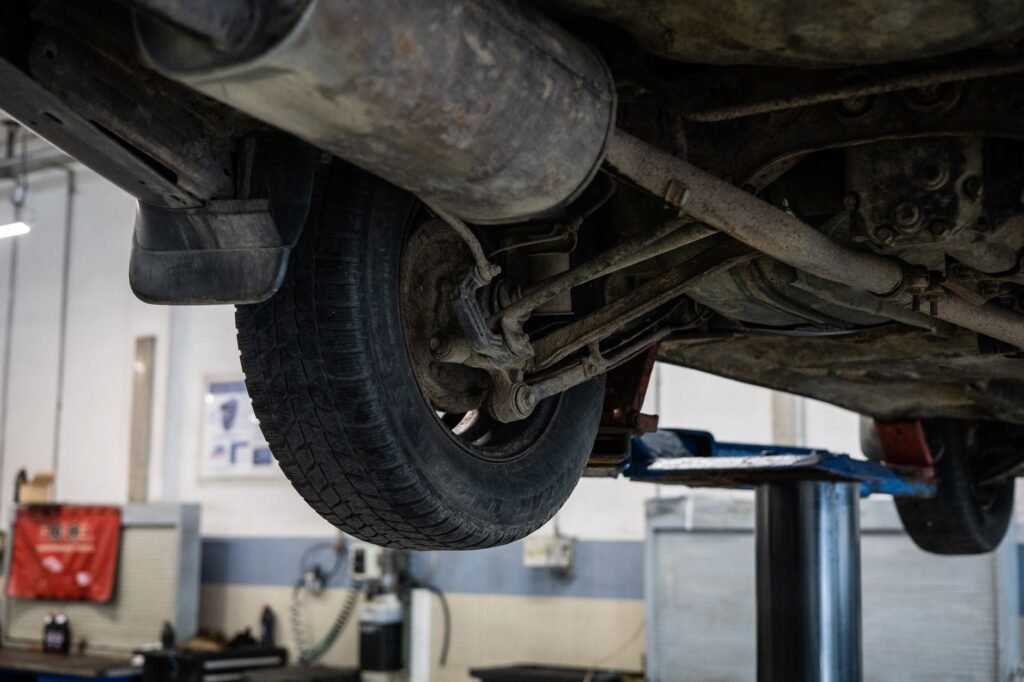
Issues with the suspension system can also lead to a car pulling to the right. Components such as struts, shocks, and bushings that are worn or damaged can alter the vehicle’s handling and alignment, resulting in pulling. A thorough inspection of the suspension system is essential if alignment and tire conditions are normal.
5. Brake issues
Sometimes, brake problems can cause a vehicle to pull to one side. If a brake caliper is sticking or a brake pad is worn unevenly, it can affect how the car handles, particularly when braking. This issue must be addressed immediately, as it can compromise safety.
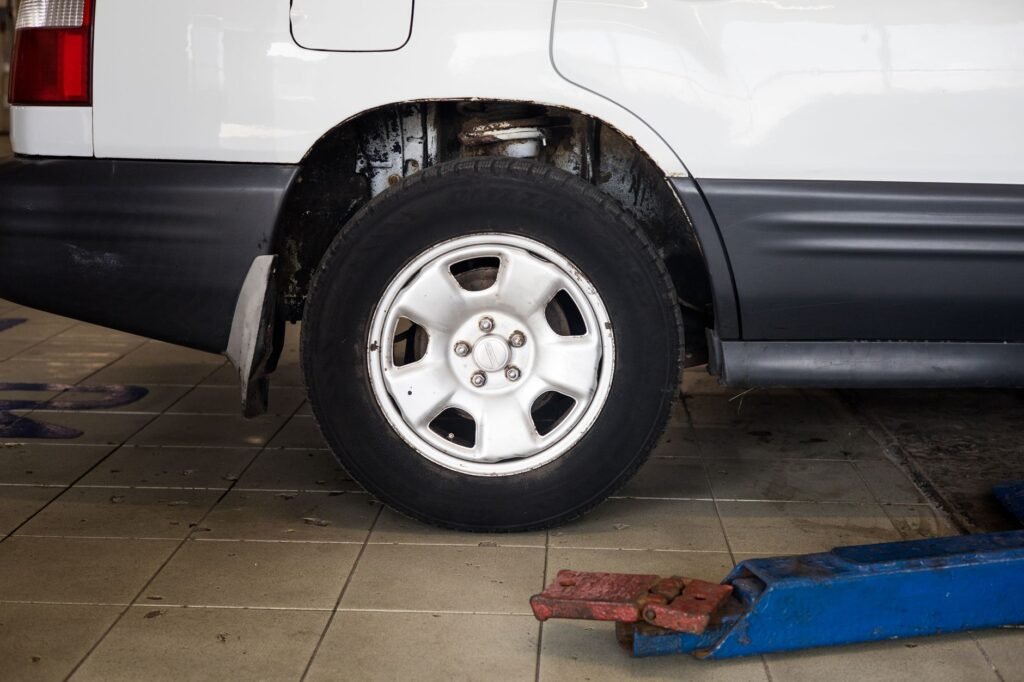
Diagnosing the problem
To diagnose why your car pulls to the right, a systematic approach is necessary. Start with the simplest factors and work your way up to more complex issues.
1. Check tire pressure
Begin by checking the tire pressure in all four tires. Ensure they are inflated to the manufacturer’s recommended levels. If any tire is significantly lower than the others, inflate it to the correct pressure and take the car for a test drive.
2. Inspect tires for wear
Examine the tires for uneven wear patterns. Look for bald spots or areas of excessive wear on one side of the tire. If you notice significant wear, consider rotating or replacing the tires.
3. Test drive
After checking the tire pressure and inspecting the tires, take the vehicle for a test drive. Pay attention to how it handles on straight and curved roads. If the pulling persists, it may be time to inspect alignment or suspension components.
Correcting alignment issues
If misalignment is determined to be the cause of the car pulling to the right, correcting it should be a priority. This process typically involves a four-wheel alignment performed by a professional mechanic.
1. Four-wheel alignment
A four-wheel alignment involves adjusting the angles of all four wheels to the manufacturer’s specifications. This process ensures that the wheels are parallel to each other and perpendicular to the ground. Proper alignment can significantly improve handling and prevent uneven tire wear.
2. Regular maintenance
To avoid future alignment issues, regular maintenance is essential. This includes routine inspections of the suspension system, tire rotations, and periodic alignments based on driving habits and road conditions.
Tire and suspension checks
Even with proper alignment, other components can contribute to pulling issues. Regularly check the tires and suspension system to ensure everything is functioning correctly.
1. Tire rotation
Rotating tires regularly helps promote even wear and extends the lifespan of the tires. Following the manufacturer’s recommended rotation schedule is crucial for optimal performance.
2. Suspension inspection
Have the suspension components inspected regularly. Look for signs of wear, such as leaking shocks or struts, and replace any damaged parts. A well-maintained suspension system contributes to better handling and stability.
Addressing brake-related issues
If the diagnosis points towards brake issues, immediate attention is necessary. Here are steps to take:
1. Brake inspection
Inspect the brake system for any signs of wear or damage. Check the brake pads, rotors, and calipers for uneven wear or sticking. Addressing these issues promptly can prevent further complications.
2. Professional assessment
If you are not familiar with brake systems, consider seeking professional help. A qualified mechanic can diagnose and fix brake issues effectively, ensuring safe vehicle operation.
Preventive measures
Preventing a car from pulling to the right involves consistent maintenance and regular checks. Here are some tips to keep your vehicle in optimal shape:
1. Schedule regular maintenance
Adhering to a maintenance schedule is crucial for vehicle longevity. Regular oil changes, tire rotations, and inspections can help prevent many issues related to alignment and handling.
2. Check tire pressure regularly
Develop a habit of checking tire pressure at least once a month. This practice can help identify potential issues before they escalate into significant problems.
3. Be mindful of driving habits
Pay attention to driving habits that can contribute to alignment issues, such as hitting potholes or curbs. Practicing defensive driving can help preserve your vehicle’s alignment and suspension components.
Conclusion
A car pulling to the right is a symptom of various underlying issues that can compromise safety and performance. By understanding the causes and implementing regular maintenance practices, drivers can ensure their vehicles operate smoothly. Early diagnosis and timely interventions are vital in addressing this common problem, ultimately leading to a safer and more enjoyable driving experience.
Tire wear patterns and their impact on vehicle alignment
One often overlooked factor that can contribute to a car pulling to the right is the condition of the tires. Tire wear patterns can indicate underlying issues with alignment and suspension that, if left unaddressed, can lead to more severe handling problems. Regularly checking tire wear is essential for both safety and performance. A tire that is worn on one side more than the other can cause the vehicle to pull in the direction of the greater wear. This is particularly common when a vehicle has not been properly aligned after tire installation or following an incident such as hitting a pothole.
For example, if the front left tire shows excessive wear on the inner edge, while the right front tire appears normal, the vehicle may pull to the right. This is due to the uneven distribution of traction and the steering geometry being compromised. Regularly rotating tires can help mitigate this issue, as it promotes even wear across all tires. However, even with tire rotation, misalignment can still cause pulling if not corrected.
“A thorough inspection of tire wear can reveal alignment issues before they become critical, ensuring a smoother driving experience and extending tire life.”
Another significant aspect of tire wear is the type of tires being used. Different tires have varying performance characteristics, including tread patterns and rubber compounds, which can affect handling. For instance, a tire designed for all-season performance may behave differently than one designed for high performance or off-road use. When selecting tires, consider the intended use of the vehicle and ensure that the tires are suited for it. Mismatched tires can lead to inconsistent handling and may exacerbate pulling issues.
In addition to tire wear, the age of the tires also plays a critical role. Tires degrade over time, even if they appear to have adequate tread depth. Manufacturers recommend replacing tires every six years, regardless of tread wear. Aging tires can lose their ability to maintain proper traction and handling, contributing to issues like pulling. Inspect tires for signs of cracking, bulging, or other deterioration, as these can compromise vehicle performance.
Moreover, it is essential to consider how tire pressure can contribute to pulling. Under-inflated tires can create more rolling resistance on one side of the vehicle, leading to uneven handling. Regularly checking and maintaining the correct tire pressure as specified by the vehicle manufacturer is a simple yet often neglected maintenance task that can help prevent pulling issues.
“Maintaining proper tire pressure is not just a matter of fuel efficiency; it’s crucial for ensuring safe and stable handling on the road.”
Finally, while tire wear and alignment are critical factors in a car pulling to the right, they are not the only culprits. Other components, such as worn suspension parts or even brake issues, can also lead to similar symptoms. Therefore, a comprehensive inspection by a qualified technician is advisable if a vehicle consistently pulls to one side. By addressing tire wear patterns, selecting the right tires, ensuring proper inflation, and maintaining alignment, drivers can enjoy a safer and more comfortable driving experience.
Tire wear patterns and their impact
When a vehicle pulls to the right, one of the most critical factors to consider is the condition of the tires. Uneven tire wear can lead to handling issues that manifest as a pull to one side. Tires should be regularly inspected for wear patterns, which can indicate misalignment, incorrect tire pressure, or even suspension problems.
A common scenario is the presence of camber wear. This occurs when the tires are tilted inward or outward relative to the road surface. For example, if the top of the tire leans inward, the inner edge will wear more quickly than the outer edge. This uneven wear can cause the vehicle to pull to the side with the more worn tire. Monitoring tire tread depth and ensuring that the alignment is within the manufacturer’s specifications can prevent this issue.
Another important aspect is the tire pressure. Under-inflated tires can create excessive flexing, leading to increased rolling resistance on one side and causing the vehicle to drift. Regularly checking tire pressure using a reliable gauge is essential, as even a small deviation from the recommended PSI can significantly impact handling and alignment.
“Tire pressure should be checked at least once a month and before long trips to ensure optimal performance.”
Moreover, tire rotation is a critical maintenance practice that can help ensure even wear across all tires. Typically, tires should be rotated every 5,000 to 8,000 miles, but this may vary based on driving habits and vehicle type. By regularly rotating tires, you can promote even wear and extend the life of your tires while minimizing the likelihood of pulling issues.
In addition to tire maintenance, it is crucial to consider the overall suspension system. Components such as control arms, bushings, and struts can wear out over time, leading to alignment issues that contribute to pulling. If the suspension is not functioning properly, it can exacerbate tire wear and make the vehicle feel unstable. A thorough inspection of the suspension by a qualified technician can identify worn parts that need replacement.
For example, a vehicle with worn struts may not absorb bumps effectively, causing the tires to lose contact with the road and leading to erratic handling. Addressing suspension issues not only improves ride quality but also helps maintain proper alignment and tire wear.
“Regular inspections of both tires and suspension components can save drivers from costly repairs down the road.”
Lastly, it’s worth noting the role of driving habits in tire wear. Hard cornering, aggressive acceleration, and sudden braking can lead to uneven tire wear and alignment issues. Educating drivers on the importance of smooth driving can contribute to the longevity of both tires and the alignment system.
In conclusion, understanding the relationship between tire wear, pressure, and suspension can provide valuable insights into why a vehicle may pull to the right. Maintaining proper tire condition and alignment, along with adopting responsible driving habits, can significantly enhance vehicle performance and safety on the road.
Frequently asked questions
What does it mean if my car pulls to the right?
If your car pulls to the right, it indicates an issue with alignment or tire pressure. It can lead to uneven tire wear and affect handling.
How can I fix a car that pulls to the right?
To fix this issue, start by checking the tire pressure and inspecting the tires for uneven wear. If those are fine, a professional alignment may be necessary.
Can I drive my car if it pulls to the right?
While you can drive a car that pulls to the right, it is not advisable. It can lead to further damage and increase the risk of accidents.
The bottom line
Addressing a car that pulls to the right promptly is crucial for safety and vehicle longevity. Regular checks and maintenance can prevent these issues.
Related reading: Paul’s Transmission: A deep dive into quality automotive service, and Understanding code P0457 and its implications. For an outside reference on this topic, see NHTSA's vehicle safety resources.