
Code P0463 is a diagnostic trouble code (DTC) that signifies an issue with the fuel level sensor circuit. In modern vehicles, the fuel level sensor plays a crucial role in relaying information about the amount of fuel in the tank to the engine control module (ECM). When the ECM detects a malfunction in this sensor or its circuit, it triggers code P0463.
Key takeaways
- Code P0463 indicates a problem with the fuel level sensor circuit.
- This code can lead to inaccurate fuel readings and potential fuel system issues.
- Diagnosing code P0463 involves checking the fuel level sensor and related wiring.
Understanding the Fuel Level Sensor
The fuel level sensor is typically located in the fuel tank and consists of a float that moves up and down with the fuel level. As the float moves, it alters the resistance in the sensor, sending a corresponding voltage signal to the ECM. This signal is then interpreted to display the fuel level on the dashboard gauge.
Common Causes of Code P0463
Several factors can lead to the activation of code P0463. Understanding these causes is vital for accurate diagnosis and repair:
Faulty fuel level sensor
The most common reason for code P0463 is a malfunctioning fuel level sensor. Wear and tear or physical damage to the sensor can impair its ability to accurately read fuel levels.
Wiring issues
Damaged or corroded wiring and connectors leading to the fuel level sensor can disrupt the signal sent to the ECM, resulting in code P0463. It’s essential to inspect the wiring harness for any visible damage.
ECM problems
In some cases, the ECM itself may malfunction, leading to incorrect readings and the triggering of code P0463. However, this is less common than sensor or wiring issues.
Symptoms of Code P0463
When code P0463 is triggered, several symptoms may manifest, alerting the driver to a potential issue with the fuel system:
Inaccurate fuel gauge readings
One of the most noticeable symptoms of code P0463 is an inaccurate fuel gauge. The gauge may read empty when there is fuel in the tank or show a full tank when it is not.
Dashboard warning lights
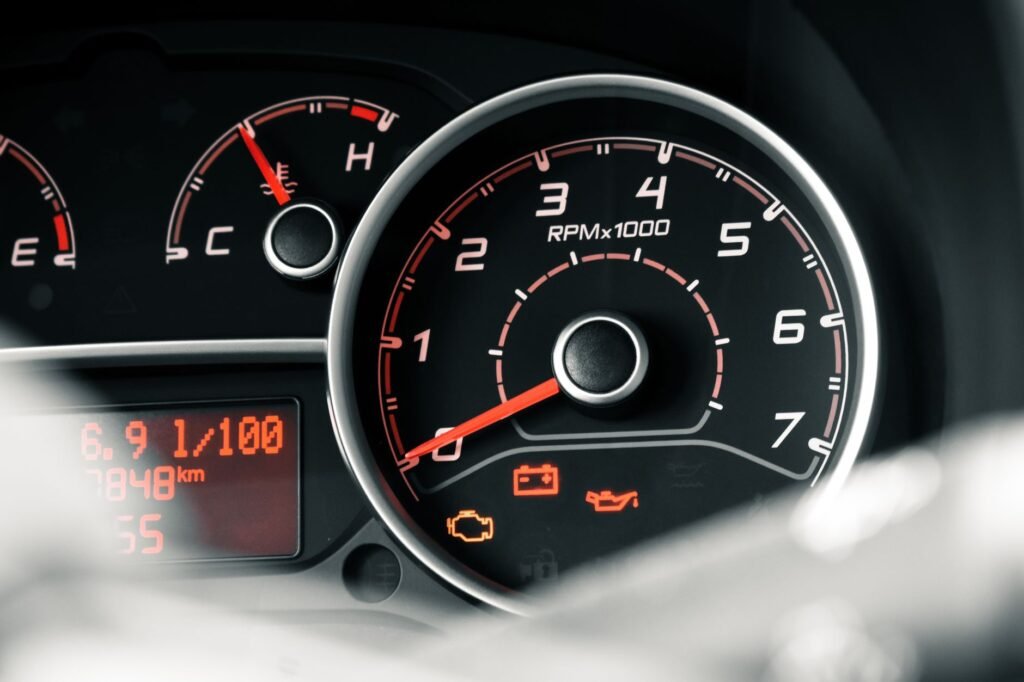
Drivers may also notice the illumination of the check engine light or other dashboard warning lights. These alerts indicate that the vehicle’s onboard diagnostics have detected an issue.
Potential fuel delivery issues
In some instances, a malfunctioning fuel level sensor can lead to fuel delivery problems, which may affect engine performance and reliability.
Diagnosing Code P0463
Proper diagnosis of code P0463 involves several steps to pinpoint the exact cause of the problem. Here’s a structured approach to diagnosing this code:
Step 1: Scan for codes
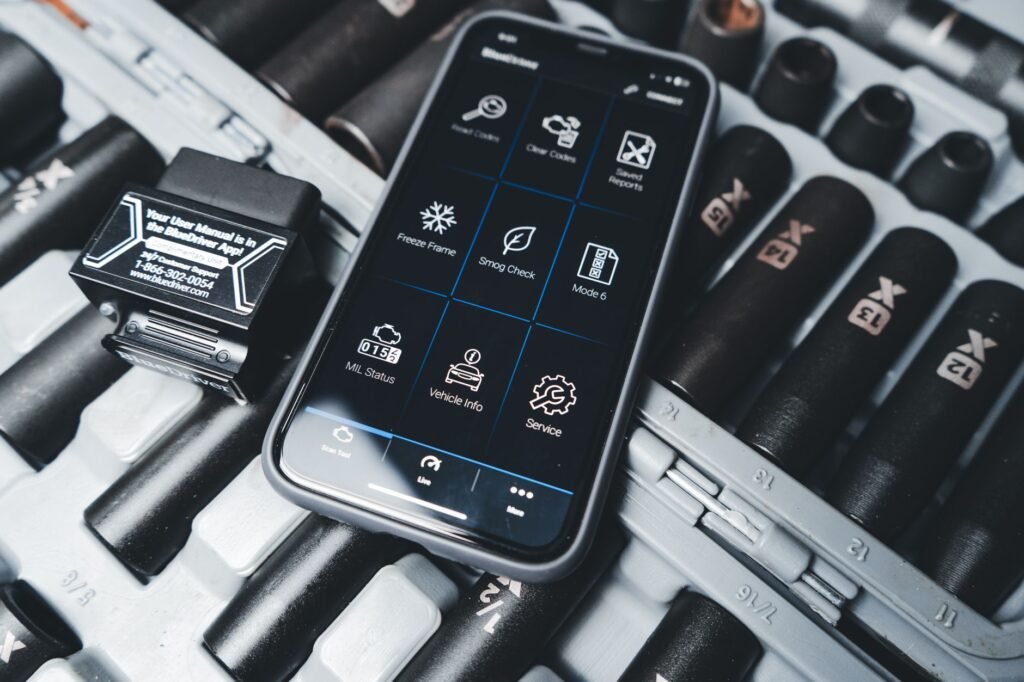
Begin by using an OBD-II scanner to confirm that code P0463 is present. Take note of any other related codes that may provide additional insight into the issue.
Step 2: Visual inspection
Conduct a visual inspection of the fuel level sensor, wiring, and connectors. Look for signs of damage, corrosion, or loose connections that could affect the circuit.
Step 3: Test the fuel level sensor
Using a multimeter, test the resistance of the fuel level sensor. Compare the readings to the manufacturer’s specifications to determine if the sensor is functioning correctly.
Step 4: Check the ECM
If the fuel level sensor and wiring appear to be in good condition, the next step is to check the ECM for faults. This may involve using specialized diagnostic equipment or software.
Repairing Code P0463
Once the cause of code P0463 has been identified, the necessary repairs can be undertaken. Common repair solutions include:
Replacing the fuel level sensor
If the sensor is determined to be faulty, replacing it with a new one will often resolve the issue. Ensure that the replacement sensor is compatible with the vehicle’s make and model.
Repairing wiring and connectors
When damaged wiring or connectors are found, repairs may involve soldering connections, replacing damaged wires, or using electrical tape to secure loose connections.
Reprogramming or replacing the ECM
In rare cases where the ECM is faulty, reprogramming or replacing it might be necessary, which can be a more involved and costly repair.
Preventing Code P0463
While some factors leading to code P0463 may be unavoidable, there are steps drivers can take to minimize the risk:
Regular vehicle maintenance
Routine maintenance checks can help catch issues with the fuel level sensor or wiring before they escalate. Regular inspections can also prolong the life of components.
Use quality fuel
Using high-quality fuel can reduce the buildup of deposits in the fuel system that may affect the sensor’s operation.
Avoid running on empty
Consistently running the vehicle with a low fuel level can lead to sediment buildup in the fuel tank, which may damage the sensor over time.
Conclusion
Code P0463 serves as an important diagnostic tool in identifying issues within the fuel level sensor circuit. Understanding its implications, symptoms, and causes can empower drivers to take proactive steps in maintaining their vehicles. By addressing the underlying issues promptly, vehicle owners can ensure accurate fuel readings and overall reliability. Proper diagnosis and repair not only save time and money but also enhance the driving experience.
Advanced troubleshooting techniques for P0463
Code P0463 indicates an issue with the fuel level sensor circuit, commonly leading to erroneous fuel level readings on the vehicle’s dashboard. While basic diagnostic steps involve checking the sensor and wiring, advanced troubleshooting techniques can help pinpoint the exact nature of the malfunction more effectively. Here, we explore a few sophisticated methods that can aid in diagnosing P0463.
One advanced technique is the use of a digital multimeter to perform a voltage drop test on the sensor circuit. This method helps identify any resistive connections that may not be visible during a visual inspection. To conduct this test, you should connect the multimeter probes to the fuel level sensor connector terminals while the ignition is in the ‘on’ position without starting the engine. A healthy circuit typically shows minimal voltage drop (less than 0.2 volts). If the reading exceeds this threshold, it indicates potential issues with wiring or connectors that could lead to incorrect sensor readings.
Another effective approach is to utilize a scan tool that supports live data monitoring. By observing real-time data from the fuel level sensor, you can compare the values against expected readings. For example, if the fuel gauge shows a reading of empty while the tank is known to be full, it indicates a malfunction. Additionally, many advanced scan tools offer the capability to perform active tests, allowing you to command the fuel level sensor to report specific values. This can validate whether the issue lies with the sensor itself or if it could be a problem in the signal path.
“Utilizing a digital multimeter and live data analysis can significantly reduce diagnostic time and improve accuracy in identifying the root cause of P0463.”
In cases where the basics have been checked and the problem persists, a thorough examination of the vehicle’s ground connections is critical. A poor ground can cause erratic sensor behavior. Ensuring that the ground connections are clean and secure can often resolve intermittent faults. Additionally, it may be beneficial to inspect the vehicle’s ECU. A malfunctioning ECU can sometimes misinterpret signals from the fuel level sensor, leading to the appearance of a P0463 code. Checking for updates or reprogramming the ECU, if necessary, can sometimes rectify the issue.
Moreover, environmental factors should not be overlooked. Issues such as corrosion within the fuel tank or the presence of debris can obstruct the float mechanism of the fuel level sensor, leading to inaccurate readings. If the sensor itself is found to be faulty, replacing it with an OEM part is recommended to ensure compatibility and accuracy.
Finally, understanding the vehicle’s specific fuel system architecture can provide invaluable insights. Different manufacturers employ varying designs for fuel level sensors, ranging from simple float mechanisms to more complex resistive or capacitive systems. Familiarizing yourself with the vehicle’s service manual can provide schematics that reveal potential problem areas associated with the specific design of the fuel level sensor.
“Understanding the unique architecture of the fuel system can guide technicians in troubleshooting more effectively and efficiently.”
By employing these advanced diagnostic techniques, automotive technicians can enhance their ability to accurately diagnose and resolve issues associated with code P0463, ultimately saving time and improving customer satisfaction.
Environmental factors affecting P0463 codes
While the diagnostic trouble code (DTC) P0463 primarily indicates an issue with the fuel level sensor circuit, its manifestation can be influenced by a range of environmental factors that are often overlooked during troubleshooting. Understanding these factors can lead to more accurate diagnostics and effective repairs.
One significant environmental factor is temperature. Extreme temperatures, whether hot or cold, can affect the electrical resistance of the fuel level sensor and the wiring harness. For instance, in cold weather, the fuel may thicken, leading to inaccurate readings, while in hot weather, expansion of the fuel can also yield erroneous sensor readings. Technicians should consider testing the sensor’s performance across a range of temperatures to determine if temperature fluctuations contribute to the P0463 code.
Another factor to consider is the quality of the fuel. Contaminated or low-quality fuel can introduce particulates that may obstruct the fuel level sensor or affect its operation. For example, the presence of water in the fuel can lead to corrosion of the sensor’s components, resulting in a faulty reading. Therefore, checking the fuel quality and ensuring that it meets the vehicle manufacturer’s specifications can be crucial in diagnosing a persistent P0463 code.
Vibration and movement can also play a pivotal role in the accuracy of fuel level readings. Vehicles subjected to rough terrains or frequent off-road conditions may experience increased wear on the wiring and connectors associated with the fuel level sensor. Loose connections or damaged wiring can lead to intermittent faults that trigger the P0463 code. A thorough inspection of the harness and connectors for signs of wear, corrosion, or damage should be part of the diagnostic process.
Moreover, electrical interference from other components can complicate diagnostics. For example, a failing alternator or battery can introduce voltage fluctuations that affect the entire electrical system, including the fuel level sensor. Technicians should monitor the vehicle’s voltage levels and ensure that the power supply to the sensor is stable and within the manufacturer’s specifications.
Finally, the installation of aftermarket components can also influence the performance of the fuel level sensor. Modifications such as aftermarket fuel pumps or fuel tanks may not be compatible with the factory-installed sensor, leading to inaccurate readings and the illumination of a P0463 code. Thus, it is vital to verify that all components in the fuel system meet OEM standards.
In conclusion, addressing the P0463 code requires a comprehensive approach that goes beyond simple sensor replacement. By considering environmental factors, technicians can enhance their diagnostic accuracy and improve repair outcomes.
Impact of fuel level sensor malfunction on vehicle performance
The fuel level sensor plays a crucial role in providing accurate data for engine management systems. Code P0463 indicates a malfunction, which can lead to various performance issues beyond the simple inconvenience of a faulty fuel gauge. Understanding these implications can help in diagnosing and addressing the root causes effectively.
When the fuel level sensor fails, it may report incorrect fuel levels to the engine control unit (ECU). This miscommunication can prompt the ECU to make erroneous adjustments to the air-fuel mixture. For instance, if the system believes the fuel level is low, it may enrich the mixture unnecessarily, resulting in higher emissions and degraded fuel efficiency.
Moreover, in modern vehicles equipped with advanced fuel management systems, the malfunction can trigger a cascade of diagnostic trouble codes (DTCs). This is particularly evident in hybrid and electric vehicles where the fuel level sensor’s accuracy is vital for managing energy resources. The interplay between fuel and electric power management systems means that a fault in one can adversely affect the other, leading to performance degradation.
For example, a manufacturer might have a specific fuel level sensor design that interacts with the vehicle’s hybrid battery management system. A failure in the sensor could lead to overusing the battery during low fuel scenarios, creating excess wear and tear on the battery pack.
In addition to performance impacts, a faulty fuel level sensor can also lead to safety concerns. If a driver is unaware of the actual fuel level due to incorrect readings, it could result in running out of fuel unexpectedly, leading to potential roadside hazards. In critical situations, this could also impede the vehicle’s ability to operate efficiently, especially in stop-and-go traffic where fuel management becomes increasingly important.
Diagnostic tools can assist in pinpointing the issue, allowing technicians to isolate the fuel level sensor’s performance from other potential faults within the fuel system. A thorough examination of the wiring, connectors, and the sensor itself is essential. For example, corrosion in the connectors or damaged wiring can mimic sensor failure and should be ruled out during diagnostics.
Furthermore, the integration of the fuel level sensor with other vehicle systems highlights the importance of regular vehicle maintenance. Ensuring that all components are functioning correctly can prevent issues from arising in the first place. This includes checking for software updates, as manufacturers may release patches that optimize the interaction between the fuel level sensor and the ECU.
In summary, while Code P0463 primarily indicates a fuel level sensor malfunction, the broader implications on vehicle performance, diagnostics, and safety make it essential for technicians to thoroughly address this code.
Frequently asked questions
What is code P0463?
Code P0463 refers to a malfunction in the fuel level sensor circuit, affecting the accuracy of fuel readings in the vehicle.
How can I diagnose code P0463?
To diagnose code P0463, check the fuel level sensor, inspect wiring and connectors, and test the vehicle's onboard computer for faults.
What are the symptoms of code P0463?
Common symptoms include inaccurate fuel gauge readings, warning lights on the dashboard, and potential issues with fuel delivery.
The bottom line
Understanding code P0463 is essential for maintaining accurate fuel readings and ensuring vehicle reliability. Proper diagnosis and repair can prevent further issues.
Related reading: Car manufacturers test vehicle performance in-depth, and Understanding code P0453 and how to fix it. For an outside reference on this topic, see NHTSA's vehicle safety resources.